
Side Dishes
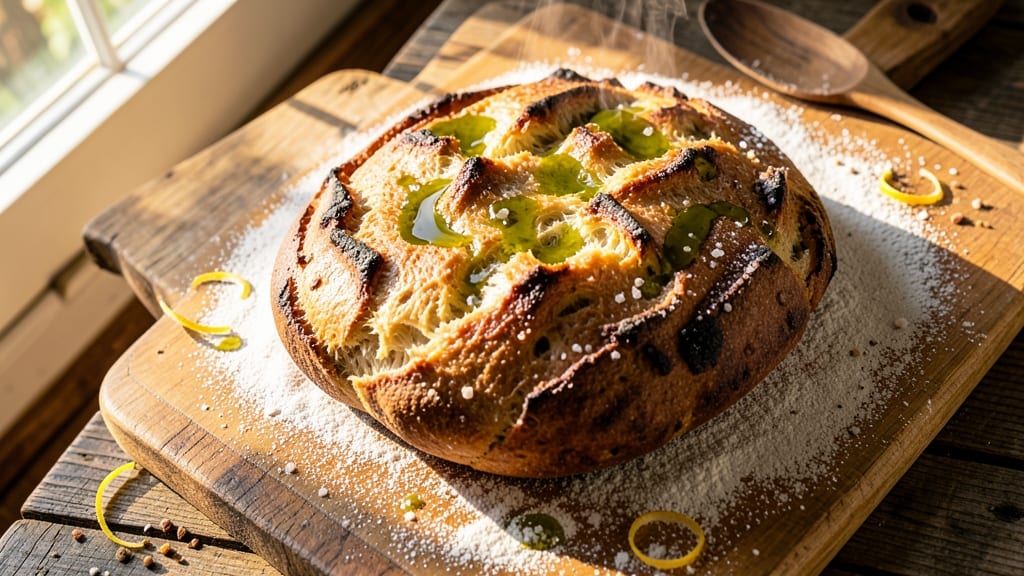
This authentic schiacciata bread recipe brings the rustic charm of Tuscany to your kitchen with its signature olive oil-infused crust and tender crumb. The secret lies in a simple dough of flour, water, yeast, and olive oil—no fancy ingredients, just pure tradition. I’ve perfected this method over years of baking, ensuring every bite delivers that crispy exterior and soft, airy interior that defines Tuscan schiacciata.
The dough’s beauty is in its simplicity: just five ingredients, mixed and kneaded by hand for that authentic texture. Unlike other breads, schiacciata doesn’t require shaping into loaves—it’s flattened, scored, and baked until golden.
The olive oil, generously brushed on both sides, creates that irresistible crispness while keeping the inside pillowy. This is the bread that pairs perfectly with cured meats, fresh tomatoes, or simply slathered with extra-virgin olive oil.
What makes this recipe truly special is its versatility. Whether you’re serving it as a rustic side for a family dinner or using it as a base for sandwiches, the flavor is undeniable.
The dough can be baked in a traditional wood-fired oven or your home oven, and the results are just as impressive. The key is patience—letting the dough rise slowly and baking it until the crust is golden and fragrant.
Trust me, the aroma alone will have everyone gathered around your table.
Once baked, schiacciata stays fresh for days, making it ideal for meal prep. Store it in a bread bag or wrap it in a towel to keep it soft. For extra authenticity, brush the warm bread with more olive oil before serving.
This is the kind of bread that turns a simple meal into something memorable—every bite a taste of Tuscany.
Ingredients for authentic schiacciata bread
Five simple ingredients transform into rustic Tuscan bread with crispy crust and tender crumb.
| Ingredient | Amount | Notes |
|---|---|---|
| All-Purpose Flour 🌾 | 3 ½ cups | Spooned and leveled, not packed |
| Active Dry Yeast 🍞 | ¼ tsp | Or 1 packet instant yeast |
| Extra-Virgin Olive Oil 🫒 | ¾ cup | High-quality, fruity variety |
| Warm Water 💧 | 1 ¼ cups | 105-110°F, not boiling |
| Kosher Salt 🧂 | 1 ½ tsp | Diamond Crystal preferred |
| Cornmeal 🌽 | ¼ cup | For dusting work surface |
| Semolina Flour 🌾 | 2 tbsp | For dusting and scoring |
| Coarse Sea Salt 🧂 | 1 tsp | For sprinkling after baking |
The olive oil is non-negotiable here—avoid the cheap stuff. Trader Joe's or Whole Foods carry excellent extra-virgin options that’ll give you that authentic Tuscan flavor. For the yeast, if your kitchen’s chilly, warm the water to 105-110°F—any hotter and you’ll kill it. I always grab Diamond Crystal kosher salt because it dissolves perfectly, but regular sea salt works too. The cornmeal and semolina? Don’t skip them—they give that signature rustic texture and prevent sticking.
No extra-virgin olive oil? Light olive oil works in a pinch, but you’ll miss that fruity depth. Running out of cornmeal? All-purpose flour or rice flour do the job, though semolina’s unique texture is worth tracking down. The yeast packet? If it’s expired, toss it—freshness matters here. For scoring, use a sharp knife or a lame if you’re feeling fancy. And if you’re baking in a home oven, preheat to 425°F with a Dutch oven inside for that wood-fired effect.
This dough keeps for 2 days in the fridge if wrapped tightly in plastic. For longer storage, freeze portions for up to 3 months. Once baked, schiacciata stays fresh for 4-5 days in a bread bag—just brush with more olive oil daily to keep it crispy. The best part? It reheats beautifully—5 minutes at 350°F brings back that fresh-baked aroma. Perfect for sandwiches or serving with olive oil and balsamic.
Why You'll Love This Recipe
- Just Four Ingredients: I swear, this bread is foolproof with flour, yeast, olive oil, and water—that’s it. No fancy mix-ins or last-minute store runs. The yeast activates fast in warm water, and the olive oil keeps it tender without extra butter.
- Crusty Outside, Soft Inside: That golden, crackly crust gives way to pillowy dough—it’s the magic of schiacciata. The olive oil infuses every bite with a subtle richness, while the salt balances it perfectly. (Yes, even on a Tuesday night.)
- Weeknight Sandwich Hero: Tear it fresh for grilled cheese or use it to soak up marinara. It’s my go-to for quick lunches because it’s sturdy enough to hold up but still soft enough to eat by hand.
- Budget-Friendly Staple: A loaf costs pennies to make and lasts days—freeze slices for toast or reheat them in the oven. Honestly, I buy flour in bulk just for this. It’s the kind of bread that makes grocery shopping feel like a win.
Step-by-step instructions for authentic schiacciata bread
This rustic Tuscan bread delivers that signature olive oil-infused crust and airy interior—just like Nonna used to make.
Activate the Yeast and Mix the Dough
In a large bowl, combine the 1.25 cups warm water (test temperature with your finger—it should feel warm but not hot) with the 0.25 tsp active dry yeast. Let it sit for 5 minutes until it becomes foamy. If it doesn't foam, your yeast is dead—start over with fresh yeast.
Add the 3.5 cups all-purpose flour and 1.5 tsp kosher salt to the bowl. I like to use a wooden spoon first to break up any flour clumps. Then, drizzle in the 0.75 cup extra-virgin olive oil while mixing. The dough will start to come together, but don't worry if it looks shaggy at first—this is normal.
Knead Until Silky and Elastic
Turn the dough onto a lightly cornmeal-dusted surface and knead for 8-10 minutes until smooth and elastic. You'll know it's ready when it springs back slowly when poked. I press down gently on the dough during the first few minutes—this prevents it from sticking and helps develop the gluten properly.
For an extra authentic touch, I like to add a few drops of the olive oil to my hands while kneading. This keeps the dough from sticking and gives it that signature olive oil flavor. If the dough feels too sticky, add 1 tablespoon of flour at a time until it comes together cleanly.
Let the Dough Rise Until Nearly Doubled
Place the dough in a lightly oiled bowl, cover it with a clean kitchen towel, and let it rise in a warm spot for 1-2 hours or until it has nearly doubled in size. The kitchen should be warm—if it's cold, place the bowl near a warm oven or under a heat lamp. You'll see the dough puff up and look slightly deflated when you poke it gently with your finger.
Here's the thing—don't rush this step. A proper rise gives schiacciata its signature airy texture. If your kitchen is humid, the dough might rise faster, so keep an eye on it. Once it's ready, gently punch it down to release any air bubbles before shaping.
Shape and Score for the Classic Look
Turn the dough onto a surface dusted with 2 tablespoons semolina flour and shape it into a rough oval, about 1-inch thick. The edges should be slightly thicker than the center—this is what gives schiacciata its rustic, uneven look. I press down gently on the edges with my knuckles to create that signature texture.
Use a sharp knife or razor to score the top of the dough in a crosshatch pattern. This isn't just for looks—it helps the bread expand evenly in the oven. Dust the scored dough with the 1 tsp coarse sea salt and let it rest for 10 minutes while you preheat your oven to 425°F.
Bake Until Golden and Crusty
Place the shaped dough on a baking sheet lined with parchment paper and bake for 25-30 minutes until the crust is deep golden brown and the internal temperature reaches 190-200°F. The bread should sound hollow when you tap the bottom—this is your cue that it's fully baked.
Let the bread cool on a wire rack for at least 15 minutes before slicing. I know it's tempting to dig in right away, but waiting ensures the crumb stays tender and the crust stays crisp. Serve it warm with olive oil, or let it cool completely for sandwiches—it keeps well for 3 days wrapped in a cloth.
Pro Tips For Making Authentic Schiacciata Bread
- STRETCH THE DOUGH LONG: Roll out the dough between two sheets of parchment—press it thin (about ½-inch) and fold it like a letter, then repeat 3-4 times. This mimics the traditional schiacciata’s layered texture without overworking the gluten. (Yes, it’s messy, but the result is that signature tender-yet-firm crumb.)
- USE COLD OIL: Chill your extra-virgin olive oil in the fridge for 20 minutes before mixing it into the dough. Cold oil hydrates the flour slower, giving the yeast time to activate evenly and preventing a gummy, dense bread. (I learned this after a batch turned out like a hockey puck.)
- DON’T SKIP THE STEAM: Before baking, spray the oven walls with water and place a metal tray on the lower rack for 5 minutes. The steam keeps the crust from drying out too fast, giving you that classic schiacciata blister and chewy interior. (Your oven’s thermometer should read 450°F—no guesswork.)
- WEIGH THE FLOUR: Scoop the all-purpose flour into a scale, then shake the bowl to settle it—you’ll need exactly 500g (3 ½ cups packed). Volumetric measuring (eyeballing cups) adds too much variation, and schiacciata relies on that precise dough-to-hydration ratio for the right texture. (Trust me, the scale is your friend here.)
Best sauces and condiments for authentic schiacciata bread
Olive Oil Drizzle
The star of schiacciata is its extra-virgin olive oil—don’t skimp! Brush 2 tablespoons generously over the warm bread right after baking. I use Whole Foods 365 Organic for that fruity, peppery kick. For extra luxury, drizzle 1 tablespoon of infused olive oil (like rosemary or chili) before serving. 🫒
Balsamic Reduction
Balance the richness with a 2-tablespoon balsamic reduction made by simmering ¼ cup balsamic vinegar for 10 minutes until syrupy. Drizzle lightly over slices—it cuts through the bread’s oiliness beautifully. I love Balsamic Glaze from Trader Joe’s for convenience. Pair with proscuitto for a Tuscan antipasto.
Herb-Infused Butter
Melt 2 tablespoons unsalted butter with 1 teaspoon fresh rosemary and ½ teaspoon garlic powder. Brush onto warm schiacciata slices for a fragrant twist. For extra flair, add crushed black pepper or red pepper flakes. This works perfectly with grilled meats or tomato salads.
Whole-Grain Mustard
Mix 1 tablespoon Dijon mustard with 1 teaspoon honey and 1 teaspoon olive oil for a tangy-sweet spread. Slather on schiacciata for sandwiches or as a dip for roasted vegetables. The mustard’s sharpness contrasts the bread’s softness beautifully. 🌟
Fresh Tomato Salsa
Blend 1 cup diced ripe tomatoes, 1 clove garlic, 1 tablespoon basil, 1 teaspoon olive oil, and ½ teaspoon salt. Serve with schiacciata as a rustic bruschetta. For extra texture, add diced cucumber or crumbled feta. This is a classic Tuscan pairing.
Spicy Honey Glaze
Combine 2 tablespoons honey with ½ teaspoon cayenne pepper and 1 teaspoon lemon juice. Brush onto warm schiacciata for a sweet-spicy contrast. I use Madhava honey for its floral notes. Perfect with charcuterie boards or grilled fish.
Nutrition facts
Frequently asked questions
Can I substitute all-purpose flour with bread flour for schiacciata?
While bread flour will give you a slightly chewier texture, it's not traditional for schiacciata. The recipe relies on all-purpose flour for its tender crumb and signature rustic texture. If you must substitute, use 50% all-purpose and 50% bread flour for a compromise—just keep an extra 1-2 tablespoons of water handy as bread flour absorbs more liquid. The olive oil content already adds richness, so don't overdo it with extra flour.
Why does my schiacciata turn out dense instead of crispy?
This usually happens from one of three issues: underproofed dough, insufficient olive oil, or incorrect baking temperature. Make sure your dough rises until it nearly doubles (1-2 hours) and preheat your oven to 425°F with a Dutch oven inside for that wood-fired effect. Brush the dough with 1-2 tablespoons of olive oil before baking—this creates that signature crispy crust. Also, bake until the internal temperature reaches 190-200°F.
How do I store schiacciata to keep it fresh longer?
Store freshly baked schiacciata in an airtight container or wrapped in a clean kitchen towel at room temperature for 2-3 days. For longer storage, freeze portions for up to 3 months—wrap tightly in plastic wrap and place in a freezer bag. To revive, thaw overnight in the fridge and reheat at 350°F for 5-10 minutes to restore crispiness. The key is to keep it away from moisture and reheat gently.
What's the difference between schiacciata and focaccia?
While both are Italian flatbreads, schiacciata is simpler with fewer ingredients and a higher olive oil content. Focaccia typically contains more yeast, herbs, and sometimes rosemary, creating a more complex flavor. Schiacciata focuses on that crispy crust and tender crumb with just flour, water, yeast, salt, and olive oil. Think of schiacciata as the rustic cousin of focaccia—less fancy, more traditional.
Can I make schiacciata without a Dutch oven?
If you don't have a Dutch oven, place the schiacciata directly on the middle oven rack for 25-30 minutes at 425°F. For extra crispiness, position a baking sheet on the lower rack and pour 1 cup of water into it during the first 10 minutes of baking to create steam. This mimics the wood-fired oven effect. Just monitor closely to prevent over-browning.