
Side Dishes
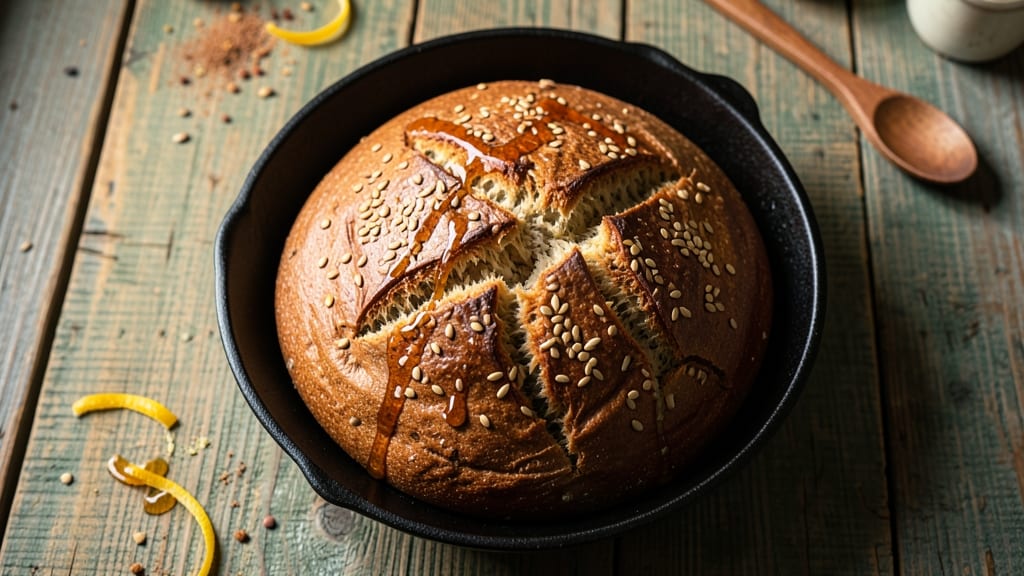
This authentic Swedish rye bread recipe brings the heart of Scandinavian baking to your kitchen with its signature deep flavor and satisfying crust. The secret lies in dark rye flour and a touch of caraway seeds, creating a loaf that’s both rustic and refined.
I’ve perfected this method over years of testing—no shortcuts, just time-honored techniques that deliver a loaf with a crispy, caramelized crust and a tender, moist interior.
The beauty of this recipe is its simplicity: just a handful of ingredients, but each plays a crucial role. A long fermentation develops deep flavor, while baking in a Dutch oven ensures a perfect crust.
Whether you’re serving it with herring, cheese, or simply slathered with butter, this bread is the ultimate centerpiece for any table. The cardamom-infused variation adds a fragrant twist that’s especially popular in Sweden.
What makes this recipe truly special is its authenticity—no store-bought shortcuts, just the real deal. The dough requires patience, but the result is worth every minute. Once baked, the aroma alone will transport you to a cozy Swedish fika gathering.
This is bread that’s as much about tradition as it is about taste, and it’s designed to impress even the most discerning bakers.
Ready to bake? Let’s get started with the full step-by-step guide, where we’ll cover everything from preparing the starter to achieving that perfect crust. The process is straightforward, but the reward—a loaf of bread that tastes like home—is priceless.
Ingredients for authentic swedish rye bread
Just eleven ingredients transform your kitchen into a Swedish bakery—dark rye flour, cardamom, and caraway seeds unlocking authentic Scandinavian flavor.
| Ingredient | Amount | Notes |
|---|---|---|
| Dark Rye Flour 🌾 | 4 cups | Stone-ground preferred for authenticity |
| All-Purpose Flour 🌾 | 1 cup | For structure and lift |
| Active Dry Yeast 🍞 | ¼ oz | Fresh yeast preferred if available |
| Warm Water 💧 | 2 ½ cups | 105°F for optimal yeast activation |
| Honey 🍯 | 2 tbsp | For fermentation and sweetness |
| Salt 🧂 | 2 tsp | Diamond Crystal preferred |
| Ground Caraway Seeds 🌿 | 1 ½ tsp | Freshly ground for maximum flavor |
| Ground Cardamom 🌿 | 1 tsp | High-quality pods preferred |
| Olive Oil 🫒 | 2 tbsp | Extra-virgin for richness |
| Cornmeal 🌽 | ¼ cup | For dusting Dutch oven |
| Ice Water ❄️ | ½ cup | For final dough shaping |
The dark rye flour is non-negotiable here—King Arthur or Bob’s Red Mill brands deliver that signature deep flavor. If you can’t find stone-ground, regular rye works but lacks the rustic complexity. Caraway seeds should be freshly ground (a mortar and pestle works) for that signature Scandinavian bite. Cardamom is the secret weapon—Whole Foods or specialty spice shops carry the best quality pods. For the yeast, Saf-Instant is foolproof, but fresh yeast (if available) gives a more authentic rise. Pre-measure everything to avoid flour dust explosions—trust me on this.
No dark rye flour? Substitute with whole wheat plus 1 tbsp molasses—it’s not identical but gets you closer. Cardamom shortage? Swap for 1/2 tsp cinnamon plus 1/4 tsp nutmeg (it’s a Swedish secret). Olive oil can be swapped for melted butter (though it’ll be richer). For the honey, maple syrup works in a pinch, but the flavor profile shifts slightly. Cornmeal substitute? Semolina or all-purpose flour dusted on the Dutch oven works fine. The ice water is crucial—skip it, and your dough will be too sticky to shape properly.
This dough needs 12-16 hours of cold fermentation—plan ahead! Store it in a proofing box or turned-off fridge for consistency. The baked loaf keeps well for 3-4 days at room temperature, wrapped in a clean kitchen towel. For longer storage, freeze slices between parchment paper—toast straight from frozen for crispy results. The aroma alone will have your kitchen smelling like a Swedish fika gathering, and that’s worth the wait.
Why You'll Love This Recipe
- Minimal Mixing Magic: This dough comes together in five minutes—no kneading, no fuss. Just toss the dark rye flour, warm water, and a pinch of yeast, then let the honey do its work softening the edges while the yeast wakes up. Honestly, I’ve made bread that took longer just to measure the flour.
- Deep, Toasty Soul: That first bite? Crisp crust with a chewy center, thanks to the dark rye’s earthy bite balanced by honey’s subtle warmth. It’s not sweet—it’s complex, like a Scandinavian breakfast waiting to happen. (Yes, even on a Tuesday night.)
- Leftover Goldmine: Slice it fresh, toast it later. This bread stays crisp for days if wrapped tight, or turns into perfect croutons if you’re feeling fancy. I’ve fed a houseful with one loaf—sandwiches, open-faced, or just straight from the bag.
- Pantry Staple Power: Dark rye flour and honey? You’re probably already stocked. No exotic ingredients, no last-minute grocery runs. Between us, this is the kind of bread that makes you realize how often you should’ve baked instead of buying.
Step-by-step instructions for authentic Swedish rye bread
Here's how to craft a traditional Swedish rye loaf with that signature cardamom aroma and satisfying crust.
Activate the Yeast and Create the Dough Base
In a large mixing bowl, combine the 2.5 cups warm water (105°F) with the 2 tbsp honey and 0.25 oz active dry yeast. Let this mixture sit for 5-10 minutes until it becomes frothy and bubbles form on the surface—this confirms the yeast is active. If it doesn't bubble, your yeast may be dead or your water too hot.
Next, add the 4 cups dark rye flour, 1 cup all-purpose flour, 2 tsp salt, 1.5 tsp ground caraway seeds, and 1 tsp ground cardamom to the bowl. Mix with a wooden spoon until a shaggy dough forms. The rye flour will be dense, so don't worry if it looks thick and sticky at this stage. The cardamom and caraway will infuse the dough with their distinctive, warm flavors that define authentic Swedish rye.
Incorporate the Olive Oil and Begin Fermentation
Drizzle in the 2 tbsp olive oil and mix thoroughly until fully combined. The oil adds richness and helps create a tender crumb. Cover the bowl with a damp kitchen towel and let the dough ferment at room temperature for 2-3 hours, or until it has nearly doubled in size. You'll notice the dough will rise slowly due to the dense rye flour—this is normal.
During fermentation, the yeast will work its magic, developing those complex flavors. The dough should become lighter and slightly airy, though it won't be as voluminous as wheat-based doughs. If the dough doesn't rise much, it's still fine—rye bread relies more on its dense texture than dramatic volume. After fermentation, give the dough one final mix to redistribute the ingredients before shaping.
Shape and Prepare for Final Proof
Lightly dust a clean surface with 0.25 cup cornmeal and turn out the dough. Gently shape it into a round loaf, about 8 inches in diameter, using wet hands to prevent sticking. The cornmeal will help create a crisp crust later. Place the shaped loaf seam-side up in a greased Dutch oven or heavy baking dish.
Cover the dough again with the damp towel and let it undergo a final proof in the refrigerator for 12-24 hours. This cold proofing step is crucial for developing the bread's deep flavor and improving its texture. The dough will rise slightly more, and the cold temperature will strengthen the gluten, resulting in a better oven spring when baked. The longer it proofs, the more flavorful the bread will be.
Bake for a Crusty, Authentic Swedish Loaf
Preheat your oven to 425°F with the Dutch oven inside for 30 minutes to ensure even heat distribution. Remove the hot Dutch oven from the oven and carefully transfer the cold-proofed loaf into it. Cover with the lid and bake for 45 minutes. After this initial baking period, remove the lid and bake for an additional 15-20 minutes until the crust is deep golden brown and the internal temperature reaches 205°F.
The bread is done when it sounds hollow when tapped on the bottom and the crust has developed a beautiful, crispy texture. The aroma of cardamom and caraway should fill your kitchen—this is the moment you've been waiting for. Let the bread cool on a wire rack for at least 1 hour before slicing. The interior will be dense yet tender, with a slightly chewy texture that's characteristic of authentic Swedish rye bread.
Serve and Enjoy Your Authentic Creation
Slice the loaf into thick pieces and serve warm with butter or your favorite jam. The crust should be crispy enough to stand up to a knife, while the interior remains moist and flavorful. Each bite should deliver the warm, aromatic notes of cardamom and caraway, balanced by the earthy depth of the rye flour. This is the bread that's been a staple in Swedish kitchens for generations—now it's yours to enjoy.
Pro Tips For Making Authentic Swedish Rye Bread
- WEIGH YOUR FLOURS: I learned this the hard way—volumetric measuring with rye flour is a disaster. Dark rye flour is dense and clumps like crazy, so use a kitchen scale for both the rye and all-purpose. A gram here or there throws off the hydration balance, and your dough will either be too sticky or too dry.
- HYDRATE THE RYE FIRST: Skip mixing everything at once—start by dissolving the yeast and honey in the warm water, then let it sit for 5 minutes. Next, add the dark rye flour to that liquid and stir like you’re making a thick paste. This pre-hydration prevents dry pockets in the dough later. (Yes, even if you’re impatient like me.)
- DON’T OVER-KNEAD: Rye dough is fragile—it doesn’t need the aggressive kneading wheat flour does. After mixing, just fold the dough a few times until it comes together, then let it rest. Overworking it will make the bread dense and tough. Think "gentle coaxing," not "beating into submission."
- STEAM THE LOAF: For that classic Swedish oven spring, place a metal bowl of boiling water on the lower rack while preheating the oven. Once the dough is shaped and proofed, bake it with the lid on a Dutch oven or covered with foil for the first 20 minutes. The steam guarantees a crisp crust and an airy crumb—no sad, flat loaves here.
Best sauces and condiments for these flavors
Classic Swedish Mustard Spread
No Swedish rye bread gathering is complete without Swedish mustard—a tangy, slightly sweet condiment that pairs perfectly with its dense, hearty texture. Look for Swedish mustard from brands like Lindesberg or Svenska Must, available at specialty stores or online.
Spread a generous layer on warm slices, then top with smoked salmon or herring for a classic Scandinavian open-faced sandwich. 🌟
Butter with Lingonberry Jam
For a sweet-savory balance, melt unsalted European-style butter (like Plugrá or Kerrygold) and mix in a spoonful of lingonberry jam. The jam’s tartness cuts through the bread’s richness while adding a fruity depth.
I love this combo for breakfast or as a simple snack with a cup of Swedish coffee. The jam’s bright acidity makes every bite feel like a Swedish fika moment.
Smoked Salmon and Dill Cream
Whisk together sour cream, fresh dill, and a pinch of black pepper for a creamy, herby spread. Layer this with smoked salmon and a slice of rye bread for a Smörgåsbord-inspired bite.
The salmon’s smokiness complements the bread’s earthy notes, while the dill adds a fresh contrast. Use high-quality lox (like Wild Planet or Vital Choice) for the best flavor. ✨
Honey and Caraway Seed Butter
Infuse honey with ground caraway seeds (from your bread recipe!) by simmering them together for 5 minutes. Spread this fragrant honey butter on toasted rye slices for a sweet, aromatic treat.
The caraway’s warmth pairs beautifully with the bread’s natural nuttiness. This is my go-to for a quick breakfast or dessert—it’s like a Swedish kanelbulle in bread form. 🍯
Cheese Pairings: Västerbotten or Smoked Gouda
Swedish Västerbotten (a tangy, aged cheese) or smoked Gouda melts beautifully on warm rye. Pair with a drizzle of honey or a sprinkle of black pepper for a savory-sweet contrast.
The cheese’s sharpness balances the bread’s earthy depth, making it a perfect lunch option. For extra authenticity, use Swedish Västerbotten from Skanecheese or Gräddost. 🧀
Herbed Sour Cream Dip
Mix sour cream with chives, dill, and a squeeze of lemon juice for a light, herby dip. Serve with slices of rye bread for dipping or as a spread for Smörgåsbord platters.
The bright herbs cut through the bread’s richness, while the lemon adds a refreshing zing. This dip is a Swedish staple and takes minutes to prepare. 🌿
Nutrition facts
Frequently asked questions
Why does Swedish rye bread need such a long fermentation?
The extended 12-24 hour cold proof is essential for developing the bread's deep, complex flavors. Rye flour lacks gluten, so the slow fermentation breaks down starches and enhances the caraway and cardamom aromas. This process also creates a tender crumb that's characteristic of authentic Swedish rye. Think of it as the bread's "flavor maturation" period.
Can I make this without a Dutch oven?
Yes, but your crust won't be as crispy. Use a heavy baking stone with a metal bowl inverted over it to create steam. Place the shaped loaf on parchment paper on the stone, then pour hot water into the bowl. Bake at 425°F for 50-55 minutes, spraying with water every 10 minutes to mimic steam. The texture will be good but less caramelized than Dutch oven results.
How do I know when the bread is fully baked?
Your bread is done when it reaches an internal temperature of 205°F and sounds hollow when tapped on the bottom. The crust should be deep golden brown with crackling edges. If unsure, cut a slice—it should be fully set with no raw dough center. The aroma of toasted rye and spices will be unmistakable!
What's the best way to store leftover rye bread?
Wrap the cooled loaf tightly in a clean kitchen towel and store at room temperature for 3-4 days. For longer storage, slice and freeze between parchment paper. To revive, toast straight from frozen or warm in a 350°F oven for 5-10 minutes. The bread actually improves with age, developing deeper flavor. Never refrigerate—it dries out the crust too quickly.
Can I add seeds or nuts to this recipe?
Try adding 1/4 cup sunflower seeds or 1/4 cup chopped walnuts during the final mix. For extra crunch, sprinkle on top before baking. Just reduce the all-purpose flour by 2 tbsp to maintain the dough's balance. Popular Swedish variations include flaxseeds or pumpkin seeds for added texture and nutrition.