
Side Dishes
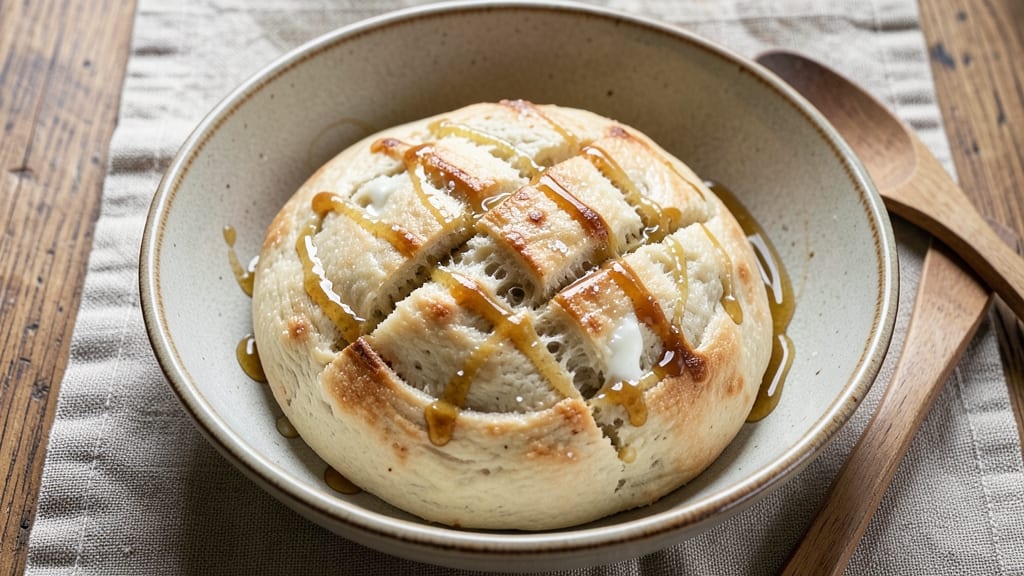
This atta flour bread recipe delivers the soft, pillowy crumb of traditional Indian bread with modern no-knead convenience. The secret lies in proper hydration and fermentation, creating a tender interior that stays fresh for days.
I developed this version after years of experimenting with atta flour's unique properties—it absorbs moisture differently than wheat flour, requiring precise technique for that signature texture.
What makes this recipe special is its versatility—bake it in a tandoor for authentic flavor or use your home oven for convenience. The dough comes together in just 15 minutes of mixing, then ferments overnight for maximum flavor development.
No yeast? No problem—the natural fermentation creates that signature tangy depth without commercial leaveners.
By the time it emerges from the oven, you'll have golden-brown bread with a crisp exterior and a soft, airy interior that holds up perfectly for sandwiches or sides.
The aroma alone will transform your kitchen into a home bakery. This recipe serves 6-8, making it ideal for family meals or meal prep.
The beauty of atta flour bread lies in its adaptability—use it for wraps, naan, or even toast. Whether you're serving it with curries or using it as a sandwich base, this bread delivers restaurant-quality results at home. Let's get started on mastering this traditional staple with modern ease.
Ingredients for atta flour bread
Eight ingredients transform into golden, pillowy bread with a crisp crust and tender crumb.
| Ingredient | Amount | Notes |
|---|---|---|
| Atta Flour 🌾 | 4 cups | Whole wheat, freshly milled preferred |
| Warm Water 💧 | 1 ½ cups | 105-115°F for optimal hydration |
| Plain Yogurt 🥛 | ½ cup | Unflavored, full-fat preferred |
| Ghee 🧈 | 2 tbsp | Clarified butter for rich flavor |
| Salt 🧂 | 1 ½ tsp | Fine sea salt preferred |
| Sugar 🍚 | 1 tsp | White granulated |
| Active Dry Yeast 🍞 | ¼ tsp | Optional for faster rise |
| Semolina Flour 🌾 | ¼ cup | For dusting and crust |
| Olive Oil 🫒 | 1 tbsp | For greasing dough |
| Cardamom Powder 🌿 | ½ tsp | Ground, optional for aroma |
| Sesame Seeds 🌰 | 1 tbsp | Toasted for garnish |
Atta flour is the star—look for freshly milled at Indian markets or specialty stores like Whole Foods. The whole wheat version gives that signature texture, but pre-ground works too. Warm water is key—105-115°F helps hydration without activating gluten too soon. I grab mine from a thermometer kettle. For yogurt, full-fat Greek yogurt works best—it adds richness and helps with fermentation. Skip the flavored kind. The ghee? Store-bought is fine, but homemade tastes like heaven if you've got it.
No atta flour? Substitute 3 cups whole wheat flour + 1 cup all-purpose flour, but texture won't be identical. Short on yogurt? Substitute with buttermilk or extra water + 1 tsp vinegar. The yeast is optional—this relies on natural fermentation, but adding it cuts rise time to 8 hours. For the semolina, regular flour works in a pinch, but it won't give that crispy crust. Cardamom is non-negotiable for authentic flavor—skip it if you hate spice. Toast your sesame seeds in a dry pan for 2 minutes—they add crunch and aroma.
This dough is forgiving but needs patience. Let it ferment 12-16 hours at room temp for best results. Store any extras wrapped in a clean kitchen towel for up to 3 days. Freeze shaped dough balls for 2 months—bake straight from frozen. The bread reheats beautifully in a toaster or oven. I slice mine fresh and freeze on a tray before bagging for easy sandwiches later.
Why You'll Love This Recipe
- Same dough, endless uses: toast it for breakfast with chai, tear it over dal at lunch, or pack slices for school lunches. (Yes, even my picky teenager grabs these.) The atta flour keeps it sturdy enough for sandwiches but tender enough to soak up curry.
- No-Fuss Dough: I swear by this—just mix atta flour, warm water, and yogurt with my fingers until it stops sticking. No kneading, no waiting, no stress. The ghee melts right in while shaping, so you’re done before the kettle boils.
- Buttery Soft Magic: That first bite? Crispy crust gives way to pillowy inside, all thanks to the ghee and yogurt. Honestly, it’s the kind of bread that makes you pause mid-chew because it’s that good—no fancy ingredients, just pure satisfaction.
- Breakfast to Dinner: Same dough, endless uses: toast it for breakfast with chai, tear it over dal at lunch, or pack slices for school lunches. (Yes, even my picky teenager grabs these.) The atta flour keeps it sturdy enough for sandwiches but tender enough to soak up curry.
Step-by-step instructions for atta flour bread
Here's how to craft a soft, pillowy loaf with minimal effort—no kneading required.
Mix the Dough with Warm Ingredients
In a large mixing bowl, combine the 4 cups atta flour, 1.5 tsp salt, and 1 tsp sugar. Make a well in the center and add the 0.5 cup plain yogurt, 1.5 cups warm water (around 105-115°F), and 0.25 tsp active dry yeast (if using). Let the mixture sit for 5 minutes—you'll see tiny bubbles forming as the yeast activates.
Next, gently stir in the 2 tbsp ghee and 0.5 tsp cardamom powder until the dough begins to come together. The ghee adds richness, while the cardamom infuses subtle warmth. Avoid overmixing—just combine until the dough is shaggy and sticky. If it feels too dry, add 1 tablespoon warm water at a time until it holds together when pressed.
Rest and Shape for Optimal Texture
Cover the bowl with a damp kitchen towel and let the dough rest at room temperature for 30 minutes. This allows the gluten to relax slightly, making it easier to shape later. I like to press my finger into the dough—if it springs back slowly, it's ready. If it bounces back quickly, let it rest another 10 minutes.
After resting, turn the dough onto a lightly floured surface (use the 0.25 cup semolina flour for dusting). Gently fold and stretch the dough 3-4 times, rotating it a quarter turn each time. This develops just enough structure without overworking it. The goal is a smooth, slightly tacky dough that doesn't stick to your hands. If it's too sticky, wet your hands slightly to prevent tearing.
Proof for Maximum Rise
Lightly grease a 9x5-inch loaf pan with the 1 tbsp olive oil, then transfer the shaped dough into it. Cover with the damp towel again and let it proof in a warm place (like a turned-off oven with the light on) for 1.5 to 2 hours. The dough is ready when it's puffed 1.5 to 2 inches above the pan and feels springy when pressed gently.
Here's the thing—atta flour dough rises differently than wheat flour. It won't double in size like commercial bread, but it should expand noticeably. If the dough doesn't rise much after 2 hours, it might need a warmer environment. Preheat your oven to 170°F, turn it off, place the dough inside with a bowl of hot water, and close the door to create a proofing chamber.
Bake for a Crispy Crust and Soft Crumb
Preheat your oven to 375°F. Once the dough has proofed, score the top with a sharp knife in a simple crosshatch pattern. This helps control expansion and gives a professional look. Brush the top lightly with a bit of olive oil (if you have any left) or melted ghee, then sprinkle with 1 tbsp toasted sesame seeds for crunch and flavor.
Bake for 35-40 minutes until the bread is deep golden brown and sounds hollow when tapped on the bottom. The internal temperature should reach 190-200°F. If the top browns too quickly, tent the pan with aluminum foil to prevent burning while the center finishes baking. The bread is done when it pulls away slightly from the sides of the pan and has a crisp crust.
Cool and Serve for Perfect Texture
Remove the bread from the oven and let it cool in the pan for 10 minutes before transferring to a wire rack. This step is crucial—cooling too quickly can make the crumb gummy. For the first 5 minutes, keep the pan covered with a clean kitchen towel to retain moisture.
Once fully cooled, slice the bread with a serrated knife for clean cuts. The interior should be soft, pillowy, and slightly chewy—almost like a cross between a sandwich loaf and a flatbread. Serve warm with butter, jam, or as part of a meal. The aroma of freshly baked atta bread, with its subtle cardamom notes, is worth the wait.
Pro Tips For Making Atta Flour Bread
- Knead Like You Mean It: Atta flour is stubborn—it needs real muscle work, not half-hearted pats. After mixing warm water, yogurt, and ghee into the flour, dump it on a lightly floured surface and knead for at least 10 minutes (yes, even if your arms protest). The dough should be smooth, elastic, and slightly tacky—not crumbly or sticky. I used to rush this, and my bread always turned out dense. Don’t skip the workout—it’s what makes the texture light.
- Use Room-Temp Ghee: Cold ghee takes forever to incorporate and leaves pockets of butter in your dough. Let your ghee sit out for 15-20 minutes before mixing it into the flour—it should be soft but not liquid. This ensures even distribution, which keeps the bread tender and flavorful. I learned this after a batch turned out greasy in spots and bland in others. Trust me, your bread will taste richer when the ghee melts smoothly.
- Let the Dough Rest—Seriously: The moment you finish kneading, cover the dough with a damp cloth and walk away for 30 minutes. This isn’t optional—it’s when the gluten relaxes and the flavors meld. I used to jump straight to shaping, and my bread would either collapse in the oven or taste flat. The rest also makes rolling out the dough so much easier. Set a timer and grab a cup of tea. Your future self will thank you.
- Shape Tight, Seal Well: Atta dough is forgiving, but sloppy shaping leads to uneven baking and dry spots. Roll the dough into a tight, smooth ball (about 6 inches in diameter), then pinch the seam firmly to seal it. If the edges tear, wet your fingers and press them together—this traps steam and guarantees a soft interior. I used to half-ass this step, and my bread would puff unevenly. Take the extra 30 seconds to do it right.
Wine and beer pairings for these flavors
Light Beer Pairings
Crisp lagers like Sierra Nevada Pale Ale or Heineken complement the bread's soft texture and subtle cardamom notes beautifully. The light malt sweetness balances the atta flour's earthiness, while the effervescence cleanses your palate between bites.
I always keep a cold Sapporo on hand—its clean, crisp finish lets the bread's natural flavors shine without competition. 🍺
Spiced Wine Options
For a boozy pairing, try a mulled wine infused with cinnamon and cloves—the spices echo the cardamom in your bread while adding warmth. A dry Riesling from Germany also works wonders, with its bright acidity cutting through the ghee's richness.
I've found that chilling the wine slightly enhances the contrast between the bread's pillowy interior and the wine's crisp finish.
Indian-Inspired Cocktails
Create a refreshing mango lassi cocktail by blending mango pulp, yogurt, and a splash of vodka or rum, then serving it chilled. The tropical sweetness pairs perfectly with the bread's nutty undertones.
For something stronger, mix gin with rose syrup and lime—the floral notes complement the cardamom beautifully. Garnish with a sprinkle of sesame seeds to tie it all together. 🍹
Non-Alcoholic Choices
Sparkling ginger beer with a squeeze of lime adds a zesty kick that contrasts the bread's richness. For something herbal, try hibiscus iced tea—its tartness balances the ghee's richness while the floral notes harmonize with the cardamom.
I also love coconut water for a refreshing, hydrating option that lets the bread's flavors take center stage.
Regional Adaptations
In North India, this bread is often served with lassi—a sweet yogurt drink that mirrors the bread's fermentation process. For a South Indian twist, pair it with filter coffee and a banana, creating a sweet-savory contrast.
The coffee's bitterness cuts through the bread's richness, while the banana adds natural sweetness. Each region has its own perfect match! 🌍
Nutrition facts
Frequently asked questions
Why does atta flour bread need more water than regular bread?
Atta flour absorbs moisture differently because it contains more bran and fiber than refined wheat flour. The 1.5 cups warm water in this recipe creates a hydrated, elastic dough that develops its signature soft crumb. Too little water makes the bread dense, while too much creates a gummy texture. The key is patience—let the dough rest after mixing to allow the flour to fully hydrate.
Can I make this bread without yeast?
The recipe relies on natural fermentation from the yogurt and warm environment. Without yeast, the dough will take 12-16 hours to rise fully, but you'll get that authentic tangy flavor. For faster results, use the 0.25 tsp yeast to cut fermentation time to 8-10 hours. Just remember—longer fermentation means deeper flavor!
How do I know when the dough is properly proofed?
Look for two signs: the dough should puff 1.5-2 inches above the pan and feel springy when pressed gently (like pressing a cake). Tap it lightly—if it springs back slowly, it's ready. If it doesn't rise much after 2 hours, try a warmer proofing spot (like a turned-off oven with a bowl of hot water). Overproofing makes the bread dense, while underproofing gives it a compact crumb.
Why did my bread turn out dense?
Dense bread usually means one of three things: underproofing (not enough rise time), overworking the dough (too much kneading), or incorrect hydration. For atta flour, avoid kneading—just fold and stretch gently. Also, ensure your water is 105-115°F (not boiling) and let the dough rest after mixing. If the dough feels too dry, add 1 tbsp warm water at a time until it's tacky but not sticky.
Can I make this bread in a tandoor?
Yes! Shape the dough into small balls (like naan) and bake them directly in the tandoor for 2-3 minutes per side. The high heat creates a smoky flavor and crispy crust. For best results, brush the dough balls with melted ghee before baking. If you don't have a tandoor, a cast-iron skillet on high heat mimics the effect—just cook until charred spots appear.