
Side Dishes
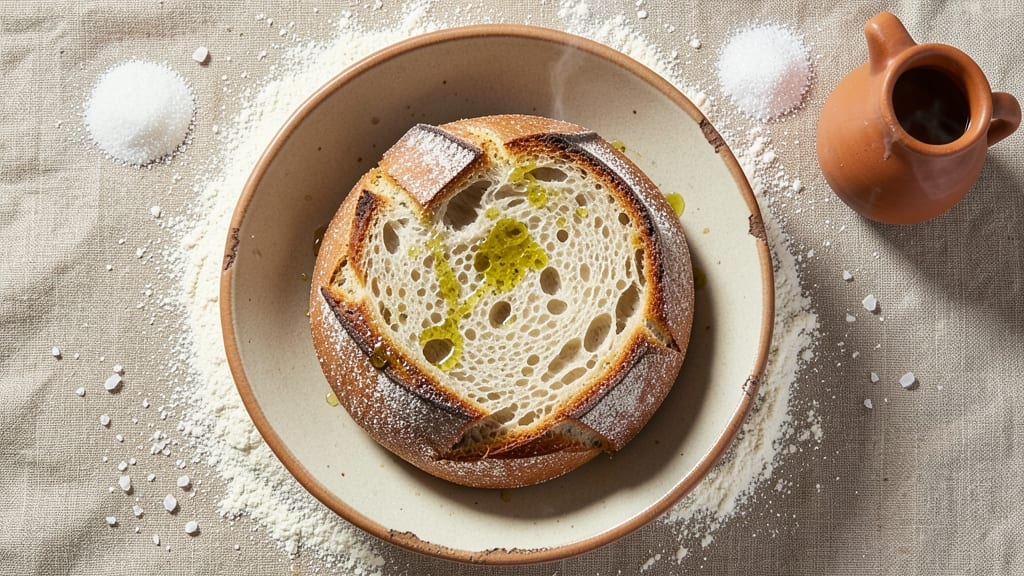
This Asphodel bread recipe brings a taste of ancient Greece to your kitchen with its golden crust and fragrant olive oil aroma. 🌟 Born from traditional Greek baking techniques, this crusty loaf combines simple ingredients—flour, olive oil, herbs, and a touch of honey—to create a bread that’s both rustic and elegant.
The secret lies in its slow fermentation and high-heat baking, which develop deep flavor and a satisfying crunch.
What makes this recipe special is its cultural heritage—Asphodel bread was historically served during religious festivals and family gatherings in Greece. Today, it remains a beloved staple, perfect for breakfast, snacking, or pairing with olive oil and cheese.
The dough is enriched with herbs like oregano and thyme, while a light honey glaze adds a subtle sweetness that balances the savory notes.
The result is a loaf with a crisp exterior and tender, fluffy interior, infused with the rich flavors of the Mediterranean. Whether you're recreating a piece of history or simply craving artisanal bread, this recipe delivers restaurant-quality results with minimal effort. Ready to bake?
Use this bread for dipping in olive oil, pairing with meze, or serving alongside soups and salads. The versatility makes it a must-have in any kitchen. Let’s get started on this timeless classic!
Ingredients for asphodel bread
Simple ingredients transform into a fragrant, golden crusty loaf with Mediterranean heritage.
| Ingredient | Amount | Notes |
|---|---|---|
| All-Purpose Flour 🌾 | 4 cups | Spooned and leveled for accuracy |
| Extra-Virgin Olive Oil 🫒 | ¾ cup | High-quality, fruity variety |
| Active Dry Yeast 🍞 | 2 ¼ tsp | Or 1 packet instant yeast |
| Granulated Sugar 🍚 | 1 tbsp | For yeast activation |
| Warm Water 💧 | 1 ¼ cups | 110°F (43°C) ideal temperature |
| Salt 🧂 | 1 ½ tsp | Diamond Crystal kosher preferred |
| Dried Oregano 🌿 | 1 tsp | Greek or Mediterranean blend |
| Dried Thyme 🌿 | ½ tsp | Or 1 tbsp fresh thyme leaves |
| Honey 🍯 | 2 tbsp | For glaze and subtle sweetness |
| Sesame Seeds 🌻 | 1 tbsp | For traditional crust texture |
| Poppy Seeds 🌻 | 1 tbsp | Optional traditional garnish |
| Coarse Sea Salt 🧂 | ½ tsp | For sprinkling on crust |
The olive oil is the soul of this bread—look for extra-virgin from Greece or Italy for authentic flavor. Trader Joe's and Whole Foods carry excellent options, but any high-quality brand works. The yeast should be fresh; if it's past its expiration, test it in warm water with sugar—it should foam within 5-10 minutes. For the flour, King Arthur or Bob's Red Mill brands provide consistent results. The herbs? Greek oregano has a distinct flavor—worth hunting down at specialty markets if possible. Store all dry ingredients in airtight containers to preserve freshness.
No extra-virgin olive oil? Light olive oil works in a pinch, though the flavor won't be as rich. Short on poppy seeds? Sesame seeds alone still give that classic texture. The honey can be swapped for maple syrup at equal amounts, though traditionalists may prefer the floral notes of honey. For a quicker rise, instant yeast can be mixed directly with dry ingredients—no need to dissolve first. The thyme can be fresh or dried; if using fresh, use twice the amount of the dried measurement. Always measure your yeast by weight if possible—1 packet equals 2.25 teaspoons for accuracy.
This dough benefits from a 12-24 hour cold proof in the fridge for deeper flavor. Once baked, let the loaf cool completely on a wire rack—at least 2 hours—before slicing to prevent gumminess. Store wrapped at room temperature for 3 days or freeze for 3 months. For serving, brush warm slices with olive oil and sprinkle with coarse salt. The crust stays crisp for 2 days if stored properly, making it perfect for meal prep.
Why You'll Love This Recipe
- Five-Ingredient Magic: I swear by this—just flour, olive oil, yeast, sugar, and water. That’s it. No fancy pantry trips or last-minute ingredient hunts. Honestly, I keep a bag of flour and a bottle of olive oil on hand just for this.
- Golden Crust, Soft Heart: The olive oil does something amazing here. That crispy, golden crust? Irresistible. But the inside? Still tender and pillowy—like a hug in bread form. (Yes, even on a Tuesday night.)
- Breakfast to Brunch: Toast it for breakfast, tear it for lunch, or serve it warm with olive oil and salt for a snack. I’ve even used it to soak up soup broth—versatile enough to handle whatever your day throws at you.
- Budget-Friendly Staple: A single batch costs pennies and stretches for days. Freeze the leftovers, and you’ve got fresh bread ready in minutes. Between us, this is how I feed my family without breaking the bank.
Step-by-step instructions for ancient Greek herb and olive oil crusty loaf
This traditional asphodel bread combines rustic texture with fragrant Mediterranean herbs for an authentic taste.
👨🍳 Step 1: Activate the Yeast and Mix the Dough
In a small bowl, combine the 1.25 cups warm water, 1 tbsp granulated sugar, and 2.25 tsp active dry yeast. Let it sit for 5-10 minutes until frothy—this confirms your yeast is active. If it doesn't bubble, your bread won't rise properly.
In a large bowl, whisk together the 4 cups all-purpose flour, 1.5 tsp salt, 1 tsp dried oregano, and 0.5 tsp dried thyme. Create a well in the center and pour in the yeast mixture along with the 0.75 cup extra-virgin olive oil. Using a wooden spoon, stir until a shaggy dough forms.
👨🍳 Step 2: Knead Until Smooth and Elastic
Turn the dough onto a lightly floured surface and knead for 8-10 minutes by hand, or use a stand mixer with a dough hook for 5-6 minutes on medium speed. You're looking for a smooth, elastic dough that springs back when poked—this develops gluten for proper structure.
If the dough feels too sticky, add 1 tablespoon of flour at a time until it comes together cleanly. Shape into a ball, place in a lightly oiled bowl, cover with a damp towel, and let rise in a warm place for 1-2 hours or until doubled in size. The dough should feel light and airy when pressed gently.
🔥 Step 3: Shape and Second Rise
Punch down the risen dough to release air, then divide it into 4 equal portions. Roll each portion into a 12-inch log about 2 inches wide, tapering slightly at the ends. Place them on a parchment-lined baking sheet, cover, and let rise for another 30-45 minutes until puffy.
Preheat your oven to 375°F during the final rise. Brush the tops of the loaves with a mixture of 2 tbsp honey and 2 tbsp warm water, then sprinkle evenly with 1 tbsp sesame seeds and 1 tbsp poppy seeds. This creates the signature crust and adds subtle sweetness.
🔥 Step 4: Bake to Golden Perfection
Bake for 25-30 minutes until the loaves are deep golden brown and sound hollow when tapped on the bottom. For extra crustiness, transfer to a wire rack and let cool for 10 minutes before slicing—this prevents a gummy interior.
Here's the thing—don't skip the cooling time. The bread continues steaming inside, and slicing too soon releases moisture, making the crumb soft instead of crisp. Brush the cooled loaves with a little more olive oil before serving for that authentic Greek touch.
Pro Tips For Making Asphodel Bread
- Bloom the Yeast First: Skip mixing yeast directly into flour—it dies faster. Instead, dissolve it in warm water (not hot; 105°F/40°C max) with a pinch of sugar for 5-10 minutes until frothy. This guarantees your dough rises properly, not just somewhat.
- Use Cold Olive Oil: Chilled extra-virgin olive oil (strained from the fridge) creates flakier layers than room-temperature oil. Mix it into the dough with dry flour—it’ll melt into the warm dough but won’t make it gummy. Trust me, your bread will thank you.
- Don’t Over-Knead: Asphodel bread isn’t sourdough—it needs just enough gluten to hold its shape. Knead by hand until the dough cleans the bowl (about 8-10 minutes), then stop. Overworking it makes the texture dense, and no one wants that.
- Steam the Oven: Preheat your oven to 375°F (190°C), then place a metal tray on the bottom rack. Pour ½ cup hot water into it right before baking. The steam mimics a bakery’s environment, giving your bread a crisp crust and soft interior—no fancy equipment needed.
Serving suggestions for asphodel bread
Morning Meal Pairings
This asphodel bread shines during breakfast with its fragrant herbs and subtle sweetness. Serve warm slices alongside Greek yogurt topped with local honey and crushed walnuts for a protein-rich start. I love adding a sprinkle of chopped pistachios for extra crunch—it’s a nod to traditional Greek meze. 🌟
For a heartier option, pair with feta cheese and cucumber slices on a platter. The bread soaks up the creamy feta while balancing the cool cucumber. Add a drizzle of extra-virgin olive oil and a pinch of flaky sea salt for that authentic Greek taverna feel.
Olive Oil Dipping
Greeks traditionally serve bread with olive oil for dipping—it’s a simple but elegant ritual. Use a high-quality Greek or Italian extra-virgin olive oil (like Kalamata or Pomace) for the best flavor. Warm the oil slightly and let guests dip fresh slices for that rich, herbal taste. 🫒
For a twist, infuse the olive oil with garlic and oregano by simmering 3 minced garlic cloves and 1 tsp dried oregano in ½ cup olive oil for 5 minutes. Strain and serve warm—it’s a game-changer for dipping.
Mediterranean Meze Spread
Turn your asphodel bread into the star of a meze spread. Pair it with hummus, baba ganoush, and tzatziki for a balanced plate. The bread’s crusty texture contrasts perfectly with the creamy dips, while the herbs tie everything together. 🥗
Add roasted red peppers, marinated artichokes, and olives to round out the spread. The bread’s subtle sweetness complements the tangy flavors, making it a crowd-pleaser for appetizers or light meals.
Sweet Serving Ideas
While this bread is savory, its honey glaze makes it versatile for sweet pairings. Serve with Greek coffee and a small bowl of clotted cream for dessert. The warmth of the bread contrasts beautifully with the rich coffee. ☕
For a brunch twist, top slices with whipped mascarpone and fresh figs. The sweet-tart figs elevate the bread’s herbal notes, creating a dessert-worthy treat that feels special but easy to make.
Nutrition facts
Frequently asked questions
Can I make this asphodel bread without yeast?
This traditional recipe relies on yeast for its signature rise and texture, but you can adapt it into a quick flatbread version. Replace the yeast with 1.5 tsp baking powder and 1 tsp baking soda, reduce warm water to 1 cup, and flatten the dough into a ½-inch thick round before baking at 400°F for 12-15 minutes. The result will be denser but still flavorful!
Why does my asphodel bread taste bland?
Bland flavor usually means the herbs or olive oil weren't prominent enough. Double-check your measurements—1 tsp oregano and ½ tsp thyme should be noticeable. For extra depth, add ½ tsp ground cinnamon or 1 tsp orange zest to the dough. Also ensure you're using extra-virgin olive oil—regular olive oil lacks the fruity notes that elevate this bread.
How can I store asphodel bread to keep it crispy?
Store the bread in an airtight container at room temperature for up to 3 days, but for maximum crispiness: Wrap each loaf individually in parchment paper, then place in a paper bag. This prevents moisture buildup. To revive stale bread, warm slices in a 350°F oven for 5-7 minutes or toast in a pan with olive oil.
What's the difference between asphodel bread and paximadi?
While both are Greek breads, asphodel bread is a sweet-savory loaf with herbs and honey, while paximadi is a twice-baked, hard cracker made from stale bread. Asphodel bread has a soft interior with crispy crust, whereas paximadi is entirely dry and crumbly. They serve different purposes—this bread is for meals, paximadi for dipping or soups.
Can I substitute honey with something else?
Yes! For the glaze, use maple syrup or agave nectar at equal amounts, though honey's floral notes are traditional. For sweetness in the dough itself, add 1 tbsp molasses or 1 tsp vanilla extract instead. The bread will still be savory but with deeper caramel undertones.