
Side Dishes
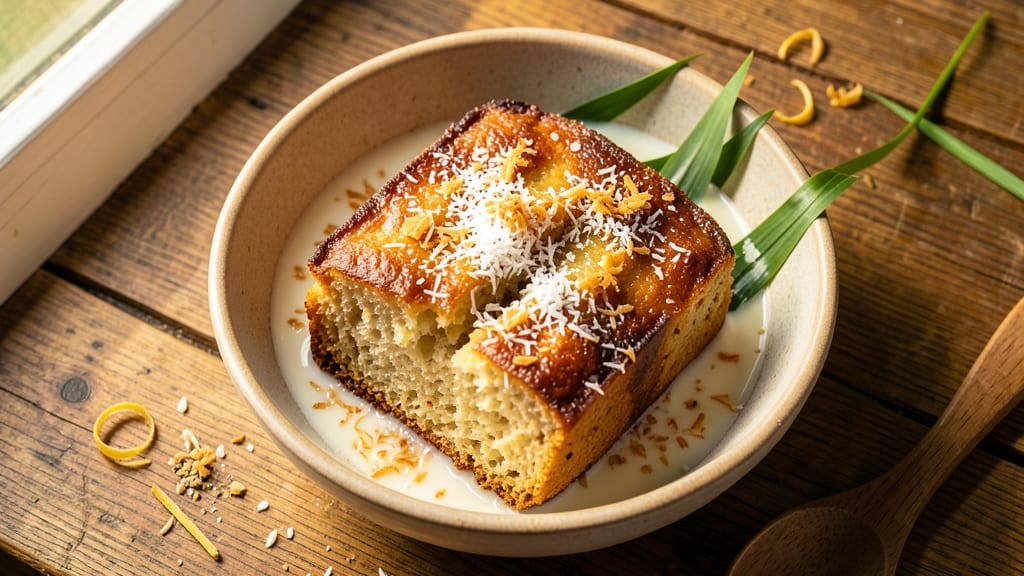
This Asian coconut bread delivers the perfect balance of tropical fragrance and moist crumb—a recipe inspired by Southeast Asian bakeries where sweet, fragrant breads are a staple.
The secret lies in the blend of coconut milk and shredded coconut, which infuses every bite with a rich, nutty aroma and tender texture that stays fresh for days. Unlike dry bread, this version stays soft and flavorful, making it ideal for breakfast or as a dessert companion.
What sets this recipe apart is the use of yeast activation with warm coconut milk, which enhances the bread's rise and adds depth to the flavor.
The dough is kneaded just enough for a tender crumb without becoming dense, and proofing times are carefully timed to ensure a light, airy texture.
Baking at the right temperature—350°F—creates a golden crust while keeping the interior moist and fluffy, just like the breads you’d find in Asian bakeries.
The result is a loaf that’s fragrant with coconut, slightly sweet, and perfectly balanced—not too rich, not too dry. Each slice has a delicate crumb that melts in your mouth, making it perfect for toast, sandwiches, or simply enjoying with a cup of tea.
The bread also freezes beautifully, so you can bake a batch and enjoy it over weeks.
For an extra touch of authenticity, brush the baked loaf with a light honey glaze while still warm—this adds a subtle sheen and enhances the tropical flavors. Whether you’re serving it for breakfast or dessert, this Asian coconut bread is a game-changer for any baking repertoire.
Ingredients for asian coconut bread
Fourteen simple ingredients transform into fragrant, moist coconut bread with a golden crust.
| Ingredient | Amount | Notes |
|---|---|---|
| All-Purpose Flour 🌾 | 3 ½ cups | Spooned and leveled (not scooped) |
| Granulated Sugar 🍚 | ¼ cup | White or light brown |
| Instant Yeast 🍞 | 1 tbsp | Not active dry |
| Unsalted Butter 🧈 | ½ cup | Cold, cubed (not melted) |
| Coconut Milk (Full-Fat) 🥥 | 1 can | 13.5 oz can, warmed |
| Shredded Coconut 🥥 | 1 cup | Sweetened, not unsweetened |
| Large Eggs 🥚 | 1 whole | Room temperature |
| Milk 🥛 | ½ cup | Whole or 2% |
| Vanilla Extract 🍯 | 1 tsp | Pure, not imitation |
| Salt 🧂 | ½ tsp | Diamond Crystal preferred |
| Honey 🍯 | 2 tbsp | For glaze (lightly warmed) |
| Cinnamon 🌿 | ½ tsp | Ground, for dough |
The coconut milk is non-negotiable here—full-fat canned coconut milk gives that rich, tropical flavor. Thai Kitchen or Aroy-D brand are my go-tos, but any full-fat can works. Warm it gently (don't boil) before mixing with yeast to activate it properly. The shredded coconut? Sweetened, not unsweetened—that's what gives the bread its signature sweetness. If you can't find sweetened, toss regular shredded with 1 tsp sugar before adding. The butter should be cold when you cube it—this ensures proper dough texture without making it too sticky.
No instant yeast? Active dry yeast needs 10 minutes in warm water with a pinch of sugar first. Short on coconut milk? Substitute with whole milk plus 1 tbsp melted coconut oil—it won't be identical but still delicious. For the honey glaze, agave nectar works too if you prefer. The cinnamon adds warmth—skip it if you're sensitive to spice. For extra richness, add 1 tbsp toasted coconut flakes to the dough. And if your kitchen is hot, chill the dough 30 minutes before shaping to prevent over-rising.
This bread keeps beautifully—3 days at room temperature wrapped in a towel, 5 days in the fridge. For longer storage, freeze the whole loaf for up to 3 months. To reheat, wrap in foil and warm at 300°F for 10 minutes. I always bake two loaves—one for the week and one to freeze. The glaze sets quickly, so brush it on right after baking while the bread is still warm. Leftovers? Toast them for breakfast—they taste even better the next day!
Why You'll Love This Recipe
- No Yeast Fuss: I swear by instant yeast—just toss it in with the warm coconut milk and let it bloom while I mix the dough. No waiting around for proofing; this bread rises while I’m making coffee.
- Creamy Butter Meets Sweet: That full-fat coconut milk and butter combo? It’s like a hug in every bite—rich but not heavy, with just enough sweetness to make it feel like dessert. (Yes, even on a Tuesday night.)
- Breakfast or Snack Star: Toast it for breakfast with peanut butter, pack slices for lunch, or serve warm with jam at brunch. It’s my go-to when I need something that works for any meal without extra effort.
- Budget-Friendly Luxury: A single can of coconut milk and a stick of butter stretch this dough into two loaves—perfect for feeding the family without breaking the bank. Plus, leftovers stay fresh for days.
Step-by-step instructions for Asian coconut bread
Let's create this tropical-inspired loaf with a tender crumb and fragrant coconut aroma.
Prepare the Yeast and Mix Wet Ingredients
In a small bowl, whisk together the 0.5 cup milk, 0.25 cup granulated sugar, and 1 tbsp instant yeast. Let this mixture sit for 5-10 minutes until it becomes foamy and slightly bubbly—this confirms the yeast is active. If it doesn't foam, your yeast might be old or your environment too cold.
In a large mixing bowl, combine the 0.5 cup unsalted butter (cold and cubed) with the 1 can warmed full-fat coconut milk. Gently melt the butter using the warmth of the coconut milk, but don't let it fully liquefy—you want it to soften just enough to blend smoothly. This creates a rich, moist base for your bread.
Combine Dry Ingredients and Form the Dough
In a separate medium bowl, whisk together the 3.5 cups all-purpose flour (spooned and leveled), 0.5 tsp salt, and 0.5 tsp cinnamon. Gradually add this dry mixture to the butter-coconut milk mixture, stirring just until combined. The dough will be thick and sticky—this is normal with coconut milk.
Add the foamy yeast mixture and the 1 whole large egg to the bowl. Stir in the 1 cup shredded coconut and 1 tsp vanilla extract until everything is evenly incorporated. The dough should be soft and slightly tacky, but still workable. If it feels too sticky, add 1-2 tablespoons more flour, but don't overdo it—we want that moist texture.
Knead and Let the Dough Rise
Transfer the dough to a lightly floured surface and knead gently for about 3-4 minutes. You won't be doing much traditional kneading—this dough is more like a cross between bread and cake batter. Shape it into a loose log and place it in a lightly greased 9x5-inch loaf pan.
Cover the pan tightly with plastic wrap and let the dough rise in a warm place for 1-1.5 hours, or until it has nearly doubled in size. You'll know it's ready when the dough pushes against the sides of the pan and springs back slowly when gently pressed. The coconut aroma should be intoxicating—this is your reward for waiting!
Bake to Golden Perfection
Preheat your oven to 350°F. Once the dough has risen, bake the loaf for 50-55 minutes, until the top is golden brown and a toothpick inserted in the center comes out clean. The bread should have a beautiful coconut fragrance wafting from the oven—this is your signal that it's ready.
Let the bread cool in the pan for 10 minutes before transferring it to a wire rack. While it's still warm, brush the top with a mixture of 2 tbsp honey lightly warmed in a small saucepan. This creates a beautiful glaze that enhances the tropical flavors and gives your bread that bakery-fresh shine.
Serve and Enjoy the Magic
Allow the bread to cool completely before slicing—this ensures clean cuts and prevents crumbling. Each slice should reveal a tender, moist crumb with pockets of shredded coconut throughout. The aroma alone will transport you to a tropical paradise, and the taste will be just as magical.
This bread is perfect for breakfast with a cup of coffee, as a snack with tea, or even as a dessert with a dollop of whipped cream. Store any leftovers in an airtight container at room temperature for up to 2 days, or freeze for up to 1 month for freshness whenever you need it.
Pro Tips For Making Asian Coconut Bread
- Warm the coconut milk first: I learned this the hard way—cold coconut milk makes the butter seize up in the dough. Whisk the can in warm (not hot) water for 2 minutes before mixing, and your dough will stay smooth and elastic. (Yes, even if you're impatient like me.)
- Use room-temperature butter: Cold butter creates pockets of resistance in the dough, and you’ll end up kneading for ages. Let it sit out for 30-45 minutes until it’s soft but not melted—press your finger in and leave a slight indent. The dough will come together faster and rise better.
- Don’t overmix after adding yeast: Once you fold in the yeast and coconut milk, mix just until combined. Overworking it kills the yeast and makes the bread dense. Two gentle turns with a spatula is all it needs—then let it rest. (Your future self will thank you.)
- Bake until internal temp hits 190°F: The bread smells done at 180°F, but pull it out at 190°F to guarantee a fully set crumb. Coconut milk makes the bread moist, so it needs that extra 10°F to firm up properly. A toothpick should come out clean but slightly sticky, not wet.
Dietary considerations for asian coconut bread
Gluten-Free Adaptation
For a gluten-free version, replace the 3.5 cups all-purpose flour with 3 cups gluten-free 1:1 baking flour (like Bob's Red Mill or King Arthur). Add 1 tbsp xanthan gum to the dry ingredients to mimic gluten's binding properties.
The texture will be slightly denser, but the coconut flavor remains rich. Use 1 extra tbsp coconut milk to compensate for reduced moisture in gluten-free flours. 🌱
Dairy-Free Options
Swap the 0.5 cup unsalted butter for 0.5 cup coconut oil (melted and cooled slightly) and use 1 cup full-fat coconut milk instead of regular milk. The flavor stays tropical, and the bread maintains its moist crumb.
For the egg, use 1 flax egg (1 tbsp ground flaxseed + 3 tbsp water, mixed and rested for 5 minutes). The honey glaze can stay the same—it’s dairy-free!
Vegan-Friendly Tweaks
Make this fully vegan by replacing the 1 large egg with 1 flax egg (as above) and using 1 cup plant-based milk (like oat or soy) in place of dairy milk. For the butter, 0.5 cup vegan butter (like Miyoko’s) works perfectly.
The yeast activation step remains the same—just warm the coconut milk to 105°F to ensure proper activation. The result? A fragrant, moist loaf without a single animal product. 🥥
Lower Sugar Swaps
Reduce the 0.25 cup granulated sugar to 0.125 cup and add 1 tsp monk fruit sweetener or 0.25 cup mashed banana (for moisture and natural sweetness). The shredded coconut’s natural sweetness will still shine through.
For the glaze, use 1 tbsp maple syrup instead of honey. This keeps the bread moist and flavorful while cutting back on refined sugar. 🍯
Nut-Free Version
If you’re avoiding nuts (or coconut allergies), replace the 1 cup shredded coconut with 1 cup dried cranberries or 1 cup chopped dried apricots. For texture, add 0.5 cup sunflower seeds (toasted lightly for extra flavor).
The bread will have a chewy, fruity twist instead of coconut’s nutty notes. Adjust the honey glaze to 1 tbsp to balance the fruit’s natural sweetness. 🍇
Nutrition facts
Frequently asked questions
Why does my coconut bread turn out dense instead of light?
The dough needs proper proofing time—1-1.5 hours until it nearly doubles in size. If your kitchen is cold, place the dough near a warm oven (200°F) with a bowl of hot water underneath. Over-kneading or adding too much flour also makes bread dense. Stick to gentle mixing and let the coconut milk's richness work its magic!
Can I make this bread without a loaf pan?
Yes! Shape the dough into a free-form round or oval and place it on a parchment-lined baking sheet. Brush with honey glaze after baking for that bakery finish. For extra crispiness, bake at 375°F for 45-50 minutes instead of 350°F. The texture will be slightly different but still delicious.
How do I know when the yeast is active?
The yeast mixture should become foamy with small bubbles within 5-10 minutes of mixing with warm milk and sugar. If it doesn't foam, your yeast may be expired or the liquid too hot/cold. Test by dropping a bit into warm (105°F) coconut milk—it should foam within 5 minutes.
Can I add chocolate chips to this coconut bread?
Fold in 0.5 cup dairy-free or semi-sweet chocolate chips with the shredded coconut. For best results, use dark chocolate (60% or higher) to balance the sweetness. The chocolate melts slightly during baking, creating pockets of gooey goodness.
Why does my bread smell amazing but taste bland?
Underbaking or overproofing can mute flavors. Ensure your oven is properly calibrated (use an oven thermometer) and bake until a toothpick comes out clean. For extra flavor, add 0.25 tsp cardamom or 1 tsp lime zest to the dough. The coconut aroma should translate to taste—if not, the bread needs more time in the oven!