
Side Dishes
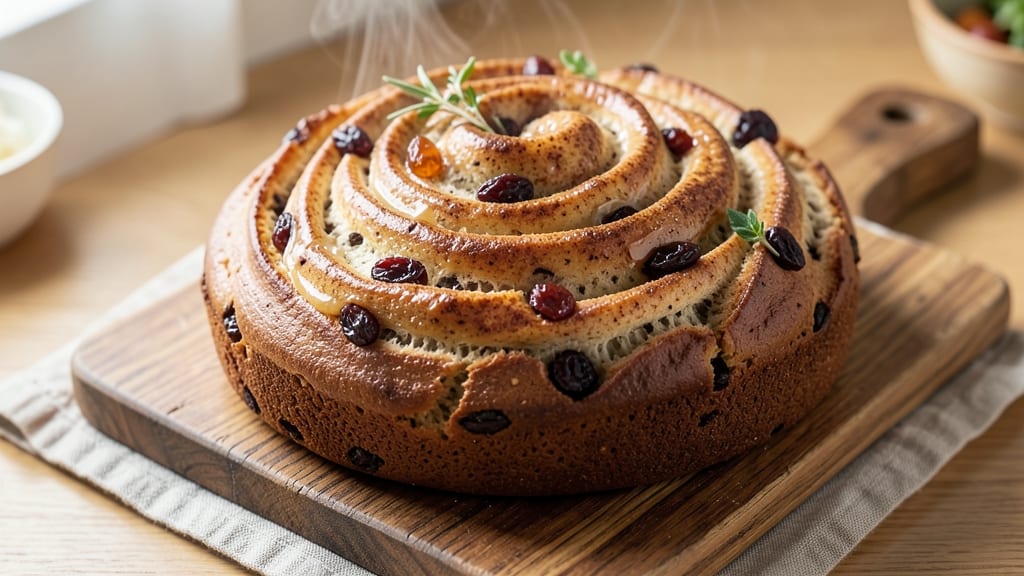
This artisan cinnamon raisin bread recipe delivers the perfect balance of warm spices and sweet fruit swirls in every slice—just like your favorite bakery. 🌟 The secret lies in a well-hydrated dough with a touch of honey for depth, paired with a rich cinnamon-sugar filling that caramelizes beautifully during baking.
I’ve perfected this recipe over years of testing, ensuring a tender crumb, crisp edges, and that signature pull-apart texture.
The process combines traditional techniques with modern convenience: a slow fermentation (or overnight cold proof) develops deep flavor, while a simple lamination method creates those coveted flaky layers. No special equipment is needed—just patience and attention to detail.
The aroma alone will fill your kitchen with warmth, making it impossible to resist slicing into the loaf as soon as it emerges from the oven.
What you’ll end up with is a golden-brown loaf with a crackly crust and a soft, moist interior studded with plump raisins and fragrant cinnamon. The filling stays gooey and aromatic, not overly sweet, and the bread holds its shape beautifully for serving.
Whether you’re baking for a holiday breakfast or a cozy weeknight treat, this recipe delivers restaurant-quality results at home.
For extra shine, brush the baked loaf with a simple egg wash or honey glaze—though the bread is delicious as-is. This recipe is designed to impress, so let’s get started on creating your perfect loaf.
Ingredients for artisan cinnamon raisin bread
Eight simple ingredients transform into a bakery-style loaf with golden crust and gooey cinnamon swirls.
| Ingredient | Amount | Notes |
|---|---|---|
| All-Purpose Flour 🌾 | 5 cups | Sifted for light texture |
| Granulated Sugar 🍚 | ¼ cup | Light brown preferred |
| Instant Yeast 🍞 | 2 ¼ tsp | Single-use packet works |
| Salt 🧂 | 1 ½ tsp | Diamond Crystal preferred |
| Unsalted Butter 🧈 | ½ cup | Cold, cubed for dough |
| Whole Milk 🥛 | 1 cup | Room temperature preferred |
| Large Eggs 🥚 | 1 whole | Room temperature for best mixing |
| Honey 🍯 | ¼ cup | Wildflower preferred |
| Golden Raisins 🍇 | 1 ½ cups | Plump, no stems |
| Ground Cinnamon 🌿 | 2 tbsp | Freshly ground preferred |
| Light Brown Sugar 🍚 | ½ cup | Packed for filling |
| Vanilla Extract 🌸 | 1 tsp | Pure extract preferred |
| Cornmeal 🌽 | ¼ cup | For dusting loaf pan |
The flour is your foundation—King Arthur or Gold Medal work best for that tender crumb. Bulk bins at Whole Foods often have fresher flour than packaged bags, but check the date. The raisins? Sun-Maid or Trader Joe's are my go-tos—they're plump and hold up well during baking. For the cinnamon, McCormick or Penzeys ground varieties add the most warmth, but if you're using sticks, toast them first for deeper flavor. The butter should be cold when you start—this keeps the dough manageable during lamination.
No whole milk? Warm water plus a splash of vanilla works in a pinch, but the fat content makes a difference. Short on raisins? Chopped dried apricots or dates add a nice twist. The filling can be made ahead and chilled for up to 2 days—just bring it to room temp before rolling. For extra shine, brush the baked loaf with egg wash or melted butter. The honey? Wildflower or clover varieties have the best balance of sweetness and depth. If you can't find Diamond Crystal salt, Morton kosher works but use slightly less—it's coarser.
This dough is best made the night before for maximum flavor—cold proof in the fridge overnight develops deeper taste. The raisins absorb moisture, so don't soak them. For storage, wrap the cooled loaf in parchment paper and keep at room temp for 2 days, or freeze for 3 months. To reheat, wrap in foil and warm at 300°F for 10 minutes. The filling stays gooey even after freezing, so don't worry about overdoing it—just portion it generously.
Why You'll Love This Recipe
- No-Knead Magic: I swear by this dough—just mix, let it rise, and bake. The butter and sugar melt into that warm loaf while I’m scrolling or watching a show. No stand mixer, no fuss, just perfect texture every time.
- Warm Spice Hug: That first bite? Pure cinnamon-sugar bliss—soft, pillowy crumb with chewy raisin pockets. The butter caramelizes just enough to make it taste like a bakery’s secret, not my kitchen.
- Breakfast to Dessert: Toast it for breakfast with jam, slice it for lunch with cheese, or serve it cold with whipped cream. Honestly, I’ve even used it as a base for French toast. This bread earns its keep.
- Budget Bakery Trick: A single loaf costs pennies but feels like a treat. The yeast and butter stretch far, and leftovers last days—no sad, dry bread here. My wallet and my taste buds win.
Step-by-step instructions for artisan cinnamon raisin bread
Here's how to create a tender loaf with gooey raisin pockets and warm cinnamon aroma.
👨🍳 Step 1: Mix the Dough with Honey and Yeast
In a large mixing bowl, combine the 5 cups all-purpose flour, 1.5 tsp salt, and 2.25 tsp instant yeast. Make a well in the center and add the 0.5 cup cold cubed butter, 1 cup room-temperature whole milk, 1 whole large egg, 0.25 cup honey, and 1 tsp vanilla extract. This is where the magic starts—your dough needs to be just moist enough to hold together without being sticky.
Using a wooden spoon or dough whisk, mix until everything comes together into a shaggy mass. The dough will look messy at first, but that's normal. Once combined, turn it out onto a lightly floured surface and knead for 8-10 minutes until smooth and elastic. You'll know it's ready when it springs back slowly when poked. If it sticks to your fingers, add a little more flour—just enough to make it workable.
🍳 Step 2: Prepare the Cinnamon Raisin Filling
While the dough rests, make the filling by combining 1.5 cups golden raisins, 0.5 cup packed light brown sugar, and 2 tbsp ground cinnamon in a small bowl. The raisins should be plump and moist—if they're dry, soak them in warm water for 5 minutes and drain well before mixing. This filling will create those irresistible pockets of sweetness when baked.
I like to press the mixture gently with my fingers to distribute the cinnamon evenly through the raisins. The sugar will start to dissolve slightly from the raisins' natural moisture, creating a thick paste that will stick beautifully to the dough later. Set this aside until the dough has doubled in size.
🥘 Step 3: Shape and Swirl the Dough
Once your dough has risen to nearly double in size (about 1 hour at room temperature), gently deflate it by pressing down with your fingers. Roll it out on a lightly floured surface into a 12x18-inch rectangle about ¼-inch thick. This is where the fun part begins—spreading the cinnamon raisin filling evenly over the dough, leaving a ½-inch border around the edges.
Starting from the long side, roll the dough tightly into a log, sealing the edge well. Here's the thing—don't worry if it looks messy. The filling might ooze out slightly, but that's what makes this bread so special. Place the log seam-side down in a 9x5-inch loaf pan that's been lightly greased and dusted with 0.25 cup cornmeal for easy removal.
🔥 Step 4: Rise and Bake to Golden Perfection
Let the dough rise again for 30-45 minutes until it's puffy and reaches the top of the pan. Preheat your oven to 375°F while the bread rises—this ensures even baking from the start. The second rise is crucial for that light, airy texture we're after.
Bake for 30-35 minutes until the bread is deep golden brown and sounds hollow when tapped on the bottom. Here's where patience pays off—don't open the oven door early or the bread might sink. If the top browns too quickly, tent it loosely with aluminum foil after 20 minutes to prevent over-browning while the center finishes baking.
⏰ Step 5: Cool and Slice for Maximum Joy
Remove the bread from the pan immediately and place it on a wire rack to cool completely. This is the hardest part—waiting! But resisting the urge to slice into warm bread is worth it. The bread will firm up as it cools, making those perfect slices that reveal the gooey raisin pockets inside.
Once completely cool, slice into 8 equal pieces—each one should have that perfect balance of tender crumb, sweet raisins, and warm cinnamon aroma. The crust should be crisp but not hard, and the interior should be soft with just the right amount of chew. Serve warm with butter or jam for the ultimate comfort experience.
Pro Tips For Making Artisan Cinnamon Raisin Bread
- Weigh Your Butter: I learned this the hard way—packing butter into a measuring cup leaves air pockets, so you’re actually using less than you think. For this recipe, use a kitchen scale for ½ cup (1 stick) unsalted butter. The extra fat makes the bread richer, but only if you’re measuring it right.
- Soften Butter Properly: Room-temperature butter blends into dough smoothly, but don’t overdo it—it should be soft enough to press with a finger but not greasy. If it’s too warm, the yeast will activate too fast and throw off your rise time. Stick it in the fridge for 10 minutes if it’s melting in your hands.
- Skip Overmixing the Dough: After adding the yeast mixture, stop mixing the second the flour is fully incorporated—usually around 30 seconds. Overworking the gluten will give you a tough, dense loaf instead of the tender, pillowy texture this bread deserves. Your future self will thank you.
- Proof at 75°F: If your kitchen’s colder than 70°F, proof the dough in a slightly warm spot—like the oven with the light on—to guarantee a consistent rise. Too cold, and your bread will take hours; too hot, and it’ll rise too fast and collapse. Aim for 1.5 to 2 hours until it’s puffy and springy. (Yes, even if you’re impatient like me.)
Wine and beer pairings for this dish
Warm Spice Wines
For this cinnamon-heavy bread, I reach for dry Riesling—its bright acidity and honeyed notes complement the warm spices beautifully. A 2019 Dr. Loosen Blue Slate from Germany has that perfect balance of sweetness and tartness that cuts through the richness.
If you prefer something lighter, Sauvignon Blanc with citrus undertones works wonderfully too. 🍷
For a more robust pairing, try Gewürztraminer—its lychee and spice notes mirror the cinnamon and raisins in the bread. I love a 2020 Domaine Weinbach Gewürztraminer from Alsace, which adds an exotic touch that elevates the dish. Chill your wine to 45-50°F before serving to enhance its crispness.
Spiced Beer Pairings
A wheat beer with a hint of spice is my go-to choice. Allagash White, a Belgian-style wheat beer with coriander and orange peel, pairs perfectly with the cinnamon and raisins. The effervescence cleanses your palate between bites, making each slice taste even more vibrant. 🍺
For a darker option, spiced ale like Samuel Smith’s Nut Brown Ale adds depth with its caramel and nutty undertones. The malt sweetness harmonizes with the bread’s brown sugar filling, while the subtle spice notes echo the cinnamon. Serve both beers slightly chilled at 50-55°F for the best experience.
Coffee and Tea Complements
If you’re serving this bread for breakfast or brunch, a light roast coffee with notes of caramel and chocolate enhances the cinnamon flavors. I recommend a Colombian medium roast or a Sumatra mandheling for a bolder, earthier contrast.
The acidity in the coffee balances the sweetness of the raisins beautifully. ☕
For tea lovers, Earl Grey with its bergamot and black tea notes creates a sophisticated pairing. The citrusy bergamot complements the cinnamon, while the tannins in the tea help cut through the richness.
Brew a fresh pot and serve it warm alongside slices of this bread for a cozy, comforting experience.
Seasonal Adaptations
In fall and winter, when spices are at their peak, I lean toward dry Riesling or spiced ale to match the season’s warmth. The cooler temperatures also make these pairings even more refreshing.
For spring and summer, a crisp Sauvignon Blanc or wheat beer keeps the experience light and refreshing. 🍂
If you’re serving this bread at a holiday gathering, consider a mulled wine or spiced cider for a festive touch. The warmth of the spices in the drink mirrors the cinnamon in the bread, creating a cohesive and inviting experience.
Just be sure to serve these warm beverages alongside the bread to enhance the flavors.
Nutrition facts
Frequently asked questions
Can I substitute regular raisins for golden raisins?
Regular raisins work just fine—they're slightly chewier and darker, which adds a nice contrast to the bread's texture. For best results, soak them in warm water for 5 minutes before using to plump them up. The golden raisins in the original recipe are just a personal preference for their sweeter, softer texture.
Why does my cinnamon raisin bread turn out dense instead of light?
Dense bread usually means the dough didn't rise enough or was over-kneaded. Make sure your yeast is fresh (test it in warm water first) and your oven is properly calibrated. Also, don't skip the second rise—it's crucial for that airy texture. If your kitchen is cold, place the dough in a warm spot (like near the oven with the light on) to help it rise properly.
How can I make this bread ahead of time?
This recipe is perfect for making ahead! Shape the loaf the night before and refrigerate it overnight. The cold slow fermentation actually enhances the flavor. When ready to bake, let it sit at room temperature for 1-2 hours before baking. For storage, wrap the cooled loaf in plastic wrap and keep at room temperature for 3 days, or freeze for up to 3 months.
Can I add nuts to this recipe?
Yes! Chopped walnuts or pecans add wonderful crunch and depth of flavor. Fold them into the dough along with the raisins, or sprinkle them on top before baking. Use about ½ cup total, and toast them lightly first to enhance their flavor. Just be aware they'll make the bread slightly denser.
What's the best way to reheat sliced bread?
For maximum freshness, wrap slices in foil and warm at 300°F for 5-7 minutes. This keeps the crust crisp while gently warming the interior. You can also toast slices in a toaster oven or under a broiler for just 1-2 minutes—watch closely to avoid burning. Never microwave, as it makes the bread rubbery.