
Snacks
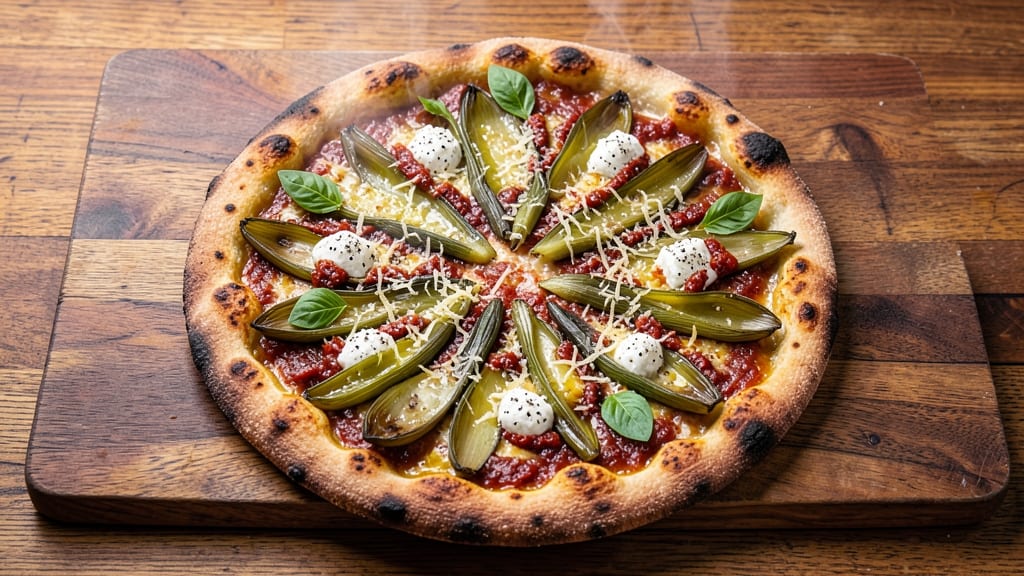
This artichoke flatbread pizza delivers crispy edges and a herby, tender center that rivals any wood-fired pizzeria. The secret lies in a thin, crackly crust that perfectly balances the briny artichoke hearts and tangy sauce—no soggy bottoms here.
I developed this recipe after years of testing flatbread techniques, and the difference between a good pizza and a great one often comes down to the crust.
The foundation starts with a simple dough that transforms into a crispy, airy base when baked. While traditional recipes call for hours of rising, this version uses a quick-rise method with olive oil and yeast for that signature texture.
The artichoke hearts—whether marinated or roasted—add a luxurious depth that elevates this beyond basic flatbread. I recommend using high-quality hearts for that signature briny, slightly bitter bite that pairs perfectly with the crust.
What sets this recipe apart is the balance of textures: the crispy edges give way to a tender interior, while the artichoke hearts stay juicy and flavorful.
Topped with a light sauce (tomato or garlic-herb) and a sprinkle of cheese (optional for a vegetarian twist), every bite delivers a harmonious mix of savory, herby, and slightly tangy notes. The result is a pizza that’s as impressive to serve as it is to eat.
Perfect for weeknight dinners or entertaining, this recipe scales easily for crowds. The dough can be prepped ahead, and the toppings assembled just before baking—ideal for a stress-free, restaurant-quality meal. Let’s get started on creating your perfect slice.
Ingredients for artichoke flatbread pizza
Crafting this artichoke flatbread pizza starts with a crispy, airy crust and briny artichoke hearts for depth.
| Ingredient | Amount | Notes |
|---|---|---|
| All-Purpose Flour 🌾 | 2 ½ cups | Spooned and leveled for accuracy |
| Active Dry Yeast 🍞 | ¼ tsp | Ensure freshness with expiration check |
| Granulated Sugar 🍚 | 1 tbsp | Enhances yeast activation |
| Extra-Virgin Olive Oil 🫒 | ¾ cup | High-quality for optimal flavor |
| Warm Water 💧 | 1 cup | 110°F for ideal yeast activation |
| Marinated Artichoke Hearts 🍃 | 1 cup | Drained and chopped for texture |
| Garlic Cloves 🧄 | 4 cloves | Minced for aromatic depth |
| Fresh Basil Leaves 🌿 | ½ cup | Chopped for herby infusion |
| Salt 🧂 | 1 ½ tsp | Diamond Crystal preferred |
| Black Pepper 🌶️ | ½ tsp | Freshly ground for brightness |
| Tomato Paste 🍅 | ¼ cup | Concentrated for rich flavor |
| Shredded Mozzarella Cheese 🧀 | 1 ½ cups | Part-skim for balance of flavor |
| Grated Parmesan Cheese 🧀 | ¼ cup | Freshly grated for intensity |
| Cornmeal 🌽 | ¼ cup | For dusting and crispy crust |
The flour forms the foundation of your crispy crust, so King Arthur or Caputo Tipo 00 are ideal choices for that signature texture. If you're using all-purpose, sift it first to avoid lumps—this ensures a light, airy dough. The yeast should be fresh, so check the expiration date; Bragg or Red Star are reliable brands. For the artichoke hearts, Whole Foods or Trader Joe's carry high-quality marinated hearts that add that luxurious brininess—avoid the water-packed varieties, as they lack flavor. Fresh basil is non-negotiable here; grow your own or buy from a local market for the brightest flavor. The olive oil should be extra-virgin, like California Olive Ranch, to complement the artichokes' natural richness.
No marinated artichoke hearts? Roast your own—halve a jar of artichoke bottoms, drizzle with olive oil, and roast at 400°F for 20 minutes. Short on basil? Dried basil at one-third the amount works in a pinch, though fresh is ideal. The tomato paste can be swapped for sun-dried tomato pesto if you prefer a more intense flavor. For cheese, low-moisture mozzarella prevents sogginess, but fresh mozzarella adds creaminess if you're willing to bake briefly. The cornmeal is key for that crispy crust—don't skip it, even if you're not using a pizza stone.
The dough can be prepped up to 24 hours ahead and stored in the fridge, covered. Let it sit at room temperature for 30 minutes before rolling to improve elasticity. Artichoke hearts keep for 5 days in the fridge once opened, but fresh basil should be used within 3 days for peak flavor. For the cheese, pre-shredded mozzarella contains anti-caking agents that prevent melting properly, so grate your own from a block. The finished pizza reheats beautifully in a 400°F oven for 5-7 minutes to restore crispiness.
Why You'll Love This Recipe
- No-Yeast Nightmare: Honestly, I used to dread yeast—measuring, waiting, proofing—but this dough comes together in 10 minutes with just flour, yeast, sugar, oil, and warm water. No fancy ratios, no second rise, just mix, let it puff, and roll. That’s real convenience.
- Crispy-Creamy Magic: The flatbread’s edge gets golden and shatterable while the center stays soft—like a cross between focaccia and pizza crust. Top it with artichokes, and you’ve got that perfect bite: salty, herby, with a briny pop from the hearts. Ridiculously good.
- Weeknight Superstar: Between us, this is my go-to when I’m too tired for takeout but still want something feels special. Double the dough, freeze half, and boom—next Tuesday’s dinner is sorted. (Yes, even on a Tuesday night.)
- Budget Crust Hack: I spend half as much on ingredients as I do on store-bought pizza dough. The olive oil adds richness without breaking the bank, and the artichokes stretch further than you’d think. Leftovers? Reheat slices in the oven, and they taste like you just baked them.
Step-by-step instructions for artichoke flatbread pizza
Here's the professional method for achieving that signature crispy crust while infusing every bite with artichoke heart essence.
Activate the Yeast and Prepare the Dough
In a large mixing bowl, combine the 1 cup warm water (110°F) with the 1 tbsp granulated sugar and 0.25 tsp active dry yeast. Let this sit for 5 minutes until you see frothy bubbles forming on the surface—this confirms your yeast is alive and ready to work. Here's the thing: if you don't see bubbles, your yeast is either old or the water wasn't warm enough. In that case, start fresh with new yeast.
Once activated, add the 2.5 cups all-purpose flour and 1.5 tsp salt to the bowl. Using a wooden spoon, gently mix until a shaggy dough begins to form. Then add the 0.75 cup extra-virgin olive oil and continue mixing until everything comes together. The dough should be soft but not sticky—if it's too wet, add 1-2 tablespoons more flour. Transfer the dough to a lightly floured surface and knead for 5-7 minutes until smooth and elastic. This kneading develops gluten, which gives your flatbread that signature crispy texture.
Incorporate the Artichoke and Herbs
While the dough rests, prepare your artichoke mixture in a separate bowl. Drain and thoroughly chop the 1 cup marinated artichoke hearts, then add them to the bowl. Finely mince the 4 cloves garlic and add those, followed by the 0.5 cup chopped fresh basil leaves, 0.25 cup tomato paste, 0.5 tsp black pepper, and an additional 0.5 tsp salt. Mix well to combine all ingredients. This herby artichoke blend will become the soul of your pizza—don't skip the chopping step, as finely textured artichokes distribute flavor more evenly.
Now, divide your dough into 4 equal portions (about 8 ounces each). On a floured surface, roll each portion into a 12-inch round, keeping the edges slightly thicker than the center. This creates the perfect balance between crispy crust and tender interior. Real talk: if your dough springs back too much when rolling, let it rest 10 more minutes before attempting again.
Assemble and Pre-Bake the Flatbreads
Preheat your oven to 425°F with a pizza stone or baking sheet inside—this ensures even heat distribution. Lightly dust a work surface with 0.25 cup cornmeal (this prevents sticking and adds extra crunch). Spread about ¼ of the artichoke mixture evenly over each rolled-out dough round, leaving a ½-inch border around the edges. This border will create that coveted crispy crust.
Sprinkle each flatbread with ¼ of the shredded mozzarella cheese and 1 tablespoon grated parmesan cheese, then transfer to your preheated baking surface. Bake for 10-12 minutes until the edges are deep golden brown and the cheese has melted completely. Here's where it gets critical: don't overcrowd your oven—bake one at a time if needed. The residual heat from previous flatbreads can cause uneven cooking.
Finish with Extra Cheese and Serve Immediately
Remove each flatbread from the oven and immediately sprinkle with additional shredded mozzarella cheese and grated parmesan cheese—this creates that signature gooey, melted cheese finish. Return to the oven for 2-3 minutes just to melt the additional cheese. The flatbread should be crispy at the edges with a slightly chewy center that yields to gentle pressure.
Serve immediately while still warm—this pizza doesn't wait. The artichoke mixture should be visible through the melted cheese, and each bite should deliver a perfect balance of crispy crust, herby artichoke essence, and creamy melted cheese. For maximum flavor impact, serve with a side of garlic-infused olive oil for dipping. The cornmeal dusting you used earlier adds an extra layer of texture that elevates this dish from ordinary to exceptional.
Pro Tips For Making Artichoke Flatbread Pizza
- Dissolve the Yeast First: I learned this the hard way—dumping yeast straight into flour and water without dissolving it first leads to uneven rising. Mix the yeast, sugar, and warm water (about 110°F) in a separate bowl first, then let it sit for 5 minutes until frothy before combining with flour. This guarantees your dough starts active, not sluggish.
- Use Olive Oil Generously: Skip the measuring cup—your flatbread’s crispy edge depends on it. Brush the dough with at least 1 tablespoon of extra-virgin olive oil before rolling, and drizzle another ½ tablespoon on the baking surface or pizza stone. The extra fat isn’t just flavor; it’s what makes the crust caramelize properly.
- Preheat the Pan or Stone: Cold metal = sad pizza. Whether you’re using a cast-iron skillet or pizza stone, preheat it for at least 10 minutes at max temperature (500°F or higher if your oven allows). The dough needs a screaming-hot surface to blister and crisp in the first 2 minutes—no exceptions.
- Press the Artichokes Dry: Fresh artichoke hearts? Pat them thoroughly with a paper towel before slicing or chopping. The residual moisture turns your flatbread into a soggy mess. If using jarred hearts, drain and rinse them first—even the "drained" ones hide enough liquid to ruin your crust.
Essential equipment for perfect results
Pizza Stone Essentials
For that signature crispy crust, a pizza stone is non-negotiable. I swear by the Ooni Pizza Stone—it mimics wood-fired ovens by distributing heat evenly. If you're on a budget, the Stone Oven Pizza Stone works wonders too.
Preheat your stone for at least 30 minutes before baking to ensure even heat transfer. Without a stone, use a heavy baking sheet as a second-best option, but expect slightly less crispiness. 🌡️
Rolling Tools Matter
A rolling pin with a textured surface (like the OXO Good Grips) helps create those signature dimples in your flatbread. For extra crispy edges, I roll the dough slightly thicker at the perimeter before adding toppings.
If you don’t have a textured pin, a wooden pin works fine—just press firmly to create natural texture. Avoid glass pins, as they can tear delicate dough.
Cornmeal for Crispy Texture
That ¼ cup cornmeal isn’t just for dusting—it’s your secret weapon for a crispy, golden crust. Spread it generously on your work surface and the pizza peel before transferring dough.
The cornmeal caramelizes during baking, adding an extra layer of crunch. For even more texture, try semolina flour instead—it toasts beautifully for a nutty flavor. 🌽
Cheese Melters and Graters
Skip pre-shredded cheese—it contains anti-caking agents that prevent proper melting. Instead, grate your own low-moisture mozzarella and Parmesan using a box grater or microplane for fine, even shreds. For extra gooeyness, I recommend Whole Foods’ fresh mozzarella or Sargento Natural Cheese.
A mandoline with a cheese attachment works too, but be cautious with thin slices—they burn faster.
Heat-Resistant Tools
Use heat-resistant silicone spatulas (like OXO’s) to transfer your flatbreads from peel to stone without tearing. For rolling, a lightweight dough scraper helps gather dough edges neatly. Avoid metal tools when the dough is hot—they can burn your fingers.
I keep a silicon-lined pizza peel handy to prevent sticking, especially when working with wet toppings like artichoke hearts.
Oven Thermometer Check
Ovens lie—always use an oven thermometer (I love the Thermoworks Oven Thermometer) to confirm your 425°F setting. A 10°F discrepancy can mean the difference between a perfect crust and a soggy mess.
If your oven runs hot, reduce the temperature to 400°F for even baking. Pro tip: Place the thermometer near the stone or baking sheet for the most accurate reading. 🔥
Nutrition facts
Frequently asked questions
Can I make this artichoke flatbread pizza gluten-free?
Use a 1:1 gluten-free flour blend like Bob's Red Mill or King Arthur's, and add 1 extra tablespoon of xanthan gum per cup of flour to mimic gluten's structure. Let the dough rest 20 minutes longer before rolling, as gluten-free dough is more delicate. The texture will be slightly different but still crispy at the edges.
How do I prevent a soggy crust with all these toppings?
Pre-bake your flatbreads for 5-6 minutes before adding cheese and artichokes. This creates a sturdy base that won't absorb moisture. Also, pat artichoke hearts very dry with paper towels before chopping, and use low-moisture mozzarella—it melts beautifully without making the crust soggy.
Can I use fresh artichokes instead of marinated hearts?
Yes! Trim and quarter 2 large fresh artichokes, then steam for 20 minutes until tender. Remove the choke, chop the flesh, and sauté with olive oil, garlic, and lemon zest for 5 minutes before mixing with basil and tomato paste. Fresh artichokes add a brighter, slightly earthier flavor than marinated ones.
What's the best way to reheat leftovers?
Place slices on a baking sheet and warm at 375°F for 5-7 minutes until crispy again. For extra crunch, broil for 30 seconds at the end. Never microwave—it turns the crust rubbery. Store leftovers in an airtight container with parchment between slices to maintain crispness for up to 3 days.
How can I make this vegetarian without cheese?
Swap cheese for white beans mashed with garlic, lemon juice, and olive oil, or use vegan mozzarella (like Miyoko's). For extra protein, add roasted chickpeas or a sprinkle of hemp seeds before baking. The artichoke mixture already provides plenty of umami flavor to carry the dish.