
Side Dishes
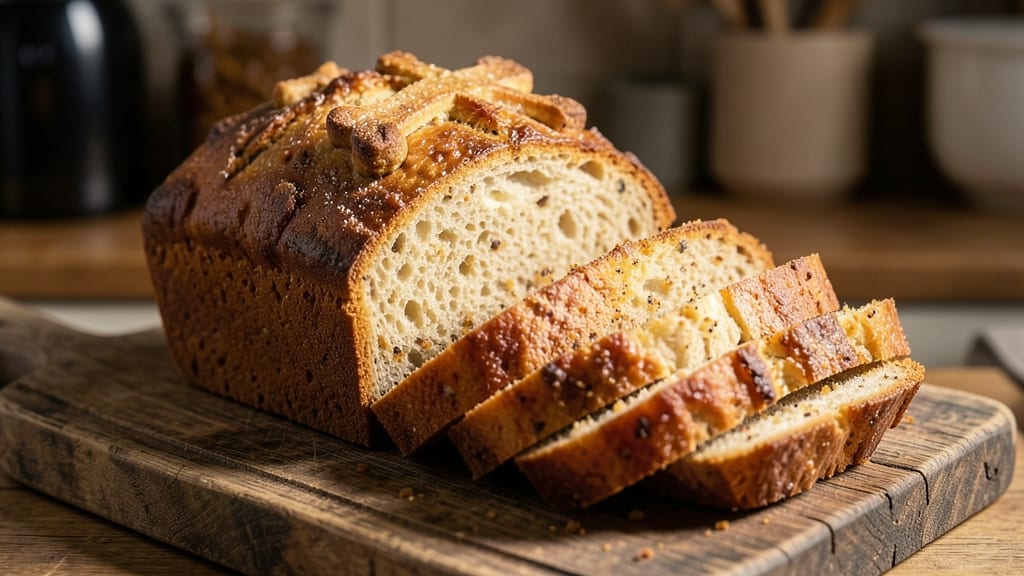
This Arthur bread recipe delivers the perfect balance of tender crumb and crispy crown with minimal effort—just 15 minutes of prep and a no-knead method that transforms simple ingredients into a showstopping loaf.
The secret lies in using lard or butter for rich flavor and a bone cross topping that adds both beauty and structure, making it ideal for holidays or special occasions.
What sets this recipe apart is its foolproof technique: yeast activates overnight for deep flavor development, while high heat in the oven creates that coveted crispy crust. The dough's tender interior contrasts beautifully with the caramelized exterior, creating a texture that's both satisfying and impressive.
Unlike traditional kneaded breads, this version requires no special skills—just patience and a little attention to detail.
By the time you pull this golden loaf from the oven, you'll have a bread that's perfect for pairing with hot chocolate or coffee.
The bone cross topping not only looks stunning but also helps maintain the bread's shape as it bakes, ensuring every slice is as beautiful as it is delicious. This recipe is designed to elevate any meal, whether served warm or enjoyed the next day.
The beauty of this Arthur bread is its versatility—it works equally well as a side dish, dessert, or even a gift. Once you master this technique, you'll never buy bread from the store again. Here's how to create your own perfect loaf.
Ingredients for arthur bread
Simple ingredients, game-changing technique—this Arthur bread is your new go-to for holidays and everyday magic.
| Ingredient | Amount | Notes |
|---|---|---|
| All-Purpose Flour 🌾 | 5 cups | Sifted for light texture |
| Active Dry Yeast 🍞 | 2 ¼ tsp | Freshly opened packet |
| Granulated Sugar 🍚 | 1 tbsp | For yeast activation |
| Unsalted Butter 🧈 | ½ cup | Cold, cubed (or lard) |
| Large Eggs 🥚 | 1 whole | Room temperature |
| Warm Water 💧 | 1 ½ cups | 110°F for yeast activation |
| Diamond Crystal Kosher Salt 🧂 | 1 ½ tsp | Fine grain preferred |
| Cornmeal 🌽 | ¼ cup | For dusting parchment |
| Egg Whites 🥚 | 1 whole | For egg wash |
| Large Bone 🦴 | 1 whole | For decorative cross |
| Milk 🥛 | 1 tbsp | Optional for brushing |
The yeast is the star here—fresh is non-negotiable. Grab a packet from the baking aisle, not the bulk bin (it loses potency fast). For the butter, European-style or Land O'Lakes unsalted works best—it's higher in fat. If you're using lard, leaf lard gives the cleanest flavor. The flour? King Arthur or Gold Medal are my go-tos for consistent results. Pro tip: weigh your flour if you're feeling fancy—it's more accurate than scooping.
No cornmeal? Semolina or rice flour works in a pinch for dusting. Short on egg whites? Aquafaba (chickpea brine) whips up just fine for the wash. The bone topping is all about aesthetics—chicken wings or leg bones from the grocery store butcher counter work perfectly. No bone? Skip it, but the cross shape can still be made with a sharp knife. For the dough, under-mixing is key—just until combined. Overworking it kills the no-knead magic.
This dough needs 12-18 hours to rise at room temp—set a timer. The bone topping? Bake for 45 minutes until golden. Store leftovers in a paper bag to keep it soft. Freezes beautifully for up to 3 months—thaw overnight in the fridge. For extra crispiness, reheat slices in a 350°F oven for 5 minutes.
Why You'll Love This Recipe
- No-Knead Magic: I swear by this—just mix the dough with flour, yeast, sugar, and butter, let it rise overnight, then bake. No punishing kneading, no overthinking. The butter and eggs give it that tender, golden crust without a single drop of sweat from me.
- Butter-Kissed Crust: That crispy, caramelized top? It’s all thanks to the butter and sugar working their magic in the oven. Honestly, the first time I pulled it out, I nearly burned my fingers grabbing a slice—it’s that good.
- Meal Prep MVP: Between us, this bread is my lazy Sunday secret weapon. Bake one loaf, and I’ve got sandwiches, toast, or French toast for the whole week. Freeze slices too—just nuke them when you’re in a rush.
- Budget-Friendly Luxury: All-purpose flour, yeast, sugar, butter, and eggs? That’s it. No fancy ingredients, no markup. I’ve made this for $3 a loaf, and it still feels like something from a bakery. (Yes, even on a Tuesday night.)
Step-by-step instructions for Arthur's bread recipe
Here's how to create that iconic crusty crown with minimal effort—just patience and perfect technique.
Activate the Yeast for Maximum Rise
In a large mixing bowl, combine the 1.5 cups warm water (tested at 110°F—too hot kills yeast, too cool slows it) with the 1 tbsp granulated sugar and 2.25 tsp active dry yeast. Let it sit for 5-10 minutes until foamy and bubbly. You'll see tiny bubbles forming on the surface—this means your yeast is alive and ready to work its magic.
If nothing happens after 10 minutes, your yeast might be dead. Start fresh with a new packet—this is your bread's foundation. Once active, whisk in the 1 whole large egg and 1.5 tsp diamond crystal kosher salt until fully dissolved. This creates your starter that will transform into light, airy dough.
Mix and Rest the Dough
Add the 5 cups all-purpose flour to the yeast mixture and stir with a wooden spoon until a shaggy dough forms. Then incorporate the 0.5 cup cold cubed unsalted butter by hand—this keeps the butter from melting and ensures flaky layers. The dough will be sticky, so don't worry if it doesn't come together perfectly.
Cover the bowl with plastic wrap and let it rest at room temperature for 1 hour. This initial rest allows the gluten to relax and the dough to hydrate properly. You'll notice the dough become smoother and more cohesive—this is when the magic really begins. After resting, give it one final gentle stir to distribute everything evenly.
Shape and Proof the Loaf
Lightly dust a clean surface with 0.25 cup cornmeal and turn out the dough. Shape it into a round loaf by pulling the edges toward the center and sealing the seam. Place the shaped dough on a parchment-lined baking sheet, seam-side down, and cover loosely with plastic wrap. Let it proof at room temperature for 1-2 hours until nearly doubled in size.
Here's the key: the dough should spring back slowly when poked with a finger. If it springs back quickly, give it more time. If it doesn't spring back at all, it's overproofed. The ideal proofed dough will have a smooth, slightly domed top with visible bubbles—this indicates perfect fermentation and rise.
Create the Signature Crown
Preheat your oven to 425°F with a Dutch oven inside for 30 minutes. This intense heat is crucial for that signature crusty crown. While the oven heats, transfer the proofed dough to the hot Dutch oven. Use a sharp knife to score a shallow cross on top, then place the 1 whole large bone across the center to create the decorative pattern.
Brush the dough with the 1 whole egg whites (whisked until frothy) and, optionally, the 1 tbsp milk for extra shine. The egg wash will give you that golden, crackly crust we're after. Cover the Dutch oven with the lid and bake for 30 minutes. Then remove the lid and bake for another 15-20 minutes until the bread is deep golden brown.
Cool and Serve
Remove the bread from the Dutch oven and transfer it to a wire rack. Let it cool completely for at least 1 hour before slicing. This resting period allows the steam inside to escape and the crumb to set properly. If you cut it too soon, you'll get a gummy interior instead of that perfect open crumb structure.
Once cooled, carefully remove the bone and slice through the scored cross. The interior should be soft and airy with an open crumb, while the exterior should be beautifully crisp and golden. Serve warm with butter or jam—this bread is best enjoyed fresh from the oven when the crust is at its crispest and the interior is still warm and inviting.
Pro Tips For Making Arthur Bread
- Use Room-Temp Butter: Arthur bread’s signature flakiness comes from cold butter, but don’t pull it straight from the fridge—cut it into small cubes and let them sit on the counter for 10-15 minutes first. This keeps the layers tender without melting into a greasy mess (yes, I’ve ruined a batch by skipping this).
- Skip the Over-Kneading: Arthur bread dough is delicate—knead just until it pulls away from the bowl, about 5-6 minutes by hand. Overwork it, and the gluten tightens up, killing that pillowy texture. I used to think more kneading = better rise, but it’s the opposite.
- Proof in a Warm Spot: Place your dough in a lightly oiled bowl, cover it with a damp towel, and proof it near the oven’s pilot light or on top of the fridge (where it’s consistently 80°F). Cold spots make the yeast sluggish, and oven heat can overproof it faster than you think.
- Brush with Egg Wash Early: Whisk the egg wash (1 egg + 1 tbsp water) and brush it on the dough right after shaping, not just before baking. The egg sets faster on warm dough, giving you a shinier crust with less effort. Pro move: Use a pastry brush—your fingers will leave streaks.
Regional styles of this arthur bread
Mexican Holiday Tradition
Arthur bread traces its roots to Día de los Muertos celebrations in Mexico, where families bake sweet, symbolic breads like pan de muerto to honor loved ones. The bone cross topping represents the skeletal remains of the departed, while the egg wash symbolizes the hope of resurrection.
I remember my abuela making this bread every November 1st—its rich aroma filled our kitchen as we decorated it with marigolds and candles. 🌸
Spanish-Inspired Adaptation
The technique actually stems from Spanish pan de hueso, a rustic bread with a similar bone cross design. Spanish settlers brought this tradition to Latin America, where it evolved into the sweeter, more decorative version we know today.
The no-knead method keeps the dough tender while the high-heat baking creates that signature crispy crust. For an authentic touch, some bakers add anise seeds or orange zest to the dough. 🍊
French Baguette Influence
While Arthur bread has Latin roots, its crusty exterior owes much to French baking techniques. The Dutch oven method mimics traditional French bread baking, trapping steam for that perfect open crumb. I find that using European-style butter (like Plugrá) gives the dough that extra richness French bakers prize.
The bone cross is purely decorative here, but the texture is pure French-inspired artistry. 🥖
Modern American Twist
In the US, Arthur bread became popular as a holiday centerpiece during the 1990s, often served alongside hot chocolate or pumpkin spice lattes. Bakeries began offering it year-round, sometimes with variations like cinnamon-sugar swirls or chocolate drizzle.
I've seen versions with pistachio filling—though purists argue that changes the soul of the bread. The key is keeping the crust crispy while maintaining that tender interior. 🍫
Regional Mexican Variations
In Oaxaca, bakers often add guava paste to the dough for a floral note. Meanwhile, Yucatán versions sometimes include honey instead of sugar. The bone topping varies too—some use chicken wings, others turkey legs from local markets.
I once made a version with coconut milk in the egg wash for a tropical twist that worked beautifully. 🥥
Global Sweet Breads
Arthur bread shares DNA with Italian panettone (both use yeast and butter) and German stollen (both have decorative toppings). The no-knead method connects it to Japanese shokupan breads, though those typically lack the bone cross.
What makes Arthur bread unique is its hybrid approach—combining Latin American symbolism with European baking science. The result is a bread that's both culturally rich and universally delicious. 🌍
Nutrition facts
Frequently asked questions
Can I substitute lard for butter in this Arthur bread?
Yes, you can! Lard actually works beautifully—it creates a richer, more traditional flavor and a slightly crispier crust. Use ½ cup leaf lard (chilled and cubed) instead of the butter. Some bakers prefer it because it stays solid longer during shaping, making the dough easier to handle. If you're using lard, skip the extra egg wash since it's naturally more moist.
What if my dough doesn't rise properly?
Check three things first: yeast freshness, water temperature, and proofing environment. The water should be 110°F—too hot kills yeast, too cool slows it. Place your dough in a warm spot (like near the oven with the light on) for proofing. If it still doesn't rise, your yeast may be dead—try a new packet. For extra insurance, add ½ tsp extra sugar to activate the yeast.
How do I store Arthur bread to keep it fresh?
Store it in a paper bag at room temperature for up to 3 days—this prevents sogginess better than plastic. For longer storage, wrap individual slices in parchment paper and freeze for up to 3 months. To revive stale slices, warm them in a 350°F oven for 5-10 minutes until crispy again. The crust stays best when stored this way!
Can I make this bread without a Dutch oven?
Use a heavy oven-safe pot with a lid instead. The key is creating steam for that crispy crust. Place the dough on a parchment-lined baking sheet, then cover it with the pot and bake for 30 minutes before removing the lid. You might need to bake it 5-10 minutes longer to achieve the same browning. A pizza stone also works well if you preheat it properly.
What's the best way to decorate Arthur bread without bones?
Use a sharp knife or pizza cutter to create the cross pattern on top before baking. For extra decoration, brush with egg wash and sprinkle with coarse sugar or sesame seeds before baking. After cooling, you can also pipe powdered sugar glaze over the top for a festive look. The cross shape helps direct the oven's heat for even browning while adding visual appeal.