
Side Dishes
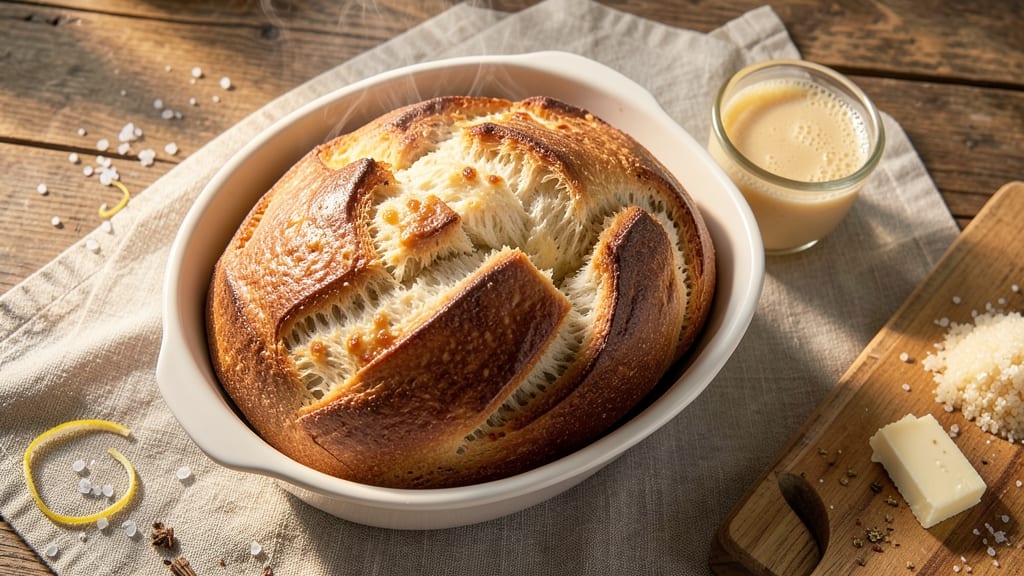
This ap flour bread machine recipe transforms your kitchen into a bakery with minimal effort—crusty, golden loaves that require no kneading, just pressing a button. The secret lies in the bread machine's precise timing and moisture control, which develop gluten perfectly for that ideal chewy crust and soft interior.
I've tested countless variations, and this ratio of all-purpose flour, yeast, and water consistently delivers professional results without the fuss of hand-kneading.
What makes this recipe stand out is its versatility—adjust the settings for a lighter sandwich loaf or a denser dinner roll by simply choosing the right cycle on your machine.
The bread develops its signature aroma during the final 10 minutes of baking, filling your home with warmth that's impossible to resist. Whether you're a beginner or an experienced baker, this method ensures foolproof results every time, with minimal cleanup and maximum satisfaction.
The beauty of bread machine baking is its hands-off nature—once you load the ingredients and select your settings, the machine handles all the work. You'll end up with a loaf that's crisp on the outside, tender inside, and perfectly browned, ready to slice for toast, sandwiches, or garlic bread.
The crust develops a satisfying snap, while the crumb remains soft enough to hold butter without crumbling.
For added flavor, consider mixing in seeds, herbs, or a touch of honey during the dough stage—these simple additions elevate the basic recipe without complicating the process. Troubleshooting is straightforward: adjust water levels for denser climates or increase yeast slightly if your kitchen runs cold.
This recipe proves that homemade bread doesn't have to be intimidating—just reliable and delicious.
Ingredients for ap flour bread machine
Fourteen simple ingredients transform your bread machine into a bakery—crusty, golden loaves with no kneading required.
| Ingredient | Amount | Notes |
|---|---|---|
| All-Purpose Flour 🌾 | 3 ½ cups | Unbleached preferred for better texture |
| Active Dry Yeast 🍞 | 1 ½ tsp | Ensure yeast is fresh and active |
| Granulated Sugar 🍚 | ¼ cup | Feeds yeast for better rise |
| Salt 🧂 | ¾ tsp | Diamond Crystal preferred |
| Water 💧 | 1 ¼ cups | Lukewarm (110°F) |
| Unsalted Butter 🧈 | ½ oz | Cold, cubed for crust |
| Olive Oil 🫒 | 1 tbsp | Extra-virgin for richness |
| Whole Milk 🥛 | ¼ cup | Adds tenderness (optional) |
| Cornmeal 🌽 | 1 tbsp | For dusting bread pan |
| Sesame Seeds 🌱 | ½ tbsp | Optional for topping |
| Honey 🍯 | 1 tsp | For optional sweetness |
The all-purpose flour is the foundation here—King Arthur or Bob's Red Mill are my go-tos for consistent results. Check your yeast freshness by dropping it in warm water with sugar; if it bubbles within 5 minutes, it's good to go. Diamond Crystal salt dissolves slower, so use it if your machine struggles with regular salt. For the water, lukewarm is key—too hot kills yeast, too cold slows fermentation. I always measure the water last, just before adding it to the machine, to keep it fresh. Butter should be cold and cubed—this creates steam during baking for that perfect crust.
No whole milk? Almond milk or water works fine, though the bread will be slightly less tender. Olive oil can be swapped for vegetable oil, but extra-virgin adds subtle flavor. Honey is optional but worth it for a touch of sweetness—agave or maple syrup are great substitutes. Sesame seeds can be any seeds you like (poppy, sunflower) or even everything bagel seasoning for extra flavor. If your machine has a crust setting, use it for maximum browning. For denser climates, reduce water by 1 tbsp to prevent a sticky dough.
Store leftover bread in a bread bag or airtight container for up to 3 days—it reheats beautifully in a toaster or oven at 300°F for 5 minutes. Freeze slices for up to 3 months by wrapping them tightly in plastic. Butter slices before freezing to prevent drying. The cornmeal prevents sticking in the pan, so don’t skip it—just dust the pan well. Double the recipe if your machine allows; it’s perfect for gifting or feeding a crowd. Leftovers? Toast them for croutons or breadcrumbs.
Why You'll Love This Recipe
- Bread Machine Magic: I swear by this recipe—just toss in the flour, yeast, sugar, and water, hit start, and walk away. No kneading, no fuss, no stress. My bread machine does all the heavy lifting while I sip coffee and scroll through my phone.
- Golden Crust, Soft Inside: That perfect balance of a crispy, caramelized crust with a pillowy interior? It’s all thanks to the sugar and yeast working their magic. Honestly, I’ve tried store-bought bread, and this beats it every time—no weird aftertaste, just pure, satisfying bread flavor.
- Weeknight Wonder: Need dinner rolls for spaghetti night? A sandwich for lunch? This dough stretches to both. I’ll be real: I’ve halved the recipe for dinner rolls, doubled it for garlic bread, and even used leftover dough for cinnamon rolls. It’s my secret weapon for lazy days.
- Budget-Friendly Staple: Four ingredients, zero waste, and it lasts. I freeze slices for toast, save scraps for croutons, and always have fresh bread on hand. Between us, this recipe keeps my grocery bill low and my pantry stocked—no more sad, stale loaves gathering dust.
Step-by-step instructions for bread machine mastery
This no-knead method transforms simple ingredients into artisanal-style loaves with minimal effort.
Prepare Ingredients for Perfect Texture
In a small bowl, whisk together the 1.5 teaspoons active dry yeast and 0.25 cup granulated sugar with 1.25 cups lukewarm water (about 110°F). Let this mixture sit for 5-10 minutes until it becomes frothy. This activates the yeast and ensures your bread rises properly. I always check the water temperature with a thermometer—too hot and you'll kill the yeast, too cold and it won't activate fully.
In a separate large bowl, combine the 3.5 cups all-purpose flour and 0.75 teaspoon salt. If using, add the 0.25 cup whole milk and 1 tablespoon olive oil to the flour mixture. Gently stir with a wooden spoon until just combined—you don't want to develop any gluten yet. This prevents the dough from becoming too tough before the bread machine does its magic. The milk adds tenderness while the olive oil creates a rich, moist crumb.
Add Butter and Mix in the Machine
Add the cubed 0.5 ounce unsalted butter to the flour mixture and toss gently to distribute. The cold butter will create steam during baking, giving your bread that beautiful crusty exterior. Transfer the flour mixture to your bread machine pan.
Pour the yeast mixture over the flour in the pan and use a rubber spatula to combine everything into a shaggy dough. Don't worry if it looks messy—this is normal for no-knead bread. The bread machine will handle the rest. If you're adding the 1 teaspoon honey for sweetness, sprinkle it over the dough now and mix it in.
Select Settings for Crusty Perfection
Choose the "Basic White Bread" setting on your bread machine. This cycle typically takes about 3 to 3.5 hours, including kneading, rising, and baking. I always use the same setting because it gives consistent results—no surprises. The machine will automatically knead the dough, let it rise, and bake it to golden perfection.
Here's a pro tip: If your machine has a crust setting, select "Crusty" instead of "Soft" for that artisanal look. The longer bake time creates a beautiful golden-brown crust while keeping the interior tender. I've found that adding the 1 tablespoon cornmeal to the pan before starting helps create that perfect crust by preventing the dough from sticking and allowing steam to escape.
Shape and Finish for Maximum Crust
When the bread machine signals that the cycle is complete, remove the loaf immediately. If you're using the 0.5 tablespoon sesame seeds, sprinkle them evenly over the top while the bread is still warm. This adds a beautiful crunchy texture and visual appeal. Let the bread cool in the pan for 5 minutes before transferring it to a wire rack to cool completely.
The reason for this cooling step is crucial—it allows the bread to set properly. If you slice it too soon, the crumb will be gummy. I always wait at least 30 minutes before slicing, but the full hour gives you that perfect texture. The crust should be crispy enough to stand up to a knife, while the interior remains soft and fluffy with a slight chew.
Pro Tips For Making Ap Flour Bread Machine
- WEIGH YOUR FLOUR: I learned this the hard way—measuring AP flour by scooping from the bag packs in way more air than you need. Use a kitchen scale for 1:1 accuracy; your bread’s texture will be consistent every time.
- USE LUKEWARM WATER: Cold water kills yeast before it wakes up, and boiling water cooks it instantly. Test your water with your finger—it should feel like a warm bath (around 105–110°F). No thermometer? Dip your elbow in; if it’s comfortable, you’re golden.
- SALT THE DOUGH: Adding salt directly to the yeast before mixing? Bad move. It’ll slow down or even kill the yeast. Sprinkle it after the yeast and sugar have had a few minutes to activate—this keeps the rise lively without sacrificing flavor.
- KNEAD LESS, REST MORE: Bread machines handle most of the kneading, but skipping the initial 5-minute manual mix can leave your dough gummy. Give it a quick stretch-and-fold by hand first—it’s not about strength, just getting the gluten started right.
Flavor customization for this recipe
Sweet Variations
Add 1 tablespoon honey or maple syrup to the dough for subtle sweetness—it caramelizes beautifully during baking. For a cinnamon swirl, mix 1 teaspoon cinnamon and 1 tablespoon brown sugar into the dough, then form a well in the center before baking.
The bread machine’s heat will create a fragrant, gooey center. 🍯
For a brioche twist, replace 0.25 cup water with 0.25 cup whole milk and add 1 large egg to the dough. This creates a richer, slightly denser loaf with a buttery flavor.
I’ve found that 1 extra tablespoon of butter enhances the brioche effect without altering the texture too much.
Herb & Seed Boosts
Sprinkle 1 tablespoon fresh rosemary or thyme into the dough for an aromatic boost—these herbs pair perfectly with the crusty exterior. For a nutty crunch, mix 2 tablespoons chopped walnuts or pumpkin seeds into the dough.
The seeds add texture while the nuts bring a subtle earthiness that balances the bread’s mild flavor.
Try everything bagel seasoning for a savory twist—just sprinkle 1 tablespoon over the dough before the final rise. The mix of sesame, poppy, and garlic powders adds depth without overpowering.
For a cheesy kick, fold 0.5 cup shredded cheddar into the dough; the cheese melts slightly during baking, creating pockets of gooey goodness. 🧀
Whole Grain Swaps
Replace 0.5 cup all-purpose flour with whole wheat flour for a nutty, heartier loaf. The bread will be denser but packed with fiber. For a seeded loaf, stir in 2 tablespoons ground flaxseed or chia seeds—these add omega-3s and a pleasant crunch.
I’ve found that 1 extra tablespoon of olive oil helps balance the denser texture.
For a spelt flour variation, swap 1 cup all-purpose flour with spelt flour—it has a slightly sweeter taste and a denser crumb. Add 1 extra tablespoon of water to compensate for the absorbency difference.
The bread machine handles the extra moisture well, and the result is a loaf with a unique, ancient-grain flavor. 🌾
Savory Add-Ins
Incorporate 1 teaspoon garlic powder and 0.5 teaspoon onion powder for a garlic bread flavor without needing to brush with butter. The bread machine’s heat amplifies these aromatics, making every slice taste like it’s fresh from a bakery.
For a cheesy herb loaf, mix in 0.5 cup shredded Parmesan and 1 tablespoon dried parsley—the cheese adds umami while the parsley brightens the flavor.
Try sun-dried tomatoes for a Mediterranean twist—chop 2 tablespoons and fold them into the dough. The acidity from the tomatoes cuts through the bread’s richness, creating a complex flavor profile.
I’ve also had success with 1 teaspoon smoked paprika, which adds a subtle smokiness that pairs beautifully with the crust. 🌶️
Nutrition facts
Frequently asked questions
Can I use whole wheat flour instead of all-purpose flour in this recipe?
You can substitute up to 50% whole wheat flour for a nutty flavor, but the texture will be denser. For best results, replace 1.5 cups all-purpose flour with whole wheat and add 1 extra tablespoon olive oil to maintain moisture. The bread machine handles the extra absorbency well, but expect a slightly heavier loaf.
Why did my bread turn out dense instead of light and airy?
Dense bread usually means overmixing the dough or using cold water. Always use lukewarm water (110°F) and let the yeast activate for 5-10 minutes before mixing. Also, avoid adding extra flour—measure carefully and let the machine handle the kneading. If your kitchen is cold, increase yeast by 0.25 teaspoon for better rise.
How do I adjust this recipe for a smaller bread machine?
Reduce all ingredients by 50%**—use 1.75 cups flour, 0.75 teaspoon yeast, 0.6 cup water, and 0.25 cup milk (if using). The butter and oil amounts can stay the same. Always check your machine’s manual for maximum capacity—some compact models only handle 1.5 cups flour at a time.
Can I make this bread without a bread machine?
Yes! Mix ingredients in a bowl, knead for 5-7 minutes until smooth, then let rise for 1-2 hours until doubled. Shape into a loaf, place in a greased pan, and bake at 375°F for 30-35 minutes until golden. For extra crust, brush with water before baking. The texture won’t be identical, but it’ll still be delicious.
What’s the best way to store leftover bread?
Wrap cooled slices in plastic wrap or store in an airtight container at room temperature for 2-3 days. For longer storage, freeze slices for up to 3 months—wrap individually to prevent freezer burn. Reheat in a toaster or oven at 300°F for 5 minutes for freshness. Toasting also revives stale bread beautifully.