
Side Dishes
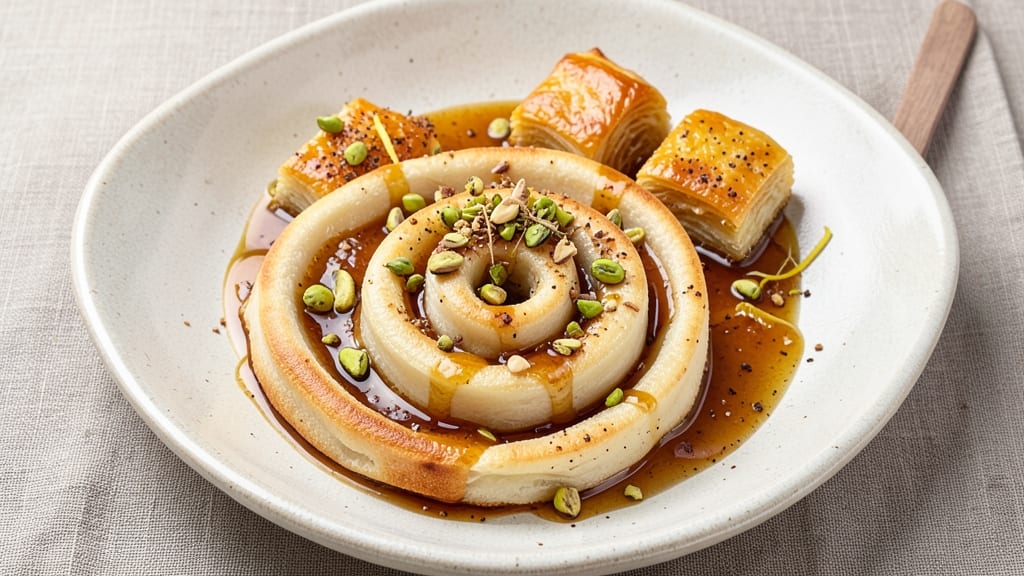
This Armenian sweet bread recipe brings the warm, spiced aroma of cardamom and butter to your table, a tradition that's been baking families together for generations. The secret lies in the delicate balance of flour, sugar, and a touch of cardamom that transforms simple dough into golden, flaky layers—perfect for serving with tea or drizzled with honey. I've perfected this recipe through countless batches, ensuring every bite delivers that signature tender crunch and buttery richness.
The dough begins with a simple mix of flour, sugar, and butter, but it's the cardamom that elevates it into something truly special. This spice isn't just an ingredient—it's the heart of Armenian baking, infusing the bread with a warm, aromatic depth that pairs beautifully with the sweetness.
The shaping technique is where the magic happens: rolling the dough thin and folding it into delicate layers before baking creates those signature crisp edges and soft centers.
What you'll end up with is a batch of golden-brown sweet bread that's crisp on the outside and pillowy inside, with just the right amount of sweetness to satisfy any craving.
The aroma alone will fill your kitchen with warmth, making it impossible to resist pulling a fresh piece from the oven. This bread is more than just a treat—it's a taste of tradition, a way to bring a piece of Armenia's culinary heritage into your home.
Serve it warm with a cup of black tea for the full experience, or drizzle with honey for an extra touch of sweetness. The recipe scales easily, so you can make enough to share with friends or save for later—though I can't promise it will last that long.
Let's get started on creating something truly special.
Ingredients for armenian sweet bread
Simple pantry staples and a pinch of tradition transform into golden, cardamom-kissed swirls.
| Ingredient | Amount | Notes |
|---|---|---|
| All-Purpose Flour 🌾 | 4 cups | Sifted for light texture |
| Unsalted Butter 🧈 | 1 cup | Cold, cubed for flaky layers |
| Granulated Sugar 🍚 | ¾ cup | White or light brown |
| Ground Cardamom 🌿 | 1 tbsp | Freshly ground preferred |
| Large Eggs 🥚 | 2 whole | Room temperature |
| Milk 🥛 | ½ cup | Whole milk for richness |
| Baking Powder 🍞 | 1 tsp | Diamond Crystal preferred |
| Salt 🧂 | ½ tsp | Fine sea salt |
| Vanilla Extract 🌸 | 1 tsp | Pure vanilla preferred |
| Honey 🍯 | ¼ cup | For drizzling after baking |
| Powdered Sugar 🍚 | ¼ cup | For dusting finished bread |
| Lemon Zest 🍋 | 1 tsp | Brightens the flavor |
The cardamom is non-negotiable here—Penzeys or a trusted Middle Eastern market are your best bets for quality. Look for pods that are plump and aromatic, not dusty or stale. If you can't find whole pods, ground cardamom works, but toast the pods first for deeper flavor. The butter should be cold when you cube it—this makes all the difference for those signature flaky layers. European-style butter like Plugrá or Land O'Lakes works perfectly, but avoid margarine. For the flour, King Arthur or Gold Medal brands give the best texture. I always sift mine to avoid dense bread.
No cardamom? Cinnamon at half the amount gives a similar warmth, though it won't be authentic. Running out of vanilla? Almond extract at one-third the amount works in a pinch. The honey can be swapped for maple syrup or agave**, but it won't caramelize the same way. For the lemon zest, use only the outer layer—no white pith. If you're short on powdered sugar, granulated sugar crushed in a food processor does the trick. The milk can be swapped for heavy cream** for extra richness, but whole milk keeps it traditional.
This dough needs to rest at least 2 hours—overnight is even better. Wrap it tightly in plastic wrap and refrigerate. The butter cubes should stay firm but not rock-hard. When baking, rotate the pans halfway for even browning. These keep 3 days at room temperature wrapped in a clean kitchen towel, or 1 week in the fridge. For longer storage, freeze the baked bread wrapped in foil for up to 3 months. Reheat in a 200°F oven for 10 minutes to restore that fresh-from-the-oven warmth.
Why You'll Love This Recipe
- No-Knead Magic: I swear by this dough—just mix, rest, shape. That butter gets folded in like a dream, and the cardamom scent alone makes my kitchen smell like a bakery. Honestly, the hardest part is waiting for it to rise.
- Buttery Cardamom Bliss: The sugar and butter create this melt-in-your-mouth texture, while the cardamom adds warmth that lingers. It’s not overly sweet—just rich, fragrant, and satisfying. (Yes, even on a Tuesday night.)
- Breakfast to Dessert: Serve it warm with jam for breakfast, or let it cool for a sweet snack. My kids grab slices straight from the oven, and my husband saves the leftovers for toast the next morning. It’s that versatile.
- Budget-Friendly Staples: You’re using pantry basics—flour, butter, sugar—so it’s cheap to make. One batch feeds my family for days, and the dough keeps well in the fridge. No wasted ingredients here.
Step-by-step instructions for Armenian sweet bread
Here's how to create those iconic cardamom swirls with a buttery crust—every layer perfect.
Mix the Dough for Light, Fluffy Layers
In a large mixing bowl, combine the 4 cups all-purpose flour, 1 tsp baking powder, 0.5 tsp salt, and 1 tbsp ground cardamom. Whisk until evenly distributed—this ensures the cardamom flavor infuses every bite. In a separate bowl, beat the 2 whole large eggs until smooth, then whisk in the 0.5 cup milk, 1 tsp vanilla extract, and 1 tsp lemon zest. Pour the wet ingredients into the dry and mix just until combined. The dough should come together into a soft, slightly sticky ball.
I like to use a wooden spoon for this step—it helps prevent overmixing, which keeps the bread tender. If the dough feels too dry, add 1-2 tablespoons of milk until it holds together when pressed. Once mixed, turn the dough onto a lightly floured surface and knead gently for 2-3 minutes until smooth. The dough shouldn't be sticky, but it should still feel soft and pliable—this ensures a tender crumb without being gummy.
Incorporate the Butter for Rich, Flaky Layers
Cut the 1 cup cold unsalted butter into small cubes and place them on the dough. Fold the dough over the butter to encase it completely. Using a rolling pin, roll the dough out into a 12x16-inch rectangle—about ¼-inch thick. Fold the dough into thirds like a letter, then rotate it 90 degrees and roll it out again into a rectangle. Repeat this process 2 more times, making sure to keep the dough cold by chilling it in the refrigerator for 10 minutes between each roll if needed.
This layering technique is what creates those signature flaky, buttery layers in Armenian sweet bread. The cold butter stays firm during rolling, preventing it from melting into the dough too soon. Once you've completed the rolling and folding, wrap the dough tightly in plastic wrap and refrigerate for at least 1 hour—this resting time relaxes the gluten and makes the dough easier to handle later.
Sweeten and Shape the Dough
In a small bowl, mix together the 0.75 cup granulated sugar and 0.25 cup honey. Unwrap the chilled dough and roll it out again into a 12x16-inch rectangle, about ¼-inch thick. Brush the surface evenly with the sugar-honey mixture, leaving a ½-inch border around the edges. Sprinkle the remaining sugar-honey mixture evenly over the brushed surface, then tightly roll the dough into a log starting from the long side. Seal the seam by pinching it gently with your fingers.
Here's the thing—don't worry if the dough looks messy at first. The key is to keep the roll tight and even. Once shaped, place the log seam-side down on a parchment-lined baking sheet. Cover it loosely with plastic wrap and let it rise in a warm place for 1-1.5 hours, or until it has nearly doubled in size. You'll know it's ready when the dough feels light and springs back slowly when pressed gently with a finger.
Bake to Golden Perfection
Preheat your oven to 350°F. Brush the risen dough with a little milk to create a shiny, golden crust. Bake for 45-50 minutes, or until the bread is deep golden brown and sounds hollow when tapped on the bottom. If the top browns too quickly, tent the bread with aluminum foil to prevent over-browning while it continues to bake.
This is where patience pays off. The bread should be fully baked but still slightly soft to the touch—it will firm up as it cools. Once done, let the bread cool on a wire rack for 10 minutes before brushing it with the 0.25 cup powdered sugar mixed with a splash of milk for that signature sweet glaze. Serve warm for the best texture, and you'll have that perfect balance of buttery layers, cardamom warmth, and sweet honey notes.
Slice and Serve with Confidence
Using a sharp serrated knife, slice the bread into 12 equal pieces—about 1-inch thick each. The layers should be visible and distinct, with a crisp crust and tender crumb. If the bread has cooled completely, you can warm the slices in a 350°F oven for 5-10 minutes to restore that fresh-baked texture.
This Armenian sweet bread is best enjoyed the day it's made, but you can store any leftovers in an airtight container at room temperature for up to 3 days. For extra flavor, sprinkle the slices with a little lemon zest or dust with more powdered sugar before serving. Each bite should deliver that perfect harmony of buttery richness, cardamom warmth, and sweet honey notes—just like the ones from Armenian bakeries.
Pro Tips For Making Armenian Sweet Bread
- CHILL THE DOUGH: I learned this the hard way—skipping the 2-hour fridge rest makes the butter too soft when rolling, and your layers turn into a greasy mess. Even if you’re eager, give it time. The flavor deepens too, not just the texture.
- WEIGH THE FLOUR: Scooping flour from the bag adds air, and this dough is finicky. Use a kitchen scale for precision—1 cup of flour isn’t always 120g. Too much, and your bread turns dense; too little, and it collapses when baking.
- DON’T OVERWORK THE CARDOAMOM: A pinch (½ teaspoon) is enough—any more, and the flavor turns bitter. Toast the whole seeds in a dry pan for 30 seconds first, then grind them fresh. That extra step makes a real difference in aroma.
- ROLL FROM THE CENTER: Start rolling the dough from the middle and work outward to keep the edges from tearing. Use a bench scraper to lift and turn the dough instead of dragging it—this keeps the layers clean and prevents sticking. (Yes, even if you’re impatient like me.)
Troubleshooting great armenian sweet bread
Dough Too Sticky
If your dough feels excessively sticky during handling, you likely added too much milk or didn't chill it enough between folds. For each ½ cup of dough, add 1 tablespoon of all-purpose flour at a time until it becomes pliable but not dry.
Always keep your work surface and rolling pin lightly dusted with flour. Chill the dough for 10-15 minutes between each butter fold to help firm it up naturally. 💡
Butter Melting Too Fast
Cold butter is your best friend here—if it starts melting too quickly, your oven's too warm or your dough's too soft. Place the dough between two sheets of parchment paper before rolling to prevent sticking, then refrigerate for 15 minutes before continuing.
If your kitchen's warm, chill the dough for 30 minutes before starting the butter incorporation step. Using European-style butter (like Plugrá) helps too—it stays firm longer than American brands. ❄️
Uneven Baking
For perfectly even baking, rotate your pans halfway through the baking time and ensure your oven rack is positioned in the center. If one side browns faster, tent the bread with aluminum foil to prevent over-browning while the rest cooks.
Preheat your oven for at least 20 minutes before baking to ensure consistent heat distribution. I also recommend using an oven thermometer to verify your oven's actual temperature—many run 25°F hotter than set. 🌡️
Dense or Gummy Texture
A dense or gummy texture usually means overmixing the dough or insufficient resting time. Mix the wet and dry ingredients just until combined—no need to overwork it. After incorporating the butter, let the dough rest in the refrigerator for at least 1 hour (overnight is ideal).
This resting period allows the gluten to relax, resulting in a lighter, more tender crumb. If your dough feels too tough, it needs more time to rest. 💪
Cardamom Flavor Weak
If your bread lacks cardamom flavor, it might be stale or not evenly distributed. Always use freshly ground cardamom—whole pods toasted for 2 minutes in a dry pan before grinding release more aroma. Sift the cardamom with the flour to ensure even distribution.
For extra depth, add ½ teaspoon of cardamom-infused simple syrup (simmer ¼ cup water with ¼ cup sugar and 1 teaspoon ground cardamom for 5 minutes) to the sugar-honey mixture before brushing on the dough. 🌿
Bread Not Rising
If your dough fails to rise, your baking powder may be old or your kitchen too cold. Test your baking powder by mixing 1 teaspoon with ¼ cup hot water—if it doesn't fizz immediately, replace it.
Keep your dough in a warm place (like a turned-off oven with the light on) for rising. If your kitchen is chilly, place the dough near a warm oven (preheated to 100°F) to encourage proper fermentation.
Also, ensure your baking powder is Diamond Crystal brand**—it's more potent than others. 🔥
Nutrition facts
Frequently asked questions
What makes this Armenian sweet bread different from regular brioche?
This recipe uses cardamom and honey for its signature flavor, plus a unique layering technique that creates crisp edges while keeping the center tender. Unlike brioche—which relies on yeast and multiple egg yolks for richness—this version gets its lift from baking powder and butter folds, resulting in a lighter, more delicate texture perfect for tea pairings.
Can I substitute the cardamom with another spice?
While cardamom is traditional, you can use ½ teaspoon cinnamon + ¼ teaspoon nutmeg for warmth or 1 teaspoon orange zest for brightness. However, cardamom's floral notes are key to authentic Armenian flavor—if possible, use freshly ground pods for maximum aroma. For a neutral substitute, skip the spice entirely and rely on vanilla and lemon zest for sweetness.
How do I store leftovers to keep them fresh?
Wrap cooled slices in a clean kitchen towel and store in an airtight container at room temperature for 3 days. For longer storage, freeze slices wrapped in foil for up to 3 months. To revive, warm in a 350°F oven for 5-10 minutes until crisp again. The towel prevents sogginess by absorbing moisture better than plastic.
Why does my dough crack when rolling?
Cracking usually means the butter is too warm or the dough needs more rest. Chill the dough for 15 minutes before rolling, and use two sheets of parchment paper to prevent sticking. If cracks appear, gently press them closed with your fingers—don't worry, they'll bake out! For extra insurance, keep your butter cubes firm but not rock-hard when incorporating.
What's the best way to serve this bread?
Serve warm with black tea or Armenian coffee for the traditional experience. For extra indulgence, drizzle with honey or dust with powdered sugar. It also pairs beautifully with fresh fruit like figs or pomegranate seeds for a sweet-savory contrast. The crisp layers make it perfect for breakfast toast too!