
Side Dishes
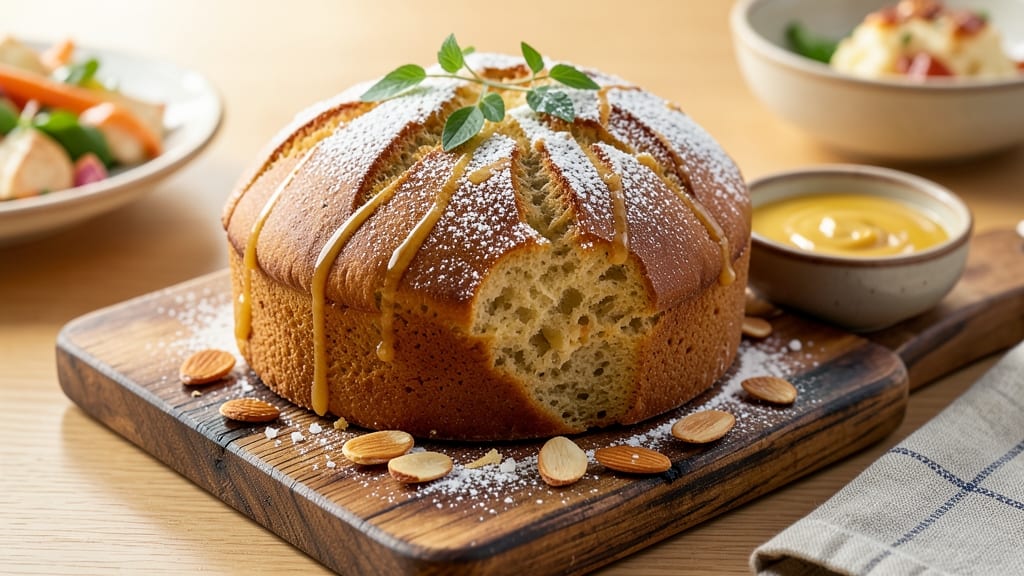
This Argentinian sweet bread recipe brings the comforting flavors of Buenos Aires to your kitchen with its signature buttery swirls and pillowy softness. 💛 The secret lies in a delicate balance of flour, butter, and a touch of anise—traditional ingredients that create a tender, slightly sweet dough perfect for breakfast or afternoon tea.
What sets this recipe apart is the vanilla-infused swirl that adds a subtle, aromatic sweetness without overpowering the bread's natural flavor.
The dough is shaped into classic medialunas (half-moon pastries) or vigilantes (small, round buns), baked until golden, and finished with a light dusting of powdered sugar for that authentic touch.
By the time you pull these out of the oven, you'll have bread that's light, airy, and impossibly tender—the kind that melts in your mouth with every bite. The buttery layers and vanilla swirls make it irresistible, while the soft texture ensures it's a crowd-pleaser for any occasion.
Whether you're serving them warm with coffee or saving them for a sweet treat later, this recipe delivers restaurant-quality results at home. Let's get started on creating these beloved Argentinian pastries!
Ingredients for argentinian sweet bread
Buttery layers, vanilla swirls, and anise whispers—this Argentinian sweet bread needs just twelve ingredients.
| Ingredient | Amount | Notes |
|---|---|---|
| All-Purpose Flour 🌾 | 4 ½ cups | High-protein preferred for elasticity |
| Unsalted Butter 🧈 | 1 ½ cups | Cold, cubed for dough layers |
| Granulated Sugar 🍚 | ½ cup | Superfine for smoother texture |
| Active Dry Yeast 🍞 | 2 ¼ tsp | Fresh yeast for best results |
| Whole Milk 🥛 | ¾ cup | Warmed to 110°F for activation |
| Large Eggs 🥚 | 2 whole | Room temperature for even mixing |
| Vanilla Extract 🌿 | 1 tbsp | Pure vanilla for authentic flavor |
| Anise Seeds 🌶️ | 1 tsp | Ground for subtle licorice note |
| Salt 🧂 | ½ tsp | Fine sea salt preferred |
| Powdered Sugar 🍚 | ¼ cup | For finishing dust |
| Vanilla Bean Paste 🌿 | 1 tbsp | For swirl richness |
| Confectioners' Glaze 🍯 | ¼ cup | Optional for extra shine |
The butter is everything here. Plugrá brand from Argentina is ideal (find it at specialty grocers or online), but Land O'Lakes or Kerrygold work in a pinch. Keep it cold—cold butter creates those signature flaky layers. The flour matters too: King Arthur or Gold Medal with 11-12% protein gives that perfect chew. Anise seeds? Whole Foods bulk section has the best quality—just toast them lightly before grinding. Pro tip: Measure your flour by weight (450g) for foolproof results.
No vanilla bean paste? Pure vanilla extract plus 1 tsp vanilla sugar works, but you'll miss that depth. Short on anise? 1/4 tsp anise extract is a decent swap, though it's not the same. The yeast needs to be active—test it in warm water with a pinch of sugar (should foam in 5-10 minutes). For the dough, a stand mixer with a dough hook saves your arms, but a sturdy wooden spoon works too. Want extra flavor? Add 1/4 cup finely chopped candied citrus peel to the dough.
This dough needs 2 hours of rising time—don't rush it. Shape the pastries on a floured surface (use cornmeal for extra crispness on the bottom). For storage, keep wrapped in a clean kitchen towel at room temp for 2 days, or freeze the shaped pastries for 3 months. Reheat in a 350°F oven for 5-7 minutes to restore that fresh-baked magic. The powdered sugar? Only dust right before serving—it dissolves fast.
Why You'll Love This Recipe
- No Yeast Nightmare: I’ve made bread that required proofing in the fridge for hours—this dough comes together in one bowl, no fancy techniques. Just mix, let it rise while you sip coffee, and bake. That’s it. No stress, no waiting around.
- Butter-Sugar Magic: The moment I tasted that first bite—warm, buttery layers with a caramelized crust—honestly, I nearly dropped the loaf. The sugar doesn’t just sweeten; it melts into the butter for this unexpectedly rich, almost custardy crumb. (Yes, even my kids fight over slices.)
- Breakfast to Dessert: I’ve served this toasted with jam for breakfast, sliced with tea as an afternoon pick-me-up, and even as a very fancy dessert with a dusting of powdered sugar. Same dough, three different vibes—no extra effort, just versatility.
- Leftovers That Last: One batch feeds my family for days. The bread stays soft for ages if wrapped in a towel, and I’ve reheated slices in the oven until crispy—like fresh-baked every time. (Budget win: I buy flour in bulk, and this recipe stretches it far.)
Step-by-step instructions for Argentinian sweet bread
Here's how to craft this iconic bread with layers of buttery vanilla swirls and airy softness.
👨🍳 Step 1: Activate the Yeast and Prepare the Dough Base
In a stand mixer bowl, combine the 0.75 cup warm whole milk (110°F), 0.5 cup granulated sugar, and 2.25 tsp active dry yeast. Let it sit for 5-7 minutes until frothy—you'll see bubbles forming and a yeasty aroma. This activation step is crucial for proper rise.
Add the 2 whole large eggs, 1 tbsp vanilla extract, and 1 tbsp vanilla bean paste to the yeast mixture. Mix on low speed until combined, then add 4.5 cups all-purpose flour and 0.5 tsp salt. With the mixer on low, gradually add the 1.5 cups cold cubed unsalted butter—this creates the signature flaky layers. Mix until the dough comes together but doesn't stick to your fingers.
🥘 Step 2: Knead and Develop Gluten for Maximum Softness
Switch to the dough hook attachment and knead for 5-7 minutes on medium speed until the dough is smooth and elastic. It should pull away from the sides of the bowl and feel slightly tacky. The high-protein flour is key here—it develops the gluten structure that gives this bread its signature pillowy texture.
Transfer the dough to a lightly floured surface and shape it into a rectangle about 12x10 inches. Real talk: don't overwork it now—we'll handle the shaping later. Cover with plastic wrap and let it rest at room temperature for 30 minutes. This brief rest relaxes the gluten and makes rolling easier.
🍳 Step 3: Layer the Butter and Create the Signature Swirls
Roll the rested dough into a 12x16-inch rectangle on a floured surface. This is where the magic happens—carefully spread the 1.5 cups cold cubed unsalted butter evenly over the surface, leaving a 1-inch border around the edges. The butter should be cold enough to hold its shape but soft enough to spread.
Starting from the long side, tightly roll the dough into a log. Seal the edge well to prevent the butter from leaking out during baking. This creates those beautiful, buttery layers that make this bread so special. Wrap the log in plastic and refrigerate for 30 minutes to firm up the butter layers.
🔥 Step 4: Shape and Proof for Perfect Rise
Remove the chilled dough log and use a sharp knife to cut it into 12 equal pieces, about 2 inches thick each. Gently shape each piece into a round loaf, dimpling the top slightly with your fingers. Arrange them on a parchment-lined baking sheet, leaving 2 inches between each loaf.
Cover the baking sheet with a clean kitchen towel and let the loaves proof at room temperature for 1-1.5 hours, until they've nearly doubled in size. You'll know they're ready when they spring back slowly when pressed gently with a finger. The anise seeds in the dough add a subtle licorice note that pairs perfectly with the vanilla—don't skip this flavor layer!
🔥 Step 5: Bake to Golden Perfection and Finish with Sugar
Preheat your oven to 350°F and bake the loaves for 25-30 minutes until they're golden brown and sound hollow when tapped on the bottom. The interior temperature should reach 190°F. This baking time ensures the layers stay tender while developing that beautiful crust.
Remove from the oven and immediately brush the tops with the 0.25 cup confectioners' glaze for that professional shine. While still warm, dust each loaf generously with 0.25 cup powdered sugar—this is traditional and adds that final sweet touch. Let them cool on a wire rack for 10 minutes before serving. The contrast of warm, buttery layers with the cool sugar dusting is pure magic.
Pro Tips For Making Argentinian Sweet Bread
- Warm the Milk First: Dump cold milk straight into the yeast mix and it’ll take forever to activate—or worse, never wake up. Heat the milk to about 110°F (43°C) first, then let it cool to room temp before mixing. This gives the yeast a head start and cuts your first rise time by 30 minutes.
- Cut Butter Cold: Soft butter spreads like butter (pun intended) and weakens the dough. Scoop chunks straight from the fridge and cut them into the flour mixture—small, pea-sized pieces distribute evenly without melting. If they soften too fast, chill the dough for 10 minutes before shaping.
- Don’t Over-Knead: I used to think more kneading = better bread, but this dough is delicate. Stop when it springs back slowly (not instantly) when poked—about 8-10 minutes by hand. Overwork it, and the gluten tightens too much, making the bread dense instead of tender.
- Proof in a Drawer: Skip the warm oven trick if you’re short on time. Place the shaped dough in a lightly greased drawer with a damp towel over it. The trapped heat and humidity mimic a proofing box, and it’ll rise just as evenly—no extra appliances needed. Check after 1.5 hours.
Wine and beer pairings for this argentinian sweet bread
Malbec Wine Pairings
Argentinian Malbec is the classic choice for these sweet breads, as its rich, velvety texture and dark fruit flavors complement the buttery vanilla layers beautifully. I recommend a 2019 Trapiche Malbec from Mendoza—its notes of blackberry and chocolate enhance the anise and vanilla without overpowering them.
Serve slightly chilled (55-60°F) to let the wine's acidity cut through the richness. 🍷
Torrontés Refreshment
For a lighter option, try a crisp Torrontés, which offers bright citrus and floral notes that contrast the bread's sweetness. The 2022 Catena Zapata Torrontés is my go-to—its floral aroma and zesty finish cleanse your palate between bites. This pairing works especially well with the powdered sugar finish. 🌸
Argentinian Craft Beer
If wine isn't your thing, reach for a local Argentinian craft beer. The Quilmes Super Premium Lager provides a clean, neutral base that lets the bread's flavors shine.
For something more adventurous, try BrewDog's Argentinian IPA—its citrus and hop notes create an unexpected but delicious contrast with the vanilla and anise. 🍺
Coffee Contrast
Nothing beats these sweet breads with a strong Argentinian coffee, like Segunda Usina or Café Torrefacción. The bold, slightly bitter notes of the coffee balance the sweetness perfectly. I like to serve them warm with a shot of espresso for that classic Buenos Aires café experience. ☕
Dulce de Leche Dip
For an extra treat, serve with a side of dulce de leche for dipping. The caramelized sweetness pairs wonderfully with the bread's buttery layers. I use La Serenísima brand—it's the most widely available and has that perfect balance of sweetness and creaminess. 🥄
Seasonal Adaptations
In summer, opt for a sparkling Malbec like Andeluna to refresh your palate. During winter, a Cabernet Sauvignon with its bolder tannins holds up better against the bread's richness. Always let your drink be slightly cooler than room temperature for the best experience. ❄️
Nutrition facts
Frequently asked questions
What's the difference between medialunas and vigilantes?
Medialunas are the classic crescent-shaped pastries you'll find in Argentinian bakeries, while vigilantes are smaller, round buns. This recipe makes both—simply shape half the dough into crescents and the other half into small rounds. The vigilantes are perfect for tea, while medialunas feel more special for breakfast.
Can I make this recipe without anise seeds?
Yes! If you can't find anise seeds, substitute with 1/4 tsp anise extract or skip them entirely—the vanilla and butter will still create delicious pastries. The anise adds a subtle licorice note that's traditional but not essential. Just reduce the sweetness slightly if omitting (use 0.4 cup sugar instead of 0.5 cup).
Why did my bread turn out dense instead of light?
Dense bread usually means one of three things: the yeast wasn't active, the butter melted too early, or the dough didn't proof long enough. Always test your yeast first, keep the butter cold during rolling, and give the dough the full 1-1.5 hour proofing time. If your kitchen is warm, proof in a slightly cooler spot (like the fridge) for 30 minutes first.
How can I store these pastries for freshness?
Wrap them in a clean kitchen towel and store at room temperature for 2 days, or freeze the shaped (unbaked) dough for 3 months. For reheating, bake frozen pastries at 350°F for 35-40 minutes until golden. The powdered sugar should always be added fresh—it dissolves quickly and makes the bread soggy if stored on top.
Can I make this gluten-free?
This recipe relies on gluten for its signature pillowy texture, but you can try a 1:1 gluten-free flour blend like Bob's Red Mill 1-to-1. Replace the flour with 4.5 cups gluten-free blend, add 1 tbsp xanthan gum, and expect a denser result. The layers won't be as flaky, but the vanilla flavor will still shine.