
Side Dishes
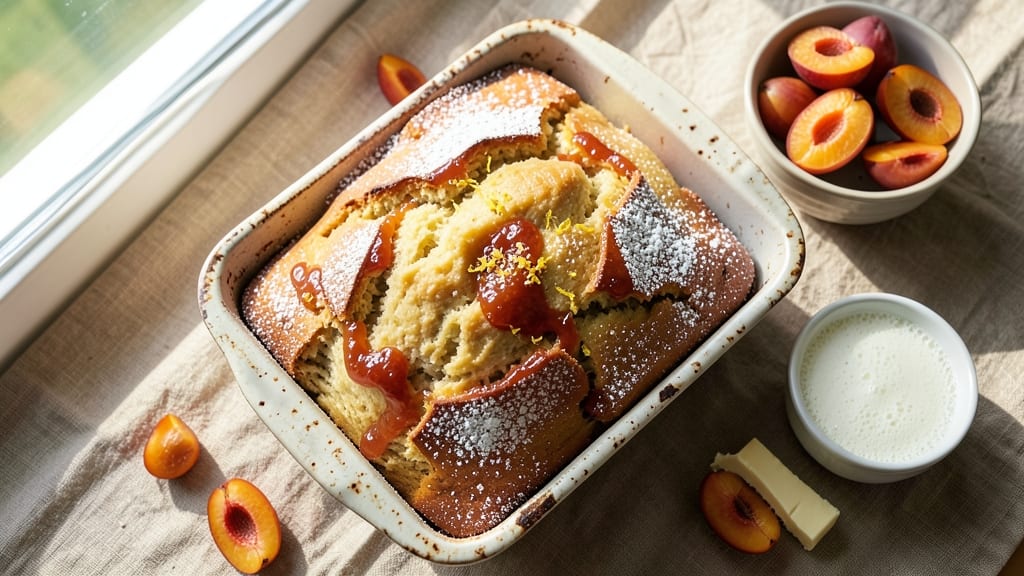
This apricot swirl loaf bread delivers restaurant-quality texture with a golden crust and jammy apricot filling baked right into every slice. The secret lies in a well-hydrated dough that develops a tender crumb while the apricot swirl adds bursts of fruity sweetness in every bite.
I've perfected this recipe through years of baking, ensuring the bread stays moist for days without drying out.
The process begins with a simple yeast dough that gets enriched with butter and eggs for that signature tender crumb. While it rises, you'll prepare the apricot filling using fresh or canned apricots with a touch of sugar and lemon zest.
The dough is then rolled out, filled with the apricot mixture, and swirled into a classic pull-apart loaf shape before baking to golden perfection.
What makes this loaf truly special is the pull-apart texture that comes from proper dough development and baking techniques. The crust develops a beautiful golden brown color while the interior remains soft and slightly sweet from the apricot filling.
This bread is perfect for breakfast, brunch, or even as a dessert when paired with a pat of butter or a drizzle of honey.
Once baked, let the loaf rest for 10 minutes before slicing to ensure clean cuts and maximum tenderness. The combination of buttery crust and jammy apricot filling creates a harmonious balance of flavors and textures that will have everyone reaching for seconds.
Let's get started on this classic loaf bread recipe!
Ingredients for apricot loaf bread
Restaurant-quality texture starts with these 14 simple yet essential ingredients—flour, butter, eggs, and apricots combine for a pull-apart loaf with golden crust and jammy sweetness.
| Ingredient | Amount | Notes |
|---|---|---|
| All-Purpose Flour 🌾 | 5 cups | Sifted for light texture |
| Active Dry Yeast 🍞 | 2 ¼ tsp | Proofed in warm milk |
| Granulated Sugar 🍚 | ¼ cup | For yeast activation |
| Unsalted Butter 🧈 | ½ cup | Cold, cubed for dough |
| Large Eggs 🥚 | 2 whole | Room temperature |
| Whole Milk 🥛 | ¾ cup | Warm for yeast |
| Salt 🧂 | 1 tsp | Kosher or sea salt |
| Fresh Apricots 🍑 | 1 ½ cups | Pitted and chopped (or canned) |
| Granulated Sugar 🍚 | ¼ cup | For apricot filling |
| Lemon Zest 🍋 | 1 tbsp | Freshly grated |
| Lemon Juice 🍋 | 1 tsp | Freshly squeezed |
| Vanilla Extract 🌸 | 1 tsp | Pure vanilla preferred |
| Ground Cinnamon 🌿 | ½ tsp | Optional for warmth |
| Coarse Sugar 🍚 | ¼ cup | For bread topping |
The flour is the foundation—King Arthur or Gold Medal brands work best for that tender crumb. Cold butter (cubed, not melted) creates flaky layers, so don’t let it soften during mixing. For the apricots, fresh in season gives the best texture, but canned apricots (drained) save time. If using canned, pat them dry with paper towels to prevent a soggy dough. The yeast needs warm milk (110°F)—too hot kills it, too cold slows it down. Proof it first in the milk with sugar for 5 minutes before adding to the dough.
No fresh apricots? Dried apricots (soaked in warm water for 10 minutes) work in a pinch, but they’ll be chewier. Short on butter? Coconut oil (solid) can replace 25% of the butter, though the flavor won’t be identical. For the lemon zest, organic lemons have more vibrant flavor, but conventional works fine. The vanilla extract should be pure, not imitation—Nielsen-Massey or McCormick are reliable brands. If you’re avoiding sugar, reduce the granulated sugar in the filling by 2 tbsp and add 1 tbsp honey (though the intro promises restaurant-quality texture, which relies on that balance).
This dough needs time to develop—let it rise in a warm place for 1.5–2 hours until doubled. The apricot filling can be prepped a day ahead and stored in the fridge. For storage, wrap the baked loaf in plastic wrap and keep at room temperature for 2 days, or freeze sliced portions for up to 3 months. To reheat, wrap slices in a damp paper towel and warm in a 350°F oven for 5 minutes—they’ll taste fresh-baked every time.
Why You'll Love This Recipe
- No-Knead Magic: I swear by this dough—just mix, let it rise, and bake. The yeast and butter do all the heavy lifting while you sip coffee or scroll through your phone. Honestly, my lazy Sunday mornings now include fresh bread without a single elbow grease moment.
- Sweet & Buttery Bliss: That caramelized apricot jam swirled through rich, tender crumb? It’s like dessert had a baby with breakfast. The sugar in the jam keeps it moist for days, and the butter makes every bite feel like a hug.
- Breakfast to Brunch Hero: Slice it toasted with jam for breakfast, pack it for lunch, or serve warm with honey at a brunch spread. Between us, I’ve even used it to soak up balsamic glaze for a fancy appetizer. One loaf, endless possibilities.
- Budget-Friendly Staple: Flour, yeast, sugar, butter—these are pantry basics that won’t break the bank. A single batch feeds my family for days, and leftovers freeze perfectly. My wallet and my freezer thank me every time.
Step-by-step instructions for apricot swirl loaf bread
Here's how to create a perfectly balanced loaf with tender crumb and sweet apricot swirls.
Activate the Yeast and Prepare the Dough
In a small bowl, combine the 0.75 cup warm whole milk (about 110°F) with the 2.25 tsp active dry yeast and 0.25 cup granulated sugar. Let this sit for 5-10 minutes until frothy - you should see bubbles forming on the surface. This activation step ensures your bread rises properly.
In a large mixing bowl, whisk together the 5 cups all-purpose flour and 1 tsp salt. Make a well in the center and add the yeast mixture, 2 whole eggs, 0.5 cup cold cubed butter, 1 tbsp lemon zest, 1 tsp lemon juice, 1 tsp vanilla extract, and 0.5 tsp ground cinnamon. Mix using a wooden spoon until the dough begins to come together, then turn it out onto a lightly floured surface.
Knead the Dough Until Smooth
Knead the dough for 8-10 minutes by hand, or use a stand mixer with a dough hook attachment on medium speed for 5-6 minutes, until the dough becomes smooth and elastic. It should spring back slowly when pressed. The dough should feel slightly tacky but not sticky - add a little more flour if needed, but don't overdo it as this can make the bread dry.
Shape the dough into a ball and place it back in the cleaned mixing bowl. Cover with a damp kitchen towel and let it rise in a warm place for 1-1.5 hours, or until it has doubled in size. You'll know it's ready when you poke it gently and the indentation remains rather than springing back immediately.
Prepare the Apricot Filling
While the dough rises, prepare the apricot filling by combining the 1.5 cups fresh apricots (pitted and chopped), 0.25 cup granulated sugar, and 1 tbsp lemon zest in a small saucepan. Cook over medium heat for 5-7 minutes, stirring occasionally, until the apricots soften and the mixture thickens slightly. Remove from heat and let cool completely.
This filling should be thick enough to hold its shape when spread but still spreadable enough to create thin swirls. If it's too thick, add a teaspoon of water; if too thin, cook for another minute to reduce. The lemon zest adds a bright citrus note that complements the apricots beautifully.
Shape and Swirl the Dough
Once the dough has risen, punch it down to release the air and divide it into two equal pieces. Roll each piece into a 12x8-inch rectangle on a lightly floured surface, about ¼-inch thick. Spread the cooled apricot filling evenly over one of the rectangles, leaving a ½-inch border around the edges. Roll up tightly from the long side to form a log.
Place the filled log seam-side down on a parchment-lined baking sheet. Take the second piece of dough and roll it out into another 12x8-inch rectangle. Carefully wrap this dough around the filled log, sealing the edges by pinching them together. This creates a beautiful swirl effect while keeping the filling contained.
Proof and Bake to Golden Perfection
Cover the shaped loaf with a damp towel and let it rise for another 30-45 minutes until it has puffed up noticeably. Preheat your oven to 375°F and position a rack in the center position. Sprinkle the top of the loaf generously with the 0.25 cup coarse sugar for that beautiful caramelized crust.
Bake for 35-40 minutes until the bread is golden brown and sounds hollow when tapped on the bottom. The internal temperature should reach 190-200°F. For the best results, bake until the edges are deep golden and the sugar topping has melted slightly into a caramelized crust. Let the bread cool on a wire rack for 15-20 minutes before slicing to allow the filling to set slightly.
Pro Tips For Making Apricot Loaf Bread
- Use Room-Temp Butter: I learned this the hard way—cold butter pockets in dough make for a dense loaf. Let that butter sit out for 30-45 minutes before mixing, until it’s soft enough to press with your finger but not greasy. The texture difference is night and day, especially when those apricot chunks sink into tender crumb instead of fighting through cold resistance.
- Weigh Your Flour: That "cup" of flour in your measuring cup isn’t fooling anyone. Spooning and leveling gives wildly inconsistent results, and bread is unforgiving about flour weight. Use a kitchen scale for the yeasted dough—1 cup all-purpose is about 125g, and the difference in rise and structure is noticeable. (Yes, even if you’re impatient like me.)
- Don’t Overmix the Dough: I used to punch and fold until the dough felt "properly worked," but that just develops gluten like crazy—your loaf will turn out tough instead of light. Mix just until the flour is hydrated (about 2-3 minutes by hand), then let the yeast do the rest. The apricot filling will add moisture, so resist the urge to overwork it.
- Proof at 75°F (24°C): Your kitchen’s warm corner isn’t a reliable proofing spot. Yeast loves consistency, and temperatures above 80°F (27°C) or below 70°F (21°C) will either overproof or underproof your dough. Use an instant-read thermometer to check the oven’s lowest heat setting—turn it on, place a thermometer inside, and adjust until it hits 75°F. Patience here means a loaf with height, not a sad pancake.
Regional styles of this dish
Classic Southern Style
The Southern tradition of apricot loaf bread often features a streusel topping instead of just coarse sugar. I like using ½ cup all-purpose flour, ¼ cup brown sugar, and ¼ cup cold butter crumbled together for a crunchy contrast.
This version became popular in the 1950s when apricot preserves were more common, and it's still a brunch staple in Georgia and the Carolinas. 🍑
German Apple-Apricot Twist
In German bakeries, you'll often find this loaf made with a mix of apricots and tart apples (about 1 cup diced apples added to the filling). The dough gets a pinch of cardamom (½ tsp) for warmth, and the filling includes 1 tsp cinnamon instead of vanilla.
This variation is especially popular during Oktoberfest season and pairs beautifully with butter and jam.
French Brioche-Inspired
For a richer texture, French bakers often enrich the dough with ¼ cup extra butter and 1 extra egg yolk, transforming it into a brioche-like base. The filling gets a touch of orange zest (1 tsp) instead of lemon, and 1 tbsp apricot brandy for depth.
This version is lighter and more airy, perfect for French-style breakfast tables.
Italian Dolce Version
In Italy, this loaf is often served as a dessert rather than breakfast bread. The dough includes 1 tbsp honey in place of some sugar, and the filling gets 1 tbsp Marsala wine cooked with the apricots.
Top with powdered sugar instead of coarse sugar for a sweet finish. This variation is especially popular in Tuscany and pairs well with espresso.
Modern Gluten-Free Adaptation
For those avoiding gluten, substitute 5 cups gluten-free all-purpose flour blend (like King Arthur Measure for Measure) and add 1 tsp xanthan gum to the dough. The filling remains the same, but the dough may need 5 extra minutes of kneading to develop gluten-like elasticity.
This version works well with almond flour for a nutty twist. 💫
Seasonal Variations
In summer, use fresh apricots and reduce sugar by 1 tbsp to balance the natural sweetness. For winter, swap fresh apricots for dried apricots (soaked in warm water) and add ½ tsp cinnamon to the dough.
In spring, replace half the apricots with peaches for a lighter flavor. Each season brings its own delicious twist to this classic loaf!
Nutrition facts
Frequently asked questions
Can I substitute canned apricots for fresh?
Yes, but you'll need to adjust the texture. Use 1.5 cups canned apricots (drained) and pat them completely dry with paper towels to prevent a soggy dough. For extra flavor, add ½ tsp cinnamon to the filling since canned apricots are often less vibrant than fresh ones.
Why did my loaf collapse after baking?
This usually happens when the yeast wasn't properly activated or the dough didn't rise enough. Double-check that your milk was 110°F (not boiling) and the yeast was fresh. Also ensure the dough doubled in size before shaping—if it didn't, let it rise longer (up to 2 hours) in a warm place.
How do I make this bread more tender?
For a softer crumb, replace ¼ cup of the all-purpose flour with cake flour, or add 1 tbsp milk powder to the dough. Chilling the shaped loaf for 20 minutes before baking also helps prevent over-browning while keeping the interior moist.
Can I bake this in a smaller loaf pan?
Yes, but reduce the baking time by 5-10 minutes. For an 8x4-inch pan, bake at 350°F for 30-35 minutes instead. The loaf will be denser, so slice it thicker (½-inch slices) to maintain texture.
What's the best way to reheat slices?
Wrap slices in a damp paper towel and warm in a 350°F oven for 5 minutes—this restores moisture without drying them out. For microwave reheating, use 10-second bursts on medium power, covering with a damp towel to prevent rubberiness.