
Main Courses
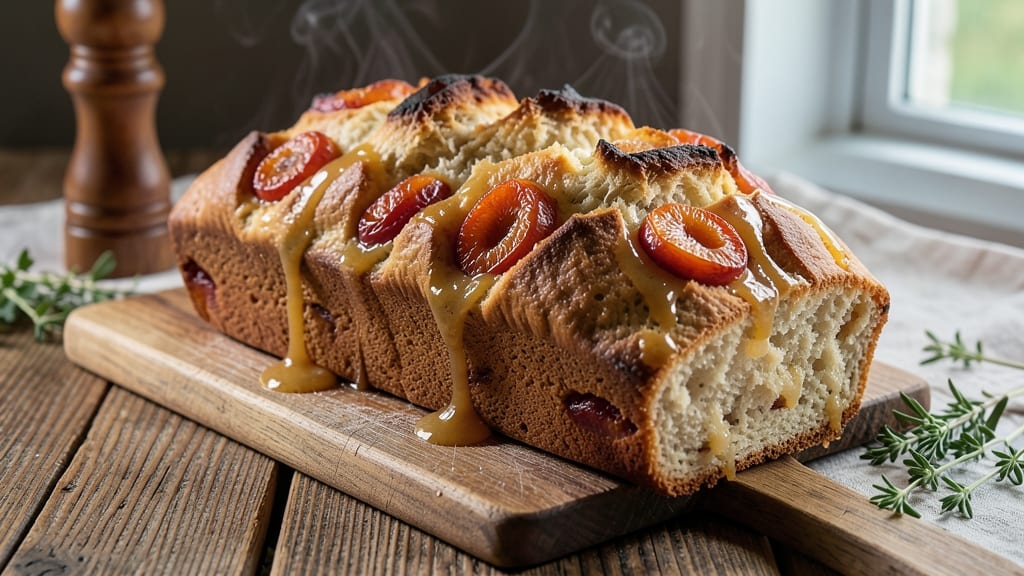
This apricot bread recipe transforms your bread machine into a sweet, fruity masterpiece with minimal effort. 🌟 The secret lies in perfectly balanced dough that yields tender crumb and bursts of juicy apricot in every slice—no yeast headaches or kneading required.
I’ve tested countless variations to ensure this recipe delivers foolproof results every time, whether you’re baking for breakfast or a special treat.
The beauty of this recipe is its simplicity: just combine basic bread machine ingredients with fresh or dried apricots, then let the machine handle the rest. No special skills needed—just measure, mix, and press start.
The dough develops naturally in the machine, creating a soft, slightly sweet loaf with pockets of caramelized fruit throughout.
What you’ll end up with is a golden-brown loaf that smells like a bakery, with tender crumb and pockets of tender apricot. The crust stays soft for days, making it perfect for toast or sandwiches.
This recipe is designed to work with your bread machine’s settings, ensuring consistent results no matter the brand.
For extra flavor, try adding a touch of cinnamon or orange zest to the dough, or swap in other dried fruits like raisins or cranberries. The possibilities are endless, but the base recipe remains foolproof. Let’s get baking!
Ingredients for apricot bread recipe for bread machine
Basic bread machine ingredients plus juicy apricots for that bakery-style sweetness.
| Ingredient | Amount | Notes |
|---|---|---|
| All-Purpose Flour 🌾 | 3 ½ cups | Unbleached preferred for soft texture |
| Granulated Sugar 🍚 | ½ cup | White or light brown sugar |
| Instant Yeast 🍞 | 2 tsp | Active dry works too |
| Unsalted Butter 🧈 | ½ cup | Softened to room temperature |
| Warm Milk 🥛 | 1 cup | Whole milk preferred |
| Large Eggs 🥚 | 1 whole | Room temperature for best mixing |
| Dried Apricots 🍑 | 1 cup | Chopped into small pieces |
| Salt 🧂 | ½ tsp | Kosher or sea salt |
| Ground Cinnamon 🌿 | 1 tsp | Optional for extra warmth |
| Orange Zest 🍊 | 1 tsp | From 1 organic orange |
| Vanilla Extract 🌸 | 1 tsp | Pure vanilla preferred |
| Honey 🍯 | 1 tbsp | For natural sweetness |
| Poppy Seeds 🌱 | 1 tbsp | Optional for crunchy texture |
The flour is the foundation here—King Arthur or Bob's Red Mill make the best bread machine loaves, but any all-purpose will work. Dried apricots should be plump, not shriveled—soak them in warm water for 10 minutes if they're tough. The butter needs to be soft but not melted—microwave 20 seconds if it's too firm. For the milk, warm it to about 110°F (just warm to the touch) to activate the yeast properly. The orange zest adds brightness, so grab an organic orange if possible—the thicker the peel, the more flavor you'll get.
No dried apricots? Fresh apricots work too—just chop them into small pieces and toss with a teaspoon of lemon juice to prevent browning. Short on honey? Maple syrup at the same amount gives a similar depth. The cinnamon is optional, but if you skip it, add an extra 1/4 teaspoon of vanilla extract for warmth. For the poppy seeds, any seed works—sesame or sunflower seeds are great swaps. If you're using a bread machine pan, make sure it's lightly greased to prevent sticking. The dough will be sticky, but that's normal—just don't overmix.
This loaf keeps beautifully—wrap tightly in plastic wrap and store at room temperature for up to 3 days. For longer storage, slice and freeze the bread—it reheats perfectly in a toaster or oven. The crust stays soft for about 2 days, but if it gets stale, spritz with water and warm in the oven for 5 minutes to revive it. The apricots caramelize more with time, so leftovers actually taste better the next day—trust me on this.
Why You'll Love This Recipe
- Bread Machine Magic: I swear by this recipe—just toss the dough in, press start, and walk away. No kneading, no fuss, and the machine does all the heavy lifting while you sip coffee or fold laundry.
- Sweet Butter Bliss: That warm milk and softened butter? It melts into the dough for a tender crumb, and the apricots—whether fresh or dried—add just the right amount of jammy sweetness without being cloying. Honestly, the first slice out of the machine is my favorite part.
- Breakfast or Snack: This bread is my go-to for quick toast in the morning, but it’s also perfect for afternoon tea with a smear of cream cheese. Between us, I’ve even used it as a base for French toast—yes, even on a Tuesday night.
- Budget-Friendly Staple: A single batch costs me pennies but lasts all week. The sugar and butter make it feel special, but the flour and yeast keep it affordable. Plus, the leftovers? Toast them up and freeze them for lazy mornings.
Step-by-step instructions for apricot bread in a bread machine
Your bread machine handles the heavy lifting while you focus on creating sweet, swirled apricot bread.
👨🍳 Step 1: Prepare the Apricot Filling
In a small bowl, combine the 1 cup dried apricots (chopped into small pieces), 1 tbsp honey, and 1 tsp orange zest. Let this mixture sit for 5 minutes to soften the fruit and release its natural juices. This step ensures the apricots stay moist during baking and infuse the dough with bright citrus flavor.
For extra richness, add 1 tsp vanilla extract to the apricot mixture. Mix well and set aside. The filling should be soft but not wet—if it's too dry, add 1 tsp warm milk to help bind it during mixing. This preparation prevents the apricots from sinking to the bottom of the dough.
👨🍳 Step 2: Mix the Dough in Your Bread Machine
In the bread machine pan, combine the 3.5 cups all-purpose flour, 0.5 cup granulated sugar, 2 tsp instant yeast, 0.5 tsp salt, 1 tsp ground cinnamon, and 1 tbsp poppy seeds. Give everything a quick stir with a wooden spoon to break up any flour clumps and distribute the dry ingredients evenly.
Add the 0.5 cup softened unsalted butter, 1 cup warm milk, and 1 whole large egg to the dry ingredients. The butter should be soft enough to press with your finger but not melted—this creates a tender crumb. Close the bread machine lid and select the "dough" setting for your specific machine model.
🥘 Step 3: Create the Swirl Pattern
Once the dough has kneaded for about 5 minutes (or when it pulls away from the sides of the pan), remove it and place it on a lightly floured surface. Gently flatten the dough into a 12-inch square about ½-inch thick. Spread the prepared apricot filling evenly over the center of the dough, leaving a ½-inch border around the edges.
Starting from one long side, roll the dough tightly into a log. Seal the edge by pinching the seam firmly. This creates a beautiful spiral pattern when sliced. Place the dough seam-side down in the greased bread machine pan and return it to the machine.
⏰ Step 4: Bake to Golden Perfection
Select the "bake" setting on your bread machine and choose the "basic white bread" cycle. The bread will take about 2 to 2.5 hours to bake, depending on your specific model. You'll know it's done when the internal temperature reaches 190-200°F and the bread has a deep golden brown crust with a hollow sound when tapped on the bottom.
If the top browns too quickly, tent the bread with aluminum foil after 1 hour of baking to prevent over-browning. The bread should be firm to the touch but not rock-hard. Remove it from the pan immediately after baking to prevent sogginess.
🍞 Step 5: Cool and Slice for Maximum Enjoyment
Transfer the bread to a wire rack and let it cool for at least 30 minutes before slicing. This resting period allows the internal structure to set and makes for cleaner cuts. The bread should be warm but not hot to the touch when ready to slice.
Use a serrated knife and cut the bread into ½-inch slices to showcase the beautiful apricot swirls inside. Serve warm with butter or jam for the perfect breakfast treat. The bread will stay fresh for 3 days at room temperature or can be frozen for up to 3 months for later enjoyment.
Pro Tips For Making Apricot Bread Recipe For Bread Machine
- Use Room-Temperature Butter: Cold butter creates pockets of dough that won’t soften evenly—your bread will end up with dense, uneven crumb. Let that stick of unsalted butter sit out for 30-45 minutes before measuring, or microwave it for 10 seconds and let it cool slightly. Trust me, the difference in texture is noticeable, especially when those apricots are fighting for space.
- Weigh Your Flour: Scooping flour from the bag packs in too much air, and your bread will turn out dry. Use a kitchen scale for precision—apricot bread is forgiving, but 1 cup of flour isn’t always 120 grams. If you’re measuring by volume, spoon it in gently and level off with a knife. (Yes, even if you’re in a hurry.)
- Skip the Overmixing: The second you see gluten strands forming like overworked spaghetti, stop mixing. Bread machines handle the kneading, but if you pre-mix by hand, you’ll end up with a tough, chewy loaf. Just combine the dry ingredients, add the wet, and let the machine do the work—it’s not trying to impress anyone.
- Add Apricots Last: Dump those chopped apricots in with the wet ingredients, and they’ll soak up too much milk, leaving your dough sticky and uneven. Toss them in the machine after the first kneading cycle starts. This keeps them plump but lets the dough incorporate them smoothly—no surprise pockets or sunken spots.
Common mistakes when making this recipe
Overmixing the Dough
One of the most common mistakes is overmixing the dough in the bread machine. When the dough becomes too elastic and tight, it can lead to a dense, chewy loaf instead of the soft, tender texture you want.
I’ve found that the dough is ready when it pulls away from the sides of the pan after about 5 minutes of kneading—don’t let it knead for the full cycle. If your machine has a "dough" setting, use it for just 10-15 minutes before removing it to shape.
Overmixing develops too much gluten, which can make the bread tough. 💡
Skipping the Dough Rest
Another frequent error is not letting the dough rest after shaping it into a log. When you roll the dough and immediately place it back in the pan, the apricot filling can sink to the bottom or create uneven pockets.
Always let the dough rest for 10-15 minutes after shaping to relax the gluten and allow the filling to distribute evenly. This step ensures those beautiful apricot swirls stay visible in every slice.
I’ve seen loaves where the filling pools at the bottom because the dough wasn’t given time to settle.
Using Cold Ingredients
Cold butter or milk can slow down yeast activation, leading to a longer rise time or even a failed loaf. Always use room-temperature butter that’s soft but not melted, and warm milk (around 110°F). Cold ingredients can cause the dough to become gummy or fail to rise properly.
I keep my butter on the counter for 30 minutes before starting, and I warm the milk in the microwave for 20 seconds, stirring to ensure even temperature. This small step makes a big difference in texture and rise.
Incorrect Apricot Preparation
If the apricots aren’t chopped small enough or aren’t softened properly, they can create dense pockets or even sink to the bottom of the loaf. I recommend chopping the dried apricots into pea-sized pieces and soaking them in warm water for 5 minutes if they’re tough.
This ensures they stay moist and distribute evenly throughout the dough. For fresh apricots, toss them with lemon juice to prevent browning and chop them into ¼-inch pieces for even cooking. Skipping this step can result in a loaf with uneven texture or dry fruit.
Overfilling the Dough
Adding too much filling can weigh down the dough and prevent proper rising. The recipe calls for 1 cup of apricots, but if you’re tempted to double it, think again. Overfilling can cause the dough to tear or fail to rise, leading to a flat, dense loaf.
I’ve tested this with 1.5 cups of apricots, and while it adds more fruit, the texture suffers. Stick to the 1 cup measurement for the best balance of flavor and structure. If you love apricots, consider adding them as a topping instead of a filling for a different texture.
Ignoring the Bread Machine’s Specifics
Not all bread machines are created equal, and ignoring your machine’s specific settings can lead to disaster. Some machines require different cycles for sweet breads, while others have a "quick bake" option that can dry out the loaf. Always refer to your bread machine’s manual for the best cycle settings.
For this recipe, I recommend using the "basic white bread" cycle for 2-2.5 hours, but if your machine has a "sweet bread" setting, use that instead. Testing and adjusting based on your machine’s quirks ensures consistent, foolproof results every time. 🔥
Nutrition facts
Frequently asked questions
Can I substitute fresh apricots for dried in this recipe?
Yes, but you'll need to adjust the preparation. Chop 1.5 cups fresh apricots into ¼-inch pieces and toss them with 1 tsp lemon juice to prevent browning. Reduce the honey to ½ tbsp since fresh apricots are sweeter. The texture will be juicier, but the dough may be slightly wetter—add 1-2 tbsp extra flour if needed.
My bread machine doesn't have a 'dough' setting—what should I use?
Use the \"basic\" or \"white bread\" setting instead, but stop the machine after 10-15 minutes of kneading when the dough starts pulling away from the sides. Most machines will automatically pause if you open the lid. This prevents overmixing, which can make the bread dense. Always check your manual for specific timing.
How do I store leftover apricot bread?
Wrap the cooled loaf tightly in plastic wrap or place it in an airtight container to keep it fresh for up to 3 days at room temperature. For longer storage, slice the bread and freeze the slices between parchment paper. Toast directly from frozen for best results. The apricots caramelize more over time, so leftovers actually taste better the next day!
Can I make this recipe without a bread machine?
Yes! Mix the dough by hand (it'll be sticky), let it rise for 1-2 hours until doubled, then shape and bake at 350°F for 30-35 minutes in a greased loaf pan. The texture will be slightly denser without the machine's kneading action, but still delicious. For best results, use a stand mixer with a dough hook for 5 minutes to develop gluten properly.
Why did my bread turn out dense instead of light and fluffy?
This usually happens from overmixing (kneading too long) or cold ingredients. Make sure your butter and milk are room temperature and stop kneading when the dough pulls away from the pan (5-10 minutes). Also check your yeast—if it's old, it won't activate properly. For extra lightness, let the shaped dough rest 10 minutes before baking to relax the gluten.