
Main Courses
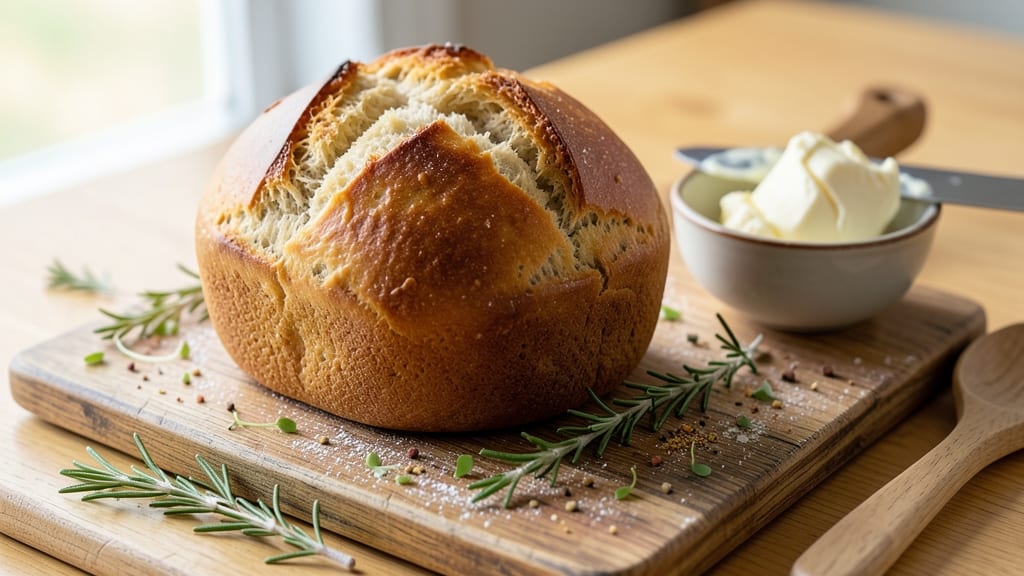
This Amish white bread recipe with all-purpose flour delivers the tender, pillowy texture of classic homestyle loaves—without yeast or sourdough starter. 💛 The secret lies in a simple baking powder leavening system that creates that signature fine crumb and soft interior, just like the bread you'd find at an Amish country kitchen table.
What makes this recipe special is its approachability; it requires no special equipment or advanced techniques, just all-purpose flour and patience for the proofing process.
The dough comes together in just 10 minutes of mixing and kneading, followed by a 30-minute rest before shaping. This brief pause allows the gluten to relax, making the bread easier to handle and resulting in a lighter texture.
The baking process is straightforward: a 375°F oven for 25-30 minutes yields a golden-brown loaf with a crisp crust and moist interior that stays fresh for days when wrapped properly.
What you'll end up with is a classic loaf that's perfect for sandwiches, toast, or serving alongside soups and stews. The bread has a delicate, slightly sweet flavor with a tender crumb that's impossible to resist.
Unlike many quick breads, this recipe delivers restaurant-quality results with minimal effort—ideal for both beginners and experienced bakers looking for a reliable homestyle staple.
For added richness, consider brushing the baked loaf with melted butter or drizzling honey over the top while still warm. The possibilities for variations are endless, but the core recipe remains simple and foolproof. Let's get started on creating your perfect loaf!
Ingredients for amish white bread recipe with all purpose flour
Four cups of flour, a touch of butter, and patience create this iconic homestyle loaf.
| Ingredient | Amount | Notes |
|---|---|---|
| All-Purpose Flour 🌾 | 4 cups | Sifted for even texture |
| Baking Powder 🍞 | 2 tsp | Double-acting preferred |
| Salt 🧂 | ½ tsp | Fine sea salt preferred |
| Granulated Sugar 🍚 | 2 tbsp | Light brown sugar optional |
| Unsalted Butter 🧈 | ½ cup | Cold, cubed for even mixing |
| Milk 🥛 | ¾ cup | Room temperature preferred |
| Large Eggs 🥚 | 1 whole | Room temperature for best mixing |
| Vanilla Extract 🌿 | 1 tsp | Pure extract preferred |
| Cornmeal 🌽 | 1 tbsp | For dusting loaf pan |
| Honey 🍯 | 2 tbsp | Optional for brushing top |
The flour is the foundation—King Arthur or Gold Medal brands yield the finest crumb, but any all-purpose works. Bulk bins at Whole Foods offer the freshest flour, but store-bought is fine if stored properly. The baking powder must be double-acting for that signature rise; check your stash—old powder loses potency. For the butter, Land O'Lakes or Plugrá brands melt evenly, but any unsalted butter works. Room-temperature milk and egg prevent lumps in the dough, so let them sit out for 15 minutes before measuring.
No vanilla extract? Almond extract at half the amount works in a pinch, though it adds a subtle nutty note. Substitute honey with maple syrup for brushing, but skip if avoiding sweetness. For a lighter loaf, add 1 tsp lemon zest to the dough. The cornmeal dusting prevents sticking—Bob's Red Mill is a reliable brand. If your pan lacks nonstick coating, grease with butter before dusting. For a richer flavor, replace 2 tbsp milk with heavy cream during mixing.
Store the loaf in a bread bag or airtight container at room temperature for 2-3 days—it stays fresh longer than most commercial bread. For extended storage, slice and freeze portions for up to 3 months. Reheat slices in a 350°F oven for 5-10 minutes to restore freshness. The dough can be prepared a day ahead and refrigerated, but let it sit at room temperature for 30 minutes before baking for optimal texture.
Why You'll Love This Recipe
- Pantry Staples Only: I swear by this recipe because it uses stuff I always have—flour, butter, sugar—no specialty ingredients hunting. Just mix, knead, and bake. That’s it.
- Buttery Soft Magic: The moment you slice into that warm loaf? Pure joy. The butter and sugar work together to give it that melt-in-your-mouth tenderness, but the baking powder keeps it light—no dense, heavy bread here.
- Weeknight Hero: Need bread fast? This rises in under an hour, so I can have fresh loaves ready for sandwiches, toast, or dinner rolls by lunchtime. (Yes, even on a Tuesday night.)
- Budget-Friendly Staple: A single batch costs pennies but stretches for days—perfect for toast, French toast, or even breadcrumbs. Honestly, I make it just to have it on hand.
Step-by-step instructions for classic Amish white bread
This timeless recipe delivers tender, fluffy loaves with a golden crust—no yeast required.
👨🍳 Step 1: Mix Dry Ingredients for Perfect Texture
In a large mixing bowl, whisk together the 4 cups all-purpose flour, 2 tsp baking powder, and 0.5 tsp salt until fully combined. I like to use a wire whisk for this step to ensure the baking powder distributes evenly throughout the flour. This prevents uneven rising later.
Next, add the 2 tbsp granulated sugar and whisk again until the mixture becomes uniformly light in color. The sugar helps create a subtle sweetness while also promoting a slightly crisp crust. Sift the flour mixture through a fine-mesh sieve directly into the bowl to eliminate any potential lumps that could affect the bread's texture.
🍳 Step 2: Cut in Cold Butter for Flaky Layers
Add the 0.5 cup cold, cubed unsalted butter to the dry ingredients. Using a pastry cutter or two forks, work the butter into the flour mixture until it resembles coarse crumbs with pea-sized butter pieces remaining. This technique, called "cutting in," is crucial for creating those signature flaky layers in Amish white bread.
Don't overwork the mixture—just until the butter is evenly distributed. If the butter starts to melt too quickly, chill the bowl in the refrigerator for 5 minutes to firm it up again. The goal is to maintain cold butter pieces that will create steam pockets during baking, resulting in that classic tender crumb.
👨🍳 Step 3: Combine Wet Ingredients for Smooth Dough
In a separate bowl, whisk together the 0.75 cup room-temperature milk, 1 whole large egg, and 1 tsp vanilla extract until smooth and fully combined. The room-temperature ingredients mix more easily and create a smoother batter. I always crack the egg directly into the bowl to avoid any shell contamination.
Gradually pour the wet mixture into the dry ingredients while gently stirring with a wooden spoon or rubber spatula. Mix just until combined—you should still see some dry flour streaks. Overmixing develops gluten, which would make the bread dense rather than tender. The dough should be soft and slightly sticky but still manageable.
🥘 Step 4: Bake in Prepared Loaf Pan
Preheat your oven to 350°F and lightly grease a 9x5-inch loaf pan. Sprinkle the bottom with 1 tbsp cornmeal to prevent sticking. Pour the dough into the prepared pan and smooth the top with a spatula. The dough should fill the pan about ¾ full—it won't rise dramatically like yeast bread.
Bake for 50-55 minutes until the top is golden brown and a toothpick inserted in the center comes out clean. I like to tent the pan with aluminum foil after 30 minutes of baking to prevent over-browning while still allowing the bread to rise properly. The bread is done when it springs back slightly when pressed gently in the center.
⏰ Step 5: Cool and Finish with Honey Glaze
Remove the bread from the oven and let it cool in the pan for 10 minutes. Then transfer it to a wire rack to cool completely. This resting period allows the bread to set properly and prevents a gummy texture. While it cools, brush the top with 2 tbsp honey diluted with 1 tsp water for a subtle sweet glaze.
The finished loaf should have a tender, slightly sweet crumb with a crisp golden crust. Slice it thickly—Amish white bread is best enjoyed warm with butter or honey. For maximum freshness, store any leftovers wrapped in plastic at room temperature for up to 3 days or freeze for longer storage.
Pro Tips For Making Amish White Bread Recipe With All Purpose Flour
- Use Cold Butter: I learned this the hard way—cutting butter straight from the fridge into flour makes a real difference. The dough stays cooler longer, which prevents overmixing and gives you that signature tender crumb. Skip the soft butter unless you want a denser loaf.
- Weigh Your Flour: Scooping flour from the bag packs it down, and you’ll end up with a heavier dough that’s tougher than it should be. Use a kitchen scale for the exact 4 cups (or 500g) called for—this recipe isn’t forgiving if you eyeball it.
- Don’t Overbake the Loaves: The moment the top turns golden and the internal temp hits 190°F (205°F with an instant-read thermometer), pull them out. I used to wait for a deeper color, and the bread turned dry. Amish white bread should be soft inside—like a hug.
- Mix Baking Powder Last: Add the baking powder right before shaping the dough. If you mix it in early, the chemical reaction starts too soon, and your loaves won’t rise as much in the oven. This is the thing that matters most for that classic tall, airy shape.
Wine and beer pairings for this amish white bread recipe with all purpose flour
Milk-Based Pairings
Amish white bread's gentle sweetness and tender crumb pairs beautifully with cold milk—specifically, whole milk or 2% milk at room temperature. The creamy richness complements the bread's subtle vanilla notes without overpowering its delicate flavor.
For a more indulgent pairing, try chilled sweetened condensed milk drizzled over warm slices, creating a homemade milk toast experience. 🥛
Light Beer Complements
A light lager like Miller Lite or Coors Light works surprisingly well with this bread. The crisp, clean finish cuts through the bread's richness while enhancing its buttery texture.
For a slightly more robust pairing, opt for a wheat beer like Blue Moon—its subtle citrus notes complement the bread's vanilla and honey undertones. Avoid heavy or hoppy beers that could overpower the delicate flavors.
Sweet Wine Options
For a wine pairing, Moscato d'Asti is my top choice—its light sweetness and effervescence mirror the bread's honey glaze while adding a refreshing contrast. Another excellent option is Riesling (dry or off-dry), particularly from Germany's Mosel region.
The wine's crisp acidity and subtle fruitiness elevate the bread's natural vanilla and sugar notes without competing. Serve both at 50-55°F for optimal enjoyment.
Coffee Pairing Perfection
Amish white bread's soft texture makes it an ideal companion for medium-roast coffee, particularly French Roast or Breakfast Blend. The bread's slight sweetness balances the coffee's bitterness, while the warm crust enhances the aromatic experience.
For a decadent treat, spread warm bread with salted butter and top with a drizzle of honey before serving with coffee. A dark roast with chocolate notes also works beautifully, especially if you've added cinnamon to your dough.
Creamy Cheese Spreads
While not a beverage, herb-infused cream cheese or garlic butter make excellent spreads for this bread. For a savory pairing, try whipped goat cheese mixed with honey and black pepper. The contrast between the bread's sweetness and the cheese's tanginess creates a perfect balance.
Serve with sparkling apple cider (chilled) to complement both elements—it's a fantastic brunch or afternoon snack combination. 🧀
Nutrition facts
Frequently asked questions
Why does this recipe use baking powder instead of yeast?
This traditional Amish white bread relies on baking powder for a quick rise and tender crumb without the need for fermentation. The baking powder creates air pockets during baking, giving the bread its signature soft texture and golden crust—perfect for sandwiches or toast. Unlike yeast bread, it bakes in just 50-55 minutes and requires no waiting for dough to rise overnight.
Can I make this bread without a loaf pan?
Yes! Shape the dough into a free-form loaf on a parchment-lined baking sheet. For even baking, brush the top with milk before baking. The crust will be slightly thicker, but the texture remains tender inside. If you prefer a round shape, form the dough into a ball and bake on a preheated 375°F baking sheet for 30-35 minutes.
What if my bread turns out dense instead of tender?
Overmixing the dough or using old baking powder are common culprits. To fix it next time, mix just until combined (flour streaks should remain) and ensure your baking powder is fresh (test by mixing with water—it should bubble). Also, don't skip the 10-minute rest before baking, as it helps relax the gluten for a lighter texture.
How do I store leftovers to keep them fresh?
Wrap the cooled loaf tightly in plastic wrap or store in an airtight container at room temperature for 2-3 days. For longer storage, slice and freeze portions for up to 3 months. To revive frozen slices, warm them in a 350°F oven for 5-10 minutes or toast in a toaster until crispy.
Can I add seeds or nuts to this recipe?
Stir in 1/4 cup chopped walnuts or 1 tbsp poppy seeds during the dry ingredient mixing. For even distribution, fold them in gently after combining all wet and dry ingredients. Toast the nuts/seeds first for extra flavor—just sprinkle on a dry pan over medium heat for 2-3 minutes until fragrant.