
Side Dishes
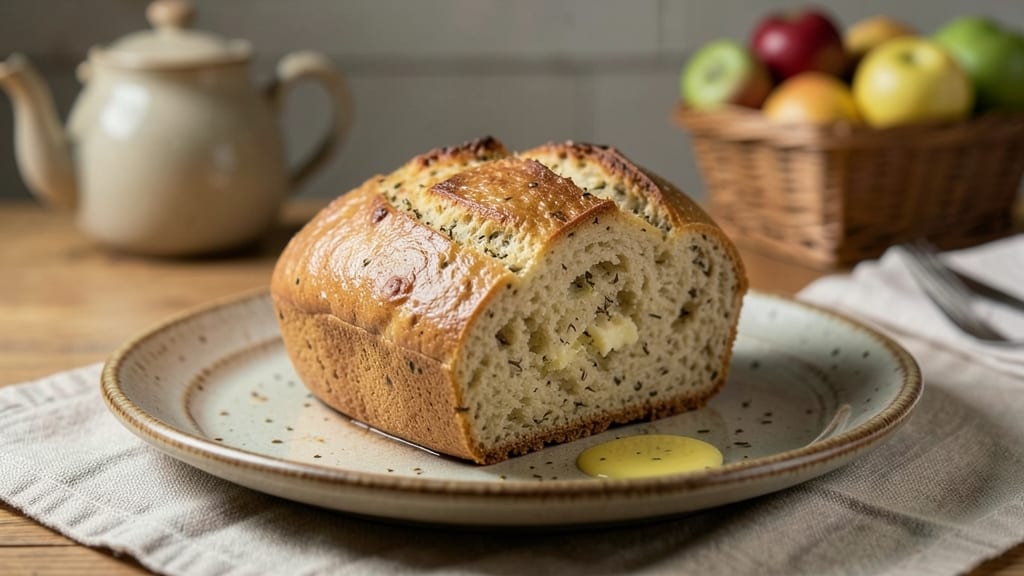
This aniseed bread recipe delivers a licorice-kissed crust with a warm, aromatic heart that elevates any meal. The subtle sweetness of aniseed—similar to licorice but milder—creates a unique flavor profile that pairs beautifully with butter, cheese, or even honey.
Unlike traditional breads, this recipe relies on precise dough handling and fermentation to achieve that signature tender crumb and slightly crisp exterior.
The secret lies in the aniseed infusion, which adds depth without overpowering. We’ll use a simple dough formula with just five core ingredients, but the technique—especially the proofing time and oven spring—ensures a light, airy loaf.
Whether you’re baking for a holiday table or a cozy weeknight dinner, this bread’s warm spice notes make it a standout side dish every time.
By the end, you’ll have a golden-brown loaf with a fragrant crust that releases an intoxicating aroma as it bakes. The aniseed’s natural sweetness balances the bread’s subtle richness, creating a texture that’s both tender and satisfying.
Serve it warm with butter, pair it with soups, or enjoy it as part of a charcuterie spread—this bread is versatile enough for any occasion.
Ready in about 2 hours (including proofing), this recipe is perfect for bakers of all levels. The key is patience—letting the dough rise properly develops the best flavor and texture. Once you try it, you’ll understand why this licorice-kissed crust deserves a place in your regular baking rotation.
Ingredients for aniseed bread
Five core ingredients plus aniseed's magic—this dough transforms into golden, fragrant loaves.
| Ingredient | Amount | Notes |
|---|---|---|
| All-Purpose Flour 🌾 | 4 cups | Spooned and leveled, not packed |
| Active Dry Yeast 🍞 | ¼ oz | Or 2 1/4 tsp (1 packet) |
| Granulated Sugar 🍬 | ½ cup | For yeast activation |
| Aniseed 🌿 | 2 tbsp | Whole, lightly toasted |
| Unsalted Butter 🧈 | ½ cup | Cold, cubed (room temp) |
| Large Eggs 🥚 | 1 whole | Room temperature |
| Warm Water 💧 | 1 ¼ cups | 110°F for yeast activation |
| Diamond Crystal Kosher Salt 🧂 | 1 ½ tsp | Adjust to taste |
| Honey 🍯 | 2 tsp | For dough enrichment |
| Milk 🥛 | ¼ cup | Warm, for butter softness |
| Cornmeal 🌽 | ¼ cup | For dusting bread pan |
Aniseed is the star, so buy whole seeds from a bulk bin at Whole Foods or a spice shop—they’re fresher and more aromatic than pre-ground. Toast them lightly in a dry pan for 30 seconds to release their oils before mixing into the dough. King Arthur Flour is my go-to for the flour—it’s high-protein enough for good oven spring. The butter matters too: Plugrá or Land O’Lakes work perfectly, but avoid ultra-salted varieties. For the yeast, Saf-Instant is a lifesaver—it doesn’t need proofing in warm water, just sprinkle it in dry.
No aniseed? Fennel seeds at half the amount give a similar licorice note, though subtler. Short on honey? Maple syrup works 1:1, but the flavor shifts slightly. The warm milk is key for softening butter without melting it—any dairy milk works, but avoid plant-based versions if you want proper richness. For a gluten-free twist, swap flour for a 1:1 GF blend, but expect a denser crumb. The cornmeal? Polenta works too—just make sure it’s fine-ground for even dusting.
Dough keeps 24 hours in the fridge wrapped tightly in plastic—pull it out 2 hours before baking to come to room temp. For longer storage, freeze shaped loaves (unbaked) for up to 3 months. Thaw overnight in the fridge, then proof and bake as directed. The crust stays crisp for 3 days if wrapped in a cool, dry place, but the interior softens best when reheated—wrap in foil and warm at 300°F for 10 minutes.
Why You'll Love This Recipe
- No-Knead Magic: I swear by this—just mix, wait, and bake. The yeast does all the work while I sip coffee, and that golden crust? Worth the 10-minute hands-off time.
- Licorice-Kissed Warmth: That aniseed isn’t just flavor—it’s character. Sweet, herbal, with a faint licorice note that lingers like a hug. Honestly, I reach for this bread when I want something familiar but with a little twist.
- Breakfast to Brunch: Slather it with butter for toast, tear it into croutons for salads, or use it to sop up soup. Between us, I’ve even turned stale slices into breadcrumbs for meatballs—because waste isn’t an option.
- Budget-Friendly Staple: Flour, yeast, sugar—ingredients I already have. The butter adds richness without breaking the bank, and a loaf lasts me a week. (Yes, even on a Tuesday night.)
Step-by-step instructions for aniseed bread
Here's how to craft this aromatic loaf with a crisp crust and fragrant aniseed heart.
Activate the Yeast and Prepare the Dough Base
In a small bowl, whisk together the 1.25 cups warm water (about 110°F), 0.5 cup granulated sugar, and 0.25 oz active dry yeast. Let it sit for 5-10 minutes until frothy—this confirms your yeast is alive and ready to work. If it doesn't bubble, start over with fresh yeast.
In a large mixing bowl, combine the 4 cups all-purpose flour, 1.5 tsp diamond crystal kosher salt, and 2 tbsp aniseed. The aniseed should be lightly toasted first (toast in a dry pan for 1 minute until fragrant) to intensify its licorice flavor. Make a well in the center and pour in the yeast mixture, then add the 0.5 cup cold cubed unsalted butter and 0.25 cup warm milk.
Knead the Dough Until Smooth and Elastic
Using a stand mixer fitted with the dough hook or by hand, knead the dough for 5-7 minutes until it becomes smooth and elastic. You'll know it's ready when it forms a windowpane—press your fingers into the dough and gently pull apart to create a thin film. If it sticks, add 1 tablespoon flour at a time until it releases cleanly.
Real talk: Aniseed can make dough stickier, so don't rush this step. The butter needs to fully incorporate for that tender crumb. Once the dough pulls away from the bowl and springs back when poked, you're golden.
First Rise and Enrich with Honey
Lightly oil a large bowl, place the dough inside, and cover with a damp towel. Let it rise in a warm place for 1-1.5 hours until doubled in size. The dough should feel light and airy—press a finger into it, and it should spring back slowly.
After the first rise, punch down the dough to release air, then stir in the 2 tsp honey and 1 whole room-temperature egg. This enriches the dough for a softer texture. Knead briefly for 1 minute by hand just to distribute the honey and egg evenly.
Shape and Final Rise for Maximum Flavor
Divide the dough into 4 equal portions (about 8 oz each) and shape each into a smooth ball. Place them in a greased 9x5-inch loaf pan, spacing them evenly. Cover loosely with plastic wrap and let rise for 30-45 minutes until they've puffed slightly and touch the edges of the pan.
Here's the thing—don't over-rise or your bread will collapse. The dough should be just about ready when it reaches the top of the pan. Brush the tops with a little milk for a golden finish, then sprinkle with 0.25 cup cornmeal for texture.
Bake to Perfection with a Crisp Crust
Preheat your oven to 375°F. Bake the bread for 30-35 minutes until the crust is deep golden brown and sounds hollow when tapped on the bottom. The internal temperature should reach 190°F—this ensures a fully baked, tender crumb.
Remove from the oven and let cool on a wire rack for 10 minutes before slicing. The aniseed flavor will mellow slightly as it cools, but the crust will stay crisp. For extra warmth, brush the crust with melted butter while still warm—it'll soak in beautifully and add another layer of richness.
Pro Tips For Making Aniseed Bread
- Toast the Aniseed: Skip the raw aniseed—it’ll make your bread taste like medicine. Lightly toast the seeds in a dry pan for 30 seconds until fragrant, then grind them coarsely. This brings out their flavor without bitterness, and the texture stays intact.
- Proof at Room Temp: Yeast hates cold dough. Mix your wet ingredients (warm water, melted butter, sugar) and let them sit for 10 minutes before adding yeast and flour—this jumpstarts fermentation. If your kitchen’s chilly, proof the dough in a slightly warm spot (like the oven with the light on) for 1–2 hours, not all day.
- Don’t Overknead the Dough: Aniseed bread needs structure, but too much kneading turns it tough. Stop when the dough springs back slowly when poked (about 8–10 minutes by hand). Overworking it develops gluten too much, drowning out the aniseed’s delicate flavor.
- Brush with Melted Butter: After baking, let the bread cool 5 minutes, then brush the top with melted butter mixed with a pinch of sugar. It’s lazy to skip this—it’s the difference between dry, crumbly bread and something that actually tastes like dessert. (Yes, even if you’re not making French toast.)
Flavor customization for aniseed bread
Sweet-Spiced Twist
Add 1 tsp cinnamon and ½ tsp cardamom to the dough for a Middle Eastern-inspired variation. These spices complement the aniseed beautifully, creating a warm, aromatic profile reminiscent of baklava.
I like toasting the cinnamon and cardamom pods in a dry pan for 30 seconds before grinding them into the dough—this intensifies their natural oils and flavors. 🌿
Citrus Zest Brightness
Infuse the dough with 1 tbsp lemon zest or orange zest for a refreshing contrast to the licorice notes. The citrus brightens the aniseed’s sweetness while adding a subtle tang.
I recommend using organic lemons or oranges to avoid wax residue, and always zest the outer layer for the most intense flavor. Pair this variation with a honey glaze for extra shine. 🍋
Herbal Earthiness
Swap 1 tbsp aniseed for 1 tbsp dried rosemary or thyme to create a rustic, herby loaf. The earthy notes of rosemary or thyme balance the aniseed’s sweetness, giving the bread a savory depth.
I prefer using fresh herbs if possible—finely chop them and mix them into the dough during the kneading stage. This variation works especially well with roasted meats or hearty stews. 🌿
Nutty Crunch
Fold ¼ cup chopped walnuts or pecans into the dough during the final kneading step for added texture. The nuts add a satisfying crunch that contrasts with the bread’s tender crumb. Toast the nuts first in a dry pan for 2-3 minutes to enhance their flavor.
This variation is perfect for those who love a mix of sweet and savory in every bite. 🌰
Honeyed Caramelization
Increase the honey to 3 tbsp and add 1 tbsp brown sugar for a deeper caramelized flavor. Brush the tops of the loaves with an extra 1 tbsp honey before baking to create a sticky, glossy crust.
This variation is ideal for serving with cheese or as a dessert bread—just drizzle with more honey after baking. 🍯
Smoky Depth
For a smoky twist, add ½ tsp smoked paprika to the dough and brush the baked loaves with a mixture of 1 tbsp melted butter and ½ tsp smoked salt while still warm.
The smoky flavor pairs exceptionally well with the aniseed, creating a complex, savory-sweet profile. This variation is a hit with barbecue or grilled dishes. 🔥
Nutrition facts
Frequently asked questions
Why does my aniseed bread taste bitter?
Over-toasted aniseed is the most common culprit—lightly toast for just 30 seconds to release flavor without burning. Also check your yeast: if it's expired or old, it can create bitter byproducts. For extra sweetness, add 1 extra tsp honey during the final knead.
Can I make this bread without a stand mixer?
Knead by hand on a lightly floured surface for 8-10 minutes until the dough becomes smooth and elastic. The aniseed makes dough stickier, so wet your hands occasionally and avoid adding too much extra flour—this can make the bread dense.
How do I store aniseed bread to keep it fresh?
Wrap cooled loaves tightly in plastic wrap or place in an airtight container. For best texture, store at room temperature for 2-3 days. To revive stale bread, wrap in foil and warm at 300°F for 5-7 minutes. For longer storage, freeze baked loaves for up to 3 months—thaw overnight in the fridge.
What's the best way to reheat aniseed bread?
For crispy crust: Wrap in foil and warm at 300°F for 5-7 minutes. For soft interior: Brush with melted butter and warm at 350°F for 3-4 minutes. A quick microwave zap (10 seconds) works in a pinch, but it won't restore the crust's crispness.
Can I substitute aniseed with other spices?
Yes! For ½ tsp fennel seeds (similar licorice flavor) or 1 tsp cinnamon (warmer, sweeter). Star anise pods (½ pod, crushed) work too but need careful measuring—start small. Each spice changes the flavor profile, so taste your dough before final kneading.