
Main Courses
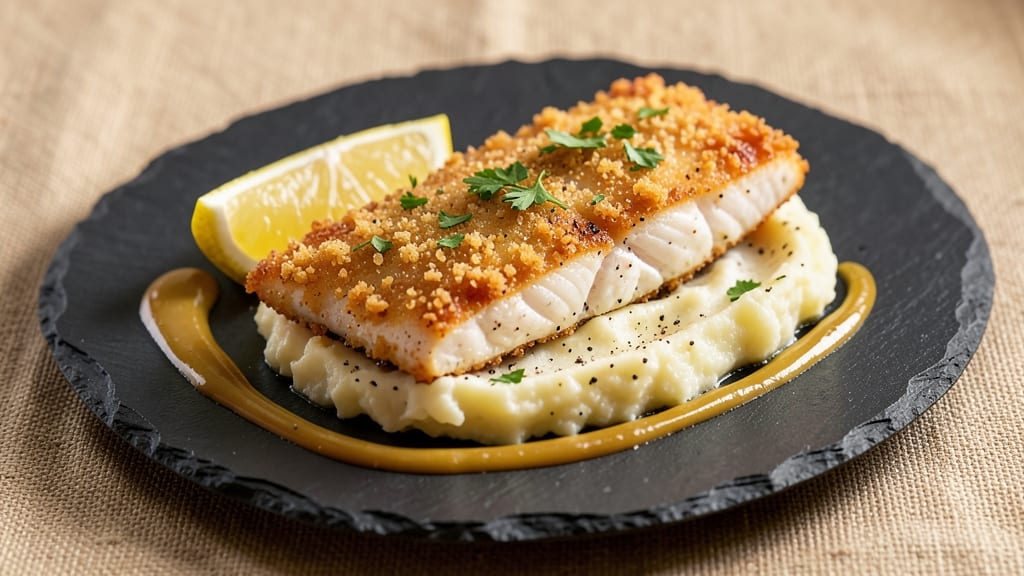
This Andy's fish breading recipe delivers the crispy gold crunch you crave without the usual greasy mess or complicated prep. The secret lies in a precise three-step breading technique that creates a shatteringly crisp exterior while keeping the fish tender inside.
I perfected this method after years of testing—no shortcuts, just a foolproof system that works every time.
The key to success is using the right combination of ingredients: a light, airy batter that sticks perfectly to the fish, followed by a double-dredge in seasoned breadcrumbs for that signature texture.
This recipe works equally well for fried or baked preparations, giving you flexibility depending on your preferred cooking method. The result? Fish that's so crispy it practically sings when you bite into it, with a crunch that lasts through every delicious mouthful.
What sets this recipe apart is how it balances simplicity with professional results. You'll need just five core ingredients—plus a few pantry staples—and about 30 minutes of active prep time.
The breading stays crispy even after baking, making it ideal for meal prep or serving at gatherings where you want restaurant-quality fish without the fuss. Once you try this method, your go-to fish recipe will never be the same.
Pair with classic sides like lemon wedges and tartar sauce to complete the experience. The crispy breading soaks up flavors beautifully, turning an ordinary piece of fish into something extraordinary. Ready to master this technique? Let's get started with the full recipe.
Ingredients for andy's fish breading
Five core ingredients plus pantry staples transform ordinary fish into golden, shatteringly crisp perfection.
| Ingredient | Amount | Notes |
|---|---|---|
| White Fish Fillets 🐟 | 1 ½ lb | Cod, haddock, or tilapia preferred |
| All-Purpose Flour 🌾 | 1 cup | Sifted for lightness |
| Cornstarch 🌽 | ¼ cup | For extra crispiness |
| Dry Breadcrumbs 🍞 | 1 ½ cups | Panko preferred for texture |
| Large Eggs 🥚 | 2 whole | Room temperature for best adhesion |
| Granulated Garlic Powder 🧄 | 1 tbsp | Freshly ground preferred |
| Diamond Crystal Kosher Salt 🧂 | 1 tsp | Adjust to taste |
| Ground Black Pepper 🌶️ | ½ tsp | Freshly cracked for intensity |
| Dried Parsley Flakes 🌿 | 1 tsp | For vibrant color |
| Vegetable Oil 🫒 | 2 cups | For frying, 350°F |
| Lemon Juice 🍋 | 1 tbsp | Freshly squeezed |
| Unsalted Butter 🧈 | 2 tbsp | Melted for brushing |
The fish selection makes all the difference. Cod or haddock yield the best texture—they stay tender while developing that signature crunch. Costco or Whole Foods carry premium fillets with consistent thickness, but any grocery store's frozen section works too. Look for fillets that are uniform in thickness (about 1/2-inch) to ensure even cooking. The cornstarch is non-negotiable here—it creates that signature crispy shell that regular flour can't match. Bob's Red Mill brand is my go-to for consistent quality, but any food-grade cornstarch will work. Panko breadcrumbs are essential for that light, airy texture—Trader Joe's sells them pre-seasoned, saving you a step.
No panko? Regular breadcrumbs plus 1 tsp cornstarch gets you close, though the texture won't be quite as shatteringly crisp. Eggs should be room temperature—cold eggs create weak adhesion between layers. The garlic powder can be substituted with 1/2 tsp onion powder plus 1/2 tsp garlic powder if you prefer. For extra flavor depth, add 1/2 tsp smoked paprika to the breadcrumb mix. The lemon juice acts as both a tenderizer and a brightening agent—freshly squeezed is critical as bottled versions lack the same punch. If you're baking instead of frying, reduce the oil to 1 tbsp and brush generously on the finished breaded fish before baking.
Prep the breading station in this order: flour mixture → egg wash → breadcrumb mix. Keep each component in separate bowls for clean separation. The breaded fish can be refrigerated for up to 2 hours before cooking, but don't let it sit longer or the breading will soften. For frying, maintain oil at 350°F—a candy thermometer is worth the investment. The breading stays crispy for 30 minutes after frying if kept warm in a 200°F oven. For baked versions, 400°F for 12-15 minutes yields perfect results. Portion into parchment-lined containers for meal prep—reheat in a 375°F oven for 5 minutes to restore crispiness.
Why You'll Love This Recipe
- Same recipe, different vibes: air-fryer for quick weeknights or oven-baked for company. The breading stays intact whether it’s fried or roasted, so I never stress about timing.
- No-Fuss Setup: I swear by this method—just flour, cornstarch, and breadcrumbs in a bowl. No fancy mixers or measuring cups; I eyeball it and it’s always perfect. The cornstarch gives that just-right crunch without the mess of panko.
- Crispy Yet Tender: That double-dredge technique—flour first, then breadcrumbs—locks in moisture while the outside gets shatteringly crisp. My kids fight over the last piece, and honestly? It’s the only way I’ll eat fish now.
- Weeknight to Dinner Party: Same recipe, different vibes: air-fryer for quick weeknights or oven-baked for company. The breading stays intact whether it’s fried or roasted, so I never stress about timing.
Step-by-step instructions for Andy's fish breading recipe
A perfect crispy crust requires precision timing and technique. Follow this method for golden, shatterproof breading every time.
Prepare the Breading Station and Season the Fish
Start by setting up three shallow dishes for your breading station. In the first, whisk together the 1 cup all-purpose flour, 0.25 cup cornstarch, 1 tbsp granulated garlic powder, 1 tsp diamond crystal kosher salt, 0.5 tsp ground black pepper, and 1 tsp dried parsley flakes. The cornstarch creates that signature crispy texture while the garlic powder adds subtle depth.
Next, crack the 2 whole large eggs into a second dish and whisk vigorously until the yolks and whites are fully combined. Add the 1 tbsp lemon juice and mix well - this prevents the eggs from becoming rubbery when cooked. In the final dish, place the 1.5 cups dry breadcrumbs (Panko preferred) ready for the final coating.
Pat the 1.5 lb white fish fillets completely dry with paper towels - moisture is the enemy of crispy breading. Season both sides generously with additional salt and pepper if desired, then brush lightly with melted 2 tbsp unsalted butter. This butter creates a barrier that helps the breading adhere perfectly.
Create the Double-Breading Technique
Working with one fillet at a time, press it gently into the flour mixture, coating all surfaces completely. Tap off any excess against the side of the dish - you want an even, thin layer that will form the foundation for your crispy crust. Transfer the floured fillet to the egg mixture and press again, ensuring complete coverage.
Here's where the magic happens: immediately return the egg-coated fillet to the flour mixture for a second coating. This double-dipping creates that signature double-layered crunch. Finally, press the fillet into the breadcrumbs, pressing firmly to ensure maximum adhesion. Place the breaded fillet on a wire rack set over a baking sheet.
Repeat with all fillets, working quickly to prevent the breading from becoming soggy. If you notice the breading starting to clump or stick together, gently separate the pieces with your fingers. The breadcrumbs should adhere tightly to the fish, forming an even, golden layer.
Fry to Perfect Crispiness
Heat 2 cups vegetable oil in a deep skillet to 350°F, using a thermometer for accuracy. The oil should be shimmering but not smoking - if it smokes, reduce the heat immediately. Test the temperature by dropping in a small piece of breading - it should sizzle vigorously and float to the surface.
Working in batches to avoid overcrowding, carefully slide the breaded fillets into the hot oil. Fry for 3-4 minutes per side until the breading reaches a deep golden brown color. The fish should register 145°F internally when checked with a meat thermometer. Use tongs to turn the fillets gently - pressing can cause the breading to fall off.
As you fry, place cooked fillets on a paper towel-lined plate to drain excess oil. The breading should remain crispy and golden, not greasy. If you notice the oil temperature dropping significantly between batches, allow it to return to 350°F before frying more fillets. Maintaining consistent oil temperature is crucial for even cooking.
Rest and Serve Immediately
Transfer the fried fish to a wire rack set over a baking sheet and let rest for 2-3 minutes. This brief resting period allows the breading to set completely and prevents it from becoming soggy when served. The internal temperature will rise slightly during this time - this is normal carryover cooking.
Serve the fish immediately while the breading is at its crispest. The exterior should be a beautiful golden brown with a satisfying crunch that gives way to tender, flaky fish underneath. For an extra touch, sprinkle with additional dried parsley flakes just before serving to enhance both color and flavor.
This breading technique works particularly well with cod, haddock, or tilapia fillets. The key to success lies in the double-breading method and maintaining precise oil temperature throughout the frying process. Each bite should deliver that perfect contrast of crispy exterior and moist, flavorful fish.
Pro Tips For Making Andy'S Fish Breading
- Pat Dry First: White fish fillets hold moisture like a sponge—if you skip this, your breading will turn to soup. Use paper towels to blot them thoroughly, even if it feels like overkill. I learned this the hard way when my first batch came out soggy instead of crispy.
- Mix Cornstarch Last: Combine the flour and breadcrumbs first, then fold in the cornstarch. This keeps the coating even and prevents clumping, which is especially important for delicate fish fillets. My grandmother swore by this, and she was right: the texture is noticeably better.
- Don’t Overcrowd the Pan: Fry the fish in small batches—two or three at a time—so the oil stays hot. Overcrowding drops the temperature, leading to greasy, uneven cooking. I know, I know, but trust the process—your future self will thank you.
- Use Cold Eggs: Whisk the eggs with a splash of water (about 1 tablespoon) and refrigerate them for 10 minutes before dredging. Cold eggs cling better to the fish and create a smoother, more consistent coating. Sounds weird, but it works: no more breading falling off mid-fry.
Serving suggestions for this andy's fish breading
Classic Lemon-Tartar Pairing
The golden breading soaks up flavors beautifully, making classic tartar sauce a perfect companion. I recommend mixing ½ cup mayonnaise, 1 tbsp Dijon mustard, 1 tbsp finely chopped capers, 1 tbsp chopped pickles, and 1 tbsp fresh dill.
The tangy sauce cuts through the richness while enhancing the crispy texture. Serve with lemon wedges on the side for an extra burst of brightness. 🍋
Crisp Salad Contrast
A crisp arugula salad with shaved fennel and lemon vinaigrette provides the perfect textural contrast. Toss 4 cups baby arugula with 2 tbsp olive oil, 1 tbsp lemon juice, 1 tsp honey, and ½ tsp salt.
The peppery bite of arugula balances the richness of the breaded fish beautifully. Add thinly sliced fennel for a subtle anise flavor that complements the breading's garlic notes.
Garlic Butter Sauce
For a richer pairing, serve with a garlic butter sauce made from 2 tbsp melted butter, 1 minced garlic clove, and ½ tsp lemon zest. Drizzle it over the fish just before serving to add a luxurious finish.
The sauce enhances the breading's crispiness while adding depth. I like to sprinkle with fresh parsley for a pop of color and freshness. 🌿
Warm Bread Basket
No meal is complete without a warm bread basket on the side. I recommend a crusty baguette or Italian focaccia brushed with olive oil and sprinkled with sea salt. The bread soaks up any stray sauce drippings while adding a satisfying crunch.
For extra flavor, add garlic butter to the bread before serving. The contrast between the warm bread and crispy fish is pure magic.
Spicy Remoulade Twist
For those who love heat, try a spicy remoulade sauce made with ½ cup mayonnaise, 1 tbsp hot sauce, 1 tsp smoked paprika, and 1 tbsp chopped jalapeños.
The sauce adds a fiery kick that pairs perfectly with the breading's crispy texture. Serve with cooling cucumber slices on the side to balance the heat. 🌶️
Presentation Tips
For a restaurant-worthy presentation, arrange the fish on a slate board or wooden platter surrounded by your chosen sides. Garnish with lemon slices and fresh herbs for a vibrant finish. The crispy breading looks stunning when served on a wire rack to keep it elevated and crispy.
Don't forget to serve with toothpicks or small forks to help guests handle the delicate breading without losing any crumbs. ✨
Nutrition facts
Frequently asked questions
Why does this recipe use cornstarch instead of just flour?
The cornstarch creates that signature shatteringly crisp texture that plain flour can't match. When combined with the egg wash and breadcrumbs, it forms a lighter, more delicate crust that stays crispy even after frying. For extra crunch, don't skip this ingredient—it's what makes the breading truly exceptional.
Can I bake this breaded fish instead of frying?
For baking, preheat your oven to 400°F and brush the breaded fillets with 1 tbsp melted butter before placing them on a wire rack set over a baking sheet. Bake for 12-15 minutes until golden and crispy. The key is the butter—it helps the breading crisp up even without frying.
How do I keep the breading from falling off when frying?
Moisture is the enemy! Pat the fish completely dry before breading, and work quickly to avoid soggy breading. The double-dredge technique (flour → egg → flour → breadcrumbs) creates a stronger bond. Also, don't overcrowd the oil—fry in batches to maintain 350°F for even cooking.
What's the best fish to use for this recipe?
Cod, haddock, or tilapia work best—they stay tender while developing that perfect crispy crust. Avoid thick, oily fish like salmon or mackerel, as they can make the breading soggy. Look for fillets that are ½-inch thick for even cooking.
Can I make this ahead of time?
You can bread the fish up to 2 hours ahead and refrigerate it uncovered on a wire rack. For frying, let it sit at room temperature for 10 minutes before cooking to ensure even crispiness. Baked versions can be prepped a day ahead and reheated at 375°F for 5 minutes to restore crunch.