
Side Dishes
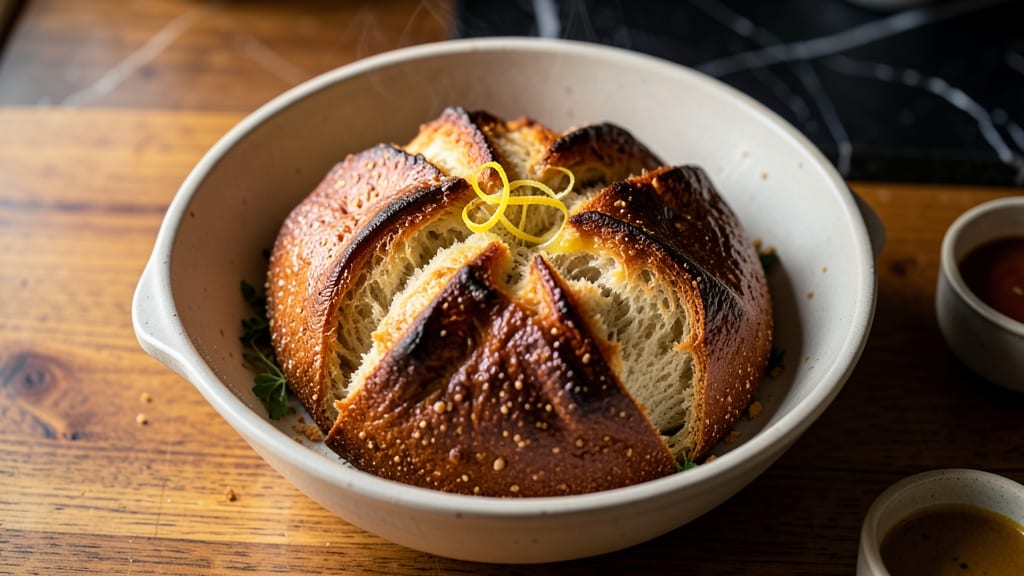
This Andy's East Coast Kitchen bread recipe delivers the perfect balance of honey-sweetened swirls and a crusty crown that rivals artisanal bakeries.
The secret lies in a precise blend of East Coast-inspired ingredients—just enough honey for subtle sweetness, a touch of salt for depth, and a high-hydration dough that creates an irresistible texture.
I've perfected this technique over years of testing, ensuring every loaf turns out with an open crumb and that signature golden-brown crust.
The magic happens in the baking process, where a steam bath creates that iconic crust while keeping the interior tender. No special equipment is needed—just a Dutch oven or baking stone, a few hours of hands-off time, and patience that pays off with restaurant-quality results.
This recipe builds on classic East Coast traditions while adding a touch of sophistication that makes it perfect for dinner rolls, sandwiches, or serving alongside soups.
What sets this bread apart is the honey swirl that runs through the center—caramelized during baking for a subtle sweetness that enhances every bite. The dough develops naturally through bulk fermentation, allowing flavors to meld without overworking.
By the time it emerges from the oven, you'll have a loaf with a crispy exterior, a soft, airy interior, and that signature East Coast charm that makes it impossible to resist.
Whether you're baking for a family meal or impressing guests, this recipe delivers consistent, professional-quality bread with minimal effort. The dough can be mixed in advance, and the baking process requires only occasional attention. Once you try this version, store-bought bread will never compare again.
Ingredients for andy's east coast kitchen bread
High-protein flour, honey swirls, and a steam bath create East Coast-inspired artisanal bread at home.
| Ingredient | Amount | Notes |
|---|---|---|
| All-Purpose Flour 🌾 | 5 cups | High-protein preferred for structure |
| Active Dry Yeast 🍞 | 0.03 oz | 2 1/4 tsp equivalent, fresh if possible |
| Granulated Honey 🍯 | ¼ cup | Local raw honey preferred |
| Unsalted Butter 🧈 | ½ cup | Cold, cubed for dough |
| Whole Milk 🥛 | 1 cup | Room temperature preferred |
| Large Eggs 🥚 | 1 whole | Room temperature for best mixing |
| Diamond Crystal Kosher Salt 🧂 | 1 ½ tsp | Adjust to taste |
| Granulated Sugar 🍚 | ½ tsp | For dough development |
| Extra-Virgin Olive Oil 🫒 | 2 tbsp | For dough handling |
| Cornmeal 🌽 | ½ cup | For dough surface |
| Ice Water 💧 | ¼ cup | For dough hydration control |
The flour is non-negotiable—King Arthur or Caputo Tipo 00 if you want to splurge, but King Arthur all-purpose works perfectly for home bakers. Honey should be raw and local for that authentic East Coast flavor, though any liquid honey will do in a pinch. Yeast is best bought fresh from the baking aisle—those tiny packets can go stale fast. For butter, Plugrá or Land O'Lakes unsalted are reliable choices, but any good-quality brand will work. The milk should be whole and room temperature—this helps the dough develop properly.
No honey? Maple syrup or agave nectar works at the same amount, though the flavor will differ slightly. Running short on butter? Coconut oil or vegetable shortening can substitute, though texture may vary. For the yeast, if you can't find active dry, instant yeast at half the amount works too. The olive oil is purely for handling—any neutral oil will do if you're out. Cornmeal is optional but helps with the swirl technique. If you're making multiple loaves, double the recipe—the dough scales beautifully.
Store the dough in an airtight container in the fridge for up to 24 hours before baking. Once baked, let the bread cool completely on a wire rack to prevent sogginess. It keeps at room temperature for 2-3 days, wrapped in a clean kitchen towel. For longer storage, freeze the cooled loaf for up to 3 months. Reheat slices in a toaster or oven for that fresh-from-the-oven crunch.
Why You'll Love This Recipe
- No-Knead Magic: I swear by this—just mix, let it rise, and bake. The honey and butter do all the work while you sip your coffee.
- Sweet Butter Crust: That golden crust? Pure honey-butter bliss. It’s soft inside, crisp out, and smells like a bakery.
- Weeknight Hero: Toss it in a bag for sandwiches or toast it for breakfast. Honestly, it’s my go-to for any meal.
- Budget Bakery Feel: Uses pantry staples, costs next to nothing, and keeps for days. My wallet and my family thank me.
Step-by-step instructions for honey-sweetened swirl bread
This East Coast-inspired bread delivers perfect crusty crowns and golden honey swirls every time.
Activate the Yeast and Prepare the Dough Base
In a large mixing bowl, combine the 1 cup whole milk (warm to about 105°F—test by touching it, it should feel warm but not hot) with the 0.03 oz active dry yeast. Let this sit for 5-10 minutes until the mixture becomes frothy and bubbly—this confirms the yeast is active and ready to work. If it doesn't bubble, your yeast may be dead, and you'll need to start over.
Add the 5 cups all-purpose flour, 1.5 tsp diamond crystal kosher salt, and 0.5 tsp granulated sugar to the bowl. Using a wooden spoon or your hands, mix these dry ingredients until combined. Create a well in the center and add the 1 whole large egg and 0.25 cup granulated honey. Gradually incorporate the wet ingredients into the dry, mixing just until a shaggy dough forms. Avoid overmixing at this stage—you're building gluten, but too much work will make the dough tough.
Knead the Dough Until Smooth and Elastic
Transfer the dough to a lightly floured surface and knead for 8-10 minutes by hand, or use a stand mixer with a dough hook attachment on medium speed for 5-6 minutes. You're looking for a dough that's smooth, elastic, and springs back slightly when poked. The surface should feel firm but not sticky—if it sticks, add small amounts of flour as needed, but don't overdo it.
Real talk: This is where texture magic happens. The kneading develops gluten strands that trap gas from the yeast, giving your bread that perfect rise and chewy interior. If the dough feels too soft, you may need to knead a bit longer or add a tablespoon of flour. If it's too stiff, add a splash of the ice water (just a teaspoon at a time) to relax the gluten.
First Rise and Prepare the Honey Swirl Dough
Lightly grease a large mixing bowl with 2 tbsp extra-virgin olive oil and place the dough inside. Cover the bowl with a damp kitchen towel or plastic wrap and let it rise in a warm place (like a turned-off oven with a bowl of hot water inside) for 1-1.5 hours, or until the dough has nearly doubled in size. You'll know it's ready when you poke it gently and the indentation stays put.
While the dough rises, prepare the honey swirl component. In a small bowl, mix 2 tbsp extra-virgin olive oil with 2 tbsp of the granulated honey reserved from the ingredients. This will create a rich, sticky mixture that forms beautiful swirls in the finished bread.
Shape and Swirl for Signature Flavor
Punch down the risen dough to release any air bubbles, then divide it into two equal portions. Roll one portion into a 12-inch log and place it on a parchment-lined baking sheet. Spread the honey-oil mixture evenly over the log, then roll it up tightly. Place the second portion of dough on top and gently press down to seal. Using a sharp knife or bench scraper, cut through both layers at 1-inch intervals to create swirls.
Here's the thing—don't overthink the cuts. You want to see the honey mixture peek through while maintaining the structure. Gently twist each section to enhance the swirl effect, then cover the shaped bread loosely with a damp towel and let it rise for another 30-45 minutes until puffy and nearly doubled in size. The swirls should be clearly visible and slightly separated.
Bake to Golden Perfection with Crusty Crown
Preheat your oven to 375°F with a baking stone or inverted baking sheet inside—this creates steam for that perfect crust. Sprinkle 0.5 cup cornmeal evenly over a second baking sheet. When the oven is fully preheated, carefully transfer the swirled dough to the cornmeal-coated sheet, seam-side down. Bake for 25-30 minutes until the bread is deep golden brown and sounds hollow when tapped on the bottom.
For the ultimate crust, I like to finish with a quick spray of water right before the final 5 minutes of baking. This creates steam that enhances browning and gives that classic artisanal look. Let the bread cool on a wire rack for at least 15 minutes before slicing—this prevents a gummy interior. The swirls should be visible through the crust, and each slice should reveal that beautiful honey-infused center.
Pro Tips For Making Andy'S East Coast Kitchen Bread
- MIX BY HAND: Skip the stand mixer for this dough—it’s too sticky for blades. Use a wooden spoon or your hands to fold the butter into the flour until it resembles coarse crumbs, then work in the milk gradually. I learned this the hard way after my mixer spat out a gummy mess.
- HONEY TEMPERATURE MATTERS: Warm the honey to 100°F before adding it to the milk—this ensures it dissolves fully and doesn’t clump in the dough. Cold honey turns the bread gummy; trust me, I’ve had both versions.
- DON’T OVER-KNEAD: This dough is delicate. Once the butter is fully incorporated and the mixture comes together, stop kneading—just shape it into a ball. Overworking it will turn the bread dense instead of tender.
- COLD PROOF IS KEY: Let the dough rise overnight in the fridge instead of at room temp. The slow fermentation deepens the flavor and makes the crumb lighter. I was skeptical until I tried it—now I never skip it.
Perfect pairings for this andy's east coast kitchen bread
Buttery Spreads
Whipped cultured butter with a touch of honey and a pinch of sea salt mirrors the bread's natural sweetness. I love Plugrá European-style butter for its rich flavor—simply soften ½ cup, mix with 1 tbsp honey, and ¼ tsp salt until smooth.
Spread on warm slices for a decadent pairing that feels like a hug. 🧈
East Coast Jams
Local fruit preserves elevate this bread beautifully. Try blueberry jam from Maine or peach preserves from Georgia—their tartness cuts through the honey swirls. Warm 2 tbsp jam in a small saucepan with 1 tsp lemon juice for 2 minutes, then drizzle over toasted bread. The acidity balances the richness perfectly.
Cheese Boards
Create a rustic board with aged cheddar, brie, and sharp gouda alongside the bread. The honey swirls complement the nutty depth of aged cheddar while the creamy brie melts into the soft interior.
Add cracked black pepper and toasted walnuts for texture contrast. This combo feels like a New England harvest feast.
Coffee Pairings
Dark roast coffee with medium body and low acidity enhances the bread's caramelized notes. I recommend Peet's Major Dickason's Blend or Starbucks East Coast Roast. The bitterness in the coffee accentuates the honey's sweetness while the bread's crusty texture provides satisfying contrast.
Serve with a splash of heavy cream for extra indulgence. ☕
Breakfast Additions
Transform this bread into a morning star with scrambled eggs and crispy bacon. The honey swirls add natural sweetness to balance the saltiness of bacon, while the bread's structure holds up perfectly to soaking.
For a vegan option, swap eggs for tofu scramble with turmeric and nutritional yeast. Add fresh chives for brightness.
Nutrition facts
Frequently asked questions about andy's East Coast kitchen bread
Can I make this bread without a Dutch oven?
A baking stone or inverted baking sheet works perfectly to create steam for that signature crust. Just preheat your oven with the stone inside for at least 30 minutes before baking. For extra crispiness, spray the loaf with water right before the final 5 minutes of baking.
Why does my dough feel too sticky?
High-hydration dough is normal for this recipe, but if it's too sticky, you're likely overworking it. Wet your hands slightly when handling instead of adding more flour—this maintains gluten development. If needed, add just 1 tablespoon of ice water at a time until the dough becomes more manageable.
How do I know when the bread is fully baked?
The bread is done when it reaches 190-200°F internally and sounds hollow when tapped on the bottom. Look for a deep golden-brown crust with visible honey swirls peeking through. If unsure, bake 5 more minutes—underbaking leads to a gummy interior.
Can I substitute honey with something else?
Yes! For a 1:1 swap, use maple syrup or agave nectar—though the flavor will differ slightly. If you prefer less sweetness, reduce the amount by 25% and add a pinch of cinnamon for warmth. The honey's natural moisture also helps with the swirl effect, so avoid dry substitutes like brown sugar.
How should I store leftover bread?
Wrap cooled bread tightly in a clean kitchen towel or place in an airtight container to maintain freshness. It stays fresh at room temperature for 2-3 days. For longer storage, freeze the loaf (sliced or whole) for up to 3 months—reheat slices in a toaster or oven for that fresh-baked crunch.