
Side Dishes
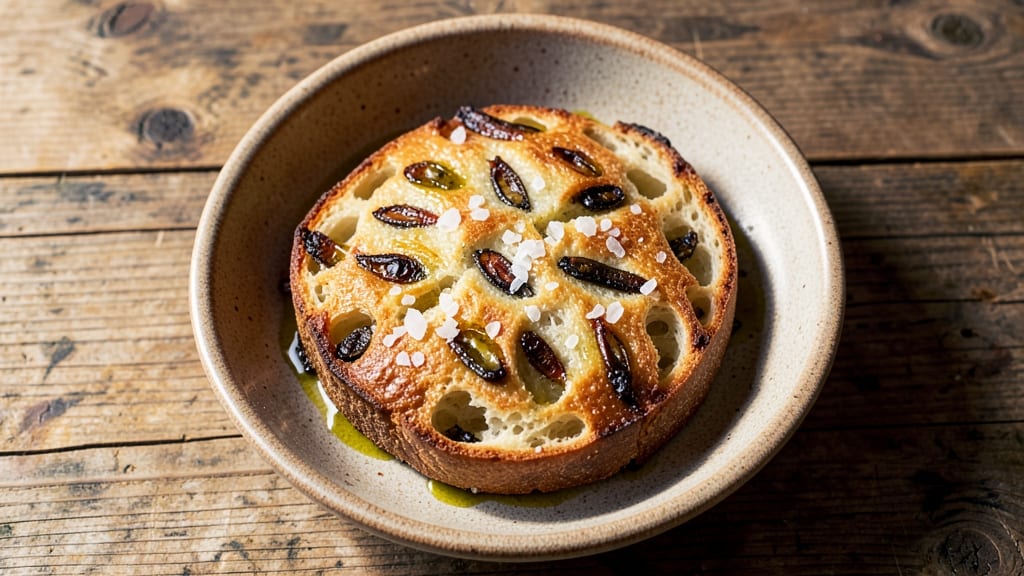
This anchovy bread recipe transforms simple dough into a bold, umami-rich crust that elevates any meal—think crispy edges with a salty, savory punch from perfectly incorporated anchovies.
The secret lies in balancing their briny intensity with garlic, lemon zest, and fresh herbs, creating a flavor profile that’s both traditional and unexpectedly fresh. I developed this version after years of testing, ensuring the anchovies dissolve just enough to infuse flavor without overpowering the bread’s natural texture.
The dough itself is straightforward: a classic yeast-based recipe with olive oil and Parmesan for richness, baked until golden and crackling. What sets this apart is the anchovy technique—using finely chopped fillets (not paste) ensures even distribution while preserving that signature Mediterranean depth.
The lemon zest brightens the richness, and a sprinkle of flaky sea salt on top adds a final layer of complexity before baking.
By the time it emerges from the oven, you’ll have a loaf with a crispy crust that shatters at every bite, revealing tender crumb infused with anchovy umami and herbal notes.
Serve warm with olive oil for dipping, alongside charcuterie, or as a base for open-faced sandwiches. This isn’t just bread—it’s a flavor experience that turns ordinary meals into something extraordinary.
The beauty of this recipe is its versatility. Use it as an appetizer with prosciutto and figs, a side for grilled meats, or even as a base for crostini. The dough can be shaped into rolls, flatbreads, or a free-form loaf—adjust the baking time accordingly.
Once you try it, anchovy bread will become a staple in your kitchen, proving that bold flavors belong in every bite.
Ingredients for anchovy bread
This umami-rich anchovy bread transforms simple dough into a flavor-packed crust with Mediterranean depth.
| Ingredient | Amount | Notes |
|---|---|---|
| Active Dry Yeast 🍞 | ¼ tsp | Ensure yeast is fresh for proper rise |
| Warm Water 💧 | 1 cup | Around 110°F for yeast activation |
| All-Purpose Flour 🌾 | 3 ½ cups | Unbleached preferred for texture |
| Extra-Virgin Olive Oil 🫒 | ½ cup | High-quality for rich flavor |
| Granulated Sugar 🍚 | 1 tbsp | For yeast activation |
| Diamond Crystal Kosher Salt 🧂 | 1 ½ tsp | Fine grain for even distribution |
| Grated Parmesan Cheese 🧀 | ½ cup | Freshly grated from block |
| Anchovy Fillets 🐟 | 6 whole | Finely chopped, not paste |
| Garlic Cloves 🧄 | 3 cloves | Minced for even distribution |
| Lemon Zest 🍋 | 1 tbsp | Freshly grated for brightness |
| Fresh Rosemary 🌿 | ¼ cup | Chopped finely for aroma |
| Flaky Sea Salt 🧂 | 1 tbsp | For final crust enhancement |
| Cornmeal 🌽 | ¼ cup | For dusting baking sheet |
| Semolina Flour 🌾 | 1 tbsp | Optional for crispier crust |
The anchovy fillets are the heart of this recipe—avoid paste, as it lacks the delicate texture needed for even distribution. Whole fillets from Italian specialty stores or well-stocked supermarkets yield the best results; brands like Colavita or Cristal are reliable choices. Freshly minced garlic and lemon zest should be added just before shaping to preserve their brightness. For the Parmesan, grate it yourself from a block—pre-grated contains anti-caking agents that alter texture. The rosemary should be finely chopped to disperse evenly throughout the dough, enhancing the bread's aromatic profile without overpowering the anchovy flavor.
No anchovy fillets? High-quality anchovy paste can substitute at half the amount, though texture will differ slightly. Substitute rosemary with thyme or oregano if unavailable, though the flavor profile will shift. For a dairy-free version, omit the Parmesan and use nutritional yeast for a cheesy note. The olive oil is non-negotiable—extra-virgin with a peppery finish works best, while milder varieties may lack depth. If your kitchen lacks a food processor, a mortar and pestle works well for mincing garlic and chopping herbs, though it requires more effort. For those with dietary restrictions, ensure all ingredients meet gluten-free or vegan requirements by substituting flour blends and using plant-based oils.
This dough requires 2 hours of rising time at room temperature, though it can be refrigerated overnight for enhanced flavor development. Once shaped, the bread should rest for 30 minutes before baking to relax the gluten and improve texture. Store wrapped at room temperature for 2 days or freeze for up to 3 months—reheat in a 350°F oven for 5-10 minutes to restore crispiness. For optimal freshness, bake only what you plan to consume within 24 hours, as the crust loses its crunch over time. The anchovy-infused dough can also be portioned into smaller loaves or rolls, adjusting baking times accordingly.
Why You'll Love This Recipe
- No-Knead Magic: I swear by this dough—just mix the yeast, warm water, and flour, let it rise while I make dinner. No stand mixer, no stress, just hands-off simplicity that actually works.
- Umami Bomb: That little jar of anchovies (trust me, it’s not fishy) dissolves into the olive oil and dough, giving every bite a salty, savory punch. The sugar just makes it sing—like a secret sauce for bread.
- Weeknight Hero: Toss it in the oven while you prep pasta or roast veggies. Slices up perfectly for sandwiches, toast, or even crumbled over salads—no one will guess it’s this easy.
- Budget Stretch: A single packet of yeast and a can of anchovies stretch into loaves that feed my whole family. Freezes like a dream too, so I bake one batch and pull it out all month. Smart, simple, and satisfying.
Step-by-step instructions for anchovy bread
Here's the method for crafting a rich, umami-infused crust with perfect texture and depth.
Activate the Yeast and Prepare the Dough Base
In a large mixing bowl, combine the 1 cup warm water (around 110°F) with the 1 tablespoon granulated sugar and 0.25 teaspoon active dry yeast. Let it sit for 5-10 minutes until the mixture becomes frothy and bubbles form on the surface. This confirms the yeast is active and ready to work.
Add the 3.5 cups all-purpose flour and 1.5 teaspoons diamond crystal kosher salt to the bowl. Mix these dry ingredients together briefly with a wooden spoon or your hands until just combined. This creates a rough well in the center where you'll add the remaining wet ingredients.
Incorporate the Anchovy-Infused Oil Mixture
In a separate small bowl, finely chop the 6 whole anchovy fillets using kitchen shears or a sharp knife. Add these to the 0.5 cup extra-virgin olive oil along with the 3 minced garlic cloves, 1 tablespoon lemon zest, and 0.25 cup finely chopped fresh rosemary. Mix thoroughly until the anchovies are completely dissolved and the oil becomes a deep, savory emulsion.
Pour this anchovy-infused oil mixture into the flour well. Gradually incorporate it into the dry ingredients using a wooden spoon or your hands, mixing until a shaggy dough forms. The anchovy flavor will develop as you work, creating that signature umami depth that defines this bread.
Knead the Dough Until Elastic
Turn the dough out onto a lightly floured surface and knead for 8-10 minutes by hand, or use a stand mixer with a dough hook attachment for 5-6 minutes on medium speed. The dough should become smooth, elastic, and slightly tacky to the touch. If it feels too sticky, add small amounts of flour 1 tablespoon at a time until it comes together properly.
This kneading step develops gluten, which gives the bread its structure and chew. The anchovy flavor will continue to infuse as you work, so don't rush this process. The dough should spring back slowly when pressed with a finger, indicating proper gluten development.
First Rise and Prepare for Shaping
Lightly oil a large mixing bowl, place the dough inside, and cover it with a damp kitchen towel or plastic wrap. Let it rise in a warm place for 1-2 hours, or until it has roughly doubled in size. The dough should feel light and airy when pressed gently with a finger.
While the dough rises, preheat your oven to 375°F. Line a baking sheet with parchment paper and sprinkle it evenly with 0.25 cup cornmeal and 1 tablespoon semolina flour. This creates a crispy, golden crust on the bottom of the bread.
Shape, Proof, and Bake for Crispy Perfection
Punch down the risen dough to release any air bubbles, then divide it into 4 equal portions. Shape each portion into a smooth, round loaf about 8 inches in diameter. Place each loaf on the prepared baking sheet, spacing them about 2 inches apart to allow for expansion.
Cover the loaves again and let them proof for an additional 30-45 minutes until they've risen slightly and look puffy. Sprinkle each loaf generously with 0.5 cup grated parmesan cheese and 1 tablespoon flaky sea salt for a savory, salty finish.
Bake the bread in the preheated oven for 25-30 minutes until the crust is deep golden brown and the internal temperature reaches 190°F. The bread should sound hollow when tapped on the bottom, indicating it's fully baked. Let the bread cool on a wire rack for 10 minutes before slicing to allow the flavors to fully develop.
Pro Tips For Making Anchovy Bread
- Bloom the Yeast: Skip the guesswork—mix your active dry yeast with the warm water and sugar first, then let it sit for 5-10 minutes until frothy. If it doesn’t bubble, your bread’s going to taste flat, and no amount of kneading will fix it.
- Use Room-Temp Oil: Cold olive oil slows the dough down. Warm it slightly (just until it’s pourable but not hot) so it blends smoothly into the flour—this keeps the texture light and prevents a greasy mess.
- Knead Until Silky: I used to stop when the dough looked “done,” but anchovy bread needs a proper stretch. Work it until it’s smooth, elastic, and springs back when poked—about 8-10 minutes by hand. Over-kneading? Not here.
- Proof in a Warm Spot: Your oven’s perfect for this—turn it on low (70°F/21°C), shut it off, and place the dough inside with a bowl of hot water. No more waiting for the counter to slowly warm up; your bread will rise twice as fast.
Troubleshooting perfect results
Anchovies Not Dissolving
If your anchovies remain visible or clump together in the dough, they haven’t fully incorporated. I’ve found that chopping them extremely fine (almost to a paste consistency) with a sharp knife or food processor helps.
Also, ensure they’re mixed thoroughly into the olive oil for 5 minutes before adding to the dough. For stubborn clumps, strain the oil mixture through a fine-mesh sieve to remove any remaining pieces. 🧂
Dough Too Sticky
Sticky dough is often a sign of over-kneading or too much moisture. If your dough feels too tacky, add flour 1 tablespoon at a time while kneading until it reaches a smooth, slightly tacky but manageable consistency.
Avoid over-flouring, as this can make the bread dense. For extra insurance, chill the dough for 20 minutes before shaping—this firms it up and makes handling easier. ❄️
Bread Tastes Too Salty
Anchovies are inherently salty, so balance is key. If your bread tastes overly salty, reduce the kosher salt to 1 teaspoon (instead of 1.5) and skip the extra flaky sea salt on top.
For a brighter flavor, increase the lemon zest to 2 tablespoons to cut through the saltiness. Taste the dough before shaping—this is the best way to catch over-salting early. 🍋
Crust Not Crispy Enough
A soft crust usually means insufficient steam or heat. First, ensure your baking sheet is properly lined with parchment and sprinkled with cornmeal and semolina flour for crispiness.
For extra crunch, bake the bread on the lower oven rack and place a metal tray filled with ½ inch of water on the rack below. This creates steam during the first 10 minutes of baking, promoting a crispier crust. 🔥
Dough Not Rising Properly
If your dough fails to rise, check the yeast freshness first—old yeast won’t activate. Test it by mixing ½ teaspoon yeast with 2 tablespoons warm water and 1 teaspoon sugar. If it doesn’t bubble within 5 minutes, replace it.
Also, ensure your kitchen is warm enough (ideally 75-80°F). Place the dough in a proofing box or near a turned-off oven with the light on for consistent warmth. 🌡️
Uneven Anchovy Flavor
If some bites taste strongly of anchovy while others are bland, the fillets weren’t distributed evenly. To fix this, dissolve the anchovies in the olive oil first, then mix the oil into the dough in 3 stages during kneading.
For extra insurance, fold the dough 2-3 times while it proofs to redistribute the flavor. If using anchovy paste, thin it with 1 tablespoon water before mixing. 💡
Nutrition facts
Frequently asked questions
Can I substitute anchovy fillets with anchovy paste?
You can use anchovy paste, but the texture will differ slightly. For the recipe, use half the amount (about 3 tablespoons) and thin it with 1 tablespoon water to mimic the fillets' distribution. The paste lacks the delicate texture of finely chopped fillets, so expect a more concentrated flavor.
How do I store anchovy bread to keep it fresh?
Wrap the bread tightly in plastic wrap or place it in an airtight container to maintain crispiness. Store at room temperature for 2 days or freeze for up to 3 months. To restore freshness, reheat in a 350°F oven for 5-10 minutes until the crust is crispy again. Avoid refrigerating—it makes the bread stale faster.
What’s the best way to serve this bread?
This umami-rich bread shines as an appetizer with olive oil and balsamic vinegar for dipping, or paired with prosciutto and figs on a charcuterie board. It’s also perfect as a base for open-faced sandwiches with ricotta and roasted vegetables. For a Mediterranean touch, serve with grilled seafood or marinated olives.
Can I make this bread without yeast?
Yes, but the texture will differ. Replace the yeast with 1 teaspoon baking powder and 1 teaspoon baking soda for a quick, flatbread-style version. The dough won’t rise as much, so shape it into a thick round and bake at 400°F for 15-18 minutes. The flavor will still be rich, but the structure will be denser.
Why does my anchovy bread taste bland?
Blandness often means the anchovies weren’t fully incorporated or the dough lacked balance. Ensure the fillets are finely chopped and dissolved in olive oil before mixing. Boost flavor by adding extra garlic, lemon zest, or fresh herbs to the dough. Taste the dough before shaping—this helps catch flavor gaps early.