
Side Dishes
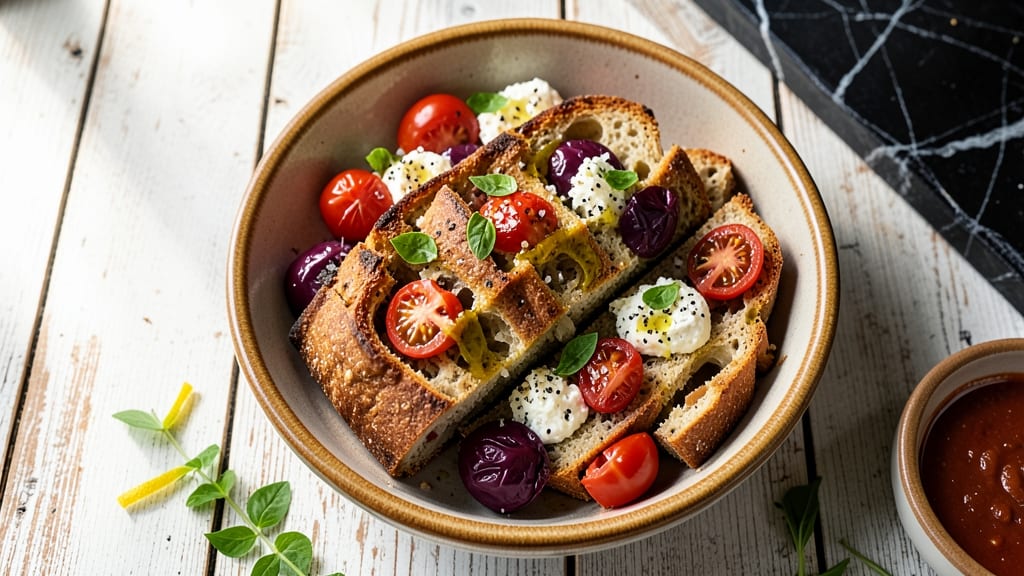
This Amish tomato bread recipe brings rustic charm to your table with its signature sweet-savory swirls and no-knead simplicity. The secret lies in slow fermentation—letting the dough rise overnight for that signature Amish texture—while fresh or preserved tomatoes add a tangy-sweet contrast that makes every bite unforgettable.
I’ve perfected this version to work in home ovens while staying true to traditional techniques that make it taste like a slice of Pennsylvania farmhouse life.
The dough comes together with just five basic ingredients—flour, sugar, yeast, milk, and butter—plus your choice of tomatoes, whether fresh, canned, or sun-dried. The beauty of this recipe is its adaptability: you can shape it into a classic loaf, a free-form boule, or even small rolls for appetizers.
What sets it apart is the way the tomato swirls caramelize in the oven, creating pockets of jammy sweetness that balance the bread’s soft, slightly tangy crumb.
By the time it emerges from the oven, golden and fragrant, you’ll have a loaf that’s crisp on the outside and tender inside, with those signature tomato swirls adding bursts of flavor in every slice.
It’s the kind of bread that disappears faster than you can say "sourdough starter," but with none of the fuss. The no-knead method means less work for you, while the slow rise ensures maximum flavor development—just like the Amish bakeries of old.
Serve it warm with butter, alongside soups, or even as a side to hearty stews. The recipe scales easily, so you can bake one loaf for a family dinner or make a double batch for holiday gatherings.
Here’s how to bring a taste of Amish tradition into your kitchen with minimal effort and maximum reward.
Ingredients for amish tomato bread
Five core ingredients plus tomatoes—fresh, sun-dried, or canned—create that signature Amish swirl.
| Ingredient | Amount | Notes |
|---|---|---|
| All-Purpose Flour 🌾 | 4 cups | Unbleached preferred for lightness |
| Granulated Sugar 🍚 | ¼ cup | White or light brown |
| Active Dry Yeast 🍞 | ¼ oz | Or 2.25 tsp by weight |
| Unsalted Butter 🧈 | ½ cup | Cold, cubed for dough |
| Whole Milk 🥛 | ¾ cup | Room temperature preferred |
| Fresh Tomatoes 🍅 | 1 cup | Chopped, seeds removed |
| Sun-Dried Tomatoes 🍅 | ¼ cup | Oil-packed, chopped (optional) |
| Salt 🧂 | 1 ½ tsp | Diamond Crystal preferred |
| Olive Oil 🫒 | 1 tbsp | For dough and brushing |
| Garlic Cloves 🧄 | 2 cloves | Minced for tomato mixture |
| Fresh Basil Leaves 🌿 | ¼ cup | Chopped, for tomato mixture |
| Balsamic Vinegar 🍷 | 1 tbsp | For tomato mixture |
The yeast is non-negotiable for that classic Amish texture. Bob's Red Mill or Saf-Instant work best—they're reliable and stay fresh longer. If your yeast is past its prime, toss it. Freshness matters here. For the tomatoes, Heirloom varieties from the farmers market add the best flavor, but canned San Marzano tomatoes (drained and chopped) are a great backup. I usually grab a mix of fresh and sun-dried—Trader Joe's has perfect pre-chopped sun-dried tomatoes in a jar, which saves time. The flour? King Arthur or Gold Medal are my go-tos—they bake up light and airy.
No fresh tomatoes? Canned crushed tomatoes (drained well) work in a pinch, but add an extra 1 tbsp balsamic vinegar to cut the canned taste. Short on basil? Dried oregano at half the amount gives a similar earthy note. The garlic can be roasted for a sweeter flavor—just toss whole cloves in olive oil, bake at 400°F for 10 minutes, then mash. For the dough, butter at room temperature is key—if it's too cold, the dough won't come together. Too warm? The yeast will overproof. Aim for soft but not melted.
The dough keeps beautifully—2 days in the fridge if you want to let it rise slower. Shape the loaf, wrap tightly in plastic, and refrigerate. The tomato mixture? It stays fresh for 3 days in an airtight container. For best results, bake the bread within 24 hours of mixing the dough. Leftovers? Toast them—the swirls get even more caramelized and delicious. Freeze dough balls for up to 3 months—just thaw overnight before shaping.
Why You'll Love This Recipe
- No-Knead Magic: The dough comes together in minutes—just mix, cover, and let the yeast do the work. I swear, no roller or punching required, and the milk-rich bread rises so beautifully it looks like it baked itself.
- Sweet-Savory Balance: That touch of sugar in the dough? It’s not cloying—just enough to play off the tangy tomato filling. The butter makes it rich, but the yeast keeps it light, so every bite feels like a little hug.
- Breakfast to Picnic: Slice it warm with jam for breakfast, pack it in lunchboxes for school, or serve it at a potluck. Honestly, I’ve even used the leftovers to make croutons—because why waste good bread?
- Budget Stretch: Five simple ingredients, one rising time, and you’ve got enough to feed four for dinner and still have leftovers. Between us, this is my go-to when money’s tight but I refuse to serve sad sandwich bread.
Step-by-step instructions for Amish tomato bread
This no-knead bread delivers rustic charm with sweet-savory tomato swirls—easy enough for beginners but packed with Amish-style flavor.
Activate the Yeast and Prepare the Dough Base
In a small bowl, combine the 0.75 cup whole milk (warmed to 100-110°F) with 0.25 oz active dry yeast and 0.25 cup granulated sugar. Let it sit for 5-10 minutes until frothy—this confirms your yeast is active. If it doesn't bubble, start over with fresh yeast.
In a large bowl, whisk together 4 cups all-purpose flour and 1.5 tsp salt. Cut in the 0.5 cup cold unsalted butter using a pastry cutter or your fingers until the mixture resembles coarse crumbs with pea-sized butter pieces. Pour in the yeast mixture and stir with a wooden spoon until a shaggy dough forms. Cover with a damp towel and let rest for 10 minutes while you prepare the tomato filling.
Make the Sweet-Savory Tomato Filling
In a small skillet, heat 1 tbsp olive oil over medium heat. Add the 2 minced garlic cloves and sauté for 30 seconds until fragrant. Add 1 cup chopped fresh tomatoes (seeds removed) and cook for 3-4 minutes until softened. Stir in 0.25 cup chopped sun-dried tomatoes, 0.25 cup chopped fresh basil leaves, and 1 tbsp balsamic vinegar. Simmer for 2 minutes until the mixture thickens slightly. Let cool completely before using.
Real talk: If you skip the sun-dried tomatoes, the filling will still be delicious—just less complex. But trust me, that concentrated tomato flavor makes all the difference. Taste as you go and adjust seasoning if needed.
Shape and Swirl the Dough
Turn the rested dough onto a lightly floured surface and knead gently for 2-3 minutes until smooth. Roll it into a 12x16-inch rectangle about ¼-inch thick. Spread the cooled tomato mixture evenly over the dough, leaving a ½-inch border around the edges. Starting from the long side, tightly roll the dough into a log.
Here's the thing—don't overwork the dough at this stage. You want just enough structure to hold the filling, but not so much that the bread turns tough. If the dough feels sticky, wet your hands slightly as you shape it.
First Rise and Shape for Swirls
Place the dough seam-side down in a greased 9x5-inch loaf pan. Cover with a damp towel and let rise in a warm place for 1-1.5 hours or until it doubles in size. While it rises, preheat your oven to 375°F and brush the inside of the pan with 1 tbsp olive oil—this prevents sticking and adds extra flavor.
Once risen, turn the dough out onto a floured surface. Gently press down on the dough to flatten it slightly, then use a sharp knife to cut ½-inch deep slits in a diagonal pattern across the top. This creates those classic Amish bread swirls while allowing steam to escape during baking.
Bake to Golden Perfection
Return the shaped dough to the prepared loaf pan and bake for 35-40 minutes until the top is deep golden brown and the internal temperature reaches 190°F. You'll know it's done when the bread sounds hollow when tapped on the bottom.
For the crispiest crust, I like to bake it for the full 40 minutes—don't rush this step. If the top browns too quickly, tent loosely with foil after 25 minutes. Let the bread cool in the pan for 10 minutes before transferring to a wire rack. The longer you wait to slice, the better the texture holds together.
Pro Tips For Making Amish Tomato Bread
- Weigh the butter, don’t eyeball: I learned this the hard way—using a cup for butter leads to either a dry loaf or a sticky mess. For Amish tomato bread, measure the unsalted butter by weight (usually around 160g for a standard recipe) for consistent texture. The butter’s fat content is what makes this bread rich, so precision matters more than you’d think.
- Proof the yeast in warm milk: Skip the dry yeast straight into flour, and you’re asking for trouble. Mix the active dry yeast with the warm whole milk (about 110°F) and a pinch of sugar first—let it bubble for 5–10 minutes. This ensures your yeast is alive and ready to work before it hits the flour, saving you from a flat, dense loaf.
- Don’t overmix the dough: I used to punch and fold like I was kneading pizza dough, and my bread turned out tough. For Amish tomato bread, mix just until the flour comes together, then knead by hand for 8–10 minutes until smooth but not elastic. Overworking the gluten makes the bread dense—this isn’t a baguette, after all.
- Add tomatoes last, keep them cold: Sounds weird, but it works: chill the diced tomatoes (or tomato paste) in the fridge for 10 minutes before folding them into the dough. Warm tomatoes release moisture too fast, weakening the gluten structure and making the bread gummy. Cold tomatoes integrate better and keep the crumb tender. Trust the process.
Creative variations of this amish tomato bread
Sweet-Savory Variations
Swap out the tomatoes for a fig and walnut filling by blending 1 cup roasted figs with ¼ cup chopped walnuts, 1 tbsp honey, and 1 tsp cinnamon. The result? A rich, nutty-sweet bread perfect for holiday breakfast tables.
For a spicy kick, add ½ tsp red pepper flakes to the tomato mixture—trust me, the heat balances beautifully with the bread’s softness. 🌶️
Herb-Infused Twists
Transform your tomato bread into a rosemary-lemon version by mixing 2 tbsp chopped fresh rosemary and 1 tbsp lemon zest into the tomato filling. The citrus brightens the flavor, while the rosemary adds an earthy depth.
Another favorite? A sun-dried tomato and olives combo—simmer ¼ cup chopped Kalamata olives with the tomatoes for a briny contrast. Both variations keep the same shaping and baking steps but elevate the flavor profile.
Regional Amish Adaptations
In Ohio Amish communities, you’ll often find a version with dried apples mixed into the dough for extra moisture and sweetness. Use ½ cup finely chopped dried apples (like Braeburn or Granny Smith) and reduce the sugar to ¼ cup.
For Pennsylvania Dutch style, some bakers add a pinch of ground cardamom to the dough—it’s subtle but adds warmth. Both adaptations stay true to the no-knead method while incorporating local ingredients. 🗺️
Breakfast-Friendly Upgrades
Turn this bread into a cinnamon-raisin swirl by replacing the tomato filling with a mix of ½ cup raisins, 1 tbsp brown sugar, and 1 tsp cinnamon. The dough stays the same, but the filling caramelizes into sticky pockets of sweetness—ideal for breakfast toast.
For a cheesy twist, sprinkle ¼ cup shredded cheddar over the tomato mixture before rolling. The cheese melts into the bread, adding a savory depth that pairs perfectly with soups or salads.
Gluten-Free Adaptation
For a gluten-free version, swap the all-purpose flour for a 1:1 gluten-free baking flour blend (like Bob’s Red Mill or King Arthur). Increase the yeast to 0.375 oz and add 1 tbsp xanthan gum to mimic the dough’s structure.
The tomato filling and shaping remain the same, but expect a slightly denser crumb. Bake at 350°F for 45-50 minutes, checking for doneness at 190°F internal temperature. 💪
Make-Ahead Holiday Loaves
Double the recipe and shape it into mini loaves for holiday gifts or appetizers. Use a muffin tin lined with parchment paper, filling each cup halfway with dough and tomato mixture, then rolling into small logs. Bake at 375°F for 20-25 minutes.
For a festive touch, brush the tops with egg wash and sprinkle with coarse sugar before baking. These bite-sized loaves are perfect for parties—they’re easy to serve and disappear fast! 🎄
Nutrition facts
Frequently asked questions
Can I use canned tomatoes instead of fresh?
Canned tomatoes work perfectly—just drain them well and add 1 extra tablespoon of balsamic vinegar to balance any tinny flavors. For the best texture, use San Marzano tomatoes (they're sweeter and less acidic). If using crushed tomatoes, blend them briefly to remove excess liquid first.
Why does my dough feel too sticky?
Sticky dough usually means one of two things: either your flour is too moist or you haven't kneaded enough. Try adding 1 extra tablespoon of flour at a time while shaping, or let the dough rest 10 more minutes uncovered to absorb moisture. For stubborn stickiness, wet your hands slightly before handling.
How do I get those pretty Amish swirls?
After the first rise, flatten the dough slightly and use a sharp knife to cut ½-inch deep diagonal slits (about ¼-inch apart). The key is to cut through the tomato filling layer—this creates the signature swirls while allowing steam to escape. For extra drama, brush the cuts with olive oil before baking.
Can I make this bread without a loaf pan?
Yes! Shape the dough into a free-form boule or oval instead of rolling it. Place it on a parchment-lined baking sheet, score the top with a crosshatch pattern, and bake at 375°F for 30-35 minutes. The crust will be thicker but equally delicious—just rotate the pan halfway for even browning.
What's the best way to store leftovers?
Wrap cooled slices tightly in plastic wrap or store in an airtight container. It stays fresh for 3 days at room temperature or 3 months in the freezer. For reheating, wrap slices in foil and warm at 350°F for 5-7 minutes—this restores the crust's crispness.