
Side Dishes
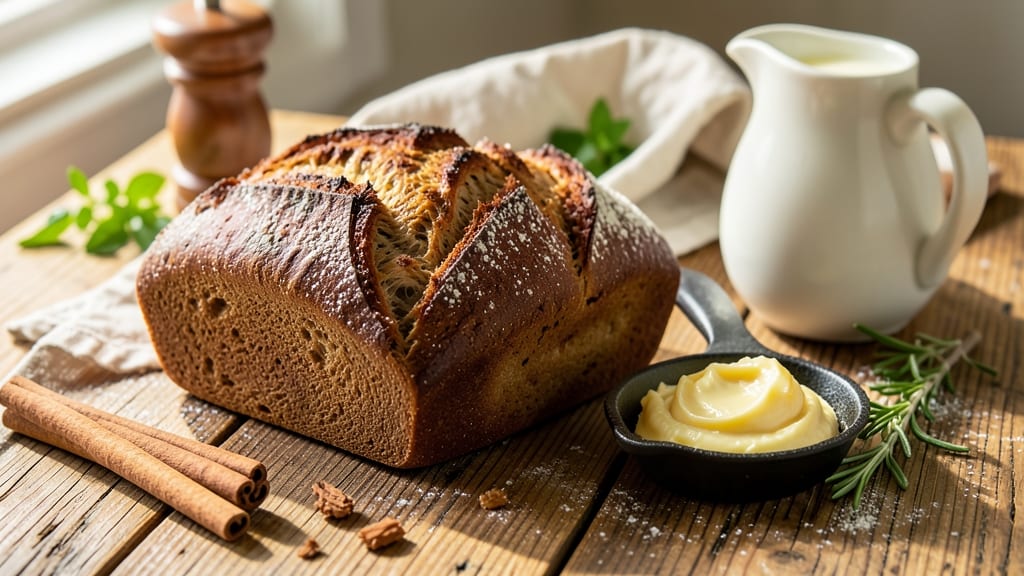
This Amish sourdough cinnamon bread recipe delivers the perfect balance of crisp golden crust and tender, swirled cinnamon-sugar goodness—just like Grandma used to make. 💛 The secret lies in a slow-fermented sourdough starter that develops deep flavor over time, paired with a classic cinnamon-sugar filling that stays moist and aromatic even after baking.
What sets this recipe apart is the traditional Amish method of long fermentation, which creates a lighter, more flavorful loaf than commercial yeast would. I’ve adapted it for home ovens using a Dutch oven to mimic wood-fired results, ensuring that crispy crown and tender crumb you crave.
The dough is kneaded just enough to develop gluten without overworking it—key for that signature Amish texture.
By the time you pull this loaf from the oven, you’ll have a warm, fragrant bread with a crackly crust and perfectly distributed cinnamon swirls that cut through every bite. The aroma alone will have everyone gathering around the table, and the taste?
Pure homestyle comfort. Serve it fresh with butter or jam, or save slices for toast in the morning.
This recipe is designed for both beginners and experienced bakers—just follow the steps carefully, and you’ll achieve that iconic Amish bakery quality in your own kitchen. Let’s get started on creating a loaf that tastes like home.
Ingredients for amish sourdough cinnamon bread
Simple pantry staples and a few key ingredients transform into that iconic Amish bakery bread.
| Ingredient | Amount | Notes |
|---|---|---|
| Active Sourdough Starter 🍞 | 1 cup | Unfed, 7-10 day old starter |
| All-Purpose Flour 🌾 | 5 cups | White or bread flour preferred |
| Granulated Sugar 🍚 | ¼ cup | White or brown sugar works |
| Unsalted Butter 🧈 | ½ cup | Cold, cubed for dough |
| Large Eggs 🥚 | 2 whole | Room temperature preferred |
| Whole Milk 🥛 | ½ cup | Warmed slightly for dough |
| Salt 🧂 | 1 ½ tsp | Diamond Crystal preferred |
| Ground Cinnamon 🌿 | 2 tbsp | Freshly ground for best flavor |
| Granulated Sugar 🍚 | 1 cup | For cinnamon-sugar filling |
| Unsalted Butter 🧈 | ¼ cup | Melted for filling |
| Vanilla Extract 🌸 | 1 tsp | Pure vanilla preferred |
| Coarse Sugar 🍚 | ¼ cup | For bread topping (optional) |
The sourdough starter is the heart of this recipe—it’s what gives that signature tang and light texture. King Arthur or Bob’s Red Mill flours work beautifully, but any high-quality all-purpose flour will do. For the starter, I like to use a 7-10 day old, unfed starter—this ensures it’s active but not overripe. If you’re new to sourdough, King Arthur’s sourdough guide is a great resource. The butter matters too—use unsalted, cold cubes for the dough to prevent overmixing. For the filling, freshly ground cinnamon makes all the difference (store-bought is fine, but if you’ve got whole cinnamon sticks, grind them yourself).
No sourdough starter? Active dry yeast works in a pinch—just reduce the fermentation time by half. Short on butter? Coconut oil or vegetable shortening keeps the dough workable, though butter’s flavor can’t be beat. The milk can be any kind (dairy or plant-based), but warm it slightly—microwave for 20 seconds to help activate the yeast if using. For the filling, vanilla bean paste adds extra depth if you’ve got it. And if you’re feeling fancy, a sprinkle of cardamom or nutmeg in the cinnamon-sugar mix takes it to the next level. The coarse sugar topping? Totally optional but worth it for that crunchy crown.
This dough needs time—at least 8 hours cold proofing is ideal, but overnight is best. Wrap it tightly in plastic wrap or a damp towel to keep it from drying out. The filling can be prepped ahead and stored in the fridge for up to 2 days. Once baked, the bread stays fresh for 3-4 days at room temperature, but I find it’s best enjoyed within 2 days—the cinnamon swirls soften over time. For leftovers, toast or reheat in a 350°F oven for 5-10 minutes to restore that fresh-baked aroma.
Why You'll Love This Recipe
- No-Knead Magic: I swear by this recipe when I’m too tired to fuss—just mix the starter, flour, and butter, let it rise overnight, then swirl in that cinnamon-sugar mix. The dough does all the work while I sleep.
- Buttery-Cinnamon Bliss: That warm, gooey center with the buttery crust? It’s like a hug in bread form. The sugar caramelizes just enough to make every bite taste like a bakery secret.
- Weekend Breakfast Hero: Slice it thick, toast it golden, and slather it with jam—it’s my lazy Sunday morning staple. Or pack it for lunch; it stays fresh for days, no reheating needed.
- Stretch Your Budget: Uses pantry staples (hello, flour and sugar) and a sourdough starter you already have. One loaf feeds my whole family, with leftovers that disappear faster than I can say “second helping.”
Step-by-step instructions for Amish sourdough cinnamon bread
Here's how to create that perfect homestyle swirl—crispy crust, tender crumb, and sweet cinnamon filling.
👨🍳 Step 1: Mix the Dough with Sourdough Starter
In a large mixing bowl, combine the 1 cup active sourdough starter, 5 cups all-purpose flour, 0.25 cup granulated sugar, and 1.5 tsp salt. Mix until just combined—you should see a shaggy dough forming but no dry spots. This is where the magic begins with that tangy sourdough flavor.
Add the 0.5 cup cold cubed unsalted butter and mix with a fork or your hands until the butter is fully incorporated. The dough will feel sticky but should come together. Then pour in the 0.5 cup warmed whole milk and 2 whole large eggs—mix until everything is evenly distributed. Here's the thing—don't overwork the dough at this stage. Just until it comes together into a soft, slightly tacky mass.
👨🍳 Step 2: Knead and Shape the Dough
Turn the dough out onto a lightly floured surface and knead for about 5-7 minutes until smooth and elastic. You're looking for a dough that springs back when poked and feels firm but not tough. If it's too sticky, add a tablespoon of flour at a time until it's manageable.
Shape the dough into a rectangle about 12x8 inches and seal the edges tightly. Here's where the fun part comes in—roll the dough up like a jelly roll. Pinch the seam to seal it completely. This creates those beautiful swirls when sliced. Place the sealed dough in a greased 9x5-inch loaf pan and let it rise in a warm place for 1-2 hours or until it's puffed about 1 inch above the pan.
🥘 Step 3: Prepare the Cinnamon Filling
While the dough is rising, make the filling by mixing 1 cup granulated sugar, 2 tbsp ground cinnamon, and 0.25 cup melted unsalted butter. Stir in the 1 tsp vanilla extract until fully combined. This mixture should be thick but spreadable—almost like a thick paste. If it's too dry, add a teaspoon of milk to loosen it.
Here's a pro tip: I like to add a pinch of salt to the filling too—it balances the sweetness and enhances the cinnamon flavor. The filling needs to be ready to go when the dough has risen, so keep it at room temperature while you work.
🔥 Step 4: Fill, Shape, and Bake
Preheat your oven to 375°F. Once the dough has risen, carefully unroll it slightly in the pan to create a flat surface. Spread the cinnamon filling evenly over the dough, leaving about ½ inch border around the edges. This prevents the filling from oozing out during baking.
Roll the dough up tightly from one end to the other, using the edge of a spatula to help guide it. Seal the seam well and make a few decorative slashes on top with a sharp knife. Sprinkle the optional 0.25 cup coarse sugar on top for that classic Amish touch. Bake for 45-50 minutes until the bread is golden brown and sounds hollow when tapped on the bottom.
⏰ Step 5: Cool and Slice for Perfect Swirls
Let the bread cool in the pan for 10 minutes before transferring it to a wire rack to cool completely. This resting time is crucial—it allows the filling to set and prevents the bread from falling apart when sliced. Here's the moment you've been waiting for: slice the bread into ½-inch thick pieces to reveal those beautiful cinnamon swirls.
Serve warm with a pat of butter or a drizzle of honey for that perfect homestyle touch. The crust should be crispy and golden, while the interior remains soft and tender with pockets of gooey cinnamon filling. This bread tastes even better the next day when the flavors have fully melded together!
Pro Tips For Making Amish Sourdough Cinnamon Bread
- STRETCH AND FOLD: The dough for this bread is sticky—like, "I’m-covering-the-counter-in-flour" sticky. After the first bulk rise, fold it in thirds every 30 minutes for 2 hours (yes, it’s tedious). This builds gluten without overworking it, and the final loaf will have that signature Amish crumb—tender but sturdy enough to hold cinnamon swirls without falling apart.
- WEIGH YOUR STARTER: Your sourdough starter’s hydration matters more than you think. If it’s too wet (like a pancake batter), it’ll throw off the dough’s structure. Weigh it before mixing—aim for 100g starter per recipe, and if it’s runny, drain excess liquid through a fine-mesh sieve. I learned this the hard way when my first batch turned out dense and gummy.
- BUTTER TEMPERATURE CHECK: Cold butter in the dough makes shaping a nightmare, but warm butter melts into nothing. Take the butter straight from the fridge, cut it into small cubes, and let it sit at room temp for exactly 20 minutes before mixing. It should be soft enough to press with a finger but not leave a greasy smear—that’s the sweet spot for even distribution in the swirls.
- STEAM THE PAN: This bread’s crust is its crowning glory, and skipping steam means a dull, dry top. Before baking, place a metal tray on the oven rack below the loaf and pour ½ cup boiling water into it. The steam kicks off browning faster and keeps the crumb moist. I was skeptical until I tried it—now I double-check the tray is in place before setting the timer.
Troubleshooting perfect results
Dough Too Sticky
If your dough feels too sticky to handle, don’t panic—this is normal with sourdough and butter. First, try adding just 1 tablespoon of flour at a time while kneading. Wet your hands slightly with water to help gather the dough without sticking to your fingers.
For extra grip, I like to use a lightly floured silicone mat or a damp kitchen towel under the dough. Remember, the dough should be soft but manageable, not gluey. 💛
Filling Oozing Out
When the cinnamon filling escapes during baking, it’s usually because the dough wasn’t sealed tightly enough. Before rolling, make sure the edges are pinched firmly and the seam is completely closed. Leave that ½-inch border around the edges when spreading the filling—this creates a barrier.
If you notice filling seeping out during the first 15 minutes of baking, gently press the edges back into the dough with a spatula. 🔥
Dense or Heavy Crumb
A dense crumb often means the dough was overworked or didn’t ferment long enough. For the best texture, knead just until smooth (5-7 minutes) and let it rise for the full 1-2 hours.
If using a sourdough starter, ensure it’s active (it should float in water). For extra lightness, try cold-proofing the dough in the fridge for 8-12 hours—this slow fermentation develops gluten without overworking it. ⏰
Pale or Soft Crust
A pale crust usually means the bread didn’t bake long enough or the oven wasn’t hot enough. Preheat your oven to 375°F for at least 30 minutes before baking. For a crispier crust, brush the top with a little milk or egg wash before baking, or sprinkle with coarse sugar.
If your oven runs hot, reduce the temperature to 350°F and check for doneness at 40 minutes. 🌟
Cinnamon Filling Too Dry
If your filling is crumbly or dry, it likely needs more moisture. Stir in 1 teaspoon of milk or melted butter to loosen it up. For extra richness, add ½ teaspoon of vanilla bean paste instead of extract.
If the filling is too wet, bake the bread for 5-10 minutes longer to evaporate excess moisture. The filling should be thick but spreadable—like a thick paste. 💡
Bread Collapses After Baking
Collapsing often happens when the dough isn’t fully risen or the oven isn’t hot enough. Make sure your dough doubles in size before baking. If using a Dutch oven, place it in the oven while preheating to ensure it’s hot.
For extra support, place the loaf pan on a baking sheet lined with parchment paper before baking. Let the bread cool in the pan for 10 minutes before transferring to avoid structural issues. 💪
Nutrition facts
Frequently asked questions
Can I make this bread without a sourdough starter?
Yes! If you don’t have a sourdough starter, substitute 2¼ teaspoons of active dry yeast for the starter. Mix it with the ½ cup warm milk first, let it sit for 5 minutes until foamy, then proceed with the recipe. The fermentation time will be shorter—about 1 hour instead of 2 hours—but the texture will still be delicious.
How do I get the perfect cinnamon swirls?
Spread the filling evenly, leaving that ½-inch border around the edges, and roll the dough tightly from one end to the other. Seal the seam firmly and make 3-4 shallow slashes on top before baking. For extra pretty swirls, chill the dough for 30 minutes before rolling to prevent the filling from oozing out.
Can I bake this in a Dutch oven instead of a loaf pan?
Shape the dough into a round loaf and bake it in a 9-inch Dutch oven for 50-55 minutes at 375°F. This mimics traditional Amish wood-fired results, giving you a crispier crust and even browning. Just reduce the baking time by 5 minutes if your oven runs hot.
Why does my bread taste bland?
Bland flavor usually means the cinnamon or vanilla needs boosting. Use freshly ground cinnamon (not pre-ground) and add ½ teaspoon of vanilla bean paste for deeper flavor. Also, ensure your sourdough starter is active—it should smell tangy and bubbly. A pinch of salt in the filling balances sweetness too.
How long can I keep this bread fresh?
Store wrapped tightly at room temperature for 3-4 days, but it’s best enjoyed within 2 days for maximum freshness. For longer storage, slice and freeze the bread for up to 3 months. To reheat, wrap slices in foil and warm in a 350°F oven for 5 minutes or microwave for 10-15 seconds.