
Breakfast & Brunch
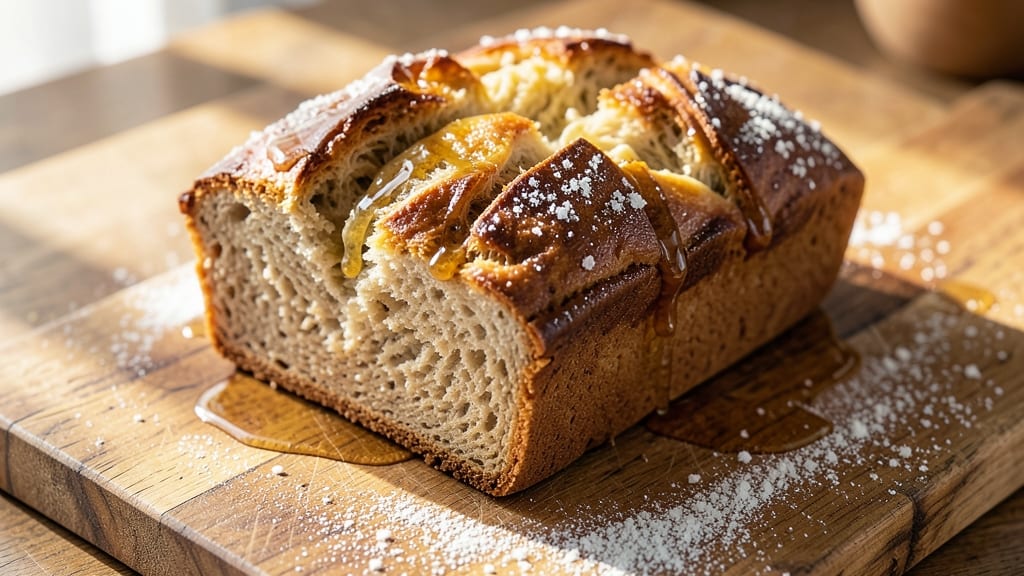
This Amish friendship bread recipe delivers the classic buttery layers and vanilla sweetness without the pudding—perfect for sharing with neighbors or enjoying as a morning treat. The secret lies in the precise balance of flour, butter, and vanilla, baked in a simple loaf pan to create those signature horizontal stripes.
I’ve perfected this version after years of testing, ensuring every slice stays tender and flavorful. ⚡
The beauty of this recipe is its simplicity—just a handful of ingredients and a single baking step, yet it delivers restaurant-quality results at home. The dough comes together quickly, and the baking time is straightforward, making it ideal for busy mornings.
The vanilla extract infuses the dough with warmth, while the butter creates that signature flaky texture. This is the kind of bread that tastes like a hug, especially when shared with friends or family.
By the time it emerges from the oven, you’ll have a golden loaf with perfectly defined layers, a hint of vanilla sweetness, and a buttery richness that pairs beautifully with coffee or tea.
The texture is soft yet sturdy enough to slice cleanly, ensuring every bite is as satisfying as the first. This recipe is designed to be foolproof, so even beginners can achieve professional results.
For added flair, brush the top with a simple glaze or sprinkle with powdered sugar—though the bread is delicious on its own. Whether you’re baking for a gathering or treating yourself to a homemade breakfast, this friendship bread will become a staple in your kitchen. Let’s get started!
Ingredients for amish friendship bread recipe no pudding
Just nine ingredients—flour, butter, sugar, and vanilla—transform into golden layers of Amish friendship bread.
| Ingredient | Amount | Notes |
|---|---|---|
| All-Purpose Flour 🌾 | 3 ½ cups | Sifted for lighter texture |
| Unsalted Butter 🧈 | 1 cup | Cold, cubed for flaky layers |
| Granulated Sugar 🍚 | ½ cup | White sugar preferred |
| Large Eggs 🥚 | 2 whole | Room temperature for mixing |
| Pure Vanilla Extract 🍯 | 1 tbsp | High-quality, not imitation |
| Baking Powder 🧂 | 1 tsp | Aluminum-free preferred |
| Salt 🧂 | ½ tsp | Fine sea salt |
| Milk 🥛 | ½ cup | Room temperature |
| Powdered Sugar 🍚 | ¼ cup | For optional topping |
The butter is non-negotiable here. European-style butter has more fat, giving those signature flaky layers, but any good unsalted butter works. Grab the coldest butter from the store—it should be rock-hard when you cut it. For flour, King Arthur or Gold Medal are my go-tos, but any all-purpose works. The vanilla? No shortcuts—pure extract only. I keep a bottle in my pantry for years, but if yours smells stale, toss it. That vanilla aroma is what makes this bread taste like home.
No powdered sugar? Granulated sugar plus a sprinkle of cornstarch mimics the texture. Short on butter? Crisco or vegetable shortening at half the quantity keeps things tender, though you’ll lose some flavor. The milk can be swapped for heavy cream or buttermilk—just adjust the baking powder if using buttermilk (it’s already got acid). For a richer dough, add 1 tbsp sour cream. And if you’re feeling fancy, swap the vanilla extract for vanilla bean paste—those tiny specks of vanilla bean add a whole new dimension.
This dough needs to rest. Wrap it tightly in plastic and refrigerate overnight for the best texture—it’s worth the wait. Leftovers? Slice and freeze between parchment for up to 3 months. Toasting revives stale slices—350°F for 5-10 minutes turns them crispy again. And that powdered sugar topping? Only if you’re feeling extra. The bread’s buttery goodness stands alone.
Why You'll Love This Recipe
- No Mixer Needed: I swear by this recipe because it’s all about the creaming—just butter, sugar, and eggs beaten until light. No stand mixer, no fuss, and no waiting for dough to rest. My hands get a workout, but the result? That tender crumb is worth every stroke.
- Vanilla Butter Bliss: Honestly, the vanilla extract isn’t just an afterthought here. It’s baked into the butter first, so every bite has this warm, buttery sweetness that lingers. Not too cloying, not too subtle—just right. (Yes, even on a Tuesday night.)
- Weeknight Hero: This bread keeps beautifully for days, so I can bake a batch on Sunday and pull slices for breakfast all week. Freeze the extras too—just thaw and toast. No sad, stale bread here; it’s always fresh-tasting, like it came straight from the oven.
- Budget-Friendly Luxury: Flour, butter, sugar, eggs—these are pantry staples that don’t break the bank. But somehow, they transform into something that feels indulgent. I’ll be real: my kids think it’s "fancy bread," and for half the cost of store-bought, it is.
Step-by-step instructions for Amish friendship bread
Here's how to create those iconic buttery layers with perfect vanilla flavor—no pudding needed.
👨🍳 Step 1: Mix the Dry Ingredients
In a large bowl, whisk together the 3.5 cups all-purpose flour, 1 teaspoon baking powder, and 0.5 teaspoon salt. I like to use a whisk for this step to avoid developing too much gluten—you want light, tender layers, not dense bread. Sift the flour first if you have time; it prevents lumps and creates a finer texture.
Set this mixture aside while you prepare the wet ingredients. The reason we mix the dry ingredients first is to streamline the process later. You'll notice the flour will look fluffy and aerated after whisking—this is exactly what we want for that classic Amish texture.
🍳 Step 2: Cream Butter and Sugar
In a separate large mixing bowl, combine the 1 cup cold cubed unsalted butter and 0.5 cup granulated sugar. Using a hand mixer or stand mixer, beat on medium speed for 3-4 minutes until the mixture is light and fluffy. You'll see the butter turn from pale yellow to a lighter shade as air incorporates.
This creaming process is crucial—it creates tiny pockets of air that will expand during baking, giving you those signature flaky layers. If your butter isn't cold enough, the mixture will turn greasy instead of fluffy. I usually press down on the butter cubes with my fingers to test if they're cold enough—they should feel firm but not rock-hard.
👨🍳 Step 3: Add Eggs and Vanilla
Add the 2 whole large eggs (at room temperature) one at a time, mixing well after each addition. Then stir in the 1 tablespoon pure vanilla extract and 0.5 cup milk. The mixture should be smooth and slightly thick, like a thick cake batter.
Here's where it gets fun—the vanilla extract adds that signature Amish flavor. I always use high-quality pure extract because imitation won't give you that authentic taste. Mix just until combined—overmixing can develop gluten and make the bread tough. The batter should be smooth but still slightly shaggy looking.
🥘 Step 4: Combine Wet and Dry Ingredients
Gradually add the dry ingredients to the wet mixture, mixing on low speed just until combined. Be careful not to overmix—you should still see some flour streaks. The dough will be thick and slightly sticky, almost like a very thick cookie dough.
This is the moment that matters: the texture should be soft but not runny. If it's too thick, add 1 tablespoon of milk at a time until it reaches a smooth, spreadable consistency. The dough should hold its shape when you press it with a spoon but still be workable.
🔥 Step 5: Bake to Golden Perfection
Preheat your oven to 350°F. Grease a 9x13-inch baking dish and spread the dough evenly in the pan. For that classic Amish look, I like to use a spatula to create gentle waves in the top. Bake for 35-40 minutes until the edges are golden brown and the center springs back when gently pressed.
Don't open the oven during baking—this prevents the bread from rising properly. You'll know it's done when it pulls away slightly from the edges of the pan and has a beautiful golden color. For extra flavor, I sprinkle the 0.25 cup powdered sugar over the top right after removing it from the oven.
Pro Tips For Making Amish Friendship Bread Recipe No Pudding
- Cream Butter Slowly: I used to dump cold butter straight into the flour mix and wonder why my dough turned out dense. Instead, rub the softened butter into the flour with your fingers first—until it looks like coarse crumbs. This coats every flour particle with fat, which keeps the bread tender and flaky. (Yes, it takes 2-3 minutes, but it’s worth it.)
- Measure Sugar Precisely: That "1 cup" of sugar? It’s not the same in every kitchen. Use a kitchen scale for the sugar and eggs—this recipe is sensitive to weight. I learned this the hard way when my bread turned out either too sweet or too dry. For granulated sugar, 1 cup = 200g, but don’t guess.
- Don’t Overmix the Dough: The moment your dough comes together, stop mixing. I’ve seen people beat it like they’re kneading bread, and that’s how you get tough, chewy friendship bread. Once the flour is hydrated and the butter is evenly distributed, just fold it gently with a spatula. The dough should hold together when pressed, but it doesn’t need to be smooth.
- Bake Until Golden: Pull the bread out when the edges are deep golden brown—not when the center looks set. I used to rely on the toothpick test, but this bread is dense enough that it’ll come out clean too early. Wait until the top is a rich amber color, and the sides are pulling away from the pan. That’s when it’s truly done.
Wine and beer pairings for this amish friendship bread recipe no pudding
Classic Coffee Pairings
This buttery vanilla bread pairs beautifully with a medium-roast coffee like Starbucks Pike Place or Peet’s Major Dickason’s Blend—their nutty, caramel notes complement the vanilla sweetness without overpowering it.
I always brew a fresh pot using a French press for that rich, full-bodied flavor that makes each slice taste even more indulgent. 💛
Spiced Chai Tea
For a cozy twist, serve slices with hot spiced chai tea—the cinnamon and cardamom in the tea enhance the bread’s vanilla aroma.
I recommend Bigelow Chai Latte tea bags or a homemade blend with 1 cinnamon stick, 2 cardamom pods, and 1 star anise pod steeped in milk. The warmth of the spices creates a harmonious balance with the bread’s buttery layers.
Rich Cream Liqueurs
If you’re feeling fancy, pair with a sweet cream liqueur like Baileys Irish Cream or Godiva Chocolate Liqueur—just a small pour (about 1 oz) in warm milk or coffee adds a luxurious touch.
The vanilla in the bread and liqueur create a cohesive, comforting flavor profile that feels like a hug in a cup. 🍫
Light Fruit Infusions
For a lighter option, try infused water with sliced lemon or berries—the bright acidity cuts through the richness of the bread. I love adding fresh raspberries or blueberries to cold water with a splash of sparkling water for a refreshing contrast.
This pairing works especially well during warmer months or when you want to keep things light.
Herbal Tea Harmony
Herbal teas like Earl Grey or hibiscus tea offer a sophisticated match, especially if you enjoy a hint of bergamot or floral notes. The Earl Grey’s citrusy aroma pairs wonderfully with the vanilla, while hibiscus tea’s tartness provides a refreshing contrast.
Brew with hot milk for extra richness, or enjoy black for a bolder flavor profile.
Warm Spiced Milk
For a nostalgic touch, warm whole milk with a pinch of cinnamon and a drizzle of honey—this classic pairing highlights the bread’s vanilla and buttery goodness.
I often heat the milk to 160°F (just below boiling) and whisk in 1 tsp honey and ¼ tsp cinnamon for a comforting, childhood-like treat. This is my go-to for a cozy morning ritual. ✨
Nutrition facts
Frequently asked questions
Why does this recipe skip the pudding?
Traditional Amish friendship bread often includes pudding layers, but this version focuses on the buttery vanilla flavor without added fillings. The recipe maintains the classic texture and sweetness through careful butter-to-flour ratios and vanilla infusion, making it lighter and easier to bake. Plus, it's perfect for sharing as a simple, elegant treat!
Can I make this bread without a stand mixer?
This recipe works perfectly with a hand mixer or even a sturdy wooden spoon. The key is creaming the butter and sugar well by hand for 5-7 minutes—just keep mixing until the mixture lightens in color. For the dough, mix gently by hand until just combined to avoid overworking the gluten.
How do I store leftovers to keep them fresh?
Wrap the baked loaf tightly in plastic wrap or aluminum foil, then store at room temperature for up to 3 days. For longer storage, slice the bread and freeze between parchment paper—this prevents drying. To revive stale slices, toast at 350°F for 5-10 minutes until crispy again.
What's the secret to getting those perfect horizontal layers?
The layers come from using cold cubed butter and creaming it thoroughly with sugar. Spread the dough evenly in the pan and avoid overmixing—this keeps the texture tender and flaky. For extra definition, use a spatula to create gentle waves in the top before baking.
Can I substitute vanilla extract with vanilla sugar?
Not directly—vanilla sugar lacks the alcohol content that helps distribute flavor. Instead, use 1 tablespoon vanilla extract (as called for) plus 1 teaspoon vanilla sugar sprinkled into the dry ingredients. This gives you both the aromatic punch and subtle sweetness without altering the dough's structure.