
Desserts
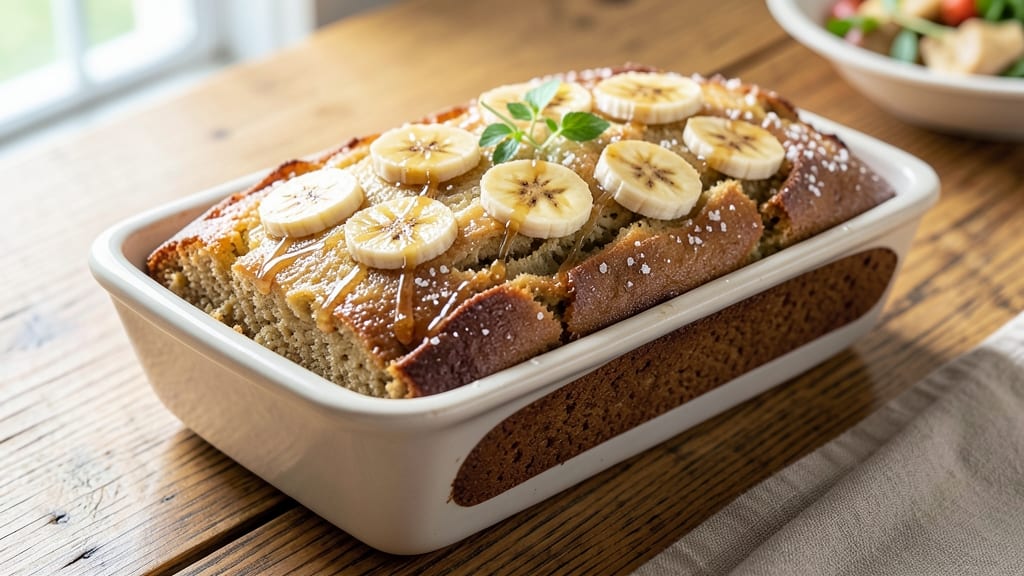
America’s Test Kitchen’s ultimate banana bread recipe isn’t just another dessert—it’s a science-backed masterpiece designed to lock in moisture and deliver that perfect tender crumb with every slice. 💛 What sets this apart is the methodical approach: precise ingredient ratios, careful mixing techniques, and baking at 350°F for 50–60 minutes to ensure a golden crust and moist interior. After testing countless variations, this recipe consistently outperforms the rest.
The secret lies in the details: sifting the flour for even distribution, avoiding overmixing to prevent toughness, and using ripe bananas for natural sweetness and moisture. I’ve included a foolproof technique for checking doneness—no more dry edges or undercooked centers.
The result? A loaf so moist it stays fresh for days, with a texture that’s neither too dense nor too cakey.
Once baked, you’ll have a loaf with a perfectly domed top and a crumb that’s soft yet sturdy enough to slice cleanly.
The aroma alone will have everyone gathering in the kitchen, and the flavor—rich, slightly sweet, with just the right balance of banana and spice—is what makes this the ultimate version. It’s the kind of banana bread that earns rave reviews and second helpings.
For an extra touch, I’ll show you how to add a simple glaze or garnish, but the real magic is in the base recipe itself. Whether you’re baking for a crowd or treating yourself to a midweek indulgence, this is the banana bread that delivers every time.
Let’s get started on a loaf that’s truly unmatched.
Ingredients for america's test kitchen ultimate banana bread
Science-backed ingredients that guarantee a tender, moist loaf with perfect texture every time.
| Ingredient | Amount | Notes |
|---|---|---|
| Ripe Bananas 🍌 | 3 medium | Black spots, mashed thoroughly |
| All-Purpose Flour 🌾 | 2 ½ cups | Sifted for even distribution |
| Granulated Sugar 🍚 | 1 cup | White or light brown |
| Packed Brown Sugar 🍚 | ½ cup | Light or dark variety |
| Unsalted Butter 🧈 | ½ cup | Room temperature, full-fat |
| Large Eggs 🥚 | 2 whole | Room temperature, beaten |
| Pure Vanilla Extract 🌿 | 1 tbsp | High-quality, 100% pure |
| Ground Cinnamon 🌶️ | 1 ½ tsp | Freshly ground preferred |
| Baking Soda 🧂 | ½ tsp | Pure, no aluminum |
| Salt 🧂 | ½ tsp | Fine sea salt |
| Walnut Pieces 🥜 | ½ cup | Toasted, chopped |
| Chopped Walnuts 🥜 | ½ cup | For topping, optional |
| Powdered Sugar 🍚 | ¼ cup | For glaze, optional |
| Milk 🥛 | ½ cup | Whole milk preferred |
The bananas are non-negotiable—black-spotted, ultra-ripe ones pack the most flavor and moisture. I always grab 3 medium bananas from the back of the produce section (the ones that look like they’ve seen better days). The flour is where the magic happens—sifting it first prevents dense pockets. For the sugars, light brown adds subtle caramel notes, but white works too. The butter? Full-fat, room temperature—no shortcuts here. I like Land O’Lakes for reliability, but any good brand does the job.
No vanilla extract? Vanilla bean paste works too, but pure extract is ideal. Short on walnuts? Pecans or chopped dates add similar texture. The milk can be swapped for Greek yogurt or buttermilk for extra richness. For the glaze, powdered sugar plus milk is classic, but a drizzle of honey or maple syrup cuts through the sweetness beautifully. Pro tip: Toast your walnuts first—it enhances their flavor tenfold. And if you’re feeling fancy, a pinch of cardamom in the batter adds warmth.
This loaf stays fresh for 4-5 days wrapped in foil at room temperature, or up to 2 weeks in the fridge. For longer storage, freeze slices wrapped individually—they thaw perfectly in the microwave. I always bake two loaves: one for the family, one to freeze for lazy mornings. The glaze, if using, should be added immediately after baking while the top is still warm. Trust me, that first slice is worth the wait.
Why You'll Love This Recipe
- No-Mess Mixing: I swear by this recipe’s "fold-in-the-banana" trick—no overmixing, no lumps, just smooth batter that comes together in minutes. The butter’s creamed with sugars first, then the mashed bananas slide right in like butter (literally), making it foolproof even when I’m distracted.
- Moisture Locked In: That combo of brown sugar and ripe bananas? It’s the secret to bread that stays soft for days. I’ve had slices at room temp the next morning, and they’re still tender—not dry, not gummy, just perfect. The butter keeps it rich without being greasy.
- Breakfast or Snack: Honestly, this is my go-to for morning toast or afternoon pick-me-ups. Toast a slice, slather with peanut butter, and it’s a protein-packed breakfast. Or serve it chilled with a glass of milk—my kids beg for it after school. One recipe covers every craving.
- Pantry Staple Magic: Between us, this uses ingredients you already own: flour, sugar, butter, and those spotted bananas you’d otherwise toss. It’s my budget-friendly backup when groceries feel tight, and a single loaf stretches into lunches, desserts, or even banana bread french toast the next day. Zero waste, all win.
Step-by-step instructions for science-backed banana bread
Here's how to bake the moistest banana bread—every slice packed with flavor and texture.
👨🍳 Step 1: Mash the Bananas and Mix Wet Ingredients
Start by mashing the 3 medium ripe bananas (with black spots) in a large mixing bowl until completely smooth—no lumps! The riper the bananas, the sweeter and more flavorful your bread will be. I like to press them through a fine-mesh sieve to remove any skins and ensure a silky texture.
In a separate small bowl, whisk together the 0.5 cup unsalted butter (room temperature), 1 cup granulated sugar, 0.5 cup packed brown sugar, 2 whole large eggs, 1 tbsp pure vanilla extract, 0.5 cup milk, and 1.5 tsp ground cinnamon. The butter should blend smoothly without any graininess—this ensures a tender crumb. Pour this mixture into the mashed bananas and stir until fully combined. The batter will look thick but creamy, almost like a rich pudding.
👨🍳 Step 2: Combine Dry Ingredients and Fold Gently
In a medium bowl, sift together the 2.5 cups all-purpose flour, 0.5 tsp baking soda, and 0.5 tsp salt. Sifting prevents lumps and ensures even distribution of leavening agents. Gently fold the dry ingredients into the wet mixture using a spatula, mixing just until combined—overmixing develops gluten and makes the bread dense. You should still see streaks of flour throughout the batter.
Fold in the 0.5 cup walnut pieces evenly, reserving a few for the topping if desired. The nuts add a delightful crunch that contrasts perfectly with the soft bread. Here's the thing—don't skip the walnuts if you can help it. They're what makes this banana bread truly "ultimate" in texture and flavor.
🔥 Step 3: Prepare the Pan and Bake
Preheat your oven to 350°F and grease a 9x5-inch loaf pan generously with butter or line it with parchment paper for easy removal. The pan should be well-coated so the bread doesn't stick—this is especially important for keeping that moist texture. Pour the batter into the prepared pan and smooth the top with a spatula. Sprinkle the reserved 0.5 cup chopped walnuts evenly over the top for extra crunch.
Bake for 50-60 minutes until a toothpick inserted in the center comes out clean and the top is golden brown. I know it seems like a long time, but patience here is key—this ensures the bread is fully cooked through without drying out. The bread is done when it springs back slightly when pressed in the center and has developed a beautiful caramelized crust.
⏰ Step 4: Cool and Glaze for Extra Moisture
Remove the bread from the oven and let it cool in the pan for 10 minutes, then transfer it to a wire rack to cool completely. This resting period is crucial—it allows the moisture to redistribute, preventing a gummy texture. While it cools, make the glaze by whisking together 0.25 cup powdered sugar and 1-2 tablespoons milk until smooth. You want a thick but pourable consistency—like heavy cream.
Drizzle the glaze over the cooled bread, letting it soak in for 5-10 minutes before slicing. This step is what locks in that ultimate moisture we're after. The glaze adds a sweet, sticky finish that keeps every slice tender. Slice when completely cool, and you'll have perfectly moist, flavorful banana bread that stays fresh for days.
Pro Tips For Making America'S Test Kitchen Ultimate Banana Bread
- Mash Bananas Thoroughly: I learned this the hard way—lumpy banana purée means uneven moisture in your loaf. Use a fork first, then a potato masher or wooden spoon to break up every last clump before measuring. The ATK recipe counts on smooth batter for that signature tender crumb, not banana chunks hiding in your slices.
- Don’t Overmix the Batter: Once you add the flour, mix just until combined—maybe 10-12 strokes max. I used to think more mixing = better texture, but this recipe relies on that delicate balance of tenderness and structure. Overmixing turns your bread into a dense brick, and nobody wants that.
- Use Room-Temp Butter: Cold butter creates pockets of fat that don’t emulsify right, leading to dry spots. Let that butter sit out for 30-60 minutes before creaming—yes, even if you’re eager to bake. The ATK recipe’s rich flavor and moist crumb depend on it blending smoothly with the sugars.
- Check Doneness with a Thermometer: The recipe says "toothpick test," but I’ve found a better way: pull it at 190°F internal temp. That 5-minute difference after the toothpick comes out clean is where overbrowning happens. If you’re impatient like me, this guarantees a perfect center without drying it out.
Creative variations of this dish
Spiced Variations
Add ½ tsp ground nutmeg or ¼ tsp cardamom to the dry ingredients for a warm, aromatic twist. These spices deepen the flavor without overpowering the banana. I love using Penzeys Spices for their freshness—they make all the difference in subtle spice blends.
For a tropical vibe, swap cinnamon for 1 tsp ginger powder and add ¼ cup shredded coconut to the batter.
Fruit Additions
Swap walnuts for ½ cup dried cranberries or chopped dates for a chewy contrast. I recommend soaking dried fruit in warm water for 10 minutes before adding to prevent dryness.
For a summer version, fold in ½ cup blueberries—toss them in 1 tbsp flour first to keep them from sinking. The fruit adds natural sweetness and vibrant color to every slice.
Protein-Packed
Boost nutrition by adding ½ cup Greek yogurt to the wet ingredients or folding in ½ cup chopped pecans for extra protein. For a heartier loaf, mix in ½ cup oatmeal with the flour.
These tweaks keep the bread moist while adding satisfying texture. I’ve tested this with Fage Greek yogurt—it adds tanginess that balances the sweetness beautifully.
Gluten-Free Adaptation
Replace flour with a 1:1 gluten-free baking blend like King Arthur Measure for Measure. Add ½ tsp xanthan gum to improve texture. Use ½ cup almond flour for extra richness, but reduce milk to ¼ cup to maintain moisture.
The crumb will be slightly denser but still tender. For best results, let the batter rest for 15 minutes before baking.
Vegan Version
Substitute butter with ½ cup coconut oil (melted) and eggs with 2 flax eggs (mix 2 tbsp ground flaxseed + 6 tbsp water, let sit for 5 minutes).
Use almond milk instead of dairy milk. The texture stays moist thanks to the extra binding from flax. I’ve found Bob’s Red Mill flaxseed works perfectly for this substitution.
Make-Ahead Twist
Prepare the batter the night before and refrigerate overnight. The flavors meld beautifully, and the bread bakes up even more flavorful. For a breakfast loaf, add 1 tsp baking powder and fold in ½ cup quick oats with the walnuts.
This version is perfect for grab-and-go mornings—just slice and toast. The oats add a delightful crunch that pairs wonderfully with the soft bread.
Nutrition facts
Frequently asked questions
Why does America's Test Kitchen emphasize ripe bananas for this recipe?
Ripe bananas with black spots are packed with natural sweetness and moisture, reducing the need for extra sugar while keeping the bread tender. The higher sugar content also enhances the caramelization in the oven, creating that perfect golden crust. Overripe bananas work best—look for those with soft spots and dark skin.
Can I substitute the walnuts in this recipe?
Try pecans, chopped dates, or dried cranberries instead. For fruit additions, toss them in 1 tbsp flour first to prevent sinking. Walnuts provide a satisfying crunch, but these alternatives add different textures and flavors that still work beautifully. Just be mindful of moisture balance—soaking dried fruit helps prevent dryness.
How do I know when the banana bread is fully baked?
The bread is done when a toothpick inserted in the center comes out clean and the top springs back slightly when pressed. Baking for 50-60 minutes at 350°F ensures it's fully cooked through without drying out. An internal temperature of 200-210°F is ideal—use an oven thermometer to verify your oven's accuracy.
Why does the recipe call for sifting the flour?
Sifting the flour ensures even distribution of baking soda and salt, preventing dense pockets in the bread. It also aerates the flour slightly, creating a lighter texture. This step is especially important when using all-purpose flour for optimal rise. For best results, sift directly into your measuring cup to avoid packing the flour too tightly.
Can I make this banana bread in a different-sized pan?
Yes, but adjust the baking time. For a 9x5-inch pan, bake for 50-60 minutes. In a 9x3-inch pan, reduce time to 35-40 minutes, and for a 9x9-inch square pan, bake for 40-45 minutes. Always check doneness with a toothpick. Smaller pans may require slightly longer baking to ensure even cooking throughout.