
Side Dishes
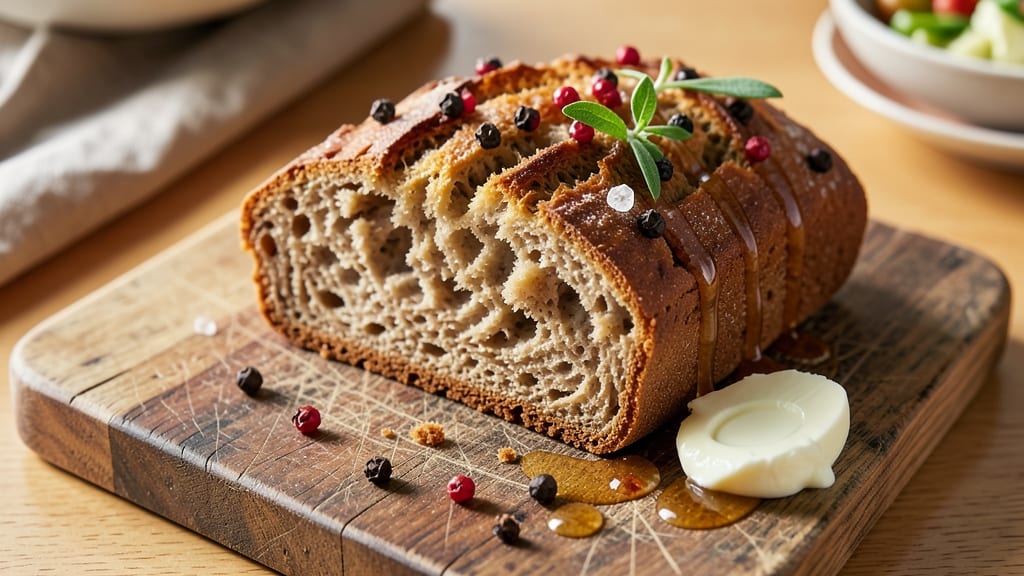
This American soda bread recipe delivers rustic charm with its buttery golden crust and tender crumb—all without a single knead. 💛 The secret lies in baking soda's magic, transforming simple ingredients into a loaf that's perfect for sandwiches, sides, or serving warm with butter.
I've perfected this version to stay true to tradition while making it foolproof for home cooks.
The beauty of soda bread is its simplicity: just flour, baking soda, buttermilk, and a pinch of salt come together in minutes. No yeast means no waiting, and the no-knead method ensures even beginners achieve that classic cracked crust.
The buttermilk creates a tender crumb, while the baking soda gives it that signature rise and tangy flavor.
What you'll end up with is a loaf that's crisp on the outside with a soft, slightly dense interior—ideal for soaking up soups or spreading with jam. The aroma alone will fill your kitchen with nostalgia, transporting you to cozy kitchens of old.
This recipe is your ticket to homemade bread that tastes like comfort food.
Use it as a side for stews, as a base for sandwiches, or simply enjoy it fresh from the oven with butter melting into every bite. The best part? You'll have dinner on the table in under an hour, with minimal effort. Let's get started!
Ingredients for american soda bread
Four simple staples plus butter and baking soda—this is all you need for rustic charm.
| Ingredient | Amount | Notes |
|---|---|---|
| All-Purpose Flour 🌾 | 3 ½ cups | Unbleached preferred for lighter texture |
| Baking Soda 🧂 | 1 tbsp | Freshly opened for best rise |
| Buttermilk 🥛 | 1 ½ cups | Room temperature for best mixing |
| Salt 🧂 | 1 tsp | Fine sea salt preferred |
| Unsalted Butter 🧈 | ½ cup | Cold, cubed for even distribution |
| Granulated Sugar 🍚 | 2 tbsp | Optional for slight sweetness |
| Milk 🥛 | ¼ cup | For brushing crust (whole milk) |
| Poppy Seeds 🌻 | 1 tbsp | Optional for classic topping |
The flour is your canvas here. King Arthur or Bob's Red Mill all-purpose flour gives the best texture—light enough for a tender crumb but sturdy enough for that signature crack. Baking soda? Buy it fresh—old baking soda loses its lift. For buttermilk, if you're in a pinch, mix 1 tbsp vinegar or lemon juice with 1.5 cups milk and let it sit for 5 minutes. The butter should be cold when you cut it into the flour—this keeps the dough from getting too soft. I always grab the Land O'Lakes unsalted butter from the grocery store; it's reliable and affordable.
No buttermilk? Plain yogurt works too—just thin it with a splash of milk to match the consistency. Skipping the sugar is totally fine, but if you love slightly sweet bread, use it. The poppy seeds are optional but add that classic soda bread touch. Diamond Crystal kosher salt is my go-to because it dissolves better than table salt. For the milk brush, whole milk gives the richest crust color. If you're feeling fancy, swap the poppy seeds for sesame seeds or flaky sea salt for a gourmet twist.
Flour and baking soda can be stored in your pantry for months, but once mixed, keep the dough covered at room temperature for up to 24 hours. The bread freezes beautifully—wrap it in foil and freeze for up to 3 months. To reheat, warm in a 200°F oven for 10 minutes. Leftovers? Toast them for extra crispiness. This bread is best eaten fresh, but it keeps well for 3-4 days wrapped in a cool, dry place.
Why You'll Love This Recipe
- No-Fuss Mixing: Mixing this dough takes three ingredients—flour, buttermilk, and a pinch of salt. No kneading, no waiting for yeast to rise, just stir until it holds together. Honestly, I’ve made it with one hand tied behind my back.
- Tangy-Buttery Magic: That buttermilk tang cuts through the richness of the butter, giving it a bright, almost cracker-like crunch outside while staying soft inside. It’s the kind of bread that disappears faster than you can say “second slice.”
- Weeknight Workhorse: Toss it in the oven while you prep dinner—it’s done in under an hour. I keep a loaf on standby for toast, sandwiches, or even crumbled over soups. (Yes, even on a Tuesday night.)
- Budget-Friendly Staple: Flour, buttermilk, butter—these are pantry basics that won’t break the bank. A single batch stretches for days, and leftovers toast up just as well the third day. My wallet and I both approve.
Step-by-step instructions for American soda bread
Here's how to make this classic bread with a golden crust and tender crumb—no kneading required!
👨🍳 Step 1: Mix Dry Ingredients for Perfect Texture
In a large bowl, whisk together the 3.5 cups all-purpose flour and 1 tsp salt. Sift in the 1 tbsp baking soda and gently fold it in with a spatula. This step ensures even distribution of leavening for that signature rise. I like to give it a quick mix with my fingers to break up any flour clumps—this prevents dense pockets in the finished loaf.
Next, cut the 0.5 cup unsalted butter into small cubes and add them to the dry ingredients. Use your fingers to work the butter into the flour until you see pea-sized pieces distributed throughout. This creates pockets of fat that will melt during baking, giving your bread that irresistible buttery flavor and tender crumb. Don't overwork it—just until everything looks evenly combined.
🥘 Step 2: Combine Wet Ingredients for Lightness
In a separate bowl, measure out the 1.5 cups buttermilk (room temperature works best) and the 0.25 cup milk. Stir in the 2 tbsp granulated sugar until fully dissolved. The sugar helps balance the tanginess of the buttermilk and adds just a touch of sweetness to complement the buttery flavor. I always use a whisk for this—it prevents any lumps from forming in the liquid mixture.
Make a well in the center of your dry ingredients and pour in the wet mixture. Use a spatula to gently fold everything together until just combined. You'll see some shaggy dough form, but don't worry about overmixing—this bread doesn't need kneading. The key is to keep the butter pieces intact as much as possible. If the dough seems too sticky, add 1-2 tablespoons more flour, but try not to overdo it or your bread might turn out dense.
🔥 Step 3: Shape and Preheat for Golden Crust
Lightly flour a clean surface and turn out the dough. Gently shape it into a round loaf about 8 inches in diameter. I press down lightly with my hands to create a smooth top, but don't press too hard or you'll compact the crumb. Place the shaped loaf on a parchment-lined baking sheet—this makes it easy to transfer later without tearing.
While the oven preheats to 400°F, sprinkle the 1 tbsp poppy seeds evenly over the top of the dough. Brush the surface lightly with some of the reserved 0.25 cup milk using a pastry brush. This creates a beautiful golden crust and adds that classic poppy seed finish. Preheat your oven for 15 minutes while you prepare the bread—this ensures even baking from the moment it goes in.
🔥 Step 4: Bake Until Golden and Hollow-Sounding
Bake the soda bread for 35-40 minutes until the top is deep golden brown and sounds hollow when tapped on the bottom. I usually check at the 30-minute mark—if it's browning too quickly, tent it loosely with foil to prevent over-browning while it continues cooking inside. The bread is done when an instant-read thermometer inserted into the center reads 190-200°F.
Here's the thing—American soda bread should have a crisp crust and a tender, slightly dense crumb. If you cut into it too soon, it'll be gummy. Let it cool on a wire rack for at least 15 minutes before slicing. This resting time allows the steam to escape and the crumb to set properly. The bread will keep well at room temperature for 2-3 days, or you can freeze slices for quick toast later.
Pro Tips For Making American Soda Bread
- MEASURE THE BUTTERMILK FAST: Mix the baking soda directly into the buttermilk first—it fizzes instantly, so you know it’s fresh. This also saves you from guessing whether your buttermilk’s still good (if it doesn’t bubble, toss it).
- STOP OVERWORKING THE DOUGH: The moment you add flour, fold just until combined—no more. I used to knead like I was making pie dough, and the bread turned dense. One quick mix with a spatula is all it needs.
- USE A HOT PAN: Place your shaped loaf in a cold Dutch oven, then slide it into a 450°F oven immediately—no preheating the pan first. The sudden heat creates that iconic crisp crust without drying out the inside.
- SALT THE BUTTERMILK: Skip the extra salt in the flour—dissolve the full teaspoon of salt into the buttermilk before mixing. It distributes evenly, and you’ll taste the difference (trust me, I’ve done it both ways).
Health benefits of american soda bread
Whole Grain Boost
Swap half the all-purpose flour for whole wheat or rye flour to add fiber and nutrients. I find King Arthur whole wheat flour works best—it keeps the tender crumb while adding hearty texture.
The result? A loaf with 4 grams more fiber per slice and a nutty depth that pairs perfectly with soups or stews. 💛
Protein-Packed Twist
Add ½ cup rolled oats or 1 cup mashed sweet potato to the dough for extra protein and moisture. The oats create a satisfying chewiness, while sweet potato adds natural sweetness and 2 grams of protein per slice.
This version keeps the same easy prep but makes it a more substantial side.
Digestive Benefits
Traditional soda bread relies on baking soda instead of yeast, making it naturally gluten-free when using certified GF flour. The buttermilk provides probiotics that support gut health, while the poppy seeds add magnesium for muscle relaxation. This combo makes it a surprisingly wholesome choice for sensitive stomachs.
Low-Carb Option
For a lighter version, replace 1 cup flour with ½ cup almond flour and ½ cup coconut flour. The result is a denser but still flavorful loaf with only 4 net carbs per slice (vs. 12 in traditional).
I brush the crust with melted butter or olive oil to maintain moisture—this keeps it tender despite the lower flour content.
Calcium & Iron
The baking soda and buttermilk create an alkaline environment that enhances mineral absorption. A single slice provides 5% of your daily calcium and 10% iron—great for energy levels.
The poppy seeds contribute zinc and selenium, both essential for immune function. It's one of those "simple foods" that secretly packs a nutritional punch.
Nutrition facts
Frequently asked questions
Can I make American soda bread without buttermilk?
Yes! Mix 1 tbsp vinegar or lemon juice with 1.5 cups milk and let it sit for 5 minutes to create a substitute. This mimics buttermilk's acidity, which activates the baking soda for proper rise. For extra tang, use plain yogurt instead—just thin it with a splash of milk to match the consistency.
Why does my soda bread turn out dense?
Overmixing the dough or using old baking soda are common culprits. The butter should stay in pea-sized pieces—don't work it too much. Also, ensure your baking soda is fresh (test it: mix with water—if it fizzes, it's active). For extra lightness, fold in 1 egg white when combining wet ingredients.
How do I store leftover soda bread?
Wrap it in foil or place in an airtight container to keep it fresh for 3-4 days at room temperature. For longer storage, freeze slices wrapped tightly in plastic for up to 3 months. To reheat, warm in a 200°F oven for 10 minutes or toast until crispy.
Can I add savory mix-ins like cheese or herbs?
Try sharp cheddar or feta (fold in gently with the butter) or fresh rosemary for an herb-infused twist. For a hearty version, stir in ½ cup cooked bacon bits or caramelized onions. Just reduce the milk slightly to maintain the right dough consistency.
What's the best way to serve warm soda bread?
Brush the top with melted butter or honey while still warm for extra richness. It's perfect with soups, stews, or chili, or split open and stuffed with avocado, smoked salmon, or jam. For a classic touch, serve with Irish butter and fresh cream cheese on the side.