
Side Dishes
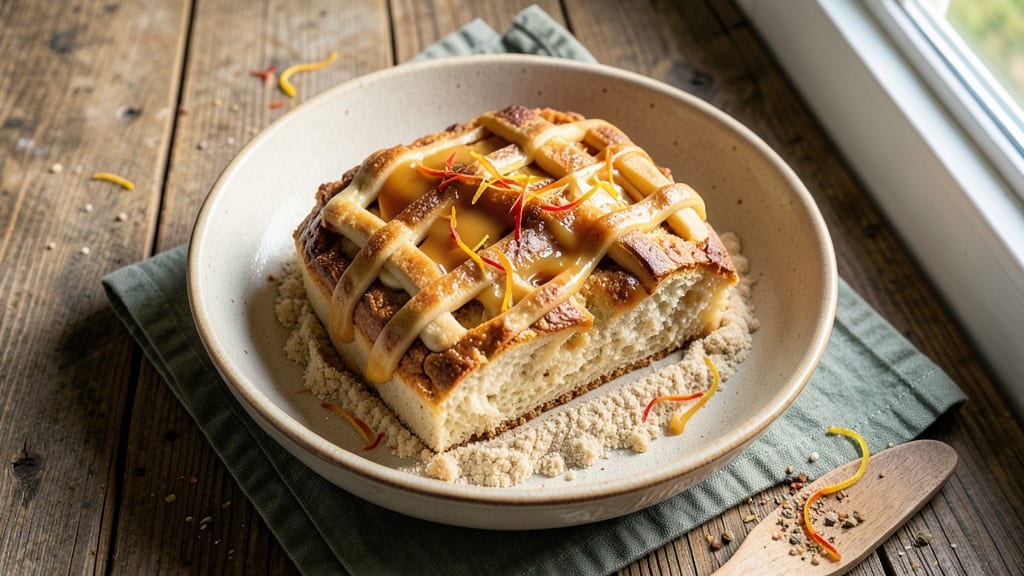
This almond flour sweet bread recipe transforms simple ingredients into a nutty, vanilla-scented loaf with a crisp crust and tender interior. The secret lies in balancing almond flour's dryness with just enough moisture to create a light, airy crumb—no dense, heavy texture here.
I developed this after years of experimenting with gluten-free baking, and it finally delivers a bread that feels indulgent yet light enough for breakfast or dessert. The magic happens in the mixing: almond flour absorbs liquid differently than wheat flour, so we incorporate it gradually to avoid a gummy mess.
A splash of vanilla extract and a touch of lemon zest brighten the nutty flavor, while a sprinkle of almond slices on top adds both texture and elegance. This recipe yields a loaf that's naturally sweet without refined sugar, making it perfect for those watching their sugar intake.
Baking time is critical—too long and it dries out; too short and the center stays raw. A toothpick test ensures doneness every time, and the aroma filling your kitchen will have everyone asking what you're making. The result?
A bread that's rich, fragrant, and satisfying, with a texture that's closer to a brioche than a typical almond flour bake. Best served warm with butter or paired with jam, this bread also freezes beautifully for up to 3 months.
Whether you're gluten-free, keto, or just craving something different, this recipe delivers restaurant-quality results at home.
Ingredients for almond flour sweet bread
Here's what you need to bake a naturally sweet, nutty loaf with a crisp crust and tender crumb.
| Ingredient | Amount | Notes |
|---|---|---|
| Almond Flour 🌰 | 3 cups | Finely ground, unsweetened |
| Unsalted Butter 🧈 | ½ cup | Cold, cubed for mixing |
| Large Eggs 🥚 | 4 whole | Room temperature |
| Vanilla Extract 🌿 | 1 tbsp | Pure, high-quality |
| Lemon Zest 🍋 | 1 tbsp | Freshly grated |
| Granulated Erythritol 🍯 | ¼ cup | Or monk fruit sweetener |
| Warm Water 💧 | ½ cup | Not boiling |
| Baking Powder 🧂 | 1 tsp | Metal container preferred |
| Salt 🧂 | ½ tsp | Fine sea salt |
| Almond Slices 🌰 | ¼ cup | For topping, toasted |
| Unsweetened Almond Milk 🥛 | ¼ cup | For extra moisture |
Almond flour is the star here, so buy the finest grind you can find—the coarser it is, the denser your bread will be. Bob's Red Mill or Anthony's Goods are my go-tos, but check the label for 'blanched' (lighter color) vs. 'whole meal' (darker, nuttier). The butter needs to be cold—this creates pockets of air for that brioche-like texture. If your kitchen's warm, chill the bowl first. Eggs should be room temp (no cold shock), and vanilla extract? Nothing cheaper than imitation—splurge on pure Madagascar bourbon or Tahitian if you can. Lemon zest adds brightness, but if you're not a fan, swap for orange zest.
No almond milk? Coconut milk or oat milk works too—just use the same amount. Running short on almond flour? Substitute half with tapioca starch (it mimics gluten's binding), but the texture will be slightly less tender. The sweetener can be swapped for maple syrup or coconut sugar, but erythritol gives that clean sweetness without aftertaste. Toasting the almond slices before baking (5 mins at 350°F) brings out their flavor—don't skip this! And if you're baking in a humid climate, reduce the water by 1 tbsp to avoid a gummy texture.
This bread keeps beautifully—3 days at room temp wrapped in a clean kitchen towel, or 1 week refrigerated in an airtight container. For longer storage, freeze the whole loaf (up to 3 months) and thaw overnight at room temp. Slice it thin for toast or thick for French toast. The crust stays crisp for about 2 hours after baking, so if you're not serving it immediately, wrap it tightly in foil to keep it fresh. Leftovers? Toast them and freeze in a bag for quick breakfasts.
Why You'll Love This Recipe
- No-Fuss Mixing: I swear by this dough—just fold ingredients until just combined. No overworking, no stressing, and that almond butter richness comes through without a single gluten headache.
- Lemon-Butter Magic: The zest brightens every bite, while the butter keeps it tender. It’s like a hug for your taste buds—warm, buttery, and just a little citrusy to cut through the richness.
- Weeknight or Brunch Hero: Slice it for toast in the morning or serve whole for a lazy weekend. Honestly, I’ve even packed it cold for lunch—still delicious hours later.
- Budget-Friendly Luxury: Almond flour costs more upfront, but one batch stretches for days. My kids fight over the leftovers, and I’ve reheated slices in the toaster twice before tossing them. Worth every penny.
Step-by-step instructions for almond flour sweet bread
This bread delivers a perfect balance of nutty crunch and tender crumb—here's how to bake it right.
Mix Dry Ingredients Until Fluffy
In a large mixing bowl, whisk together the 3 cups almond flour, 1 tsp baking powder, and 0.5 tsp salt until completely combined. I like to use a whisk for this step to ensure no lumps remain in the fine almond flour. The texture should be smooth and even, with no visible streaks of baking powder.
In a separate small bowl, combine the 0.25 cup granulated erythritol with the 1 tbsp lemon zest. This creates a bright citrus base that will infuse the entire loaf. I find freshly grated lemon zest makes a noticeable difference—it's worth the extra minute to zest your own rather than using pre-packaged zest.
Cream Butter and Sweeteners
Add the 0.5 cup cold cubed unsalted butter to the dry ingredients and use a fork or pastry cutter to work it in until the mixture resembles coarse crumbs with pea-sized butter pieces remaining. This cold butter method creates flaky layers in the finished bread. Don't overwork it—just until the butter is evenly distributed.
In the same bowl, make a well in the center and add the 4 whole large eggs at room temperature. The eggs should be separated from the dry ingredients. Begin mixing gently with a wooden spoon, then gradually incorporate the egg mixture into the almond flour until a thick, shaggy batter forms. This batter will be different from traditional bread dough—it's more like a thick cookie dough.
Incorporate Wet Ingredients and Flavorings
Add the 1 tbsp vanilla extract and the lemon-erythritol mixture to the bowl. Mix until fully combined, then gradually pour in the 0.5 cup warm water while stirring continuously. The batter will become smoother and more cohesive. For extra moisture, add the 0.25 cup unsweetened almond milk and mix until just combined—this prevents the bread from being too dense.
Here's the thing—this batter is thick, almost like cookie dough. Don't be tempted to add more liquid. The almond flour absorbs moisture differently than wheat flour, and we want to maintain that perfect balance of tenderness and structure. The batter should hold its shape when dropped from a spoon but still be pourable.
Prepare and Bake the Loaf
Preheat your oven to 350°F and line a 9x5-inch loaf pan with parchment paper, allowing it to extend slightly over the sides for easy removal. Grease the parchment lightly with butter or oil. Pour the batter into the prepared pan and smooth the top with a spatula. Sprinkle the 0.25 cup almond slices evenly over the top for that beautiful crunchy crust.
Bake for 45-50 minutes until the top is golden brown and a toothpick inserted into the center comes out clean. I usually check at the 40-minute mark—the bread is done when it springs back slightly when pressed in the center and the top has developed a rich golden hue. The edges should pull away from the pan easily when you test for doneness.
Cool and Serve for Perfect Texture
Remove the bread from the oven and let it cool in the pan for 10 minutes. This resting period allows the bread to set slightly and makes it easier to remove without breaking. After 10 minutes, carefully lift the bread out using the parchment paper handles and transfer it to a wire rack to cool completely.
I know it's tempting to slice into that warm loaf immediately, but resisting the urge to cut into it right away is crucial. Allowing the bread to cool completely prevents it from falling apart when you slice. Once fully cooled, the bread will have a beautiful nutty crust with a tender, slightly crumbly interior—perfect for toast or French toast.
Pro Tips For Making Almond Flour Sweet Bread
- CHILL THE DOUGH: Almond flour dough gets gummy fast—after mixing, pop it in the fridge for 20 minutes. I learned this the hard way when my first batch stuck to the pan like glue. Cold dough bakes evenly and stays tender instead of turning dense.
- WEIGH THE FLOUR: Scooping almond flour leads to air pockets and uneven texture. Use a kitchen scale—it’s the only way to get consistent results. A gram here or there makes a difference, especially since almond flour packs differently than wheat.
- DON’T OVERMIX THE EGGS: Whisk the eggs just until combined—overmixing adds air, which makes the bread collapse in the oven. I used to beat them like I was angry at them, and my loaves would sink. Gentle folds keep the crumb light.
- BUTTER AT ROOM TEMP: Cold butter creates pockets that don’t melt evenly, leaving greasy spots in your bread. Let it sit out for 30 minutes before mixing—just enough to soften, not melt. This ensures the texture stays moist without turning greasy.
Common mistakes when making perfect results
Overmixing the Batter
Almond flour is delicate—overmixing after adding eggs turns your thick batter into a gummy mess. I’ve ruined batches by beating too long, which develops gluten-like proteins in the almond flour, making the bread dense instead of light.
Mix just until combined, about 10-12 strokes with a wooden spoon. Stop when the batter clings slightly to the spoon but still holds its shape when dropped. 🥄
Skipping the Room-Temp Eggs
Cold eggs shock the batter, causing it to separate or develop a greasy texture. Always use eggs at room temperature—let them sit in warm water for 5 minutes if they’re straight from the fridge.
I’ve learned this the hard way when my bread turned out greasy instead of tender. The eggs should feel slightly warm to the touch but not hot.
Ignoring the Almond Flour Grind
Not all almond flours are created equal. Coarse-ground flour makes a dense, gritty bread, while fine-ground flour creates that silky texture we want. Always check the label for “finely ground” or “superfine.” Bob’s Red Mill or Anthony’s Goods are my go-to brands—they’re consistently fine.
If your flour is coarse, pulse it in a food processor for 10-15 seconds to refine it before measuring.
Underbaking or Overbaking
The bread is done when it reaches 200°F internal temperature and a toothpick comes out clean. Underbaking leaves a raw center, while overbaking dries it out. I check at 40 minutes—the edges should pull away from the pan slightly, and the top should be golden.
If the crust browns too fast, tent the bread with foil to prevent burning while the center cooks through.
Forgetting to Toast Almond Slices
Untosted almond slices add no flavor and can make the crust soggy. Always toast them for 5 minutes at 350°F before sprinkling on top. This step amplifies their nuttiness and adds crunch.
I like to spread them on a parchment-lined tray and toast until fragrant. Skipping this turns your beautiful crust into a bland, sticky top layer.
Using the Wrong Pan
A 9x5-inch loaf pan is ideal, but using a different size changes the bake time and shape. If you must substitute, go for a pan with similar proportions—never a round cake pan. I’ve tried baking this in a 8x4-inch pan and ended up with a taller, denser loaf.
The pan’s height affects how the bread rises, so stick to the recommended size for that perfect rise and texture. 🍞
Nutrition facts
Frequently asked questions
Can I make this almond flour sweet bread vegan?
Yes! Replace the 4 eggs with 4 tbsp ground flaxseed mixed with 10 tbsp warm water (let sit for 5 minutes to thicken). For the butter, use 0.5 cup vegan butter or coconut oil (keep it cold). The texture will be slightly denser but still delicious. You may need an extra 1 tbsp almond milk to help bind the batter.
Why does my almond flour bread turn out dry?
Almond flour absorbs moisture quickly, so overbaking or using too little liquid causes dryness. Always bake until a toothpick comes out clean (200°F internal temp) but remove it when the edges pull away from the pan. For extra moisture, add 1-2 tbsp more almond milk to the batter if your kitchen is dry or humid.
How do I store leftovers to keep them fresh?
Wrap cooled bread tightly in a clean kitchen towel or beeswax wrap to retain moisture. Store at room temp for 3 days or refrigerate for 1 week in an airtight container. For longer storage, freeze slices in a bag for up to 3 months. Toast frozen slices directly from the freezer for crispy results.
Can I add chocolate chips or nuts to this recipe?
Fold in 0.5 cup dark chocolate chips or 0.5 cup chopped walnuts after mixing the wet ingredients. For nuts, toast them first (5 mins at 350°F) to enhance flavor. Distribute them evenly in the batter before baking, and sprinkle extra on top. Just reduce the almond slices to 0.125 cup to balance the texture.
What if I don’t have a loaf pan?
Use a 9-inch round cake pan or 8x8-inch square pan instead. For the round pan, bake at 350°F for 35-40 minutes—the shape will be flatter but still tender. Line the pan with parchment for easy removal. If using a square pan, reduce bake time by 5 minutes and check for doneness early, as the edges may brown faster.