
Side Dishes
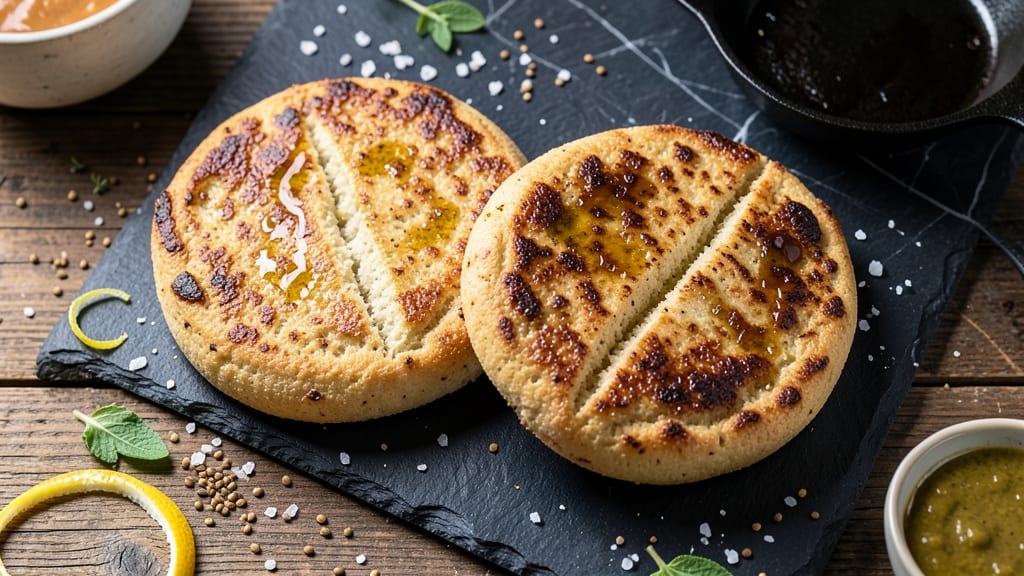
This almond flour flatbread bread recipe delivers the perfect balance of crispy edges and tender centers without relying on gluten.
The secret lies in the right ratio of almond flour to binder—whether you use flaxseed meal or psyllium husk—and a quick cooking method that transforms simple ingredients into a restaurant-worthy side. I developed this version after testing countless variations, and it consistently delivers that satisfying contrast in texture every time.
The beauty of this flatbread is its versatility—it works as a gluten-free alternative to naan, a low-carb wrap, or even a crispy base for dips and spreads. Unlike traditional flatbreads, this recipe requires no yeast or long fermentation, making it perfect for busy weeknights.
The dough comes together in minutes, and with just a few minutes in the oven or skillet, you'll have golden, blistered edges and a soft, pillowy interior.
What sets this recipe apart is how it achieves that coveted crispy texture while maintaining a tender center—a challenge many gluten-free flatbreads struggle with. The key is in the cooking method: high heat for a short time ensures the edges crisp up while the inside stays soft.
This flatbread pairs beautifully with curries, soups, or even as a sandwich wrap, offering a nutty, slightly sweet flavor that complements both savory and sweet dishes.
Whether you're following a gluten-free diet, watching your carb intake, or simply craving something crispy and delicious, this almond flour flatbread delivers. It’s the kind of recipe that proves gluten-free baking can be just as satisfying as traditional baking—if not more so. Let’s get started on creating your perfect batch.
Ingredients for almond flour flatbread bread
Nine simple ingredients transform into crispy-edged, pillowy flatbreads—gluten-free and restaurant-worthy.
| Ingredient | Amount | Notes |
|---|---|---|
| Almond Flour 🌰 | 2 cups | Finely ground, blanched preferred |
| Flaxseed Meal 🌾 | ¼ cup | Ground flaxseeds, not whole |
| Psyllium Husk Powder 🌿 | 1 tbsp | Unflavored, essential for texture |
| Warm Water 💧 | ½ cup | Room temperature preferred |
| Extra-Virgin Olive Oil 🫒 | 2 tbsp | High quality, fruity |
| Salt 🧂 | ½ tsp | Fine sea salt preferred |
| Garlic Powder 🧄 | ½ tsp | Freshly ground preferred |
| Onion Powder 🧅 | ½ tsp | For subtle depth |
| Cumin Seeds 🌶️ | ¼ tsp | Toasted for aroma |
| Sesame Seeds 🌻 | 1 tbsp | Toasted for crunch |
Almond flour is the star here—Bob's Red Mill or Anthony's Goods are my go-tos for consistent texture. The flaxseed meal and psyllium husk are non-negotiable for that perfect balance of crispy edges and tender centers. Trader Joe's sells pre-ground flaxseed meal, but if you've got whole flaxseeds, grind them fresh in a coffee grinder. For psyllium husk, the Metamucil brand works perfectly—just make sure it's unflavored. Toast your cumin and sesame seeds in a dry skillet for 30 seconds before adding to the dough—that aroma is everything.
No almond flour? Cashew flour or oat flour can substitute at a 1:1 ratio, though texture will differ slightly. Running low on flaxseed meal? Chia seeds ground into a powder work in a pinch (use the same amount). Swap sesame seeds for poppy seeds or sunflower seeds if you're avoiding nuts. The spices are flexible—turmeric or smoked paprika add beautiful color if you're feeling adventurous. And if you don't have a coffee grinder for the flaxseeds, a mortar and pestle works just as well.
This dough keeps in the fridge for 3 days wrapped tightly in plastic, or freeze portions for up to 3 months. For best results, let the dough rest at room temperature for 10 minutes before rolling—it makes all the difference in texture. I like to portion the dough into 4 equal balls before cooking, so I can just grab and go when ready. The flatbreads reheat beautifully in a skillet or oven—just 2 minutes at 350°F brings back that perfect crisp.
Why You'll Love This Recipe
- No-Fuss Mixing: I swear by the 5-minute stir—just almond flour, flax, psyllium, and water. No yeast, no kneading, no waiting. The psyllium does all the heavy lifting while I sip my coffee.
- Nutty Crunch Delight: That first bite? Buttery almond warmth with a satisfying crackle from the olive oil. It’s like a cross between focaccia and a cookie—no one ever guesses it’s gluten-free.
- Meal Prep MVP: I make a batch on Sundays, freeze half, and pull them out for wraps, sandwiches, or toast. They reheat in seconds—no soggy bread here, just crispy perfection every time.
- Budget-Friendly Staple: Almond flour isn’t cheap, but this recipe stretches far. A little goes a long way, and the flaxseed meal adds fiber without breaking the bank. My wallet and my family win.
Step-by-step instructions for almond flour flatbread with crispy edges
Here's how to transform simple ingredients into perfectly textured flatbreads with golden edges and tender centers.
Combine Dry Ingredients for Optimal Texture
In a large mixing bowl, whisk together the 2 cups almond flour, 0.25 cup flaxseed meal, 1 tbsp psyllium husk powder, 0.5 tsp salt, 0.5 tsp garlic powder, 0.5 tsp onion powder, and 0.25 tsp cumin seeds. The psyllium husk powder is absolutely essential here—it creates that signature flatbread structure and chewiness. Sift the mixture lightly to break up any lumps, especially in the flaxseed meal, which can get clumpy when ground.
While mixing, toast the 1 tbsp sesame seeds in a dry skillet over medium heat for 1-2 minutes until they turn a rich golden brown and release their nutty aroma. This step enhances their flavor and adds that beautiful crunchy texture to your finished flatbreads. Let the seeds cool completely before adding them to your dry ingredients mixture.
Create the Dough with Perfect Hydration Balance
In a separate small bowl, whisk together the 0.5 cup warm water and 2 tbsp extra-virgin olive oil. The water should be at room temperature—cold water can make the dough too stiff, while hot water might activate the psyllium too quickly. Add this liquid mixture to your dry ingredients all at once and stir vigorously with a wooden spoon or silicone spatula for 3-4 minutes.
You're aiming for a dough that's thick but still pliable—it should hold together when pressed but not be crumbly. If it feels too dry after mixing, add 1 teaspoon more warm water at a time until it reaches the perfect consistency. The dough will be slightly sticky, which is normal. Cover the bowl with a damp towel and let it rest for 10 minutes at room temperature. This resting period allows the psyllium husk to fully hydrate and develop its binding properties.
Shape and Preheat for Perfect Flatbreads
Preheat your oven to 375°F and place a baking sheet on the middle rack. Line the baking sheet with parchment paper for easy removal. Divide the rested dough into 4 equal portions (about ¼ cup each) and roll each portion between your palms to form smooth, round balls. The dough should be soft enough to mold easily but not sticky enough to leave residue on your hands.
Flatten each ball into a ¼-inch thick circle on the prepared baking sheet. I like to use my palms to press the dough out evenly, rotating the flatbread as I go to ensure consistent thickness. Space them about 1 inch apart on the baking sheet—this gives them room to expand slightly during baking. The edges should be slightly thinner than the center, which helps create that perfect crispy-to-soft transition when baked.
Bake to Golden Perfection with Crispy Edges
Bake the flatbreads for 12-15 minutes until the edges are deep golden brown and the centers are just beginning to set. The flatbreads should puff up slightly at the edges but remain soft in the middle. Rotate the baking sheet halfway through if your oven has hot spots. Here's the thing—don't overbake them. They'll continue cooking slightly after you remove them from the oven, and you want that tender center.
For extra crispiness, I recommend broiling for 1-2 minutes at the end of the baking time. Keep a close eye on them during this step—they can go from perfect to burnt in seconds. Remove from the oven and let them cool on the baking sheet for 5 minutes before transferring to a wire rack. The sesame seeds should be crunchy, the edges should be crisp enough to hold their shape, and the centers should be soft enough to cut with a fork.
Serve Warm with Your Favorite Toppings
Serve the flatbreads immediately while they're still warm. The contrast between the crispy edges and soft centers is what makes these flatbreads so special. They're perfect for dipping in hummus, spreading with whipped feta, or using as a base for Mediterranean-inspired bowls. If you need to reheat them, simply pop them in a 350°F oven for 3-5 minutes to restore their crispiness.
Real talk: these flatbreads are even better the second day if you store them properly. Wrap them in a clean kitchen towel and place them in an airtight container. They'll keep for up to 3 days at room temperature, and you can refresh their texture by warming them in the oven as mentioned above. The flavors only deepen with time, making them perfect for meal prep!
Pro Tips For Making Almond Flour Flatbread Bread
- Mix the Psyllium Last: Mixing psyllium husk powder into warm water first creates a gel-like binder—wait 2 minutes before folding it into the almond flour. I learned this the hard way when my first batch crumbled because I rushed it; the husk needs time to fully hydrate and thicken, or your dough will stay brittle.
- Use a Scale for Flour: Almond flour varies wildly in density—spooning it leads to inconsistent batches. Weigh it instead (about 120g for a standard flatbread) and tap the measuring cup gently to settle it. This isn’t just precise; it’s the difference between a flatbread that holds together and one that falls apart when you try to flip it.
- Press, Don’t Roll: Skip the rolling pin—press the dough with your palms or a glass bottle (about ¼ inch thick) for even thickness. Rolling creates air pockets that make the bread tear when cooked. A firm, flat press ensures a tender, cohesive crust every time.
- Toast the Almond Flour First: Lightly toast the almond flour in a dry pan for 3–4 minutes until it smells nutty. This removes moisture and deepens the flavor, so your flatbread doesn’t turn out bland or gummy. (Yes, even if you’re impatient—just set a timer and walk away.)
Make-ahead tips for this dish
Dough Prep Ahead
Prepare the dough up to 3 days in advance and store it in an airtight container in the fridge. The psyllium husk and flaxseed meal continue to hydrate and develop flavor, resulting in even better texture.
When ready to cook, let the dough sit at room temperature for 10 minutes to soften slightly before shaping. This makes last-minute baking a breeze—just roll and bake! 🌰
Portion for Convenience
Divide the dough into 4 equal balls (about ¼ cup each) and store them in a single-layer container between parchment paper. This prevents sticking and makes it easy to grab just what you need.
I like to label the container with the date—these keep well for 3 months in the freezer when frozen. Simply thaw overnight in the fridge before using. ❄️
Flatbread Storage Tips
For freshly baked flatbreads, store them in a clean kitchen towel inside an airtight container to maintain crispiness. They’ll stay fresh for 3 days at room temperature.
To revive stale flatbreads, brush with olive oil and warm in a 350°F oven for 3-5 minutes until crispy again. This works like magic for second-day texture! 🔥
Freezing for Later
Freeze unbaked flatbread dough balls or fully baked flatbreads for up to 3 months. For unbaked dough, freeze the balls on a tray first to prevent sticking, then transfer to a freezer bag.
For baked flatbreads, wrap individually in foil before freezing. Thaw baked flatbreads at room temperature for 1 hour, then reheat in a skillet for 2 minutes per side for that fresh-from-the-oven crunch. 💫
Batch Cooking Strategy
Double the recipe and bake two trays at once for meal prep. Store cooled flatbreads in a single layer with parchment between them to prevent sogginess. I like to keep a stash in the freezer for quick lunches—just reheat and pair with your favorite dip or spread.
This saves time on busy days while keeping your meals exciting. ✨
Reheating Perfection
For best results, reheat flatbreads in a skillet over medium heat for 1-2 minutes per side until crispy. If using the oven, place on a baking sheet at 350°F for 3-5 minutes.
Avoid microwaving—it makes them rubbery. A quick skillet reheat brings back that golden, blistered edge every time! 🍳
Nutrition facts
Frequently asked questions
Can I make this almond flour flatbread without psyllium husk?
You can try, but psyllium husk is essential for that signature chewy texture and structure. For a substitute, use 1 tbsp ground chia seeds or 1 tbsp xanthan gum—both help bind the dough. Just know the texture will be slightly different, more like a cracker than traditional flatbread. The psyllium creates that perfect balance of crispy edges and soft centers.
How do I get extra crispy edges without burning the centers?
Preheat your oven to 400°F and bake for 10-12 minutes until edges are golden. For extra crispiness, broil for 1-2 minutes at the end—watch closely! The key is thin edges (⅛-inch thick) and high heat. If worried about burning, use a baking sheet with lower sides to prevent over-browning.
Can I use this flatbread for sandwiches?
These flatbreads hold up well to sandwiches, especially when lightly toasted first. For extra stability, brush with olive oil and toast in a skillet for 30 seconds per side before assembling. They work perfectly for wraps, with fillings like grilled chicken, avocado, and hummus. The nutty flavor pairs beautifully with Mediterranean or Asian-inspired ingredients.
Why did my flatbread turn out dense instead of crispy? Dense flatbreads usually happen from overmixing or insufficient hydration.
Are these flatbreads safe for nut allergies?
No, this recipe contains almond flour and is not safe for nut allergies. For a nut-free version, substitute with sunflower seed flour or oat flour (certified gluten-free). The texture will differ slightly, but it will still be delicious. Always check labels on your flour substitutes for cross-contamination warnings.