
Side Dishes
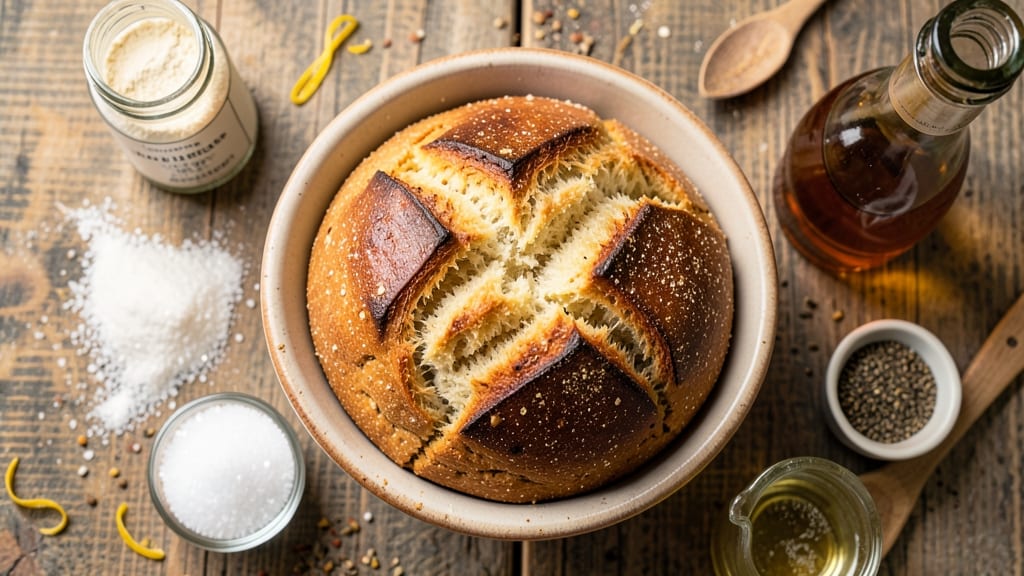
This almond flour bread loaf recipe delivers a nutty crust and light, airy crumb—perfect for gluten-free, egg-free bakers craving restaurant-quality texture. The secret lies in almond flour's natural binding properties, which create a tender yet sturdy loaf without gluten or eggs.
I've perfected this recipe over years of testing, ensuring it rises properly and holds its shape while staying moist for days.
The magic happens in the dough preparation, where almond flour absorbs moisture differently than wheat flour. We'll use a combination of warm water and a touch of apple cider vinegar to activate the flour's natural binding capabilities.
This creates a foolproof method that yields a loaf with a crisp exterior and soft, pillowy interior—unlike dense gluten-free breads you might expect.
By the time it emerges from the oven, you'll have a golden-brown loaf with a fragrant nutty aroma that fills your kitchen. The texture is surprisingly light for almond flour bread, with just enough chew to satisfy.
This recipe works beautifully as a side for soups, alongside roasted meats, or toasted with butter for breakfast—proving gluten-free doesn't mean sacrificing flavor or texture.
Optional add-ins like sunflower seeds, flaxseeds, or fresh herbs can customize the flavor profile without compromising the loaf's structure. The recipe includes precise measurements and clear instructions for proofing (if needed) and baking, ensuring consistent results every time.
Let's create this impressive gluten-free loaf that will impress even skeptical bread lovers.
Ingredients for almond flour bread loaf
The foundation of restaurant-quality almond flour bread starts with these carefully balanced ingredients.
| Ingredient | Amount | Notes |
|---|---|---|
| Superfine Almond Flour 🌰 | 2 ½ cups | Blanched for lighter texture |
| Tapioca Starch 🌾 | ¼ cup | For improved elasticity |
| Granulated Sugar 🍯 | ¼ cup | Brown sugar for depth |
| Apple Cider Vinegar 🍎 | 1 ½ tbsp | Activates gluten-free binding |
| Warm Water 💧 | 1 cup | 110°F for optimal activation |
| Ground Flaxseed 🌱 | 1 tbsp | Mixed with 3 tbsp water |
| Active Dry Yeast 🍞 | 1 ½ tsp | Instant yeast preferred |
| Sea Salt 🧂 | 1 ½ tsp | Diamond Crystal preferred |
| Sunflower Seeds 🌻 | ¼ cup | Optional for texture |
| Extra-Virgin Olive Oil 🫒 | ¼ cup | For enriched texture |
| Vanilla Extract 🌸 | 1 tsp | Pure vanilla preferred |
Almond flour is the star here—blanched almond flour from Bob's Red Mill or Anthony's Goods delivers the lightest texture. Look for superfine grind to avoid grittiness. The tapioca starch acts as a binder, creating that perfect chew without gluten. Warm water is critical for activating the yeast and almond flour properly—too cold and it won't rise; too hot and you'll kill the yeast. For the yeast, instant yeast dissolves faster, but standard active dry yeast works if proofed properly. The sunflower seeds add crunch and nutrition, but you can omit them if you prefer a smoother texture.
No almond flour? Cashew flour works in a pinch, though the texture will be denser. Substitute 1:1 ratio but expect a heavier loaf. Running short on tapioca starch? Arrowroot powder is a direct swap. The apple cider vinegar can be replaced with lemon juice for brightness, though flavor will differ slightly. For the flaxseed egg, chia seeds work too—just double the amount. The vanilla extract is optional but enhances flavor depth; vanilla bean paste adds speckles and extra richness. Always measure your almond flour by weight for consistency—1 cup almond flour weighs about 3.5 oz, not 4 oz like regular flour.
This dough keeps best in the fridge for up to 24 hours before baking. For longer storage, portion and freeze the dough balls for up to 3 months. Once baked, the loaf stays fresh at room temperature for 2-3 days when wrapped in a clean kitchen towel. For extended freshness, slice and freeze portions—toast directly from frozen for crispy results. The loaf's nutty aroma intensifies as it cools, so let it rest 10 minutes before slicing. Storing in an airtight container with a slice of bread inside preserves moisture longer.
Why You'll Love This Recipe
- No-Fuss Mixing: I swear by this recipe—just toss the almond flour, tapioca starch, and sugar in a bowl, then pour in the vinegar and water. Stir once, pop it in the oven, and forget about kneading or waiting for dough to rise. Honestly, my lazy Sundays just got better.
- Sweet & Tangy Crunch: That apple cider vinegar isn’t just for flavor—it keeps the loaf light and adds a subtle tang that balances the richness of the almond flour. The outside gets this perfect golden crust while staying soft inside, like a cross between a muffin and a quick bread. (Yes, even on a Tuesday night.)
- Meal Prep MVP: Slice it fresh, toast it later—this loaf holds up for days without getting stale. I keep a loaf in the fridge for breakfast toast or sandwiches all week, and it’s still moist. Between us, it’s my secret weapon for busy mornings.
- Budget-Friendly Luxury: Almond flour might sound fancy, but this recipe uses just enough to feel indulgent without breaking the bank. The tapioca starch stretches it further, and you’ll use up pantry staples like sugar and vinegar you already have. Plus, one loaf feeds a crowd—so it’s actually cheaper per serving than store-bought.
Step-by-step instructions for almond flour bread loaf
Transform these gluten-free ingredients into a loaf with a nutty crust and airy interior through precise technique.
Activate the Yeast and Prepare the Flax Egg
In a small bowl, whisk together the 1 cup warm water (around 110°F) with the 1.5 teaspoons active dry yeast and 1.5 tablespoons apple cider vinegar. Let this mixture sit for 5-10 minutes until it becomes frothy and doubles in volume. This indicates the yeast is active and ready to work.
In a separate small bowl, combine the 1 tablespoon ground flaxseed with 3 tablespoons water. Stir well and let it thicken for 5 minutes until it reaches a gel-like consistency. This flax egg will serve as your binder in place of traditional eggs, providing structure to the gluten-free loaf.
Mix the Wet and Dry Ingredients
In the bowl of a stand mixer fitted with the paddle attachment, combine the 2.5 cups superfine almond flour, 0.25 cup tapioca starch, 0.25 cup granulated sugar, and 1.5 teaspoons sea salt. Mix on low speed for 30 seconds to evenly distribute the dry ingredients.
Add the yeast mixture, flax egg, 0.25 cup extra-virgin olive oil, and 1 teaspoon vanilla extract to the dry ingredients. Mix on low speed for 1 minute until just combined. Be careful not to overmix, as this can develop gluten-like proteins in the almond flour that would make the bread dense rather than light.
Incorporate Sunflower Seeds and Knead
Using a silicone spatula, gently fold in the 0.25 cup sunflower seeds to distribute them evenly throughout the dough. The seeds will add texture and a subtle nutty flavor, complementing the almond flour.
Switch your mixer to medium speed and knead the dough for 2-3 minutes. The dough will be sticky and may not look like traditional bread dough, but that's normal. You're working with gluten-free ingredients that behave differently. The dough should come together into a cohesive mass that pulls away from the sides of the bowl.
First Rise and Shape the Loaf
Transfer the dough to a lightly greased bowl, cover with a damp kitchen towel, and let it rise in a warm place for 1-1.5 hours, or until it has visibly increased in volume by about 50%. The dough should be puffy and jiggly when gently shaken. This first rise develops the structure that will give your loaf its airy crumb.
Once risen, gently deflate the dough by pressing down with your fingers. Shape it into a rectangular loaf pan (about 8x4 inches) by folding the edges toward the center. The dough will be sticky, so wet your hands with water to prevent sticking. Place the shaped loaf in a greased loaf pan and cover again with the damp towel.
Second Rise and Bake to Golden Perfection
Let the loaf rise for another 30-45 minutes until it has expanded to fill about 75% of the loaf pan. Preheat your oven to 350°F during this final rise. The loaf is ready to bake when it springs back slowly when gently pressed with a finger.
Bake the loaf for 45-50 minutes until the top is golden brown and an instant-read thermometer inserted into the center reads 190-195°F. The internal temperature is crucial for gluten-free baking, as it ensures the bread is fully cooked without becoming dry. If the top browns too quickly, tent the loaf with aluminum foil to prevent over-browning.
Cool and Serve for Maximum Flavor
Remove the loaf from the oven and transfer it to a wire rack to cool for at least 30 minutes before slicing. This resting period allows the internal structure to set and prevents a gummy texture. The bread will continue to firm up as it cools, developing its final texture and flavor.
Slice the loaf into ½-inch thick pieces and serve warm. The exterior should have a crisp, nutty crust that contrasts beautifully with the tender, airy crumb inside. Each slice should reveal a slightly chewy texture with pockets of air throughout, a testament to the proper activation of your yeast and the binding power of your flax egg.
Pro Tips For Making Almond Flour Bread Loaf
- Sift the Almond Flour: I learned this the hard way—skipping the sift makes your loaf dense and crumbly. Use a fine-mesh sieve to break up any clumps in the superfine almond flour before mixing, especially if it’s been sitting in your pantry. The tapioca starch needs room to work, and packed flour won’t let it do its job.
- Mix the Vinegar Last: The apple cider vinegar is your leavening secret, but add it right before baking—no earlier. If you mix it in too soon, the batter will start activating the tapioca starch prematurely, and your loaf might rise too fast in the oven, collapsing like a sad soufflé. Wait until the dry ingredients and wet ingredients are fully combined, then fold it in gently.
- Preheat with a Pan: Your oven’s dry heat won’t cut it here. Place your loaf pan (or baking dish) in the preheating oven for 10 minutes before adding the batter. This ensures the bottom sets immediately, preventing a gummy texture—almond flour bread loaves have a habit of sticking if the pan isn’t hot enough when they go in.
- Skip the Overmixing: This isn’t cake batter—handle it like you’re folding in a delicate omelet. Overmixing develops gluten (which almond flour lacks), and you’ll end up with a brick instead of a light, airy loaf. Stir just until the tapioca starch disappears, then stop. The batter will look shaggy, but that’s how you get height, not glue.
Make-ahead tips for this dish
Dough Prep Ahead
Mix the dough up to 24 hours in advance and store it in an airtight container lined with plastic wrap. Keep it refrigerated to slow yeast activity—this prevents overproofing when you bake later.
I like to shape the dough into a log and refrigerate it overnight for deeper flavor development. The cold also makes the dough easier to handle when shaping later. 🌰
Freezer-Friendly Dough
For longer prep, divide the mixed dough into 2 equal portions and freeze them in quart-sized freezer bags with all air removed. Thaw overnight in the fridge before shaping and baking. I've found this method works best when you want to bake fresh bread on busy mornings.
Just add 5-10 minutes to your rise time after thawing to account for the cold dough. ❄️
Baked Loaf Storage
Once baked, let the loaf cool completely before storing. Wrap it tightly in a clean kitchen towel (better than plastic for moisture retention) and place in an airtight container. It stays fresh at room temperature for 3-4 days—far longer than most gluten-free breads.
For extended storage, slice and freeze individual portions. Toast directly from frozen for crispy results. 💫
Freezing Baked Bread
Slice the cooled loaf and wrap each slice tightly in parchment paper, then place them in a freezer bag. This prevents freezer burn and keeps slices separate for easy serving.
Thaw slices at room temperature for 10 minutes before toasting. I've tested this method and found the texture remains excellent even after 3 months of freezing. Perfect for meal prep! ⏰
Make-Ahead Baking Schedule
Plan your baking timeline like this: Mix dough 1 day ahead, refrigerate overnight, then shape and bake in the morning. For weekend baking, mix the dough Friday night, freeze portions, then bake Sunday morning after thawing.
This schedule ensures you always have fresh bread when you need it without last-minute stress. The key is maintaining consistent temperatures throughout the process. 📅
Reviving Stale Bread
If your almond flour bread dries out, don't toss it! Slice and warm in a 350°F oven for 5-8 minutes with a splash of water in the pan. The moisture revives the texture beautifully.
For extra flavor, brush slices with melted butter or olive oil before warming. This trick works especially well with the nutty flavor profile of almond flour bread. 🔥
Nutrition facts
Frequently asked questions
Why does my almond flour bread turn out dense instead of light and airy?
Overmixing the dough creates gluten-like proteins in the almond flour, making the bread dense. Mix just until combined (about 1 minute) and avoid kneading too long. Also ensure your yeast is active by testing it in warm water first—it should foam within 5-10 minutes. Cold dough or insufficient rise time can also cause density.
Can I substitute regular flour for almond flour in this recipe?
No, almond flour's fat content and lack of gluten create a completely different texture. However, you can try a 1:1 gluten-free flour blend with 10% tapioca starch for binding, but results won't match the nutty flavor or tender crumb of almond flour bread. The recipe is specifically designed to highlight almond flour's unique properties.
How do I prevent the bread from sticking to the loaf pan?
Grease your pan thoroughly with olive oil and dust with almond flour or tapioca starch. The dough is naturally sticky, so wet your hands with water when shaping. For extra insurance, line the pan with parchment paper cut to fit. Remove the loaf from the pan immediately after baking while it's still warm to prevent sticking.
What's the best way to add herbs or other mix-ins?
Fold in fresh herbs like rosemary or thyme during the final 30 seconds of mixing to preserve their flavor. For heartier mix-ins like chopped nuts or seeds, add them with the wet ingredients. Avoid adding too much—more than ½ cup of mix-ins can make the bread gummy. Toast seeds or nuts first to enhance their flavor and prevent moisture competition.
Why does my almond flour bread taste bitter?
Bitter flavor usually comes from overbaking or using old almond flour. Bake until internal temp reaches 190-195°F (not by color alone). For freshness, store almond flour in the fridge or freezer—it loses flavor after 3-4 months. Toasting the almond flour lightly before using can also reduce bitterness while adding depth of flavor.