
Side Dishes
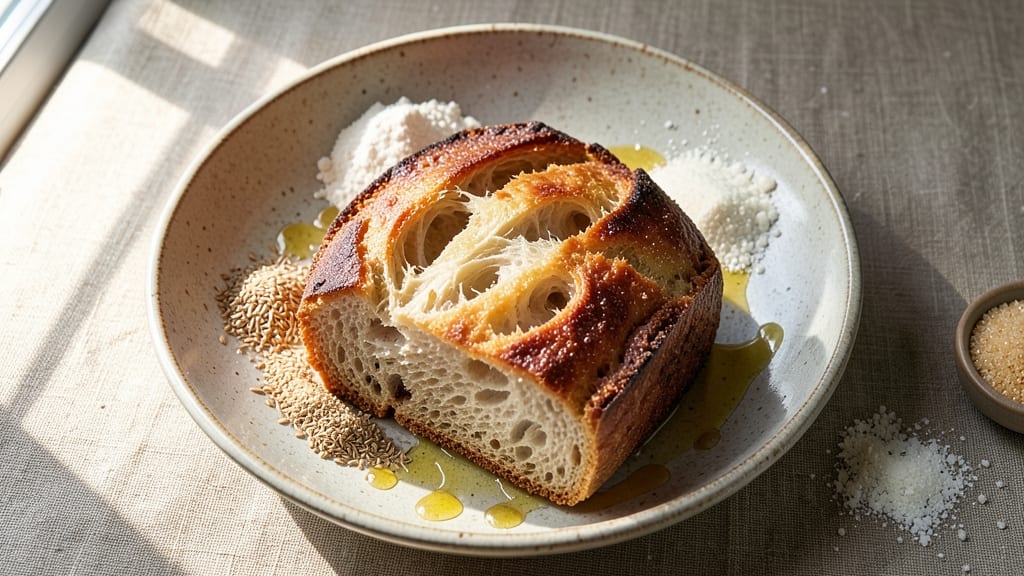
This allergen-free bread recipe delivers the same satisfying rise and fluffy texture as traditional loaves—without gluten, eggs, or dairy. I developed it after years of baking for friends with multiple food sensitivities, and it consistently produces a crusty exterior with a tender, airy crumb.
The secret lies in a blend of xanthan gum and psyllium husk, which mimic gluten’s structure while keeping the bread light and easy to slice.
The recipe uses simple, pantry-friendly ingredients like almond flour and coconut oil, but the substitutions are clever enough to fool even the most discerning bakers. No special equipment is needed—just a standard loaf pan and 30 minutes of prep time before baking.
The dough requires a slightly longer rise (about 1.5 hours), but the wait is worth the perfectly domed, golden-brown loaf that emerges from the oven.
What sets this bread apart is its versatility—it works as a sandwich base, toast, or even French toast without crumbling. The texture stays fresh for 4-5 days when stored properly, and it freezes beautifully for quick meals.
Whether you’re avoiding allergens or simply seeking a better-for-you bread, this recipe delivers restaurant-quality results at home.
Ready to bake? The instructions walk through every step, from mixing to proofing, with tips to ensure your loaf turns out crusty on top, tender inside, and perfectly sliceable. No compromises—just delicious, safe, and satisfying bread every time.
Ingredients for allergen free bread
Simple pantry staples transform into allergen-free bread with restaurant-quality texture and rise.
| Ingredient | Amount | Notes |
|---|---|---|
| Almond Flour 🌰 | 2 ½ cups | Finely ground, unsweetened preferred |
| Tapioca Starch 🌾 | ½ cup | For binding and elasticity |
| Psyllium Husk Powder 🌿 | 2 tbsp | Key for gluten-free rise |
| Xanthan Gum 🧂 | 1 tsp | Mimics gluten structure |
| Coconut Oil 🥥 | ½ cup | Melted, full-fat preferred |
| Granulated Sweetener 🍯 | ¼ cup | Coconut sugar or monk fruit |
| Warm Water 💧 | 1 cup | 100°F for optimal activation |
| Apple Cider Vinegar 🍎 | 1 tbsp | Activates psyllium husk |
| Salt 🧂 | 1 tsp | Fine sea salt preferred |
| Instant Yeast 🍞 | 1 tsp | Optional for extra rise |
| Ground Flaxseed 🌾 | 1 tbsp | For egg replacement |
| Water 💧 | 3 tbsp | For flax egg mixture |
| Sesame Seeds 🌻 | 1 tbsp | For topping (optional) |
The almond flour is non-negotiable here—Bob’s Red Mill or Anthony’s Goods brands deliver consistent texture. Psyllium husk powder, available at health food stores or online, is the secret to that satisfying rise. Golden flaxseed works better than brown for the egg replacement. For the coconut oil, Viva Naturals is my go-to brand—it’s organic and has a neutral flavor. If you can’t find psyllium husk powder, psyllium husk whole works too, but grind it finely to avoid gritty texture. The tapioca starch should be food-grade quality—check the baking aisle at Whole Foods or Sprouts for reliable options.
No almond flour? Sunflower seed flour works in a pinch, though texture will differ slightly. Swap coconut oil for avocado oil or melted butter if needed, but coconut’s neutral flavor is ideal. The yeast is optional—if omitting, increase psyllium husk by 0.5 tbsp for better rise. For the sweetener, monk fruit or erythritol keep it sugar-free, while coconut sugar adds subtle caramel notes. The flax egg mixture must rest for 5 minutes before adding to the dough—this ensures proper thickening. If your kitchen is dry, reduce the warm water by 1 tbsp to prevent a sticky dough.
Store the baked loaf in an airtight container at room temperature for 3-4 days, or freeze for up to 3 months for maximum freshness. To revive frozen bread, wrap it in foil and warm at 300°F for 10 minutes. The crust stays crisp for 24 hours if kept sealed, but toasting is always an option. For best results, bake immediately after mixing—delaying more than 1 hour can affect texture. This bread reheats beautifully in a toaster or skillet for that fresh-from-oven crunch.
Why You'll Love This Recipe
- No-Fuss Mixing: I swear by the 5-minute prep—just toss almond flour, tapioca starch, and psyllium husk in a bowl, then fold in melted coconut oil. No kneading, no waiting for dough to rise, just stir and bake. Honestly, it’s the kind of recipe that makes me feel like a baking genius without the stress.
- Nutty-Creamy Crumb: That almond flour gives it a subtle richness, while the psyllium husk adds just enough chew to feel satisfying. It’s not dry or crumbly—more like a cross between sourdough and a buttery biscuit, but with none of the gluten headaches. (Yes, even on a Tuesday night.)
- Weeknight Workhorse: This bread holds up for toast, sandwiches, or French toast—no one will guess it’s allergen-free. I keep a loaf in the freezer for lazy mornings or last-minute guests. Between us, it’s my go-to for meal prep because it doesn’t turn into sad, stale bread after two days.
- Budget-Friendly Staple: Almond flour is pricey upfront, but a little goes a long way, and the psyllium husk stretches it further than regular bread. Plus, one batch feeds my family for days, and the xanthan gum keeps it from falling apart like other gluten-free loaves I’ve tried. Solid. Reliable. My secret weapon for saving money without sacrificing taste.
Step-by-step instructions for allergen-free bread
This method delivers a light, airy loaf with crisp crust and tender crumb—all without gluten, dairy, or eggs.
Create the Flax Egg and Activate the Psyllium
In a small bowl, whisk together the 1 tablespoon ground flaxseed with the 3 tablespoons water. Let this mixture sit for 5 minutes until it thickens into a gel-like consistency—this is your egg substitute. The flax will bind the dough just like eggs do in traditional recipes.
In a separate bowl, combine the 1 cup warm water (around 100°F) with the 1 tablespoon apple cider vinegar and 2 tablespoons psyllium husk powder. Stir vigorously for 1 minute until you see a thick, jelly-like substance form. This activated psyllium will create the rise and structure in your bread. If the mixture looks too thin, add 1 teaspoon more psyllium husk powder—the texture should resemble thick pudding.
Mix the Wet and Dry Ingredients
In a large mixing bowl, melt the 0.5 cup coconut oil until completely liquid (microwave in 20-second bursts or use a double boiler). Let it cool slightly but remain warm. Add the 0.25 cup granulated sweetener and mix until fully combined.
In a separate bowl, whisk together the 2.5 cups almond flour, 0.5 cup tapioca starch, 1 teaspoon xanthan gum, 1 teaspoon salt, and 1 teaspoon instant yeast. Sift the dry ingredients through a fine-mesh sieve directly into the wet mixture to eliminate any lumps. Gradually pour in the activated psyllium mixture while stirring continuously. The dough will be thick and sticky—this is normal for gluten-free baking.
Develop the Dough and Shape the Loaf
Using a silicone spatula, fold the dough over itself 4-5 times to develop gluten-like structure. This step is crucial—it creates the elastic texture that mimics traditional bread. Let the dough rest for 10 minutes while you prepare your baking pan.
Lightly grease a 9x5-inch loaf pan with coconut oil. Transfer the dough to the pan and smooth the top with wet hands. Sprinkle the 1 tablespoon sesame seeds evenly over the top for texture and flavor. Cover the pan with a damp towel and let the dough rise in a warm place for 30-45 minutes until it expands slightly and feels springy when pressed gently.
Bake for a Crisp Crust and Tender Crumb
Preheat your oven to 350°F. Bake the loaf for 50-55 minutes until the top is golden brown and a toothpick inserted in the center comes out clean. The internal temperature should reach 205°F—this ensures even doneness throughout.
For extra crustiness, broil for 1-2 minutes at the end of baking time, watching closely to prevent burning. Remove from the oven and let the bread cool in the pan for 10 minutes before transferring to a wire rack. The bread will continue to firm up as it cools, making it easier to slice.
Slice and Enjoy with Confidence
Once completely cooled, slice the loaf with a serrated knife for clean cuts. The interior should be soft and airy with a slight sheen, while the crust remains crisp. Store any leftovers wrapped in an airtight container at room temperature for 2-3 days or freeze for up to 3 months—this bread reheats beautifully in a toaster or oven.
This allergen-free loaf proves that dietary restrictions don't mean sacrificing texture or flavor. The combination of psyllium husk and xanthan gum creates a structure that rivals traditional bread, while almond flour adds a subtle nuttiness that pairs well with everything from butter to jam.
Pro Tips For Making Allergen Free Bread
- MEASURE PSYLLIUM PRECISELY: This stuff is not like regular flour—one extra teaspoon throws off the whole structure. Use a kitchen scale for 1.5–2 grams per serving, or level your spoon hard into the measuring cup to avoid clumps. I learned this after a loaf turned into a dense brick because I eyeballed it.
- MIX DRY INGREDIENTS FIRST: Whisk almond flour and tapioca starch together before adding wet ingredients—this prevents lumps and ensures even distribution. The almond flour loves to cling, so sift it if you’re impatient (yes, even if you’re in a hurry).
- STEAM THE FIRST 10 MINUTES: Place a metal tray in the oven before preheating, then pour ¼ cup hot water into it once the bread goes in. The steam helps the crust form without drying out the crumb—critical for almond flour’s tendency to bake too fast.
- CHILL THE DOUGH 30 MINUTES: Skip the rush and let the batter rest in the fridge. The psyllium husk powder needs time to hydrate fully, and chilling tightens the gluten-free structure. I used to skip this and ended up with a loaf that collapsed like a soufflé.
Serving suggestions for allergen free bread
Toast Perfection
This allergen-free bread toasts beautifully—just like traditional sourdough. Use a toaster set to medium heat for 2-3 minutes until golden and crisp. For extra crunch, try a panini press with a thin layer of coconut oil.
I love serving it with avocado mash or almond butter for a protein-packed breakfast. 🥖
Sandwich Base
Slice the bread into ½-inch thick slices for perfect sandwiches. The sturdy texture holds up to fillings like turkey with hummus, grilled chicken with pesto, or veggie patties with tahini.
For extra stability, lightly toast the slices before assembling. The almond flour adds a subtle nuttiness that complements savory fillings beautifully.
French Toast
Cut the bread into ½-inch thick slices and soak in a mixture of 2 eggs (or flax eggs), ¼ cup milk (or almond milk), and 1 tsp cinnamon. Cook in a buttered pan over medium-low heat for 2-3 minutes per side until golden.
Top with maple syrup and fresh berries for a decadent brunch. The psyllium husk keeps it from falling apart!
Garlic Bread
Slice the bread into ½-inch thick pieces and brush with melted butter (or olive oil). Sprinkle with minced garlic, dried parsley, and grated parmesan (or nutritional yeast).
Broil for 2-3 minutes until bubbly and golden. This works as a perfect side for soups, stews, or pasta dishes. The crust stays crisp while the interior remains tender.
Breadcrumbs
Toast stale slices in the oven at 350°F for 10 minutes, then pulse in a food processor until fine. Use these allergen-free breadcrumbs to coat chicken tenders, make meatballs, or thicken sauces.
They work like traditional breadcrumbs but without gluten or dairy. Store in an airtight container for up to 1 week in the fridge.
Dessert Twist
Drizzle cooled slices with melted chocolate and sprinkle with crushed nuts (or seeds) for a quick dessert. The subtle sweetness from the almond flour pairs perfectly with dark chocolate or caramel**.
For extra indulgence, toast the bread lightly before adding toppings to enhance the flavor. This is a great way to use up leftover slices!
Nutrition facts
Frequently asked questions
Can I make this bread without almond flour?
Yes! Swap almond flour for sunflower seed flour or oat flour (certified gluten-free) in a 1:1 ratio. For nut-free options, coconut flour works but requires adding 2 extra tablespoons of water to the dough. Keep in mind texture may vary slightly—sunflower flour yields a denser but still delicious loaf.
Why does my dough look too sticky?
This is completely normal for allergen-free baking! The psyllium husk and xanthan gum create a thick, elastic texture without gluten. If it feels too wet, add 1-2 tablespoons more almond flour and mix gently. Avoid overworking the dough—fold it just 4-5 times to develop structure without making it tough.
Can I bake this in a different pan shape?
Try a 9-inch round cake pan for a free-form loaf or a 7x3-inch pullman pan for sandwich bread. For best results, reduce baking time by 5-10 minutes for smaller pans. Line the pan with parchment paper for easy removal—this bread doesn't stick when properly greased.
How do I store leftovers to keep them fresh?
Wrap cooled slices in an airtight container with a slice of bread or parchment paper between them to prevent drying. At room temperature, it stays fresh for 4-5 days. For longer storage, freeze individual slices wrapped in plastic wrap—they reheat perfectly in a toaster or oven at 350°F for 5 minutes.
What if I don't have psyllium husk powder?
Use whole psyllium husks instead—just grind them finely in a coffee grinder or blender. Without psyllium, your bread will be denser. As a last resort, add 1 extra tablespoon of tapioca starch and ½ teaspoon extra xanthan gum, but expect less rise. The psyllium is key for that satisfying bread-like texture!