
Side Dishes
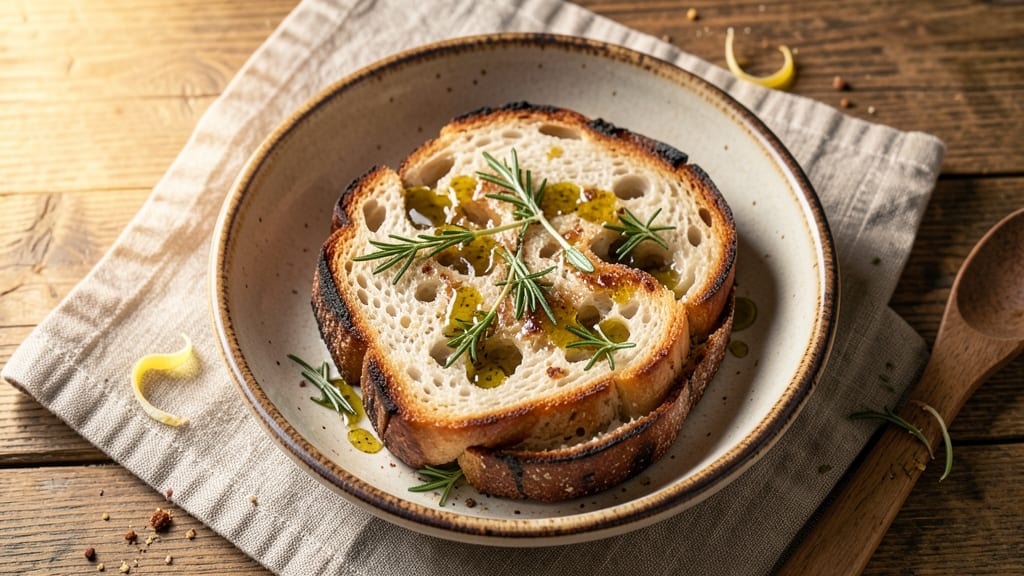
This All'Antico Vinaio bread recipe brings the soul of Tuscany to your kitchen with its iconic olive oil crust and fragrant rosemary. The secret lies in a simple yet precise method—just flour, water, salt, and olive oil—that transforms into a crusty, airy masterpiece with a golden, aromatic exterior.
I've perfected this recipe after years of baking, and it never fails to impress with its rustic charm and authentic Italian flavor.
The beauty of this bread lies in its simplicity and the patience required for fermentation. A slow rise develops deep flavor, while the olive oil-infused crust creates that signature crispy texture we all love.
The rosemary adds a fragrant touch that elevates every bite, making it perfect for pairing with soups, charcuterie, or simply enjoying on its own. This method stays true to tradition while being accessible for home bakers.
What you'll achieve is a loaf with a crusty, golden exterior and a soft, airy interior—just like the famous Tuscan bread. The aroma alone will transport you to the streets of Florence, where this bread has been a staple for generations.
The process might take time, but the reward is worth every minute of waiting.
Whether you're baking for a special occasion or just craving authentic Italian flavors, this recipe delivers restaurant-quality results. The optional rosemary and coarse salt variations add extra layers of flavor, but the classic method remains the heart of this dish.
Let's get started on creating your own piece of Tuscan tradition.
Ingredients for all antico vinaio bread
Four simple ingredients transform into Tuscan magic with this iconic bread recipe.
| Ingredient | Amount | Notes |
|---|---|---|
| All-Purpose Flour 🌾 | 4 cups | Plus 2 tbsp for dusting |
| Extra-Virgin Olive Oil 🫒 | ½ cup | High quality, fruity variety |
| Warm Water 💧 | 1 ½ cups | Around 100°F |
| Kosher Salt 🧂 | 1 ½ tsp | Diamond Crystal preferred |
| Active Dry Yeast 🍞 | 1 ½ tsp | Or 0.5 oz fresh yeast |
| Fresh Rosemary 🌿 | ½ oz | Finely chopped, stems removed |
| Coarse Sea Salt 🧂 | 1 tbsp | For crust sprinkle |
| Cornmeal 🌽 | ¼ cup | For dusting baking sheet |
| Semolina Flour 🌾 | 1 tbsp | Optional for extra crunch |
The flour is your foundation—look for King Arthur or Caputo Tipo 00 if you want to splurge, but all-purpose works beautifully. The olive oil? Don't skimp here—use the good stuff like California Extra Virgin or Italian brands like Bertolli. I always grab mine from Whole Foods or Trader Joe's where they have the freshest bottles. Fresh yeast is ideal for this recipe—it activates faster and gives a more authentic flavor, but active dry yeast works in a pinch. Rosemary should smell vibrant—if it's wilted or smells musty, skip it and grab fresh from the grocery store's produce section.
No fresh rosemary? Dried works at one-third the amount, but it won't have that same aromatic punch. Out of cornmeal? Semolina or even crushed crackers will work for dusting. The yeast can be tricky—if your water's too hot, it'll kill it. Test it at 100°F by touching the water—it should feel warm but not hot. For the olive oil, if you can't find extra-virgin, light olive oil will work, but the flavor won't be as rich. The coarse salt is key for that signature crust—Maldon or Jacobsen are perfect, but any sea salt in flakes will do.
This dough needs time—at least 2 hours of slow fermentation for maximum flavor. Store any extra dough in an airtight container in the fridge for up to 3 days, letting it come to room temperature before baking. The finished loaves keep well at room temperature for 3 days wrapped in a clean kitchen towel, or you can freeze them for up to 3 months. I always make two loaves—one for the same day, one to freeze for lazy mornings with jam and butter.
Why You'll Love This Recipe
- No-Knead Magic: I swear by this—just toss in flour, oil, water, and yeast, then let it rise while you watch TV. No standing at the counter, no overworked arms, just hands-off perfection.
- Olive Oil Luxury: That rich extra-virgin olive oil makes every bite taste like a Tuscan sunset. It’s not just bread; it’s a flavor upgrade you’ll notice immediately.
- Weeknight Hero: Toss a loaf in the oven while dinner simmers, and boom—warm, crusty bread ready in minutes. (Yes, even on a Tuesday night.)
- Budget-Friendly Staple: Five ingredients, zero waste. This bread stretches my grocery budget and my pantry—freeze slices for toast later or share with neighbors.
Step-by-step instructions for olive oil and rosemary crust bread
This rustic Italian bread delivers a crispy olive oil-rosemary crust and tender crumb every time.
Activate the Yeast and Mix the Dough
In a large bowl, combine the 1.5 cups warm water (around 100°F) with the 1.5 tsp active dry yeast and 1.5 tsp kosher salt. Let it sit for 5-10 minutes until the mixture becomes foamy and bubbly—this confirms the yeast is active. If it doesn't bubble, your yeast may be old or the water too hot.
Add the 4 cups all-purpose flour and 0.5 cup extra-virgin olive oil to the bowl. Mix with a wooden spoon until a shaggy dough forms, then turn it out onto a lightly floured surface. Knead for 8-10 minutes until smooth and elastic. The dough should spring back slowly when poked—this means it's properly developed. If it feels sticky, add 1-2 tablespoons more flour, but don't overdo it or the bread will be dense.
First Rise and Shape the Loaf
Place the dough in a lightly oiled bowl, cover with a damp towel, and let it rise in a warm place for 1-2 hours or until doubled in size. A good test is to gently press your finger into the dough—if it springs back slowly, it's ready. If the kitchen isn't warm, place the bowl near the oven with the light on to create gentle heat.
Once risen, punch down the dough to release air, then shape it into a round loaf. For extra rustic charm, fold the edges under slightly to create a thicker crust. Transfer the shaped dough to a baking sheet dusted with 0.25 cup cornmeal and lightly brush the top with more olive oil. Sprinkle evenly with the 1 tbsp coarse sea salt and 0.5 oz finely chopped fresh rosemary, pressing gently so the seasoning sticks.
Second Rise and Prepare for Baking
Let the dough rise again for 30-45 minutes until it's puffy and almost doubled. Preheat your oven to 425°F with a baking stone or inverted baking sheet inside—this creates steam for that perfect crust. While the oven heats, sprinkle the baking sheet with the 1 tbsp semolina flour (if using) to prevent sticking.
About 10 minutes before baking, make a few shallow slashes (about ¼-inch deep) on the top of the dough with a sharp knife or razor. This helps the bread expand properly and gives it that classic rustic look. Transfer the dough to the prepared baking sheet and bake for 25-30 minutes until the crust is deep golden brown and sounds hollow when tapped on the bottom.
Cool and Enjoy
Remove the bread from the oven and let it cool on a wire rack for at least 15 minutes before slicing—this prevents a gummy crumb. The crust should be crispy and fragrant with rosemary, while the interior remains soft and airy. Serve warm with olive oil for dipping or enjoy at room temperature the next day for even better flavor.
This bread keeps well for 3 days wrapped in a cloth or frozen for up to 3 months for fresh-tasting slices anytime. The rosemary-infused crust pairs beautifully with soups, cheeses, or simply on its own with a spread of your favorite jam.
Pro Tips For Making All Antico Vinaio Bread
- Bloom the Yeast First: Skip mixing yeast directly into flour—it’s lazy and slow. Instead, dissolve it in warm water (about 110°F) with a pinch of salt for 5 minutes until frothy. This guarantees active yeast before it hits the dough, so you’re not left with a dense brick when the oven’s hot.
- Oil the Dough, Not the Bowl: The recipe calls for olive oil, but don’t just drizzle it in. Mix 1-2 tablespoons into the flour first to create a light, crumbly base—this helps the dough absorb moisture evenly and prevents a gummy texture. (Yes, even if you’re in a hurry.)
- Handle the Dough Like Clay: Overworking this dough turns it tough. After the first knead, let it rest 10 minutes before shaping. Then, handle it gently—fold and stretch just enough to tighten the surface. Think "sculpting," not "pummeling."
- Steam the First 10 Minutes: Line your Dutch oven with parchment, then add a metal tray with boiling water. Bake the bread covered for 10 minutes—this creates steam that mimics a bakery’s crust. No steam? The top will crack before it browns. (Trust me, I’ve seen it.)
Flavor customization for all antico vinaio bread
Herb Variations
Swap rosemary for thyme or oregano—both work beautifully with olive oil. Use 1 tbsp fresh thyme or 1.5 tbsp chopped oregano instead of rosemary, and reduce the coarse salt to ½ tbsp to balance flavors.
For a Mediterranean twist, add 1 tsp dried za’atar mixed with the olive oil before brushing. 🌿
Spiced Olive Oil
Infuse your olive oil with flavor by adding 1 tsp red pepper flakes or ½ tsp smoked paprika while warming it slightly (just until fragrant). Brush this spiced oil onto the dough after shaping—it creates a crispy, aromatic crust with subtle heat.
I love this variation for pairing with charcuterie or roasted vegetables.
Sweet Twist
Add 1 tbsp honey or 1 tbsp maple syrup to the dough during mixing for a subtle sweetness. Top with 1 tsp flaky sea salt and 1 tsp sesame seeds before baking.
This version is perfect for breakfast with jam or as a dessert bread with a drizzle of extra-virgin olive oil and dark chocolate shavings.
Crunchy Toppings
Before baking, sprinkle the dough with 1 tbsp toasted pine nuts, 1 tbsp chopped walnuts, or 1 tbsp crushed fennel seeds for added texture. Press them gently into the surface so they stick.
The nuts add a satisfying crunch, while fennel seeds bring a licorice-like depth that pairs wonderfully with the olive oil. ✨
Savory Add-Ins
Fold ¼ cup grated Parmesan cheese or 2 tbsp chopped sun-dried tomatoes into the dough before shaping for extra umami. For a heartier loaf, add 2 tbsp chopped garlic or 1 tbsp dried porcini mushrooms to the olive oil before brushing.
These additions elevate the bread into a flavor-packed side dish for soups or pasta.
Nutrition facts
Frequently asked questions
Why does this bread need two rises?
The first 1-2 hour rise develops the dough's structure and flavor, while the second 30-45 minute rise ensures proper oven spring for that signature airy crumb. The slow fermentation creates complex flavors that you won't get with a quick rise—this is what makes it taste so authentic!
Can I make this bread without rosemary?
Skip the rosemary and simply brush the dough with extra olive oil before baking. For flavor, try thyme, garlic powder, or even dried oregano mixed into the dough. The key is still the olive oil crust—just adjust your seasoning preferences.
What if my dough doesn't rise properly?
Check your yeast first—it should be fresh (test by dissolving in warm water for 5-10 minutes—if it doesn't bubble, replace it). Also ensure your water is 100°F (not hot) and your kitchen is warm (try placing the bowl near the oven light). If it still doesn't rise, your flour might be old—try substituting with fresh bread flour.
How do I get that perfect crispy crust?
Preheat your oven with a baking stone or inverted sheet for 425°F for 30 minutes to create steam. Brush the dough generously with olive oil before baking, then sprinkle with coarse salt right before going in. For extra crunch, add semolina flour to your baking sheet.
Can I bake this in a Dutch oven?
Yes! Shape the dough into a round boule, place it in a hot Dutch oven with the lid on for 20 minutes, then remove the lid and bake for another 15-20 minutes until golden. This creates an even crispier crust. Just reduce your oven temp to 400°F for Dutch oven baking.