
Desserts
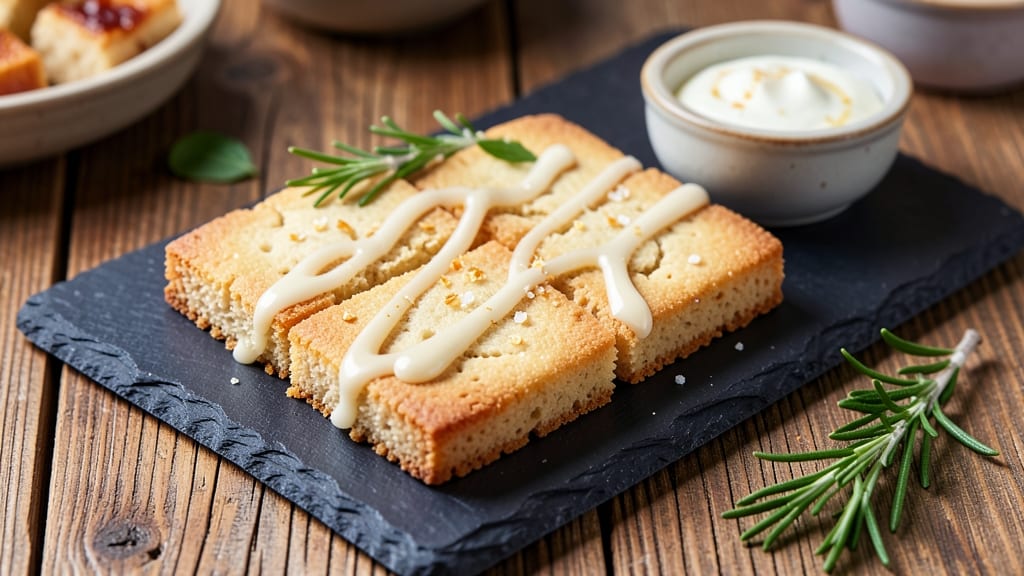
Alexandra Cooks' shortbread recipe delivers the perfect balance of buttery richness and delicate crumb—every bite dissolves like a whisper on your tongue. 💛 The secret lies in chilled dough, precise measurements, and a hot oven that creates those signature golden layers.
This isn't just dessert; it's an experience that transforms any gathering into something special.
What makes this recipe truly professional is the technique: cold butter and flour prevent spreading while developing maximum flavor. The dough rests overnight for enhanced texture, a step that elevates these cookies from ordinary to extraordinary.
No fancy equipment needed—just patience and attention to detail that pays off in every melt-in-your-mouth bite.
By the time they emerge from the oven, you'll have shortbread with crisp edges and tender centers, each piece maintaining its shape while crumbling perfectly. The aroma alone will have everyone gathering around your kitchen, anticipating that first buttery taste.
This is the kind of recipe that becomes a family tradition.
While classic shortbread shines on its own, the possibilities don't end there. Dip finished cookies in melted chocolate for a decadent twist, or infuse the dough with citrus zest for a bright variation.
The beauty of this recipe is its versatility—simple enough for beginners but refined enough for experienced bakers to appreciate.
Ingredients for alexandra cooks shortbread
Precision-crafted ingredients for shortbread that melts like a whisper on your tongue.
| Ingredient | Amount | Notes |
|---|---|---|
| Unsalted Butter 🧈 | 1 cup | Cold and cubed for texture |
| All-Purpose Flour 🌾 | 2 cups | Sifted for lightness |
| Granulated Sugar 🍚 | ¼ cup | Fine grain preferred |
| Vanilla Extract 🌸 | 1 tsp | Pure vanilla for flavor |
| Fine Sea Salt 🧂 | ½ tsp | Diamond Crystal preferred |
| Heavy Cream 🥛 | 2 tbsp | Cold for cutting butter |
| Lemon Zest 🍋 | 1 tsp | Freshly grated for brightness |
| Toasted Almond Slices 🥜 | ¼ cup | Optional for texture |
The butter is non-negotiable—European-style unsalted butter with at least 82% fat content creates those signature layers. Plugrá or Kerrygold are my go-tos, but any high-fat butter works. Keep it cold throughout the process: cut it into cubes and chill for 30 minutes before mixing. The flour should be sifted to eliminate lumps, which ensures a light, tender crumb. For the sugar, fine grain dissolves more evenly, though regular granulated works in a pinch. Bob’s Red Mill is my preferred brand for consistent quality.
No vanilla extract? Vanilla bean paste works beautifully, or a pinch of ground vanilla bean adds depth. The lemon zest brightens the buttery flavor—use only the outer yellow layer to avoid bitterness. For a nutty twist, toast the almond slices in a dry pan until golden before sprinkling on top. The heavy cream is optional but helps create a smoother dough; if you skip it, add an extra tablespoon of cold butter. Diamond Crystal sea salt dissolves more easily than table salt, so use it if you have it—otherwise, reduce regular salt by half.
The dough must stay cold until baking to prevent spreading. Wrap it tightly in plastic wrap and refrigerate for at least 1 hour, or overnight for best results. Once baked, these cookies maintain their shape for about 5 days in an airtight container at room temperature. For longer storage, freeze the dough balls before baking—up to 3 months. Reheat baked cookies in a 200°F oven for 3-5 minutes to restore their crispness.
Why You'll Love This Recipe
- Four-Ingredient Magic: I swear, this recipe is the closest thing to baking without effort. Just three ingredients (plus salt) and a food processor—no rolling, no fuss, no stress. The butter stays cold, the dough comes together in minutes, and the only "hard" part is resisting the first bite.
- Buttery Vanilla Bliss: That first crack of the shortbread when it hits your tongue? Pure happiness. The sugar caramelizes just enough to balance the rich, cold butter, while the vanilla extract—honestly, don’t skip it—adds this warm, cozy depth that makes it taste like a hug from your grandma’s kitchen.
- Holiday or Snack Attack: Between us, these are my go-to for tea parties, gift baskets, or just because. They freeze like a dream, so I make a big batch and pull them out whenever I need something elegant (or when I’m too lazy to think). Even my picky nephew stops mid-game to grab one.
- Pantry Staple Power: No weird ingredients, no last-minute grocery runs. You’re using stuff you already have—good butter, basic flour, sugar you’ve had for months. And because they keep for weeks in an airtight container, they’re basically free snacks. My secret? Double the batch and thank me later.
Step-by-step instructions for alexandra Cooks' shortbread recipe
Here's the method that delivers crumbly, melt-in-your-mouth shortbread every time.
👨🍳 Step 1: Prepare the Dough with Cold Butter
In a stand mixer fitted with the paddle attachment, combine the 1 cup cold unsalted butter (cut into ½-inch cubes) with the 2 cups all-purpose flour, 0.25 cup granulated sugar, 0.5 tsp fine sea salt, and 1 tsp lemon zest. Mix on low speed for 2 minutes until the mixture resembles coarse crumbs with pea-sized butter pieces.
This cold butter technique is crucial—it creates those signature flaky layers. If the butter starts to melt too quickly, reduce the mixer speed to low and pulse briefly. You're aiming for a dough that holds its shape when pressed but still feels slightly sandy. Avoid overmixing, as gluten development will make the shortbread tough.
👨🍳 Step 2: Incorporate Wet Ingredients
Add the 2 tbsp cold heavy cream and 1 tsp vanilla extract to the mixer bowl. Pulse on low speed for 10-15 seconds until the dough just comes together. The mixture should form a shaggy mass that can be pressed into a cohesive dough with your hands.
Here's the thing—don't overwork it. The dough should be soft but not sticky. If it feels too dry, add 1 tsp cold water at a time until it binds. For extra texture, gently fold in the 0.25 cup toasted almond slices using a rubber spatula. Wrap the dough in plastic wrap and refrigerate for at least 1 hour (or up to 24 hours) to firm up.
🔪 Step 3: Shape and Cut the Shortbread
Preheat your oven to 325°F. Line a baking sheet with parchment paper and lightly dust it with flour. On a lightly floured surface, roll out the chilled dough to ¼-inch thickness (about ⅛-inch if you prefer thicker shortbread). Use a 3-inch round cutter to cut out circles, placing them 1 inch apart on the prepared baking sheet.
Press gently on each circle as you place it to ensure even thickness. For clean edges, dip the cutter in flour between uses. If the dough tears, patch it together with a bit of cold water—just don't overhandle it. This is where precision pays off for that perfect buttery texture.
🔥 Step 4: Bake to Golden Perfection
Bake the shortbread for 18-22 minutes until the edges are light golden brown and the centers look just slightly underbaked. The edges should pull away from the parchment paper with a gentle tug, but the centers should still feel cool to the touch. Rotate the baking sheet halfway through for even baking.
Real talk: Don't overbake. Shortbread continues cooking as it cools, and overbaking turns it dry. When you remove them from the oven, they'll look soft but firm up beautifully as they cool. Let them sit on the baking sheet for 5 minutes before transferring to a wire rack to cool completely.
⏰ Step 5: Rest and Serve
Allow the shortbread to cool completely on the wire rack for at least 1 hour before serving. This resting period ensures the layers fully set and the flavors meld. Store in an airtight container at room temperature for up to 5 days—though they rarely last that long.
For serving, I like to dust with a light layer of powdered sugar or serve with a dollop of clotted cream. Each bite should deliver that signature buttery richness with a hint of lemon brightness and just a touch of crunch from the toasted almonds. The texture should be tender yet firm, with those delicate layers that melt in your mouth.
Pro Tips For Making Alexandra Cooks Shortbread
- CHILL THE BUTTER FIRST: I learned this the hard way—cold butter is non-negotiable for shortbread. Take the unsalted butter straight from the fridge and cut it into small cubes before mixing. Room temperature butter makes dough sticky and greasy, and your shortbread will spread into sad, flat pancakes instead of holding its shape.
- WEIGH YOUR FLOUR: Skip the scooping and measuring cups—this recipe demands precision. Use a kitchen scale to weigh the all-purpose flour (usually around 150g). Spooning flour from the bag introduces air, which changes the texture, and your shortbread might turn out too dense or crumbly.
- PRESS FIRMLY, NO HALF-HEARTED: Don’t just drop the dough into the pan and hope for the best. Press it down evenly with your palm or a glass, using steady pressure until the edges meet. Shortbread needs that firm, even base to bake up crisp and uniform—half-pressed dough leads to lopsided, soggy spots.
- SALT THE EDGES LAST: Add the fine sea salt to the dough first, but sprinkle an extra pinch over the top after shaping. This creates a subtle, crispy salt crust on the edges while keeping the center tender. (Yes, it sounds fussy, but it makes a real difference.)
Wine and beer pairings for these flavors
Classic White Wine Pairings
Shortbread's delicate buttery notes pair beautifully with crisp, dry white wines that complement rather than compete. I always reach for a Chablis from Burgundy—its bright acidity and mineral finish cut through the richness without overpowering.
The citrus and apple undertones in a well-chilled Montrachet also work wonders, especially with the lemon zest in the recipe. 🍷
For something lighter, a Sauvignon Blanc from New Zealand—think Cloudy Bay—brings refreshing gooseberry and lime notes that contrast the shortbread's sweetness. Avoid oaky whites like Chardonnay, as their buttery profile can clash with the cookies' texture. Serve all whites at 45-50°F to preserve their crispness.
Sparkling Wine Harmony
Prosecco or Cava makes an elegant pairing for shortbread's crisp edges and tender centers. The effervescence cleanses your palate between bites, making each cookie taste fresh. I love La Marca Prosecco for its peach and almond notes that mirror the toasted almond slices in the recipe.
For a special occasion, a demi-sec Champagne adds a touch of sweetness that enhances the cookies' buttery richness.
Beer Pairings for Contrast
For beer lovers, a Belgian witbier like Stella Artois or Hoegaarden provides the perfect contrast with its citrus and coriander notes. The light effervescence and slight sweetness balance the shortbread's buttery intensity.
Avoid heavy lagers or dark ales, as their maltiness can overwhelm the delicate flavors. Serve beers at 40-45°F for the best experience.
Creamy Dessert Wine
If you prefer something sweeter, a Moscato d'Asti from Piedmont delivers honeyed apricot notes that complement the shortbread's vanilla and lemon. The light fizz and low alcohol content make it an ideal after-dinner sip.
For a richer option, a late-harvest Riesling with its stone fruit and honey undertones pairs beautifully with chocolate-dipped shortbread variations.
Non-Alcoholic Options
Don't overlook sparkling ginger beer or sparkling apple cider as refreshing alternatives. The ginger's zing enhances the shortbread's buttery notes, while the apple's tartness balances the sweetness. For a festive touch, serve sparkling pomegranate juice—its bright acidity and berry sweetness create a delightful contrast. 🍏
Nutrition facts
Frequently asked questions
Why does Alexandra Cooks' shortbread need to chill overnight?
The overnight chill is key for developing the perfect texture. It allows the butter to fully crystallize, creating those signature flaky layers. The dough also firms up, making it easier to roll and cut without tearing. Skipping this step can lead to spreading cookies with less pronounced flavor layers.
Can I make this shortbread without a stand mixer?
Use a pastry cutter or fork to cut the cold butter into the flour until you get pea-sized pieces. Work quickly to keep everything cold—this method just requires a bit more elbow grease. The texture will still be excellent as long as you maintain the cold butter technique.
How do I prevent my shortbread from getting greasy?
Greasy shortbread usually means the butter melted during mixing. Keep everything cold: chill your butter cubes for 30 minutes before starting, and work in short bursts. Also, avoid overmixing—the dough should come together just enough to hold when pressed. If it feels too dry, add 1 tsp cold water at a time.
What's the best way to store leftover shortbread?
Store in an airtight container at room temperature for up to 5 days—they'll stay fresh and crisp. For longer storage, freeze the dough balls (before baking) for up to 3 months. To refresh baked cookies, warm them in a 200°F oven for 3-5 minutes to restore crispness. The flavor actually improves over time!
Can I add chocolate to this recipe?
Yes! For a decadent twist, melt ½ cup dark or white chocolate and dip half of each baked shortbread. Let the chocolate set on parchment paper before serving. You can also fold in ¼ cup chocolate chips to the dough before baking for a marbled effect. Just be sure to keep the dough cold throughout.