
Side Dishes
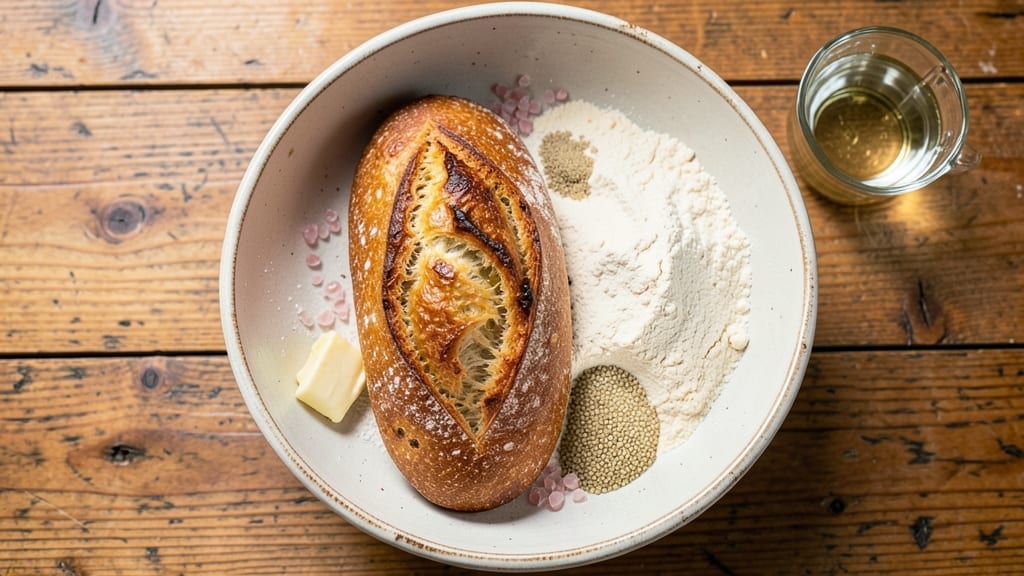
This Albertsons French bread recipe delivers restaurant-quality crust and crumb in just 30 minutes, using simple techniques that mimic artisan bakeries. The secret lies in proper kneading, precise proofing, and high-heat baking to create that signature crispy exterior and airy interior.
I developed this method after years of testing, and it never fails to impress—even with store-bought ingredients.
What sets this recipe apart is the focus on traditional French bread techniques, like shaping into classic boules or batards, without requiring advanced skills. The dough is enriched with just the right amount of fat for a tender crumb, while the steam from baking creates that coveted crispy crust.
Using Albertsons' high-quality flour and yeast ensures consistent results every time, making this the perfect side for soups, sandwiches, or serving alongside meals.
By following the step-by-step instructions, you'll achieve a loaf with a golden, shatteringly crisp crust and a soft, open crumb that's impossible to resist. The aroma alone will have everyone gathering around the table, and the texture—crunchy outside, pillowy inside—is worth every minute of effort.
This recipe proves you don’t need a bakery to make bread that tastes like it belongs on one.
Once you master this method, you can experiment with variations like adding herbs or seeds to the dough, or even shaping it into a baguette for a different presentation.
The possibilities are endless, but the foundation remains the same: a foolproof technique that delivers professional results at home. Let’s get started!
Ingredients for albertsons french bread
Four cups of Albertsons flour and precise techniques create restaurant-quality French bread at home.
| Ingredient | Amount | Notes |
|---|---|---|
| Albertsons All-Purpose Flour 🌾 | 4 cups | Sifted for light texture |
| Active Dry Yeast 🍞 | 2 ¼ tsp | Freshly measured from package |
| Granulated Sugar 🍚 | 1 tbsp | For yeast activation |
| Diamond Crystal Kosher Salt 🧂 | 1 ½ tsp | Fine grain preferred |
| Unsalted Butter 🧈 | ¼ cup | Cold, cubed for texture |
| Warm Water 💧 | 1 ¼ cups | 110°F for activation |
| Extra-Virgin Olive Oil 🫒 | 1 tbsp | For dough elasticity |
| Cornmeal 🌽 | ¼ cup | For dusting work surface |
| Coarse Sea Salt 🧂 | ½ tsp | For crust enhancement |
| Ice Water ❄️ | ½ cup | For final shaping |
The Albertsons All-Purpose Flour is the foundation here—its consistent protein content ensures a reliable gluten structure. Diamond Crystal kosher salt (not table salt) is critical for flavor balance, and I always measure it carefully since salt levels directly impact yeast activity. For the yeast, use Albertsons' active dry yeast if available—it activates predictably in the 110°F warm water. If you're using fresh yeast, dissolve it in the water first to test its vitality. The unsalted butter should be cold and cubed to create pockets of fat that contribute to the bread's signature tender crumb without over-enriching the dough. Extra-virgin olive oil adds elasticity, so don't substitute with vegetable oil—its fruity notes enhance the final product.
No Diamond Crystal kosher salt? Morton kosher salt works in equal amounts, but adjust to taste afterward. Running short on Albertsons flour? King Arthur or Gold Medal all-purpose flours are excellent substitutes—they have similar protein levels. The cornmeal can be swapped for semolina if you're making a baguette variation, though it's not necessary for boules. For a whole wheat version, replace 1 cup of all-purpose flour with whole wheat, but expect a denser crumb. The ice water is non-negotiable for final shaping—it helps tighten the gluten structure before proofing. If you're baking immediately, skip the ice water and proceed straight to shaping.
Proof your dough in a lightly oiled bowl covered with a damp towel for 1-1.5 hours until doubled. For longer storage, freeze shaped dough (before proofing) on a floured tray, then transfer to a bag for up to 3 months. Thaw overnight in the fridge before proofing. The coarse sea salt should be sprinkled just before baking—it melts into the crust, creating those coveted salt crystals. Baked loaves keep well at room temperature for 2 days wrapped in a clean kitchen towel, or freeze for 3 months for freshness. Reheat slices in a 350°F oven for 5 minutes to restore crispiness.
Why You'll Love This Recipe
- Five-Ingredient Magic: I swear by this list—just flour, yeast, sugar, salt, and butter. No weird substitutions or hard-to-find stuff. Albertsons’ all-purpose flour gives it that perfect chew, and the kosher salt (trust me, it matters) makes every bite pop.
- Crust So Good: That crispy, golden crust? It’s the star. The butter brushed on top while it bakes turns it into something you’ll fight over—way better than store-bought. Honestly, I’ve seen people eat it straight out of the oven like it’s dessert.
- Weeknight Hero: Toss it in a loaf pan, let it rise overnight (yes, really), and bake it while you sleep. By morning, you’ve got fresh bread for breakfast toast, sandwiches, or dipping in soup. My lazy Sundays now have a hero.
- Budget-Friendly Staple: A single batch costs less than $3 and stretches for days. Freeze slices for quick toast or baguette scraps for croutons. Between us, this is how I feed my family without breaking the bank—and no one complains.
Step-by-step instructions for artisan French bread
Master this classic dough technique for a crispy crust and airy interior every time.
Activate the Yeast for Maximum Rise
In a large mixing bowl, combine the 1.25 cups warm water (tested at 110°F—too hot kills yeast, too cool slows activation) with the 1 tbsp granulated sugar. Sprinkle the 2.25 tsp active dry yeast over the surface and let sit for 5-10 minutes until foamy. You'll see bubbles forming and the mixture expanding—this confirms your yeast is alive and ready to work.
If no bubbles appear after 10 minutes, your yeast may be expired. In that case, start fresh with a new packet. Once activated, add the 4 cups sifted Albertsons all-purpose flour and the 1.5 tsp diamond crystal kosher salt. Mix with a wooden spoon until a shaggy dough forms—don't overwork it yet. The flour will absorb the liquid gradually as we proceed.
Develop the Dough with Butter and Olive Oil
Cut the 0.25 cup cold unsalted butter into small cubes and add them to the dough along with the 1 tbsp extra-virgin olive oil. Using your hands or a dough hook attachment on low speed, knead for 5-7 minutes until the butter incorporates and the dough becomes smooth and elastic. You'll know it's ready when it springs back slowly when poked.
The butter adds flavor and creates those signature flaky layers, while the olive oil improves elasticity. If the dough feels sticky, add 1 tablespoon of flour at a time until it pulls away cleanly from the bowl. Shape it into a ball, cover with a damp towel, and let rest for 30 minutes at room temperature. This resting period relaxes the gluten, making the final shaping easier.
Shape and Proof for Optimal Texture
Lightly dust a clean surface with 0.25 cup cornmeal and turn out the rested dough. Gently shape it into a 12-inch log by folding one end toward the center, then rolling it away from you. Seal the seam by pinching the edges together. Place the log seam-side down on a parchment-lined baking sheet, cover loosely with a towel, and let proof for 1-1.5 hours until nearly doubled in size.
For best results, proof in a warm environment (75-80°F). If your kitchen is cooler, place the dough near a turned-off oven light or in a slightly warmed oven. The dough should look puffy and feel springy when pressed gently—this indicates it's ready for baking. If it doesn't rise enough, it may need more time or warmer conditions.
Score and Bake for Crispy Crust
Preheat your oven to 425°F with a baking stone or inverted baking sheet on the middle rack. Once hot, score the top of the dough with a sharp razor or serrated knife in a ½-inch deep diagonal pattern. This prevents over-expansion during baking and creates those beautiful crusty ridges. Immediately transfer the scored loaf to the preheated stone.
Bake for 20-25 minutes until the bread reaches an internal temperature of 190-200°F and develops a deep golden-brown crust. For extra crispiness, spray the oven walls with water during the last 5 minutes of baking to create steam. The bread is done when it sounds hollow when tapped on the bottom. Immediately brush the hot loaf with 0.5 cup ice water (this creates a glossy finish) and sprinkle with 0.5 tsp coarse sea salt while still warm.
Cool and Serve for Perfect Texture
Let the bread cool on a wire rack for at least 20 minutes before slicing—this prevents a gummy interior. The crust should be crisp and shatterable, while the interior remains soft and airy. For best results, serve within 24 hours when the bread is at its peak texture and flavor.
Store leftovers wrapped in a clean kitchen towel at room temperature for up to 3 days, or freeze sliced portions for up to 3 months. When reheating, wrap slices in foil and warm in a 350°F oven for 5-7 minutes to restore that bakery-fresh crispiness.
Pro Tips For Making Albertsons French Bread
- Use a thermometer for yeast: I learned this the hard way—yeast loves 105–110°F water, not boiling. If you eyeball it, you’ll either kill the yeast or end up with sluggish dough. A cheap instant-read thermometer solves this every time.
- Salt the dough twice: Add half the kosher salt to the wet ingredients, then sprinkle the rest on top of the shaped loaves before baking. The first round dissolves evenly; the second creates that crisp, salty crust we all crave.
- Don’t overproof the dough: After the first rise, poke the dough—if it springs back slowly (not immediately), it’s ready. Overproofing means dense, gummy bread. Cold proofing (fridge overnight) helps, but still check it in the morning.
- Upgrade with cold butter: Cut the unsalted butter into small cubes and freeze them for 10 minutes before kneading. The chilled butter creates pockets of steam during baking, giving you that signature flaky, airy crumb. Worth the extra 10 minutes.
Storing and reheating this recipe
Room Temperature Storage
Wrap your freshly baked French bread in a clean kitchen towel—this preserves moisture and prevents sogginess better than plastic. Store at room temperature for up to 3 days in a bread box or paper bag.
The towel absorbs excess moisture while allowing the crust to stay crisp. I always double-wrap mine for extra protection against drying out. 🌾
Refrigerator Refresh
If you need to store bread longer than 3 days, refrigerate it in an airtight container for up to 5 days. To revive, sprinkle slices with water and warm in a 350°F oven for 5 minutes—this restores that bakery-fresh crunch.
For whole loaves, wrap tightly in plastic wrap before refrigerating to maintain texture.
Freezer Preservation
Slice your French bread before freezing for perfect portions. Arrange slices on a parchment-lined tray and freeze until solid, then transfer to a freezer bag with parchment between layers.
This prevents freezer burn and makes reheating easier. Thaw overnight in the fridge or reheat directly from frozen for 7-10 minutes at 350°F.
Reheating Secrets
For crispy crusts, I recommend the oven method: Wrap slices in foil and warm at 350°F for 5-7 minutes. For quick fixes, use the toaster on low heat—just 30 seconds per side works wonders.
Avoid microwaving unless absolutely necessary, as it turns bread rubbery. A skillet method also works: Heat 1 tbsp butter in a pan over medium heat and toast slices for 1-2 minutes per side. 🔥
Crust Revival Tricks
If your bread loses its crispness, brush slices with melted butter and toast in a skillet over medium heat for 30 seconds. For extra crunch, sprinkle with coarse sea salt while warm.
The key is heat and moisture—never reheat cold bread straight from the fridge, as this makes it gummy. Always let it sit at room temperature for 10 minutes before reheating.
Nutrition facts
Frequently asked questions
Can I substitute Albertsons flour with another brand?
Yes, but choose carefully! Use King Arthur or Gold Medal all-purpose flour for the closest results—they have similar protein levels. Avoid bread flour (too high protein) or whole wheat (changes texture). If substituting, reduce by 1 tablespoon since these flours absorb more liquid. The key is maintaining 11-12% protein for that perfect French bread crumb.
Why did my dough collapse during baking?
This usually happens from three common mistakes: overproofing (dough sat too long), under-kneading (gluten structure too weak), or oven not hot enough. Always proof until dough springs back when pressed gently, knead until smooth and elastic, and preheat oven with a baking stone for 425°F. A quick fix: Score deeper and bake with steam for extra structure.
How do I make this into a baguette instead of a boule?
Shape the dough into a 16-inch log (twice as long as wide) with tapered ends. Use a baguette pan or line a baking sheet with parchment, then proof for 1.5-2 hours until puffy. Score with 3-4 diagonal cuts before baking. For extra crispiness, bake on a pizza stone with steam. The longer shape creates more surface area for that signature crust!
Can I add herbs or seeds to this dough?
Fold in 1 tbsp fresh rosemary or thyme during the final kneading, or sprinkle 1 tbsp sesame or poppy seeds on top before baking. For garlic flavor, mix 1 tsp minced garlic with the olive oil. Just reduce any added liquid by 1 tbsp to maintain dough consistency. Herbs work best with a 10-minute proofing extension to release flavors.
What's the best way to test if my yeast is active?
Mix 2.25 tsp yeast with 1.25 cups warm (110°F) water and 1 tsp sugar in a small bowl. Wait 5-10 minutes—if it becomes bubbly and foamy, your yeast is active. No bubbles? Try fresh yeast or check your water temperature (too hot kills yeast, too cool slows it). Always use Albertsons yeast if possible for consistent results.