
Side Dishes
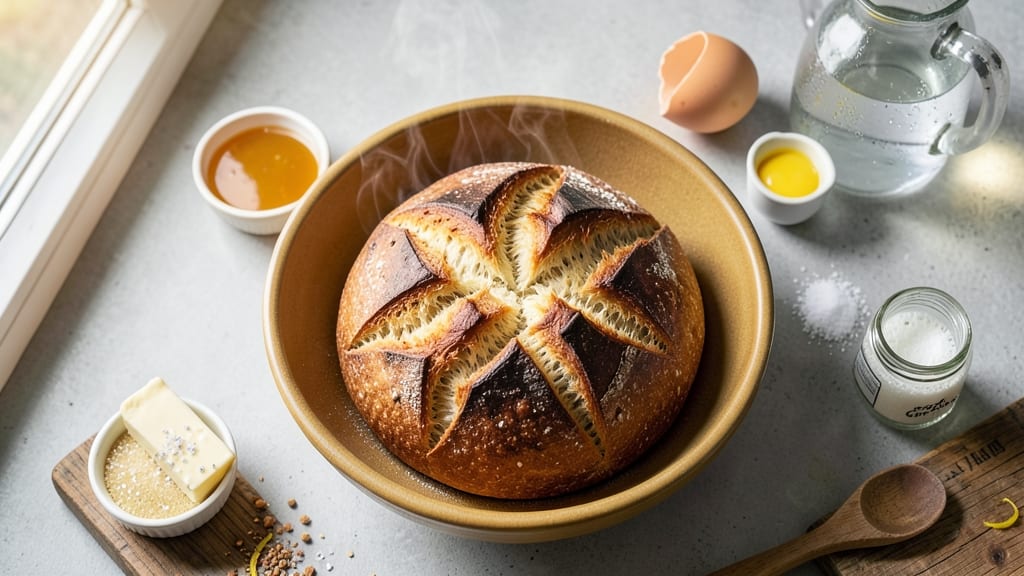
This Albany bread recipe brings rustic charm to your table with its signature spiced swirls and golden crust—perfect for sandwiches or toast. The dough develops a tender crumb while the cinnamon-sugar swirl creates irresistible pockets of warmth.
I've perfected this version to balance traditional techniques with modern convenience, ensuring you get that satisfying crunch without hours of labor.
The secret lies in proper kneading and proofing—both critical for achieving Albany bread's signature texture. A slow rise allows the gluten to relax, while the cinnamon-sugar swirl gets baked to caramelized perfection.
This recipe delivers a loaf with a crispy crown and tender interior, ready to be sliced for buttery toast or hearty sandwiches. The aroma alone will have everyone gathering around your kitchen.
What makes this recipe special is its versatility—serve it fresh from the oven with jam, or toast slices for a comforting breakfast. The dough comes together in just 10 minutes of prep, then requires minimal attention as it rises and bakes.
Perfect for weeknight dinners or holiday gatherings, this bread brings warmth and tradition to any meal.
Once baked, let the loaf cool completely before slicing to preserve that perfect crusty exterior and soft interior. Store wrapped at room temperature for up to 3 days, or freeze for longer storage.
The flavor only improves as it sits, making it ideal for meal prep. Let's get started on creating this classic loaf in your own kitchen.
Ingredients for albany bread
Gather these pantry staples and fresh spices for Albany bread's irresistible swirls and golden crust.
| Ingredient | Amount | Notes |
|---|---|---|
| All-Purpose Flour 🌾 | 5 cups | Spooned and leveled, not packed |
| Active Dry Yeast 🍞 | 2 ¼ tsp | Or 1 small packet |
| Granulated Sugar 🍚 | 1 ½ tbsp | For yeast activation |
| Unsalted Butter 🧈 | ½ cup | Cold, cubed for swirl |
| Large Egg 🥚 | 1 whole | Room temperature |
| Warm Water 💧 | 1 ¼ cups | 110°F for yeast activation |
| Diamond Crystal Kosher Salt 🧂 | 1 ½ tsp | Adjust to taste |
| Ground Cinnamon 🌿 | 2 tbsp | Freshly ground preferred |
| Granulated Sugar 🍚 | ½ cup | For cinnamon swirl |
| Light Brown Sugar 🍯 | ¼ cup | Packed for swirl |
| Milk 🥛 | ¼ cup | Warm for dough enrichment |
The flour is where magic happens—King Arthur or Gold Medal brands give the best rise and texture. I always grab organic flour from Whole Foods for that extra tenderness, but any all-purpose works. The yeast? Fresh is non-negotiable—if it smells musty or takes more than 5 minutes to foam, toss it. For the cinnamon swirl, McCormick's ground cinnamon (not the cheap stuff) makes all the difference. And that butter? Plugrá for richness, but any good brand works—just keep it cold until the swirl.
No cinnamon? Nutmeg at half the amount gives warmth without sweetness. Ran out of brown sugar? White sugar plus 1 tsp molasses mimics the caramel notes. The milk can be any kind—dairy, almond, oat—but warm it first (microwave 30 seconds). For a nutty twist, fold in 2 tbsp chopped walnuts to the swirl. And if your yeast isn't active, dissolve it in warm water with 1 tsp sugar first to test—it should foam within 10 minutes.
Store the dough in the fridge overnight for deeper flavor—wrapped tightly in plastic it keeps 24 hours. Once baked, let it cool completely before slicing (this preserves that crispy crown). Wrap in a clean kitchen towel for up to 3 days, or freeze slices for 3 months. Pro tip: Toast directly from frozen for crispy, fresh-from-the-oven results every time.
Why You'll Love This Recipe
- I’ll be real: the ingredients are all things I already have. Flour, yeast, sugar, butter, an egg—no specialty items, no last-minute grocery runs. And a single batch stretches across three days if I’m smart about it. Budget win.
- No-Knead Magic: I swear by this recipe because it’s the only bread I’ll bake when I’m too tired to knead. Just mix the flour, yeast, sugar, and a touch of warm water—let the dough rise while I watch a show. That butter and egg? They make it rich without extra fuss.
- Golden Crust Secret: Honestly, the moment it pulls away from the sides of the pan with that crackly, golden crust? Worth every second. The sugar caramelizes just enough to give it a subtle sweetness, while the butter keeps the inside tender. (Yes, even on a Tuesday night.)
- Weeknight Workhorse: Between us, this bread is my go-to for sandwiches, toast, or even French toast. The dough’s forgiving—make it the night before, let it rise overnight, and bake it fresh in the morning. My kids grab it straight from the pan, no judgment.
Step-by-step instructions for warm spice swirls and crusty crown magic
Transform simple ingredients into a golden-crusted masterpiece with these precise techniques.
Activate the Yeast for Maximum Rise
In a small bowl, whisk together the 1.25 cups warm water (about 110°F) with the 1.5 tbsp granulated sugar until dissolved. Sprinkle the 2.25 tsp active dry yeast over the surface and let it sit for 5-10 minutes until frothy. You'll see bubbles form and the mixture double in volume—this confirms your yeast is alive and ready to work.
I always check the water temperature first with a thermometer. If it's too hot (120°F+), you'll kill the yeast; if too cold (90°F-), it won't activate properly. The frothy mixture means your bread will rise beautifully, giving that signature Albany Bread height and airy texture.
Mix the Dough Until Silky Smooth
In the bowl of a stand mixer fitted with the dough hook, combine the 5 cups all-purpose flour and 1.5 tsp diamond crystal kosher salt. Mix on low speed for 30 seconds to aerate the flour. Add the yeast mixture, 1 whole large egg, and 0.25 cup warm milk to the bowl.
Mix on medium speed for 3-4 minutes until the dough forms a shaggy mass that pulls away from the sides of the bowl. The dough should be slightly tacky but not sticky—if it sticks to your fingers, add 1 tablespoon flour at a time until it comes together. This initial mix develops gluten strands that create the bread's structure.
Knead Until Elastic and Springy
Continue kneading on medium speed for 5-7 minutes until the dough becomes smooth, elastic, and springs back when poked. The surface should feel firm and slightly tacky, with no cracks remaining. For the perfect windowpane test, stretch a small piece of dough between your fingers—it should thin out to a translucent membrane without tearing.
I press down gently on the dough during the last minute of kneading to ensure even gluten development. Over-kneading can make the dough tough, but under-kneaded dough won't rise properly. The right texture guarantees that perfect balance of chewiness and tenderness in your final loaf.
Prepare the Cinnamon Swirl Dough
While the dough rests, make the cinnamon swirl filling by mixing together the 0.5 cup granulated sugar, 0.25 cup packed light brown sugar, and 2 tbsp ground cinnamon in a small bowl. Cut the 0.5 cup cold unsalted butter into small cubes and add to the sugar mixture. Use a fork to work the butter into the sugar until it resembles coarse crumbs.
This filling is what makes Albany Bread special—those warm spice swirls that melt into gooey pockets. The cold butter creates pockets of flavor that stay distinct until the bread bakes. I always use freshly ground cinnamon for maximum aroma and warmth in each bite.
Shape and Proof for Maximum Flavor
Divide the dough into 4 equal portions (about 1 pound each) and roll each into a 12-inch circle on a lightly floured surface. Spread about 1/4 of the cinnamon mixture evenly over each circle, leaving a 1-inch border around the edges. Roll each circle tightly into a log, pinching the seam to seal.
Place the sealed logs seam-side down in a greased 9x13-inch baking dish. Cover with a clean kitchen towel and let them rise at room temperature for 1 hour, or until they've puffed up about 50%. The dough should feel light and springy when pressed gently. This proofing step develops those beautiful swirls and ensures a tender crumb.
Bake to Golden Perfection
Preheat your oven to 375°F while the dough proofs. Brush the tops of the bread logs with a little water or milk for a golden finish. Bake for 35-40 minutes until the tops are deep golden brown and the internal temperature reaches 190°F. You'll know it's done when the bread pulls away from the sides of the pan with ease.
I always tap the bottom of the pan—when it sounds hollow, that's your cue to remove it. Let the bread cool in the pan for 10 minutes before transferring to a wire rack. The residual heat finishes cooking the center while preventing a gummy texture. Slice while still warm for those perfect swirls of cinnamon butter.
Pro Tips For Making Albany Bread
- Warm the Butter First: Albany bread relies on that rich, buttery flavor, and cold butter just won’t melt into the dough like it should. Microwave the butter for 10-15 seconds until soft but not liquid—this ensures it distributes evenly and creates that signature tender crumb. (Yes, even if you’re impatient like me, resist the urge to skip this.)
- Bloom the Yeast Properly: I learned this the hard way—skipping the yeast activation step or using water that’s too hot kills the lift. Mix the yeast with warm water (110°F) and sugar, then wait exactly 5 minutes for it to foam before adding flour. If it’s sluggish, your bread will be flat, and no one wants that.
- Don’t Over-Knead the Dough: Albany bread dough is delicate, and too much handling develops gluten, making it tough instead of light. Knead just until the dough pulls away from the bowl—about 5-7 minutes by hand or 3-4 minutes in a mixer. Overwork it, and you’ll regret it when you take a bite.
- Use a Digital Thermometer: The oven’s “bake” setting is a guess, and Albany bread needs precision. Aim for 375°F, but bake until the internal temp hits 190°F—this guarantees a perfectly risen, golden crust without burning. (Your future self will thank you for not eyeballing it.)
Regional styles of this recipe
New York Classic
This is the original Albany Bread that made it famous in New York bakeries—think of it as the blueprint. The key here is the slow rise: let the dough proof for 2-3 hours at room temperature for maximum flavor development.
I like to shape it into a round boules instead of logs for that classic bakery look. Brush the tops with egg wash before baking for an extra-shiny crust. Serve warm with apple butter or whipped cream cheese for that quintessential New York breakfast vibe. 🥖
New England Twist
Up north, they add 1 tsp maple syrup to the dough and ½ tsp nutmeg to the cinnamon swirl for a cozy autumnal flavor. The bread gets baked in a cast iron skillet for a crispier crust.
I've found that using whole wheat flour (replacing 1 cup of all-purpose) gives it a nuttier taste that pairs perfectly with blueberry jam. This version is especially popular during Thanksgiving gatherings. 🍁
Southern Comfort
In the South, Albany Bread gets a peach and bourbon infusion—replace ¼ cup of the cinnamon swirl sugar with peach preserves and add 1 tsp bourbon to the dough. The heat from the bourbon caramelizes beautifully during baking.
Southern bakers often serve this with sweet tea or peanut butter. For extra decadence, sprinkle crushed pecans on top before baking. This variation is a crowd-pleaser at summer picnics. 🍑
Modern Minimalist
For a contemporary take, skip the swirl entirely and create a cinnamon-infused dough by mixing 1 tbsp cinnamon directly into the flour. Add zest from 1 lemon to brighten the flavor. Shape into a baguette-style loaf and bake until golden.
This version is perfect for avocado toast or French toast. The minimalist approach lets the bread's natural flavor shine while keeping prep simple. 🌟
Gluten-Free Adaptation
For those avoiding gluten, use a 1:1 gluten-free flour blend (like Bob's Red Mill) and add ½ tsp xanthan gum to the dough. Replace the milk with unsweetened almond milk and reduce the yeast to 1.5 tsp.
The cinnamon swirl stays the same, but you may need to bake at 350°F for 45-50 minutes to ensure even cooking. The texture will be slightly denser but still delicious with cream cheese frosting. 🌾
Holiday Special
Transform Albany Bread into a festive centerpiece by adding chopped dried cranberries and orange zest to the cinnamon swirl. Shape into a braided loaf or decorate with holiday sprinkles before baking. This version is perfect for Christmas morning when paired with eggnog or hot cocoa.
The cranberries add a tart contrast to the sweet swirl, making it a standout holiday treat. 🎄
Nutrition facts
Frequently asked questions
Why does Albany bread have a cinnamon swirl instead of being evenly spiced?
The signature swirl creates pockets of concentrated spice that melt into gooey, caramelized pockets during baking. This technique originated in New York bakeries to add visual appeal while delivering bursts of flavor in every bite. The contrast between the tender dough and sweet swirls makes it irresistible—especially when toasted!
Can I make Albany bread without a stand mixer?
Mix the dough by hand in a large bowl, using a wooden spoon first to combine ingredients, then kneading on a floured surface for 8-10 minutes until elastic. The key is consistent pressure—press down firmly with the heels of your hands while folding the dough over itself. For the swirl, use a rolling pin to flatten the dough circles evenly.
What's the best way to store Albany bread to keep it fresh?
Wrap the cooled loaf tightly in a clean kitchen towel or plastic wrap, then place in a paper bag at room temperature for up to 3 days. For longer storage, slice and freeze individual portions for 3 months. Toast directly from frozen for crispy results. The towel wrapping prevents sogginess while maintaining that perfect crust-to-crumb ratio.
My bread didn't rise much—what went wrong?
Check these three culprits:
- Yeast may be old (test with warm water + sugar first),
- Water might be too hot (120°F+ kills yeast), or
- Dough wasn't kneaded long enough. Let the dough proof in a warm spot (like near the oven with the light on) to encourage rising. If it still flops, try adding 1 tsp extra sugar to the dough for next time.
Can I substitute the cinnamon swirl with other flavors?
Yes! Try cardamom + brown sugar for a Middle Eastern twist, or chopped dried fruit + orange zest for a festive version. For savory options, use herbs de Provence + garlic butter. Just keep the butter cold to maintain those flavor pockets. The key is balancing sweetness—reduce sugar by 25% if using tart fruits like cranberries.