
Side Dishes
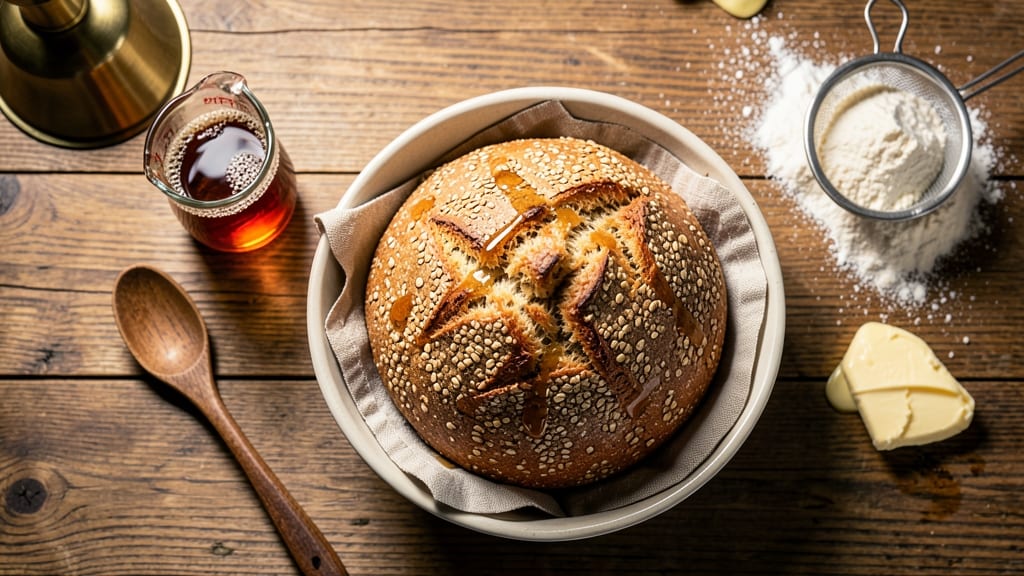
Transforming ordinary bread into something extraordinary starts with adding spelt flour to this bread recipe, where ancient grains unlock a nutty depth and open, airy crumb you won’t find in standard loaves.
The subtle earthiness of spelt—paired with a precise substitution ratio—creates a texture that’s both tender and satisfying, perfect for those who crave complexity without sacrificing ease. This isn’t just bread; it’s a flavor experience that elevates every slice.
Spelt flour’s natural density requires a slightly adjusted approach to hydration and kneading, but the results are worth it: a loaf with a golden crust and an interior studded with open pockets, where each bite reveals layers of toasted grain and buttery richness.
The secret lies in balancing the flour’s moisture absorption while maintaining the right gluten development—no special equipment needed, just patience and a few key techniques.
What you’ll end up with is a loaf that’s visually stunning—its crust crackling with character, its crumb light yet substantial—and packed with the earthy, slightly sweet notes of spelt. It’s ideal for sandwiches, toast, or serving alongside soups, where its depth shines.
The best part? This recipe delivers professional-quality results with minimal effort, proving that ancient grains can be both practical and impressive.
Ready to bake? The process is straightforward, with clear steps for mixing, kneading, proofing, and baking—each designed to highlight spelt’s unique qualities. Whether you’re a seasoned baker or just starting out, this loaf will become a staple in your rotation. Let’s get started on creating something truly special.
Ingredients for adding spelt flour to bread
Ancient grains meet modern baking—just these 11 ingredients transform ordinary bread into something extraordinary.
| Ingredient | Amount | Notes |
|---|---|---|
| Spelt Flour 🌾 | 2 ½ cups | Stone-ground preferred for texture |
| All-Purpose Flour 🌾 | 1 ½ cups | For balanced structure and rise |
| Active Dry Yeast 🍞 | ½ oz | Or 2 1/4 tsp (1 packet) |
| Warm Water 💧 | 1 ¼ cups | 110°F for optimal yeast activation |
| Honey 🍯 | 1 tbsp | Feeds yeast and adds subtle sweetness |
| Unsalted Butter 🧈 | ½ cup | Cold, cubed for even distribution |
| Sea Salt 🧂 | 1 ½ tsp | Diamond Crystal preferred |
| Whole Milk 🥛 | ¼ cup | Warmed for better gluten development |
| Egg 🥚 | 1 whole | Enriches texture and structure |
| Olive Oil 🫒 | 1 tbsp | Extra-virgin for richness |
| Sesame Seeds 🌰 | 1 tbsp | Optional for golden crust |
Spelt flour is the star here, and Bob’s Red Mill or King Arthur brands deliver the best texture—stone-ground, not refined. If you can only find pre-milled spelt, sift it to remove any coarse bits that might interfere with gluten development. The all-purpose flour acts as a bridge, balancing spelt’s density for a lighter crumb. For yeast, Fresh & Easy or Saf-Instant work well, but check the expiration date—old yeast won’t activate properly. The honey isn’t just for sweetness; it helps the yeast wake up faster, so don’t skip it. And trust me on the butter—using full-fat, cold cubes gives you those irresistible pockets of air.
No spelt flour? Whole wheat flour at a 1:1 ratio works in a pinch, though the flavor will be slightly heavier. Running low on honey? Maple syrup at the same amount keeps things sweet without altering the yeast’s performance. The egg can be swapped for 1 tbsp flaxseed meal + 3 tbsp water if you’re avoiding eggs, but the texture won’t be quite as tender. For the milk, any dairy milk works, but plant-based milks like oat or almond can make the dough slightly drier—add 1 tbsp extra water if needed. The olive oil is non-negotiable for flavor, but if you’re out, avocado oil at the same amount won’t disappoint. Sesame seeds are optional, but if you’ve got them, toast them first—they add a nutty crunch that pairs perfectly with spelt’s earthiness.
This dough needs time to shine—plan for at least 2 hours of total rising time, including the first proof. Store the dough in the fridge overnight for even better flavor development, then bake straight from the cold. The loaf keeps well for 3-4 days wrapped in a clean kitchen towel, but it’s best enjoyed fresh. For longer storage, freeze the baked loaf in slices—just wrap each slice in parchment paper before freezing. Reheat slices in a 350°F oven for 5-7 minutes to restore that just-baked texture. And if you’re making a batch for the week, double the recipe—it’s that good.
Why You'll Love This Recipe
- No Yeast Fuss: This dough comes together in one bowl—no kneading, no waiting for the mixer to warm up. Just toss the spelt flour, all-purpose flour, and yeast with warm water and honey, let it sit while you prep the rest of dinner. (Yes, even on a Tuesday night.)
- Honey-Soft Crust: That touch of honey isn’t just for sweetness—it keeps the bread moist for days while giving it a subtle caramelized edge when toasted. The spelt adds a nutty depth that makes it taste like a bakery loaf, not a quick mix.
- Meal Prep MVP: Slice it, freeze it, and toast straight from frozen—no defrosting required. The spelt’s sturdy texture holds up better than white bread, so you’re not stuck with soggy sandwiches by Wednesday.
- Budget-Friendly Upgrade: You’re getting the heartiness of artisanal bread for half the price—spelt flour’s mild cost cuts the bill, but the flavor tricks everyone into thinking it’s a splurge. Leftovers? Toast them, freeze them, or turn them into croutons. Zero waste.
Step-by-step instructions for crafting a nutty spelt bread
Transforming spelt flour into a tender, open-crumbed loaf requires patience and precision—here's how to do it right.
Activate the Yeast and Combine Wet Ingredients
In a small bowl, dissolve the 0.5 oz active dry yeast in the 1.25 cups warm water (about 110°F) along with the 1 tbsp honey. Let it sit for 5-10 minutes until frothy—this confirms the yeast is alive and ready to work. If it doesn't bubble, your yeast may be dead, and you'll need to start over.
In a separate large bowl, whisk together the 0.25 cup whole milk, 1 whole egg, 1 tbsp olive oil, 1.5 tsp sea salt, and the 0.5 cup unsalted butter (cut into small cubes). The butter should melt slightly but remain slightly firm—this ensures proper dough development without making it too sticky. Let this mixture sit for 2 minutes to emulsify naturally.
Mix the Dough with Spelt and All-Purpose Flour
Gradually add the 2.5 cups spelt flour and 1.5 cups all-purpose flour to the wet ingredients, mixing with a wooden spoon or dough whisk. The spelt flour will make the dough slightly denser than traditional white flour doughs, so don't be alarmed if it feels heavier at first. Mix until just combined—you should still see dry flour streaks.
Transfer the dough to a lightly floured surface and knead for 8-10 minutes by hand (or 5-6 minutes in a stand mixer with a dough hook). The spelt flour requires more kneading than all-purpose flour to develop gluten properly. You'll know it's ready when the dough springs back slowly when poked and feels smooth but slightly tacky—not sticky enough to cling to your fingers.
First Rise and Shaping for Open Crumb
Lightly oil a large bowl, place the dough inside, and cover with a damp towel. Let it rise in a warm place (75-80°F) for 1.5-2 hours, or until it has nearly doubled in size. The spelt flour will create a denser crumb, so resist the urge to overproof—this can lead to a gummy texture. Gently press two fingers into the dough; if the indentation stays, it's ready.
Punch down the dough to release air, then shape it into a round boule or oval loaf on a parchment-lined baking sheet. For an open crumb, dimple the top with your fingers or a fork—this allows steam to escape during baking, preventing a dense crust. Cover loosely with plastic wrap and let it rise again for 30-45 minutes until slightly puffy.
Bake to Golden Perfection
Preheat your oven to 375°F with a Dutch oven inside for 20 minutes—this creates steam for a crispy crust. Carefully transfer the shaped dough (with parchment) into the hot Dutch oven, cover, and bake for 30 minutes. Remove the lid and bake for another 10-15 minutes until the bread is deep golden brown and sounds hollow when tapped on the bottom.
Brush the warm loaf with a little olive oil and sprinkle the 1 tbsp sesame seeds over the top for a nutty, golden finish. Let it cool on a wire rack for at least 1 hour before slicing—this allows the crumb to set properly. The spelt flour will give you a slightly denser but richer, nuttier flavor than traditional bread, with an open, airy crumb that's perfect for sandwiches or toast.
Pro Tips For Making Adding Spelt Flour To Bread
- Weigh Your Flours: Spelt flour is dense—don’t eyeball it. Use a kitchen scale for both spelt and all-purpose flour (spelt’s bulk can throw off ratios). I learned this the hard way when my loaf turned dense and gummy because I guessed the amounts.
- Mix Honey Last: Add honey to the water after dissolving the yeast. Spelt’s natural sweetness can overfeed yeast, making it rise too fast and collapse. Wait until the yeast is frothy before stirring in that honey.
- Skip the Over-Kneading: Spelt dough is sticky and weakens fast. Knead just until it pulls away from the bowl—about 5-7 minutes by hand. Overwork it, and your bread turns tough instead of tender.
- Use Lukewarm Water: Yeast hates extremes. Test your water at 105–110°F—too hot and it kills the yeast; too cold and it won’t activate. If your kitchen’s drafty, wrap the jar in a towel before measuring.
Serving suggestions for this adding spelt flour to bread
Toasted Spelt Bread
Transform your loaf into crispy, toasted perfection by slicing it thick and toasting in a 375°F oven for 8-10 minutes until golden brown.
The nutty flavor of spelt shines even more when toasted—ideal for breakfast with whipped ricotta and honey or as a base for avocado toast with chili flakes. For extra crunch, brush slices with garlic-infused olive oil before toasting. 🔥
Sandwich Game-Changer
This bread’s open crumb and dense structure make it perfect for hearty sandwiches. Try it with prosciutto, fresh mozzarella, and roasted tomatoes for an Italian-inspired lunch, or layer with turkey, cranberry sauce, and brie for a fall favorite.
The spelt’s earthiness balances rich fillings beautifully. For extra flair, lightly toast the bread before assembling—it holds up better to wet ingredients like tomato sauce or hummus. ✨
Soup Companion
Serve warm slices alongside creamy soups like butternut squash or minestrone—their substantial texture soaks up broth without turning mushy. For a rustic touch, tear the bread into irregular pieces and scatter them on top of tomato basil soup before broiling for 2-3 minutes until golden.
The spelt’s nuttiness pairs wonderfully with roasted garlic soup or lentil stew. 💫
Breakfast Elevation
Use this bread for gourmet breakfast toast—top with mashed avocado, everything bagel seasoning, and a poached egg, or spread with almond butter and banana slices. For a savory twist, toast and rub with garlic, drizzle with balsamic glaze, and sprinkle with flaky sea salt.
The dense crumb holds up better than white bread to toppings, making it a breakfast staple that feels special. 🍳
Dessert Twist
Dip slices in melted dark chocolate and sprinkle with crushed pistachios for a quick dessert. Or, make spelt bread pudding by cubing stale slices, soaking in vanilla custard, and baking with cinnamon and brown sugar.
The nutty flavor adds depth to sweet applications, making it a hidden gem for dessert lovers. 🍫
Storage & Reheating
Store leftovers in an airtight container for up to 4 days at room temperature, or freeze slices wrapped in parchment paper for up to 3 months. To reheat, wrap slices in foil and warm at 350°F for 5-7 minutes—this restores that freshly baked texture without drying it out.
For extra crispiness, toast after reheating. ❄️
Nutrition facts
Frequently asked questions
Why does spelt flour make my bread denser than regular flour?
Spelt has a higher protein content and more moisture absorption than all-purpose flour, which creates a denser crumb. The 1:1 substitution ratio with all-purpose flour balances this, but expect a slightly heavier texture with more substance—this is actually what gives spelt bread its satisfying chew and nutty depth.
Can I replace all the all-purpose flour with spelt flour?
You can try a 100% spelt flour version, but the dough will be much stickier and require 10-15% more liquid (water or milk). The crumb will be denser and more crumbly, with less rise. For best results, stick to the 60% spelt / 40% all-purpose ratio in this recipe—it maintains a good balance of texture and lift.
How do I know when my spelt dough is properly kneaded?
Spelt dough needs 2-3 minutes longer kneading than regular dough to develop gluten properly. Test by poking the dough with a finger—if it springs back slowly (not immediately) and feels smooth but slightly tacky (not sticky), it's ready. The dough should also pass the windowpane test: stretch a small piece thin enough to see light through it without tearing.
My spelt bread turned out gummy—what went wrong?
Overproofing is the most common cause with spelt flour. Since it absorbs more moisture, the dough can become gummy if left to rise too long. For this recipe, 1.5-2 hours total rising time (including first and second rises) is ideal. Also check your yeast—if it wasn't active (no bubbles in 5-10 minutes with warm water and honey), it won't develop enough gas for proper texture.
Can I make this bread without a Dutch oven?
Yes! If you don't have a Dutch oven, bake the loaf on a parchment-lined baking sheet in the middle rack. For extra steam, place a pan of boiling water on the lower rack during the first 20 minutes of baking. The crust won't be quite as crispy, but you'll still get a great open crumb. For best results, bake at 375°F for 40-45 minutes until golden brown.