
Side Dishes
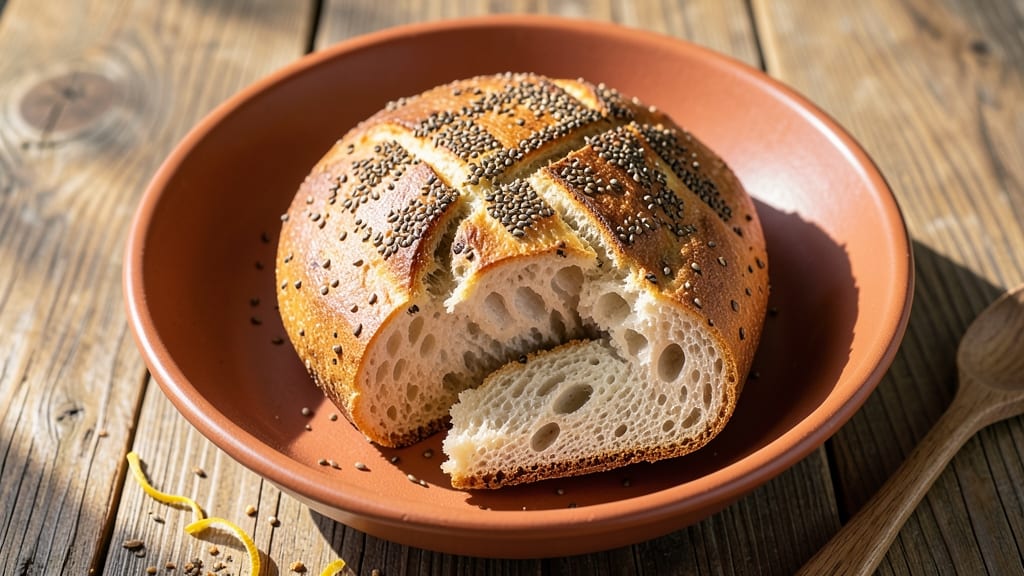
Transforming your bread recipe with flaxseed isn't just about adding nutrition—it's about unlocking a nutty crunch and omega-rich texture that elevates every bite. This plant-based bread recipe uses ground flaxseed as a binding agent, replacing eggs entirely while delivering a hearty, slightly sweet flavor and chewy interior.
The secret lies in the flaxseed's ability to absorb moisture and create a tender, elastic dough without dairy or eggs.
What makes this recipe stand out is the balance of simplicity and sophistication. With just 10 ingredients and 30 minutes of active prep (plus proofing time), you'll achieve a loaf that's perfect for sandwiches, toast, or serving alongside soups.
The flaxseed not only binds the dough but also adds a subtle earthiness that pairs beautifully with herbs, seeds, or a sprinkle of salt on top.
By the time your bread emerges from the oven, you'll have a golden-brown crust with a crackly top and a tender, moist crumb—all thanks to the flaxseed's magic.
The nutty undertones make it ideal for savory applications, while its high fiber and omega-3 content turns a simple loaf into a nutritional powerhouse. No special equipment is needed, just patience and a few key techniques.
This recipe works equally well as a vegan staple or a gluten-free option (with the right flour blend). Whether you're baking for health, dietary preferences, or simply curiosity, the results will impress even the most discerning bread lovers. Let's get started on creating your perfect loaf.
Ingredients for adding flaxseed to bread
Ten simple ingredients transform ordinary bread into a nutty, omega-rich loaf with perfect chewy texture.
| Ingredient | Amount | Notes |
|---|---|---|
| All-Purpose Flour 🌾 | 3 ½ cups | Or gluten-free 1:1 blend for GF option |
| Ground Flaxseed 🌰 | ½ cup | Freshly ground for maximum binding |
| Warm Water 💧 | 1 ¼ cups | 110°F for optimal yeast activation |
| Active Dry Yeast 🍞 | 2 tsps | Or 1 packet instant yeast |
| Cane Sugar 🍚 | 1 tbsp | Feeds yeast for rise |
| Extra-Virgin Olive Oil 🫒 | 2 tbsp | For tender crumb and shine |
| Sea Salt 🧂 | 1 ½ tsp | Diamond Crystal preferred |
| Whole Flaxseeds 🌰 | 2 tbsp | For nutty crunch on top |
| Sesame Seeds 🌿 | 1 tbsp | Optional for extra texture |
| Vegetable Oil Spray 🫒 | 1 tbsp | For greasing loaf pan |
The flaxseed is your secret weapon here—Bob's Red Mill or Trader Joe's brands grind fresh for maximum binding power. For the yeast, Red Star is my go-to, but any active dry yeast works. The warm water should feel like bathwater (110°F)—too hot kills yeast, too cold slows it down. Pro tip: if your kitchen runs cold, microwave the water for 20 seconds before mixing. The flaxseeds add that signature nutty crunch, but store-bought ground flaxseed loses potency after 3 months, so buy small batches or grind whole seeds yourself.
No flaxseed? Chia seeds work at half the amount, but texture will be slightly gummier. Running out of olive oil? Avocado oil or melted coconut oil both work—just avoid butter or dairy. The sesame seeds are optional but add that bakery-style crunch. For a gluten-free version, swap the all-purpose flour for a 1:1 blend like King Arthur's. And if you're short on time, quick-rise yeast cuts proofing time by half. The salt? Diamond Crystal dissolves more easily than table salt, so use that if you're precise.
This dough needs 2 hours of proofing—don't rush it. Store leftovers wrapped in a clean kitchen towel for 3-4 days at room temp, or freeze slices for up to 3 months. For reheating, wrap in foil and warm at 350°F for 5 minutes. The flaxseeds keep best in the fridge once opened, so transfer any extras to an airtight container. And if you're making a big batch, double the recipe—it freezes beautifully for quick breakfasts all week.
Why You'll Love This Recipe
- No-Knead Magic: I swear by this—just mix the ground flaxseed with warm water first, let it gel for 5 minutes, then toss in flour, yeast, and sugar. No stand mixer, no fuss, no waiting for dough to chill. My lazy Sunday mornings thank me.
- Nutty Depth: That flaxseed isn’t just a health boost—it adds a subtle, toasty richness that regular bread can’t match. The warm water activates the yeast while the flaxseed softens the crumb, giving every bite a quiet earthiness. Honestly, it’s the kind of flavor that makes you pause mid-bite.
- Weeknight Workhorse: This bread is my go-to for sandwiches, toast, or even French toast (yes, I’ve done it). Make a double batch on Sunday, and you’ve got breakfast, lunch, and snacks covered. My kids grab it before school—no complaints, just empty plates.
- Budget Boost: Ground flaxseed is cheap, and a little goes a long way. You’re not just saving money—you’re upgrading your bread’s nutrition without sacrificing taste. Plus, the yeast and sugar are pantry staples, so this recipe never breaks the bank. (Between us, I’ve made it for under $2 a loaf.)
Step-by-step instructions for fluffy flaxseed-enriched bread
Here's how to transform ordinary bread into a nutty, omega-rich masterpiece without sacrificing texture.
Activate the Yeast with Warm Water and Sugar
In a small bowl, combine the 1.25 cups warm water (around 110°F) with the 1 tbsp cane sugar and 2 tsps active dry yeast. Let it sit for 5-10 minutes until you see frothy bubbles forming on the surface—this confirms your yeast is alive and ready to work. The sugar feeds the yeast, while the warm water creates the perfect environment for activation.
I always check the water temperature with a thermometer because too-hot water kills yeast, and too-cold water slows activation. If you don't see bubbles within 10 minutes, your yeast might be old—start fresh with a new packet. This step is your foundation, so don't rush it.
Mix the Dough with Ground Flaxseed and Olive Oil
In a large mixing bowl, whisk together the 3.5 cups all-purpose flour and 1.5 tsp sea salt. Create a well in the center and pour in the yeast mixture along with the 2 tbsp extra-virgin olive oil. The olive oil adds richness and helps create a tender crumb, while the ground flaxseed provides binding properties that replace some of the gluten development.
Using a wooden spoon or dough whisk, gradually incorporate the ingredients until a shaggy dough forms. The ground flaxseed will make the dough slightly stickier than usual—this is normal. Once combined, add the 0.5 cup ground flaxseed and mix until fully incorporated. The flaxseed absorbs moisture quickly, so work efficiently to avoid a gummy texture.
Knead Until Smooth and Elastic
Turn the dough onto a lightly floured surface and knead for 8-10 minutes until smooth and elastic. The ground flaxseed changes the dough's behavior slightly, so it won't be as springy as traditional bread dough. You're looking for a dough that holds its shape when poked but still feels slightly tacky—this indicates proper hydration and flaxseed integration.
If the dough feels too sticky, add 1 tablespoon of flour at a time until it becomes manageable. Avoid over-kneading, which can develop too much gluten and make the bread dense. The flaxseed helps with structure, but you still need to build some gluten for that classic bread texture.
First Rise with Flaxseed Benefits
Place the dough in a lightly greased bowl, cover with a damp towel, and let it rise in a warm place for 1-1.5 hours or until doubled in size. The ground flaxseed contributes omega-3s and fiber while improving moisture retention, so the dough will rise slightly slower than traditional bread. Poke the dough gently—if it springs back slowly, it's ready.
During this rise, the yeast ferments the sugars, creating air pockets that give bread its light texture. The flaxseed also begins to hydrate fully, ensuring even distribution throughout the final product. I like to place my bowl near a slightly warm oven (with the light on) to create a consistent environment for rising.
Shape, Top, and Bake to Golden Perfection
Punch down the dough to release air, then shape it into a loaf. Lightly spray a 9x5-inch loaf pan with 1 tbsp vegetable oil spray and place the dough inside, seam-side down. Sprinkle the top with 2 tbsp whole flaxseeds and 1 tbsp sesame seeds for that signature nutty crunch and visual appeal.
Preheat your oven to 375°F and bake for 30-35 minutes until the bread is golden brown and sounds hollow when tapped on the bottom. The flaxseeds on top will toast beautifully, adding both texture and flavor. For best results, let the bread cool in the pan for 10 minutes before transferring to a wire rack—this prevents a gummy crust while keeping the interior moist.
Pro Tips For Making Adding Flaxseed To Bread
- MEASURE FLAXSEED BY VOLUME, NOT WEIGHT: Ground flaxseed clumps like a stubborn toddler—just when you think you’ve scooped the right amount, it sticks to the spoon and lies to you. Use a kitchen scale if you can, but if not, spoon it directly from the bag into your measuring cup, then level it off with a knife. Packing it down gives you way more than you need, and your bread will taste like a health-food lecture rather than something delicious.
- MIX FLAXSEED WITH WATER FIRST: I used to just toss ground flaxseed into the dry ingredients and hope for the best. Turns out, flaxseed needs to hydrate to work its magic—it’s not just a filler, it’s a binder. Stir 1 tablespoon ground flaxseed into 3 tablespoons warm water and let it sit for 5 minutes before adding it to the dough. This makes the dough smoother and prevents those weird, dry pockets in your bread.
- DON’T OVER-KNEAD THE DOUGH: Flaxseed adds density, so the dough will feel heavier and stickier than usual. Resist the urge to overwork it—once the gluten starts to develop, you’ll end up with a tough, chewy loaf instead of a light, airy one. Stop kneading when the dough pulls away from the sides of the bowl and springs back slowly when poked. It’s ready, even if it looks underworked.
- USE COLD WATER FOR THE YEAST: The yeast in this recipe needs to wake up gently. If you’re using warm water (110°F/43°C), let it cool for a minute before mixing in the yeast and sugar—too hot and you’ll kill it before it even gets started. I learned this the hard way when my bread turned out flat as a pancake. A quick temperature check with your finger (should feel warm, not hot) saves you from starting over.
Best sauces and condiments for this dish
Nutty Flaxseed Butter Spread
Spread 2 tbsp freshly ground flaxseed butter on warm slices for a protein-packed twist. Mix ½ cup softened vegan butter with ¼ cup ground flaxseed, 1 tbsp maple syrup, and a pinch of salt.
Toasted flaxseeds add crunch—perfect for sandwiches or toast. Store in an airtight container for up to 2 weeks. 🌰
Herbed Olive Oil Drizzle
Elevate your bread with a herbed olive oil drizzle. Whisk ¼ cup extra-virgin olive oil with 1 tbsp chopped fresh rosemary, 1 tsp chopped thyme, and ½ tsp garlic powder. Drizzle over warm slices before serving. The flaxseed's nutty notes complement the herby brightness beautifully. 🫒
Spiced Apple Butter
Pair your flaxseed bread with spiced apple butter for a sweet contrast. Simmer 1 cup applesauce, 2 tbsp maple syrup, ½ tsp cinnamon, and ¼ tsp ground flaxseed for 10 minutes.
Spread on toast or use as a sandwich filling. The flaxseed adds subtle earthiness that balances the sweetness. 🍎
Garlic-Herb Hummus
Blend 1 cup chickpeas, 2 tbsp tahini, 1 tbsp lemon juice, 1 clove garlic, and 1 tbsp ground flaxseed for a creamy, nutty dip.
Top with 1 tsp sesame seeds to match the bread's topping. The flaxseed boosts fiber and omega-3s while adding a toasty depth. 🧄
Smoky Chipotle Mayo
Mix ½ cup vegan mayo, 1 tsp chipotle powder, 1 tsp apple cider vinegar, and 1 tsp ground flaxseed for a smoky kick. Spread on toast or use as a sandwich spread. The flaxseed enhances creaminess while adding a subtle crunch. 🌶️
Sweet Almond Cream
Whip ½ cup almond milk, 2 tbsp powdered sugar, 1 tbsp ground flaxseed, and ½ tsp vanilla extract for a light, sweet topping. Drizzle over sliced bread or use in breakfast bowls. The flaxseed adds protein and a nutty undertone. 🌿
Nutrition facts
Frequently asked questions
Why does flaxseed make bread stickier than regular dough?
Ground flaxseed absorbs moisture quickly, creating a gum-like texture that makes the dough more elastic and slightly tacky. This is actually beneficial—it helps bind the ingredients together without needing eggs. The stickiness also indicates proper hydration, which is key for a tender crumb. Just add a little extra flour if needed during kneading.
Can I use whole flaxseeds instead of ground?
Whole flaxseeds won't bind like ground flaxseed, but you can toast 2 tbsp whole seeds and sprinkle them on top for texture. For binding, grind 0.5 cup whole flaxseeds into a fine powder first—it releases more nutrients and creates that signature chewy texture. A coffee grinder works perfectly for fresh grinding.
How do I store flaxseed bread to keep it fresh?
Wrap cooled bread in a clean kitchen towel and store at room temperature for 3-4 days. For longer storage, slice and freeze in an airtight container for up to 3 months. To revive, warm slices in a 350°F oven for 5 minutes—the flaxseed helps retain moisture better than traditional bread.
Does flaxseed bread taste different from regular bread?
Yes! The ground flaxseed adds a subtle nutty, earthy flavor that pairs beautifully with savory toppings. It's not overpowering—think of it as a cross between whole wheat and almond bread. The texture is slightly denser but still light and airy when baked properly. Try it with herbed olive oil for the best flavor contrast.