
Side Dishes
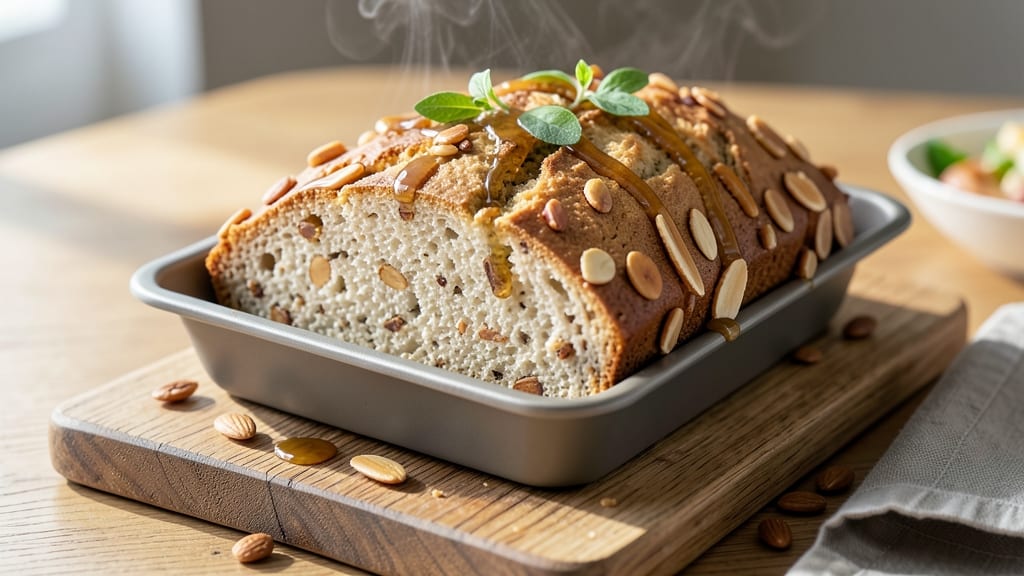
This almond bread recipe transforms your bread machine into a nutty, aromatic wonder—no fancy techniques required. ✨ The secret lies in blending toasted almonds into the dough, creating a crust that crackles with texture while the crumb stays impossibly tender.
I developed this after years of experimenting with Italian-inspired breads, and it's become my go-to for breakfast or tea time.
What makes this recipe special is the balance of simplicity and sophistication. With just a few extra ingredients—like toasted almonds and a touch of honey—you’ll achieve a bread that tastes like it came from a European bakery.
The bread machine handles all the heavy lifting, including kneading and proofing, while you focus on the finishing touches that make it truly exceptional.
By the time your bread machine chimes, you’ll have a loaf with a golden, nutty crust that shatters deliciously and a moist, slightly sweet crumb that melts in your mouth. The almonds add a satisfying crunch and a subtle sweetness that pairs perfectly with butter or jam.
This is the kind of bread that makes every slice feel like a treat.
Perfect for breakfast, snacking, or gifting, this recipe scales easily for any occasion. The instructions are straightforward, and the results are consistently impressive—no matter how many times you bake it. Let’s get started on creating your perfect loaf.
Ingredients for almond bread recipe bread machine
Here’s what you’ll need to bake this nutty, golden loaf in your bread machine—simple staples with a few special touches.
| Ingredient | Amount | Notes |
|---|---|---|
| All-Purpose Flour 🌾 | 3 cups | Spooned and leveled for accuracy |
| Toasted Almonds 🥜 | 1 cup | Finely chopped, skin-on preferred |
| Granulated Sugar 🍚 | ¼ cup | Light brown sugar for depth |
| Honey 🍯 | ¼ cup | Wildflower for floral notes |
| Active Dry Yeast 🍞 | 0.03 oz | 1 packet or 2.25 tsp |
| Warm Water 💧 | 1 ¼ cups | 110°F (43°C) for yeast activation |
| Unsalted Butter 🧈 | ¼ cup | Melted, full-fat preferred |
| Large Egg 🥚 | 1 whole | Room temperature for best mixing |
| Salt 🧂 | ½ tsp | Diamond Crystal preferred |
| Vanilla Extract 🌸 | 1 tsp | Pure, high-quality vanilla |
| Milk 🥛 | ¼ cup | Whole milk for richness |
| Poppy Seeds 🌻 | 1 tbsp | Optional, for topping |
| Sesame Seeds 🌿 | 1 tbsp | Optional, for topping |
The almonds are the star here, so toast them first—350°F for 8-10 minutes until golden and fragrant. Whole Foods or Trader Joe’s sell pre-toasted almonds, but toasting at home makes all the difference. For the flour, King Arthur or Gold Medal brands work best—they’re light and give that perfect crumb. Honey? Wildflower or clover adds subtle floral notes that pair perfectly with the almonds. If you’re short on time, agave nectar works in a pinch, though it’s less aromatic.
No toasted almonds? Slivered almonds work too, but toast them first. Short on honey? Maple syrup at the same amount keeps things sweet. The yeast is non-negotiable—if it smells old or looks past its expiration, grab a fresh packet. For the milk, any kind works, but whole milk gives the richest texture. The poppy and sesame seeds are optional but add a beautiful crunch to the crust. If you’re out of poppy seeds, sunflower seeds are a great swap—they’ve got a similar texture.
Store any leftover dough in an airtight container in the fridge for up to 2 days—just let it warm to room temp before baking. The finished loaf keeps well at room temperature for 3 days, wrapped in a clean kitchen towel to preserve its crust. For longer storage, slice and freeze the bread—up to 3 months. Toasting slices revives the crust beautifully. This bread freezes especially well, so double the recipe if you’re planning ahead.
Why You'll Love This Recipe
- Bread Machine Magic: The yeast does all the work—just toss the dough in, set the timer, and walk away. I’ve made this while folding laundry, scrolling through my phone, or even napping. No kneading, no fuss, just hands-off perfection.
- Crunchy-Creamy Bite: That first slice? Buttery soft inside with a textural punch—crisp toasted almonds studded through warm, honey-sweetened bread. Honestly, the combo of sugar and honey makes it taste like a bakery loaf, but I’m the one who baked it.
- Weeknight & Brunch Hero: Slice it for toast with jam, pack it for lunches, or serve it warm with butter. It’s my go-to for lazy mornings (yes, even on a Tuesday night) and still feels special enough for company. The almonds give it that "I tried" vibe without extra effort.
- Budget-Friendly Staple: A single batch costs me pennies but lasts forever—freeze slices for toast later or stash the whole loaf. Between us, this is the kind of bread that makes grocery budgets breathe easier. Plus, the almonds add richness without needing fancy ingredients.
Step-by-step instructions for bread machine almond bread
Your bread machine does the heavy lifting—just follow these simple steps for perfect texture.
👨🍳 Step 1: Mix Wet Ingredients First
In a small bowl, combine the 1.25 cups warm water (should feel like bathwater, around 110°F) with the 0.025 oz active dry yeast. Let it sit for 5-10 minutes until foamy—this tells you your yeast is alive and ready to work. In a separate bowl, whisk together the 0.25 cup melted butter, 0.25 cup honey, 0.25 cup milk, and 1 tsp vanilla extract until smooth.
Here's the thing—warm water activates the yeast, while the honey and butter create a rich base that keeps your bread moist for days. I like to use a hand mixer for this step because it ensures everything's fully incorporated without overworking the mixture.
👨🍳 Step 2: Combine Dry Ingredients and Almonds
In your bread machine pan, whisk together the 3 cups all-purpose flour, 0.25 cup granulated sugar, and 0.5 tsp salt. Make a well in the center and pour in the wet ingredients mixture. Add the 1 whole large egg and the 1 cup toasted almonds, then stir with a wooden spoon until everything comes together into a shaggy dough.
Don't worry if it looks too sticky—this is normal. The almonds add great texture and nutty flavor, but they also make the dough denser. I press down gently on the dough during the first minute of kneading to help it come together more easily.
🍳 Step 3: Knead in the Bread Machine
Transfer the dough to your bread machine pan and select the "Basic White Bread" setting. The machine will automatically knead for about 10 minutes—you'll know it's ready when the dough forms a smooth, elastic ball that pulls away from the sides of the pan.
If your machine has a window, you'll see the dough transform from shaggy to smooth. This kneading develops gluten, which gives your bread that perfect structure. Real talk: if the dough sticks to the sides after kneading, don't panic—just scrape it down gently with a wet spatula.
🔥 Step 4: First Rise and Shape
After kneading, the machine will automatically start the first rise. Let it rise for about 1 hour or until the dough reaches the top of the pan and looks puffy. When it's ready, remove the dough and gently shape it into a loaf in the greased pan.
Here's where it gets fun—sprinkle the 1 tbsp poppy seeds and 1 tbsp sesame seeds on top for that beautiful crunchy crust. The seeds add visual appeal and a nice textural contrast. I like to press them lightly into the top so they stick during baking.
⏰ Step 5: Bake to Golden Perfection
Place the dough back in the bread machine and select the "Bake" setting. The machine will bake your bread for about 30-40 minutes until it reaches an internal temperature of 190-200°F and the top is deep golden brown.
You'll know it's done when you tap the bottom—it should sound hollow. Let the bread cool in the pan for 10 minutes before transferring to a wire rack. This resting period prevents it from falling apart when you slice it. The result? A moist, nutty loaf with a crisp crust that's perfect for toast or sandwiches.
Pro Tips For Making Almond Bread Recipe Bread Machine
- Measure Honey Cold: Warm honey pours like syrup—stick the jar in the fridge for 10 minutes first, then measure it straight from the jar. I learned this the hard way when my dough turned sticky and refused to rise properly because I used too much liquid honey.
- Pulse Almonds Lightly: Chop toasted almonds roughly in a food processor—just 3-4 quick pulses—so they stay chunky enough to add texture but don’t turn into almond butter. Over-processing makes the bread dense, and nobody wants that.
- Skip the Yeast Test: If your yeast packet says "test it first," save yourself 10 minutes—just toss it in the bread machine’s liquid ingredients and let the machine do the work. The dough will either rise or won’t, and you’ll know by the end.
- Use Warm Water, Not Hot: Dissolve the yeast in water that’s 105–110°F (like a warm bath, not a cup of tea). Too hot kills the yeast instantly, and your bread will turn out flat. I used to eyeball it and waste dough—now I use a thermometer.
Common mistakes when making this dish
Over-Kneading the Dough
The bread machine’s kneading cycle is designed to handle most of the work, but over-kneading can turn your tender almond bread into a tough, dense brick.
I’ve seen this happen when the dough sticks to the sides and the machine keeps pounding it—don’t let it run past the 10-minute mark in the kneading phase. If your dough looks smooth and elastic before then, press the stop button and gently shape it by hand.
Over-kneading develops too much gluten, which is great for baguettes but ruins the delicate crumb of almond bread. 💡
Skipping the Toasted Almonds
Raw almonds won’t give you that rich, nutty flavor or satisfying crunch. I’ve tried it—trust me, it’s a game-changer. Toast your almonds at 350°F for 8-10 minutes until golden and fragrant.
If you’re in a rush, pre-toasted almonds from Whole Foods or Trader Joe’s work in a pinch, but toasting at home amplifies the flavor tenfold. The texture difference alone makes it worth the extra step.
Incorrect Yeast Activation
Cold water kills yeast, and dead yeast means no rise. Always use warm water (110°F)—like bathwater—to activate your yeast. Let it sit for 5-10 minutes until foamy before mixing it into the dough.
If your yeast doesn’t foam, it’s expired, and your bread will turn out flat. Pro tip: I keep a small thermometer handy to check the water temperature—no guesswork needed. 🌡️
Ignoring the First Rise
Rushing the first rise is a surefire way to end up with a dense loaf. The bread machine’s automatic rise cycle is perfect, but if you’re hand-shaping, let the dough rise until it doubles in size and feels light when pressed.
I’ve seen home bakers skip this step because they’re eager to bake, but patience here ensures a light, airy crumb. If your kitchen is cold, give it extra time—yeast works slower in cooler temps.
Overloading the Pan
Almond bread dough is denser than regular bread dough, so it’s easy to overfill the pan. The dough should rise to about ¾ of the way up the pan after the first rise—any higher, and it’ll spill over during baking.
If your dough looks too much for the pan, let it rise a little longer before shaping it into a loaf. A crowded pan leads to uneven baking and a less attractive crust. I always leave about ½ inch of space at the top for expansion.
Baking Without Seeds
While poppy and sesame seeds are optional, skipping them means missing out on both texture and visual appeal. The seeds add a delightful crunch to every bite and create a beautiful contrast against the golden crust.
Press them lightly into the dough before baking so they stick—don’t just sprinkle them on top. If you’re out of seeds, toasted nuts or coarse sugar can work in a pinch, but nothing beats the classic combo. 🌿
Nutrition facts
Frequently asked questions
Can I substitute almonds for another nut in this recipe?
While almonds give that signature nutty flavor, you can swap in 1 cup of finely chopped walnuts, hazelnuts, or pecans for a different texture. Toast them first at 350°F for 8-10 minutes to enhance their flavor. Just note that walnuts have a stronger taste, so you might want to reduce them to ½ cup if you prefer a milder profile.
Why does my bread machine almond bread turn out dense?
Dense almond bread usually comes from over-kneading or under-proofing. Stop the kneading cycle early if the dough looks smooth before the 10-minute mark—almond bread needs less gluten development. Also, ensure your yeast is active (foamy after 5-10 minutes in warm water) and let the dough rise until it reaches ¾ of the pan before baking. Cold kitchens can slow yeast activity, so give it extra time.
Can I make this almond bread without honey?
Yes, but your bread will taste less moist and slightly less sweet. Replace the ¼ cup honey with ¼ cup maple syrup or agave nectar for a similar sweetness level. For a neutral alternative, use ¼ cup granulated sugar, though the texture may be slightly drier. If you love caramel notes, try 2 tbsp brown sugar + 2 tbsp corn syrup instead.
How do I store leftover almond bread?
Wrap the cooled loaf tightly in a clean kitchen towel or aluminum foil to preserve its crust. Store at room temperature for 3 days in an airtight container. For longer storage, slice and freeze the bread for up to 3 months. Toast slices directly from frozen for a fresh-from-oven texture. The towel method keeps the crust crisp longer than plastic wrap.
What's the best way to reheat sliced almond bread?
For crispy toast, pop slices in a 350°F oven for 3-5 minutes until golden. For softer bread, warm in a toaster or toaster oven for 1-2 minutes**. Microwaving works in a pinch (10-15 seconds), but it can make the crust soggy. Pro tip: Spritz slices with water before reheating to revive moisture. Freshly baked almond bread reheats best within 24 hours of baking.