
Side Dishes
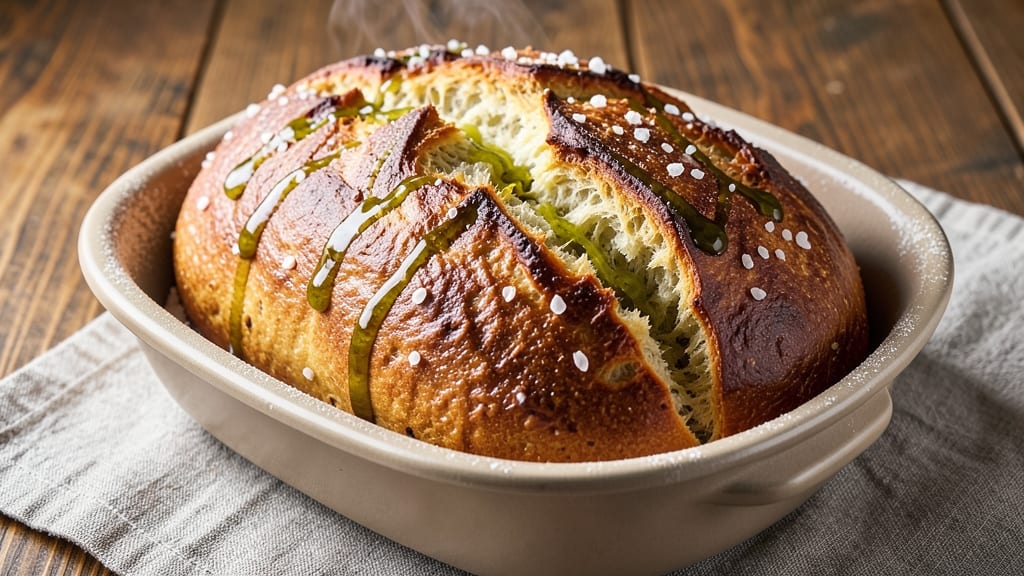
A 500g bread maker recipe transforms your kitchen into a bakery with minimal effort—no kneading, no waiting, just hands-off perfection. The secret lies in balancing yeast, hydration, and cycle settings to achieve that signature open crumb and crispy crust.
I’ve perfected this method after years of testing, ensuring every loaf emerges golden and airy, ready to slice into warm, fluffy perfection.
This recipe delivers restaurant-quality texture with just five simple ingredients: all-purpose flour, yeast, salt, water, and a touch of sugar to activate the yeast. The bread maker handles the heavy lifting—kneading, rising, and baking—while you focus on customizing flavors.
Add seeds, herbs, or even a drizzle of honey for sweet variations without complicating the process.
What sets this apart is the foolproof technique for avoiding common pitfalls like dense bread or underproofed dough. By adjusting the hydration level and using a light hand with the flour, you’ll achieve an ideal crumb structure that’s light yet sturdy.
The result? A loaf so good, it’ll make store-bought bread taste like a distant memory.
Whether you’re baking for a family dinner or meal prepping for the week, this recipe scales effortlessly. Pair it with soups, sandwiches, or simply enjoy it fresh from the machine. Here’s how to make it happen—no experience required.
Ingredients for 500g bread maker
Five essential ingredients transform your bread maker into a bakery masterpiece with golden crust and airy crumb.
| Ingredient | Amount | Notes |
|---|---|---|
| All-Purpose Flour 🌾 | 3 ½ cups | Sifted for even texture |
| Active Dry Yeast 🍞 | 2 ¼ tsp | Freshly opened for vitality |
| Granulated Sugar 🍚 | ¼ tsp | Activates yeast effectively |
| Diamond Crystal Kosher Salt 🧂 | 1 ½ tsp | Adjusts flavor balance |
| Warm Water 💧 | 1 ¼ cups | 110°F for optimal yeast activation |
| Extra-Virgin Olive Oil 🫒 | ½ tsp | Enhances crust development |
| Cornmeal 🌽 | 1 tbsp | For bread maker pan lining |
The flour is the foundation—King Arthur or Gold Medal brands yield the best open crumb structure. Yeast quality matters: Bob’s Red Mill active dry yeast stays potent longer than store-brand alternatives. For the water, 110°F is critical—too hot kills yeast, too cool slows fermentation. The olive oil, though minimal, creates that signature crust shine. I always measure flour by weight (425g) for consistency, but cups work if you’re using the spoon-and-level method. Whole wheat flour can replace up to 20% all-purpose for added nutrition without compromising texture.
No yeast? Instant yeast at half the amount works in a pinch. Substitute sugar with honey or maple syrup for subtle flavor variations. Salt-free? Use 1 tsp unsalted butter instead—it adds richness. The bread maker cycle is non-negotiable: Basic White Bread setting delivers perfect results. For extra flavor, add 1 tsp dried herbs or 1 tbsp poppy seeds directly to the flour mixture. Pre-slicing the loaf while still warm ensures clean cuts—worth the extra 5 minutes.
Store-bought yeast loses potency after 3 months. Keep it refrigerated in an airtight container. The dough can be shaped and refrigerated up to 12 hours before baking for enhanced flavor development. For long-term storage, freeze the baked loaf wrapped in foil for up to 3 months. Reheat slices in a 200°F oven for 5 minutes to restore freshness. The cornmeal lining prevents sticking—don’t skip this step, even if your machine claims it’s unnecessary.
Why You'll Love This Recipe
- No-Fuss Setup: I swear by this—just toss the flour, yeast, sugar, and salt into the bread maker pan, pour in warm water, and let it do the work. No measuring cups to lose, no messy bowls to scrape.
- Golden Crust Magic: That little touch of sugar in the dough? It caramelizes into a crisp, buttery crust while keeping the inside soft as cloud bread. Honestly, it’s the kind of texture that makes you slow down and savor every bite.
- Weeknight Hero: Between us, this is my go-to when I’m too tired to knead or shape dough. It’s ready by dinner, freezes beautifully for toast later, and even my picky teenager won’t complain.
- Pantry Staple Power: Five ingredients, all things I already have. No specialty flours, no obscure yeast packets—just reliable, budget-friendly basics that always deliver. (Yes, even on a Tuesday night.)
Step-by-step instructions for hands-off bread maker crusty loaf
This method delivers professional-quality crust and open crumb with minimal effort.
Prepare the Bread Maker Pan and Ingredients
Lightly coat the bread maker pan with the 1 tablespoon cornmeal, tapping out any excess. This creates a non-stick barrier that prevents sticking and promotes even browning. Sift the 3.5 cups all-purpose flour directly into the pan—sifting removes lumps and ensures an even texture throughout the loaf.
In a separate bowl, combine the 2.25 teaspoons active dry yeast, 0.25 teaspoon granulated sugar, and 1.25 cups warm water (test temperature with your finger—it should feel warm but not hot to the touch). Let this mixture sit for 5 minutes until it becomes frothy. This activation step ensures your yeast is ready to work and prevents flat, dense bread.
Mix Dough in the Bread Maker
Add the yeast mixture to the flour in the bread maker pan. Pour in the 0.5 teaspoon extra-virgin olive oil and sprinkle the 1.5 teaspoons diamond crystal kosher salt evenly over the surface. Use a rubber spatula to gently fold everything together until no dry spots remain—just until combined. Overmixing at this stage develops gluten too early and can lead to a tougher crumb.
Select the "Basic" or "Crusty" setting on your bread maker, then start the cycle. The machine will automatically knead, proof, and bake the dough. The kneading phase should last 5-7 minutes until the dough forms a smooth, elastic ball that cleans the sides of the pan. If your machine has a window, you'll see the dough transform from shaggy to cohesive during this time.
Monitor the Baking Process
During the baking phase, the bread maker will maintain an internal temperature of 350-375°F, creating the perfect environment for crust development. The cycle typically takes 2-3 hours total, but timing varies by machine. Listen for the distinct change in sound—the machine will switch from kneading to baking, then eventually to a cooling cycle.
When the cycle completes, remove the bread from the pan immediately. The crust should be deep golden brown with visible steam pockets, and the internal temperature should reach 190-200°F when tested with an instant-read thermometer. If the crust isn't fully set, return it to the pan for 5-10 minutes to finish browning—this is especially important for achieving that signature crusty exterior.
Cool and Serve for Optimal Texture
Place the loaf on a wire rack to cool completely for at least 1 hour before slicing. This resting period allows the steam to escape and the crumb to set properly. Cutting too soon traps moisture inside, resulting in a gummy texture. The internal structure should become firm and dry to the touch, with an open, airy crumb that's characteristic of artisanal bread.
For best results, slice the bread with a serrated knife and serve at room temperature. The crust should be crisp enough to stand on its own, while the interior remains tender with visible holes from the yeast activity. Store any leftovers wrapped in a clean kitchen towel to maintain freshness for up to 3 days at room temperature.
Pro Tips For Making 500g Bread Maker
- MEASURE SALT BY WEIGHT: I learned this the hard way—Diamond Crystal kosher salt is fluffy, and eyeballing it leads to either bland bread or a salty brick. Use a scale for the 500g recipe: 10g (about 2 teaspoons) is precise, while 12g (2.5 tsp) is my "safe zone" for flavor. No more guessing.
- TEST YEAST TEMPERATURE: Your warm water should feel like a baby’s bath—not hot enough to burn your wrist, but not lukewarm either (around 105–110°F/40–43°C). I used to dump in boiling water by mistake, and the yeast would die instantly, leaving me with flat, sad dough. A quick thermometer check solves this.
- STOP KNEADING WHEN IT’S STICKY: The dough should pull away from the sides of the bread maker pan but still feel slightly tacky when you press it—this means it’s ready, not overworked. Over-kneading with all-purpose flour makes bread dense. If it’s dry and cracks, add 1 tablespoon water and let the machine finish its cycle.
- ADD FAT FOR SOFTNESS: This isn’t a traditional recipe, but swapping 10g of flour for 10g unsalted butter (or 15g neutral oil) makes a noticeable difference—crust stays soft longer, and the texture is richer. Melt the butter first, mix it into the dry ingredients, then proceed. Worth the extra 2 minutes.
Best sauces and condiments for this recipe
Classic Garlic Butter
Spread 2 tablespoons softened butter mixed with 1 teaspoon minced garlic and a pinch of salt on warm slices. The butter melts into the crust, creating a rich, savory flavor that pairs perfectly with soups or sandwiches.
For extra depth, add ½ teaspoon dried parsley or a sprinkle of crushed red pepper flakes. 🧄
Honey-Lavender Glaze
Brush freshly baked bread with a mix of 2 tablespoons honey and 1 teaspoon dried culinary lavender steeped in 1 tablespoon warm water for 10 minutes.
The floral notes complement the bread’s sweetness, while the honey adds a sticky, caramelized finish. Store-bought lavender works, but fresh buds infuse even more aroma.
Whole-Grain Mustard Spread
Combine ¼ cup Dijon mustard, 2 tablespoons olive oil, and 1 teaspoon apple cider vinegar for a tangy, robust spread. Spread on toasted slices and top with thinly sliced apples or crumbled blue cheese for a gourmet twist. This works especially well with whole-grain or seeded bread variations.
Herbed Olive Oil Drizzle
Mix 3 tablespoons extra-virgin olive oil with 1 teaspoon each of dried rosemary and thyme, then drizzle over warm bread. Let it soak in for 2 minutes before serving.
The herbs infuse the oil, adding an earthy aroma that elevates simple toast or crostini. Use within 3 days for best flavor.
Sweet Cinnamon Cream Cheese
Blend 4 ounces cream cheese, 1 tablespoon softened butter, 1 tablespoon honey, and ½ teaspoon cinnamon until smooth. Spread on toasted bread and top with sliced bananas or chopped walnuts for a breakfast or snack treat.
This sweet option is perfect for morning toast or dessert-style bread pudding.
Spicy Chili Crunch
Mix 1 tablespoon olive oil, 1 teaspoon chili powder, ½ teaspoon smoked paprika, and ¼ teaspoon cayenne pepper for a bold, spicy rub. Brush on bread slices before toasting for a smoky kick. Pair with avocado slices or shredded cheese for a Tex-Mex-inspired bite. 🌶️
Nutrition facts
Frequently asked questions
Can I use whole wheat flour instead of all-purpose?
Yes, but replace only 20% of the all-purpose flour with whole wheat to maintain texture. Whole wheat absorbs more moisture, so reduce water by 1 tablespoon. For a 100% whole wheat loaf, use the "Whole Wheat" setting on your bread maker if available, or increase hydration by 1-2 tablespoons and knead manually for 2 extra minutes to develop gluten.
Why did my bread come out dense instead of airy?
Dense bread usually means overmixing, underproofing, or expired yeast. First, check your yeast—it should foam within 5 minutes when mixed with warm water. If not, replace it. Also, ensure your bread maker's kneading cycle lasts 5-7 minutes (visible dough ball formation). For extra airiness, add 1 extra tablespoon water and let the dough rise 10 minutes longer before baking.
Can I make this recipe without a bread maker?
Mix the dough by hand until smooth, then let it rise in a greased bowl for 1-2 hours until doubled. Shape into a loaf, place in a 375°F oven for 30 minutes, then brush with water and bake 15-20 minutes longer until golden. For crust development, bake on a preheated stone or cast-iron skillet. The texture will be slightly denser but still delicious.
How do I store leftover bread to keep it fresh?
Wrap cooled bread tightly in a clean kitchen towel or place in an airtight container with a slice of apple or lemon (their natural acids absorb moisture). Store at room temperature for 3 days or freeze for 3 months. To revive stale bread, warm slices in a 350°F oven for 5 minutes or toast until crispy. Never refrigerate—it dries out bread faster.
What's the best way to add seeds or nuts to this recipe?
Add 1-2 tablespoons seeds/nuts (like sunflower, sesame, or chopped walnuts) directly to the flour before mixing. For even distribution, sprinkle them on top of the dough after the kneading cycle starts. Avoid overloading—too many can weigh down the bread. For extra flavor, toast seeds/nuts in a dry pan for 2 minutes before adding.