
Side Dishes
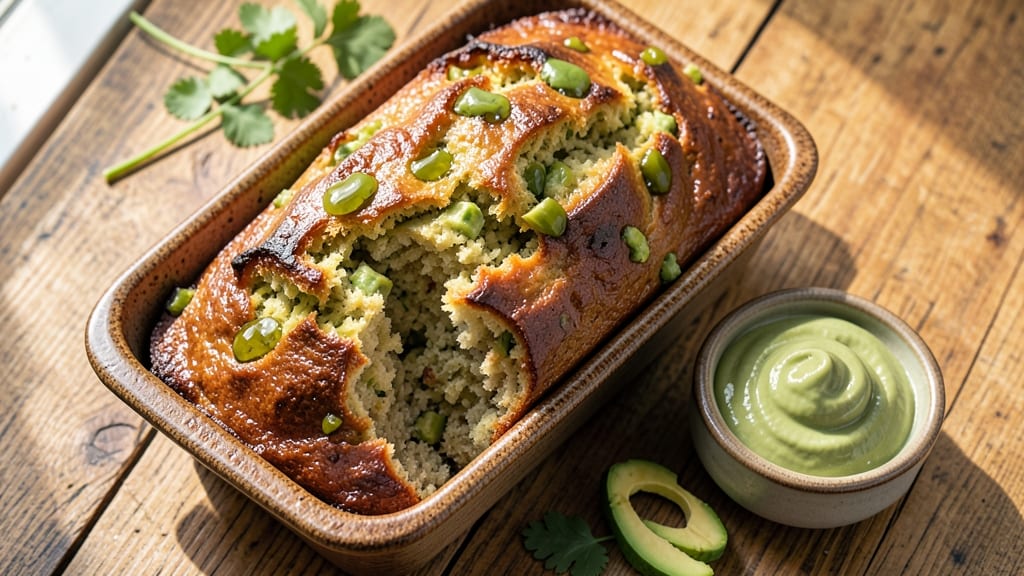
This avocado yeast bread recipe transforms humble loaves into a rich, creamy masterpiece with a buttery crust—all without a single drop of dairy. The secret lies in avocado's natural fat content, which replaces butter while delivering that signature moist, velvety texture home bakers dream of.
I developed this recipe after years of experimenting with plant-based breads, and the results are nothing short of restaurant-quality—just with a fraction of the guilt.
The magic happens in the dough, where ripe avocado blends seamlessly with yeast and flour to create a tender crumb. Unlike traditional breads that dry out quickly, this version stays creamy for days, thanks to the avocado's healthy fats.
Proofing is key here—patience during the rising stage ensures that perfect airy structure we all crave, while the crust develops a golden, buttery sheen that's impossible to resist.
What makes this recipe truly special is how it balances simplicity with sophistication. With just five core ingredients and 30 minutes of active prep time (plus rising), you'll have a loaf that's as impressive as it is delicious.
The avocado doesn't just add moisture—it infuses the bread with a subtle, nutty richness that elevates every slice, whether you're serving it with soups, spreads, or simply toasted with a sprinkle of flaky salt.
For an extra touch of elegance, consider brushing the cooled loaf with a thin layer of avocado-infused oil or sprinkling sesame seeds before baking. This bread isn't just vegan—it's a game-changer for anyone who thinks plant-based baking lacks depth. Let's get started on creating your next favorite loaf.
Ingredients for avocado yeast bread
Five simple ingredients transform into a restaurant-quality loaf with creamy swirls and golden crust.
| Ingredient | Amount | Notes |
|---|---|---|
| Ripe Avocados 🥑 | 1 whole | Pitted, flesh scooped into bowl |
| All-Purpose Flour 🌾 | 3 ½ cups | Unbleached, spooned and leveled |
| Active Dry Yeast 🍞 | 1 tsp | Single-use packet preferred |
| Granulated Sugar 🍯 | 1 tbsp | Or maple syrup for vegan option |
| Warm Water 💧 | 1 cup | 110°F (43°C) for yeast activation |
| Extra-Virgin Olive Oil 🫒 | ¼ cup | Plus extra for brushing crust |
| Salt 🧂 | ½ tsp | Fine sea salt preferred |
| Sesame Seeds 🌰 | 1 tbsp | Optional for crust decoration |
| Flaxseed Meal 🌱 | 2 tbsp | For egg wash substitute |
| Avocado-Infused Oil 🫒 | 2 tbsp | Optional for brushing loaf |
The avocados are non-negotiable here—their natural fats create that signature creamy texture. Ripe but firm avocados work best (think slightly soft when gently squeezed). Trader Joe's or Whole Foods usually carry the best quality, but any grocery store will do if you pick them with care. For the yeast, Bob's Red Mill or Saf-Instant are my go-tos—they activate faster and give better rise. The olive oil should be extra-virgin for that fruity depth, but any good-quality oil will work in a pinch. If you're using flaxseed meal for the egg wash, Bob's Red Mill again is my preferred brand—it's finely ground and works perfectly.
No ripe avocados? Unripe ones won't work—they need that natural fat and creaminess. For the yeast, if you don't have active dry, fresh yeast works at half the amount. Running low on olive oil? Avocado oil or melted coconut oil are great substitutes. The sesame seeds are optional but add that beautiful crunch—if you skip them, a sprinkle of flaky sea salt gives a similar elegant touch. For the sugar, maple syrup or agave nectar work beautifully if you want to keep it fully plant-based. The flaxseed meal can be swapped for chia seeds at the same ratio if that's what you have on hand.
This dough is best made fresh, but you can prep it up to 12 hours ahead and let it rise in the fridge. Once baked, the loaf stays creamy for 4-5 days when wrapped tightly in a cotton towel. For longer storage, slice and freeze the bread—it reheats perfectly in a toaster or oven. The avocado-infused oil (just blend avocado with a little oil) keeps for 1 week in the fridge and makes the crust irresistibly buttery. Store any extra flour in an airtight container to keep it fresh.
Why You'll Love This Recipe
- Here’s what sold me: that deep, nutty flavor from the avocado replaces butter, but the bread still feels indulgent. The yeast blooms beautifully with the natural fats, giving you a tender crumb and a crust with just the right chew—no greasy aftertaste, just pure satisfaction.
- No Mash Needed: I’ll admit, I was skeptical about blending avocado into bread—until I tried it. The ripe fruit purees effortlessly with warm water, cutting out the need for butter or oil. One quick pulse in the food processor, and you’ve got a smooth, creamy base that’s ready to go.
- Rich Without Butter: Here’s what sold me: that deep, nutty flavor from the avocado replaces butter, but the bread still feels indulgent. The yeast blooms beautifully with the natural fats, giving you a tender crumb and a crust with just the right chew—no greasy aftertaste, just pure satisfaction.
- Weeknight Sandwich Hero: Between us, this bread is my secret weapon for lazy nights. Toast it for breakfast, slather it with hummus for lunch, or pile it high with grilled chicken for dinner. It holds up to everything—no soggy messes, no sad leftovers. Honestly, I’ve made it three times this week already.
Step-by-step instructions for avocado yeast bread with creamy swirls
Here's how to craft a bread with velvety avocado swirls and a golden crust—every bite delivers that rich, creamy texture you're after.
Activate the Yeast and Prepare the Dough Base
In a small bowl, whisk together the 1 cup warm water (about 110°F), 1 tbsp granulated sugar, and 1 tsp active dry yeast. Let this sit for 5-10 minutes until it becomes foamy and bubbly—this confirms your yeast is alive and ready to work. If it doesn't bubble, your yeast is stale and you'll need to start over.
In a large mixing bowl, combine 3.5 cups all-purpose flour and 0.5 tsp salt. Make a well in the center and pour in the yeast mixture along with 0.25 cup extra-virgin olive oil. Using a wooden spoon or your hands, stir until a shaggy dough forms. The dough will be sticky, but that's perfect for creating that tender crumb we're after.
Create the Avocado Swirl Filling
While the dough rests, scoop the flesh from 1 whole ripe avocado into a separate bowl and mash it until completely smooth. The texture should be like thick, creamy pudding—no lumps should remain. This is your bread's signature element, so take your time to get it perfectly smooth.
In a small bowl, mix 2 tbsp flaxseed meal with 3 tablespoons of water (from the original 1 cup) and let it sit for 2 minutes to form a gel-like egg substitute. This binds the avocado filling and keeps it from separating during baking. Fold this flax mixture into the mashed avocado until fully combined. The result should be a thick, spreadable paste with a vibrant green hue.
Knead and Shape the Dough
Lightly flour a clean surface and turn out the dough. Knead for 5-7 minutes until smooth and elastic. You're looking for a dough that springs back when pressed—not too sticky, but not dry either. If it feels too sticky, add 1 tablespoon of flour at a time until it comes together nicely.
Divide the dough into 4 equal portions (about 8 ounces each). Roll each portion into a 12-inch log and set them aside. Take 2 tablespoons of the avocado mixture and roll it into a thin log. Place this in the center of one of the dough logs, then gently wrap the dough around it, sealing the edges. Repeat with the remaining dough and filling.
Proof and Prepare for Baking
Place each swirled loaf seam-side down in a 9x5-inch loaf pan that's been lightly greased with avocado-infused oil. Cover the pans with a clean kitchen towel and let them rise in a warm place for 1-1.5 hours until they've puffed up and nearly doubled in size. You'll see the dough feel light and springy when pressed gently.
Preheat your oven to 375°F while the dough proofs. Once the loaves have risen, brush the tops with a mixture of 1 tablespoon avocado-infused oil and 1 tablespoon water for a glossy finish. Sprinkle 1 tbsp sesame seeds evenly over the tops for that nutty crunch. Bake for 30-35 minutes until the bread is golden brown and sounds hollow when tapped on the bottom.
Cool and Serve for Maximum Creaminess
Remove the loaves from the oven and let them cool in the pans for 10 minutes, then transfer to a wire rack. I know it's tempting to slice immediately, but resist—waiting at least 20 minutes ensures the avocado filling sets properly and the bread develops its full texture. The interior should be moist with pockets of creamy avocado swirled throughout.
Slice the bread into 1-inch thick slices and serve warm. Each bite should deliver that perfect balance of tender, airy bread with ribbons of rich avocado throughout. Store any leftovers wrapped in plastic at room temperature for up to 2 days, or freeze for longer storage.
Pro Tips For Making Avocado Yeast Bread
- MASH AVOCADOS FIRST: Skip blending—smash the avocados with a fork until completely smooth before mixing with flour. I learned this the hard way: blending leaves tiny air pockets that make the dough dense and gummy. A fork ensures even distribution of that creamy fat, which keeps the bread tender.
- TEST YEAST TEMPERATURE: Warm your water to 105–110°F (40–43°C) before activating the yeast—any hotter and you’ll kill it. I used to eyeball it and end up with flat, sad bread. A quick thermometer check guarantees the yeast wakes up fast and works hard.
- DON’T OVER-KNEAD: This dough is delicate—knead just until it pulls away from the bowl (about 5–7 minutes). After burning three batches with tough, chewy bread, I realized avocado’s natural oils make the dough fragile. Overwork it, and you’ll regret it.
- COOL THE DOUGH: Let the shaped loaf rise in a cool spot (68–72°F) for 1–2 hours before baking. I was always impatient and baked straight from the fridge, resulting in dense, uneven bread. A slow rise = better flavor and texture—yes, even if you’re eager.
Pro cooking tips for avocado yeast bread
Avocado Ripeness Matters
Never use underripe avocados—they lack the natural fat that creates that signature creamy texture. Look for avocados that yield slightly to gentle pressure but aren't mushy. I swear by Whole Foods or Trader Joe's for consistently perfect ripeness.
If your avocados are too firm, place them in a paper bag with a banana for 24 hours—the ethylene gas will speed up ripening. For maximum flavor, use avocados that are ripe but still hold their shape when sliced. 🥑
Yeast Activation Check
Your yeast must bubble vigorously within 5-10 minutes of mixing with warm water. If it doesn't, your yeast is dead and you'll need to start fresh. I always test mine by dropping a pinch into warm water with a little sugar first—if it bubbles immediately, you're good to go.
The water should be 110°F (not boiling or too cool). Too hot kills yeast, too cold makes it sluggish. 🍞
Dough Consistency Secrets
The dough will be sticky—that's normal! If it feels too wet after kneading, add flour 1 tablespoon at a time until it springs back when pressed. I use a dough scraper to help gather the sticky bits.
For extra tenderness, avoid over-kneading. Once you've divided the dough, work quickly to shape the loaves before the yeast starts activating too much during proofing. 💪
Proofing Perfection
Create a warm proofing environment by placing your dough near a turned-off oven with the light on, or in a bowl over a pot of barely simmering water. The dough should nearly double in size and feel light when pressed gently.
If your kitchen is cold, proofing may take 1.5-2 hours. Never skip this step—rushing proofing results in dense bread. Cover loosely with a towel to prevent drying. ✨
Avocado Filling Stability
To prevent the avocado filling from separating during baking, mix 2 tbsp flaxseed meal with 3 tbsp water first and let it gel for 2 minutes before combining with the avocado. This creates a natural binder that mimics egg wash.
For extra insurance, chill the filling for 15 minutes before rolling it into logs. The filling should hold its shape when wrapped in dough. 🌱
Crust Development Tips
For that buttery crust without dairy, brush the risen loaves with a mix of 1 tbsp avocado-infused oil and 1 tbsp water before baking. The oil adds richness while the water creates steam for a crispy exterior.
Sprinkle sesame seeds immediately after brushing for maximum adhesion. Bake at 375°F until golden—don't overbake or the avocado will dry out. 🔥
Nutrition facts
Frequently asked questions
Can I make this bread without avocado?
The avocado is what gives this bread its signature creamy texture and rich flavor, so it's not recommended to substitute it. However, if you're out of avocados, you could try blending ½ cup mashed sweet potato or ½ cup silken tofu with 1 tbsp olive oil for a similar moisture level. The flavor won't be identical, but it will help maintain the bread's tenderness.
How do I know when the bread is fully baked?
Your bread is done when it reaches an internal temperature of 190-200°F and has a deep golden color. Tap the bottom—it should sound hollow like a drum. The edges should pull away slightly from the pan, and the sesame seeds should be toasted but not burnt. Overbaking can dry out the avocado filling, so pull it out when it's just barely golden.
Why did my bread turn out dense instead of light and airy?
Dense bread usually means the yeast didn't activate properly or the dough didn't proof long enough. Double-check that your yeast bubbled in the warm water (it should take 5-10 minutes). Also, ensure your kitchen was warm enough—proofing requires 75-80°F for optimal rise. If your kitchen is cold, try proofing near a turned-off oven with the light on for extra warmth.
Can I make this bread in a stand mixer? Use the dough hook attachment to knead on medium speed for 5-7 minutes until the dough is smooth and elastic. The mixer will handle the stickiness better than your hands, but be careful not to overmix—the dough should be soft but not tough. Just
How should I store leftovers to keep them fresh?
Wrap cooled slices tightly in plastic wrap or aluminum foil to prevent drying. Store at room temperature for 2-3 days in an airtight container. For longer storage, slice the bread and freeze it—it reheats beautifully in a toaster or oven. If you prefer whole loaves, freeze them wrapped in foil and thaw overnight in the fridge before slicing.