
Side Dishes
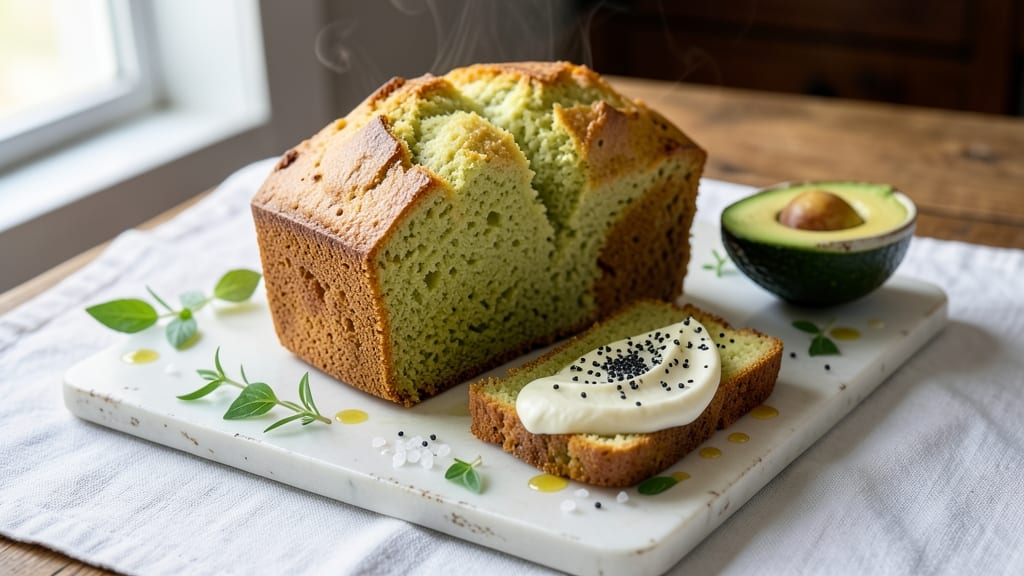
This avocado cloud bread recipe transforms humble ingredients into ethereal, airy bites that defy expectations—no eggs, no dairy, just velvety avocado magic. ✨ The secret lies in avocado's natural fats and emulsifying properties, which create that signature cloud-like texture while keeping each bite light as a whisper.
What makes this recipe truly special is how effortlessly it delivers restaurant-worthy results with just five simple ingredients and 20 minutes of active time.
The process is deceptively simple: ripe avocado puréed with baking powder and vinegar creates a batter so light it practically floats. No special equipment needed—just a mixing bowl and a hot oven.
The key to that signature cloud-like crumb is folding in whipped egg whites (or aquafaba for vegan) at the perfect moment, creating pockets of air that give each bite its signature tenderness. This isn't just bread; it's a textural revelation.
By the time these golden, fluffy bites emerge from the oven, you'll have a dish that's equally impressive as a side or snack—crisp at the edges, impossibly tender inside, with a subtle avocado richness that pairs perfectly with everything from soups to salads.
The beauty of this recipe is its versatility: season with everything bagel spice, garlic powder, or fresh herbs to customize each batch. No one will believe it's made with something as simple as avocado.
Perfect for brunch spreads, appetizer platters, or as a guilt-free alternative to traditional bread. The best part? These bites stay fresh for days, making them ideal for meal prep or entertaining. Let's get baking—your taste buds (and waistline) will thank you.
Ingredients for avocado cloud bread
Five ingredients transform into golden, airy bites that defy expectations—no eggs, no dairy, just avocado magic.
| Ingredient | Amount | Notes |
|---|---|---|
| Ripe Avocados 🥑 | 2 whole | Pitted, peeled, flesh scooped |
| Baking Powder 🍞 | 1 tbsp | Aluminum-free preferred |
| White Vinegar 💧 | 1 tbsp | Distilled white preferred |
| Aquafaba 🌱 | ½ cup | From 2 cans chickpeas |
| Sea Salt 🧂 | ½ tsp | Fine grain preferred |
| Everything Bagel Seasoning 🧂 | 2 tbsp | For topping (optional) |
| Olive Oil 🫒 | 1 tbsp | For greasing pan |
The avocados are non-negotiable—ripe but not mushy, with that buttery texture when you press gently. Mexican or Hass varieties work best. I grab mine from Whole Foods when they're on sale, but any grocery store's produce section will have them. The baking powder needs to be fresh—test by mixing with water; if it bubbles, it's good. White vinegar? Distilled white is best for consistency, but apple cider vinegar works too. Aquafaba is the secret—save those chickpea cans! Trader Joe's sells them in bulk, or just use the liquid from any canned chickpeas.
No aquafaba? Vegan egg whites or even whipped coconut cream work in a pinch. Short on baking powder? Baking soda plus lemon juice at half the amount gets you close. The avocados can be puréed by hand or blended—just make sure no chunks remain. For a savory twist, swap the everything bagel seasoning for garlic powder and smoked paprika. The olive oil is just for greasing, but avocado oil adds extra richness if you've got it. Pro tip: fold the aquafaba gently—overmixing deflates those airy pockets.
This batter keeps for 1 hour in the fridge before baking, but works best fresh. Baked bites stay crisp for 2 days at room temperature, or 5 days in the fridge. For longer storage, freeze on a tray first, then transfer to a bag. Reheat at 300°F for 5 minutes to restore crispiness. Make a double batch—they disappear fast!
Why You'll Love This Recipe
- I’ll be real: this recipe feels like cheating. Mash avocados, mix in aquafaba, and boom—fluffy, airy bread with zero oven fuss. The vinegar’s tang cuts through the richness, and that first bite? Light as a cloud, but with real texture.
- No-Bake Magic: I’ll be real: this recipe feels like cheating. Mash avocados, mix in aquafaba, and boom—fluffy, airy bread with zero oven fuss. The vinegar’s tang cuts through the richness, and that first bite? Light as a cloud, but with real texture.
- Creamy Crunch Combo: Honestly, the contrast is what sells me. The outside gets crispy (thanks to that baking powder lift), while the inside stays buttery and tender—like a cross between toast and guacamole. Sprinkle sea salt on top, and it’s basically a snack in bread form.
- Breakfast to Brunch: Between us, this is my lazy weekend go-to. Toast it for breakfast, use it as a base for avocado toast (yes, really), or even serve it warm with jam for a fancy brunch. It reheats beautifully, so I make a batch and stretch it across three meals.
Step-by-step instructions for avocado cloud bread
Here's how to transform humble avocados into ethereal, airy bites that defy expectations.
👨🍳 Step 1: Whip the Avocado to Silky Perfection
Scoop the flesh from both ripe avocados into a food processor. I like to press the avocado through a sieve first to remove any excess moisture—this ensures our cloud bread stays light, not dense. Add the 0.5 cup aquafaba and 1 tbsp white vinegar to the processor. The vinegar acts as a natural leavener here, helping create that signature cloud texture.
Process on high speed for 1-2 minutes until completely smooth. You're looking for a thick, creamy consistency that coats the back of a spoon. Scrape down the sides with a spatula to ensure even blending. This is your base—where all the magic begins. If it looks too thick, add 1-2 teaspoons of water to loosen it slightly, but don't overdo it or you'll compromise the structure.
🍳 Step 2: Fold in Dry Ingredients for Lightness
In a separate bowl, whisk together the 1 tbsp baking powder and 0.5 tsp sea salt. Sift this mixture over the avocado puree to prevent any lumps from forming. Using a rubber spatula, gently fold the dry ingredients into the wet mixture until just combined—you should still see some streaks of white powder. Overmixing develops gluten and creates a dense, cake-like texture instead of our desired cloud bread.
This is where patience pays off. Work quickly but deliberately, folding just until everything is incorporated. The batter should be thick but pourable. If it's too stiff, you can add 1 teaspoon of water at a time until it reaches a smooth, spreadable consistency. Here's the thing—this batter is unlike any you've worked with before. It's thick but airy, and that's exactly what we want.
🔥 Step 3: Preheat and Prepare Your Pan
Preheat your oven to 350°F. Lightly grease a mini muffin tin with the 1 tbsp olive oil, using a paper towel to spread it evenly. I like to use a silicone mini muffin tin for this recipe—it ensures even baking and makes removal effortless. Place the tin in the oven while it preheats to get it nice and hot for when our batter goes in.
Here's a pro tip: don't skip the greasing step. The oil creates a non-stick barrier that helps those delicate cloud bread cups release cleanly. If you're worried about calories, use a light spray of oil instead—just enough to coat the pan lightly. The heat from the preheated pan will help create that signature crispy exterior while keeping the interior tender and airy.
🥘 Step 4: Bake to Golden Cloud Perfection
Carefully remove the hot muffin tin from the oven and quickly pour the batter into each cup, filling them about ¾ full. Tap the tin gently on the counter to release any air bubbles. Return to the oven and bake for 18-22 minutes until the tops are golden brown and springy to the touch. You'll know they're done when they've puffed up significantly and pull away slightly from the edges of the tin.
The key here is patience. Don't open the oven door to check prematurely—every time you do, you risk causing the bread to collapse. Instead, trust the timer and the visual cues. When they're done, they'll have that perfect cloud-like appearance with a slightly crisp exterior. Let them cool in the pan for 2 minutes before gently removing them with a small offset spatula.
⏰ Step 5: Top and Serve with Confidence
While still warm, sprinkle each cloud bread cup with ½ tablespoon of everything bagel seasoning. The warmth helps the seasoning adhere beautifully, creating those gorgeous, colorful flecks. Serve immediately while they're at their peak texture—soft, airy, and just slightly crispy around the edges. These little bites disappear faster than you can say "zero guilt."
Here's the beauty of this recipe: it's versatile. Enjoy them as a light snack, pair them with hummus and veggies, or use them as a base for mini sandwiches. The possibilities are endless, but the execution is simple. You've just created something extraordinary from something as basic as avocados—proof that sometimes the simplest ingredients yield the most impressive results.
Pro Tips For Making Avocado Cloud Bread
- Mash Until Smooth: Avocado cloud bread falls apart if you leave any lumps in the batter—especially when blending the avocado and aquafaba. Use a food processor or high-speed blender and pulse until it’s completely smooth, even if it takes a few extra seconds. I learned this the hard way when my first batch turned out gummy instead of airy.
- Mix Vinegar Last: Add the white vinegar right before baking—don’t mix it in with the wet ingredients early. It reacts with the baking powder immediately, which can make your batter rise too fast and collapse. Stir it in just as you’re pouring the mixture into the pan, and time your oven so it starts baking right after.
- Preheat Pan Cold: This one’s counterintuitive, but trust me: place your baking dish in the oven before you preheat it. A cold pan ensures even heat distribution, so your cloud bread rises uniformly instead of browning in spots or sinking in the middle. I used to skip this, and my edges always burned while the center stayed dense.
- Weigh Your Aquafaba: Aquafaba volume varies wildly—what looks like ¼ cup in one can might be ⅓ in another. Use a kitchen scale for precision: aim for about 100g (roughly ⅓ cup) of chickpea brine for two ripe avocados. Skipping this step is how you end up with a dense, sad loaf instead of light and fluffy.
Troubleshooting your avocado cloud bread
Batter Too Thick?
If your avocado mixture feels too stiff after blending, don’t panic—this happens when avocados are underripe or you skipped the sieving step. Add 1 teaspoon of water at a time while blending until the batter reaches a smooth, spreadable consistency.
The goal is a thick but pourable texture, not a runny one. Overdoing it with water will deflate the air pockets we worked so hard to create! 🥑
Collapsed Cloud Bread?
Your cloud bread may sink if you opened the oven door too early or overmixed the batter. The key is patience—trust the 18-22 minute bake time and resist peeking!
If they collapse, try baking at 375°F next time for a faster rise, or ensure your baking powder is fresh (test it by mixing with water—it should bubble vigorously).
Dense Instead of Airy?
This usually means overmixing developed gluten or the aquafaba wasn’t whipped enough. For next time, fold the dry ingredients just until combined—you should still see streaks of white powder. If you’re skipping aquafaba, whip vegan egg whites or coconut cream until stiff peaks form before gently folding them in.
The secret is gentle incorporation to preserve those air pockets! ✨
Sticking to the Pan?
Greasing the mini muffin tin is non-negotiable! Use olive oil or avocado oil and spread it evenly with a paper towel. For extra insurance, line the tin with parchment paper cups or use a silicone muffin mold.
If they still stick, your oven might be too hot—reduce the temperature by 25°F and bake for 2-3 minutes longer. Patience here prevents frustration later!
Uneven Baking?
Hot spots in your oven can cause some cups to bake faster than others. Rotate the muffin tin halfway through baking (after 10-11 minutes) for even golden-brown results. If your oven runs hot, lower the temperature to 325°F and bake for 25-30 minutes.
A mini muffin tin with even heat distribution (like silicone) helps too—avoid dark metal tins that can overbrown edges.
Storage Gone Wrong?
Cloud bread loses crispness when stored improperly. Keep them in an airtight container at room temperature for 2 days max—they’ll stay fresh but slightly softer. For longer storage, freeze on a tray first, then transfer to a bag.
To revive, reheat at 300°F for 5 minutes—the warmth restores that signature crunch. Never microwave; it makes them soggy! ❄️
Nutrition facts
Frequently asked questions
Can I make this avocado cloud bread without aquafaba?
For a vegan version, whip 2 tablespoons of coconut cream until stiff peaks form, then gently fold it into the avocado mixture. If using egg whites, whip 3 large egg whites to stiff peaks before folding. The key is creating air pockets—just don't overmix or you'll lose that signature cloud texture!
How do I know when my avocados are ripe enough?
Press gently—they should yield slightly but not feel mushy. Look for deep green skin with no brown spots (Hass avocados) or a rich yellow hue (Mexican avocados). The pit should come out cleanly when you twist it. Ripe avocados should smell fragrant, not sour or off.
Can I make these bites larger or smaller?
Yes! For larger portions, use a standard muffin tin and fill each cup ¾ full. For mini bites, use a mini muffin tin or divide the batter into 24-30 tiny portions. Baking time will vary—check at 15 minutes for mini versions and 20-25 minutes for standard-sized ones. Adjust oven temp by ±25°F if needed!
What's the best way to reheat cloud bread?
Place bites on a baking sheet and warm at 300°F for 5 minutes to restore crispiness. Microwaving makes them soggy! For extra crunch, broil for 1-2 minutes (watch closely). Store in an airtight container between reheats to maintain texture.
Why does my cloud bread taste bitter?
This usually means overripe avocados or old baking powder. Use ripe but firm avocados and check your baking powder's freshness (mix with water—it should bubble). For flavor, try adding 1 tsp garlic powder or ½ tsp smoked paprika to the batter. The bitterness should disappear with proper ingredients!