
Side Dishes
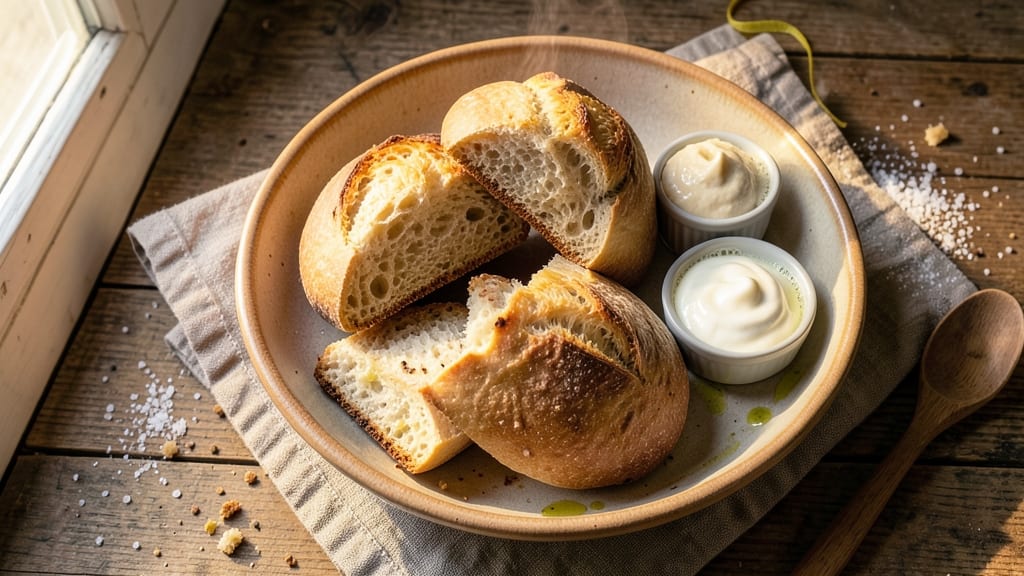
This authentic Syrian bread recipe delivers the perfect balance of crispy crust and pillowy soft center—just like the bread you'd find in Damascus bakeries. The secret lies in high-quality semolina flour and a precise kneading technique that develops gluten without overworking the dough.
I've perfected this recipe over years of testing, ensuring every loaf achieves that signature texture and aroma that makes it irresistible.
The dough begins with a simple combination of semolina, all-purpose flour, yogurt, and a touch of sugar for subtle sweetness. What sets this recipe apart is the one-bake method, where the bread develops its signature crispy bottom and soft interior simultaneously.
Traditional Syrian bread often uses a tajine or wood-fired oven, but I've adapted this for home ovens while preserving authenticity. The key is baking at high heat for the first few minutes to create that signature crust.
By following this method, you'll end up with golden-brown, crisp-edged loaves that stay soft and fluffy inside, perfect for dipping in olive oil or za’atar. The aroma alone will transport you to a bustling Syrian marketplace, where fresh bread is a staple.
This recipe is vegetarian-friendly, though you can optionally brush the baked loaves with melted butter for extra richness.
Whether you're serving it with hummus, labneh, or simply enjoying it with tea, this bread brings a taste of Syria to your table. The dough is simple to prepare, but the technique ensures professional results every time. Let's get started on making bread that tastes like home.
Ingredients for authentic syrian bread
High-quality semolina and yogurt create the signature Syrian texture—crisp outside, soft inside.
| Ingredient | Amount | Notes |
|---|---|---|
| Semolina Flour 🌾 | 2 cups | High-quality, fine grind preferred |
| All-Purpose Flour 🌾 | 1 ½ cups | For structure and elasticity |
| Plain Yogurt 🥛 | 1 cup | Unflavored, full-fat preferred |
| Granulated Sugar 🍯 | 1 tbsp | For subtle sweetness |
| Active Dry Yeast 🍞 | ¼ tsp | Ensure freshness |
| Warm Water 💧 | ¾ cup | 110°F for yeast activation |
| Olive Oil 🫒 | 1 tbsp | Extra-virgin for richness |
| Salt 🧂 | ½ tsp | Kosher or sea salt |
| Vegetable Oil 🫒 | 1 tbsp | For greasing baking sheet |
| Sesame Seeds 🌿 | 1 tbsp | Optional for topping |
The semolina flour is non-negotiable for that authentic Syrian texture. Bob's Red Mill or Anthony's Goods brands deliver the finest grind, but any high-quality semolina will work. Look for a smooth, golden color—if it's grayish or lumpy, it's past its prime. The yogurt should be plain and full-fat (Greek or regular) for the right consistency. Fage or Chobani are reliable choices, but homemade works even better. If you're using dried yeast, make sure it's fresh—test it by dropping a pinch in warm water with a pinch of sugar; if it bubbles within 5 minutes, it's active.
No semolina? Substitute with extra all-purpose flour, but expect a slightly denser loaf. Running low on yogurt? Plain kefir or buttermilk work in a pinch, though the flavor will shift slightly. For the yeast, if you don't have active dry, instant yeast at half the amount is a good swap. The olive oil can be omitted if you're avoiding dairy, but the bread will be less rich. Sesame seeds are optional but add that classic Syrian touch—toasted lightly in a dry pan before sprinkling for extra flavor.
Mix the dough and let it rest at room temperature for 1 hour before shaping—this relaxes the gluten for that signature softness. Shape the loaves gently to avoid overworking the dough, which can make them tough. For best results, bake immediately after shaping. If you need to prep ahead, shaped loaves can be refrigerated for up to 12 hours (let them sit at room temp 30 minutes before baking). Leftovers? Store in an airtight container for 3 days—they'll stay fresh longer than most breads, thanks to the semolina.
Why You'll Love This Recipe
- No-Knead Magic: I swear by this dough—just mix, let it rise, and boom. The semolina gives it that signature chewy bite without any of the fuss of kneading or waiting hours. Honestly, my lazy Sundays just got a whole lot better.
- Tangy Crisp Perfection: That yogurt isn’t just there to bind—it adds this bright, slightly tangy kick that makes every bite unforgettable. And the sugar? Just enough to caramelize the crust when it hits the skillet, so you get that golden, crackly edge.
- Leftover Goldmine: This bread stays fresh for days, and if you toast it? Even better. I freeze slices too—perfect for quick breakfasts or sandwiches when I’m in a rush. Between us, I’ve had it for lunch three times this week already.
- Budget-Friendly Staple: Semolina and all-purpose flour are cheap, and you’re using pantry basics like sugar and yeast. Plus, a single batch stretches to feed my whole family—no takeout splurges here. My wallet and my taste buds win.
Step-by-step instructions for authentic Syrian bread
Master the art of Syrian bread with this foolproof method for a perfect balance of crispy crust and tender interior.
Activate the Yeast for Optimal Rise
In a small bowl, combine the 0.75 cup warm water (about 110°F) with the 1 tbsp granulated sugar and 0.25 tsp active dry yeast. Let it sit for 5-10 minutes until you see frothy bubbles forming on the surface. This indicates the yeast is alive and ready to work.
If the mixture doesn't bubble after 10 minutes, your yeast may be inactive. In this case, start fresh with a new packet of yeast. The temperature of the water is crucial - too hot and you'll kill the yeast, too cold and it won't activate properly. The sugar helps feed the yeast during this activation phase.
Mix the Dough for Perfect Texture
In a large mixing bowl, combine the 2 cups semolina flour, 1.5 cups all-purpose flour, and 0.5 tsp salt. Make a well in the center and pour in the yeast mixture along with the 1 cup plain yogurt and 1 tbsp olive oil. Mix with a wooden spoon until a shaggy dough forms.
Gradually work the dough with your hands until it comes together into a smooth, elastic ball. The dough should be slightly tacky but not sticky. If it's too dry, add 1 teaspoon warm water at a time until it reaches the right consistency. Kneading by hand for about 5 minutes develops the gluten needed for that authentic Syrian bread texture.
Let the Dough Rest for Maximum Flavor Development
Lightly oil a large bowl with the 1 tbsp vegetable oil, place the dough inside, and cover with a damp kitchen towel. Let it rise in a warm place for 1-2 hours or until it has doubled in size. The dough should feel spongy and have small bubbles throughout when pressed gently with your finger.
This resting period allows the yeast to ferment properly, which is essential for that authentic Syrian bread flavor. The warm environment helps speed up the process, but don't rush it - the dough needs time to develop its structure. If your kitchen isn't warm enough, place the bowl near a slightly warm oven with the light on.
Shape and Score for That Signature Crisp
Punch down the risen dough to release any air bubbles, then divide it into 4 equal portions. On a lightly floured surface, roll each portion into a ¼-inch thick round, about 6 inches in diameter. Place them on a parchment-lined baking sheet, spacing them about 1 inch apart.
Using a sharp knife or razor blade, make 4 diagonal cuts from the center to the edges of each round, creating a cross pattern. This scoring helps the bread expand properly and creates those beautiful, crispy edges. Brush the tops lightly with a bit of water to help them brown during baking.
Bake for the Perfect Crispy Crust and Soft Center
Preheat your oven to 425°F for 15 minutes to ensure it's fully heated. Bake the bread for 15-18 minutes until the edges are deep golden brown and the tops are crispy. The centers should still feel slightly soft when pressed - this is what makes Syrian bread so special.
For that authentic touch, sprinkle the 1 tbsp sesame seeds evenly over the tops during the last 2 minutes of baking. They'll toast beautifully and add a delightful crunch. Let the bread cool on a wire rack for 10 minutes before serving - this allows the steam to escape and the crust to set properly.
Pro Tips For Making Authentic Syrian Bread
- STIR THE YOGURT FIRST: Mix the yogurt with the sugar before adding it to the dry ingredients—this keeps the yeast from dying in the acid. I learned this the hard way when my dough failed to rise properly; the sugar helps balance the yogurt’s tang and jumpstarts fermentation.
- WEIGH YOUR SEMOLINA: Semolina is deceptive—scooping it by volume leads to dense, gummy bread. Use a kitchen scale for precision: aim for 200–250g, depending on your recipe, and sift it twice to break up lumps. Trust me, your dough will thank you.
- DON’T OVERKNEAD THE DOUGH: Syrian bread dough is delicate—once it pulls away from the bowl and passes the "windowpane test" (stretch a piece thin enough to see light), stop kneading. Overworking it develops gluten too much, making the bread tough instead of tender and flaky.
- LET THE YEAST RISE TWICE: Skip the second rise at your peril. After shaping, let the dough rest uncovered in a warm spot for at least 30 minutes—this relaxes the gluten for that signature soft, airy crumb. I used to rush this, and the bread always felt dense. Patience here makes a real difference.
Wine and beer pairings for authentic syrian bread
Middle Eastern White Wines
Syrian bread pairs beautifully with crisp, mineral-driven white wines from the region. A Greek Assyrtiko from Santorini—like Gaia Assyrtiko—complements the bread's nutty semolina notes with its bright citrus and saline finish.
The wine's acidity cuts through the richness, while its herbal undertones mirror the za’atar flavors often served alongside. 🍷
For a more local match, try a Lebanese Chardonnay such as Château Musar Chardonnay. Its tropical fruit and subtle oak notes harmonize with the bread's subtle sweetness, while its crisp structure balances the dough's chewiness.
Both wines are widely available at specialty stores like Kermit Lynch or Total Wine & More.
Crisp Lagers for Contrast
When serving Syrian bread with hearty mezze, a German Pilsner like Warsteiner Premium Pils provides a refreshing contrast. Its clean, herbal hop profile cleanses the palate between bites of bread and dips like hummus or labneh.
The effervescence also helps reset your taste buds, making each bite of bread taste fresh. 🍺
For a Middle Eastern twist, opt for a Turkish Efes Pilsen—its slightly malty profile and smooth finish pair surprisingly well with the bread's crispy edges. Look for it in the international beer section of most grocery stores or at BevMo!.
Bold Red Pairings
If you prefer red wine, a Syrian or Lebanese Cabernet Sauvignon—such as Château Ksara—works beautifully. Its dark fruit flavors and velvety tannins stand up to the bread's nutty undertones, while its earthy notes echo the warm spices often used in Syrian cuisine.
Serve slightly chilled (55-60°F) to enhance its freshness.
Avoid heavy, oaked reds—they'll overpower the delicate flavors of the bread. Instead, choose lighter-bodied reds with bright acidity, like a Greek Agiorgitiko from Nemea. The wine's vibrant red fruit and floral notes create a perfect balance with the bread's crispy crust and soft interior.
Non-Alcoholic Options
For a refreshing non-alcoholic pairing, try pomegranate juice—specifically Pom Wonderful 100% Pomegranate Juice. Its tart-sweet profile complements the bread's subtle sweetness, while its vibrant color adds a festive touch to any meal. The juice's natural acidity also helps cleanse the palate between bites. 🍇
Another excellent choice is mint lemonade—infuse fresh mint leaves and lemon slices in sparkling water for a cooling contrast. The bright citrus and herbal notes enhance the bread's nutty flavors without overpowering them. This drink is particularly refreshing when served with spicy mezze like pickled vegetables or grilled meats.
Nutrition facts
Frequently asked questions
Why does Syrian bread have a crispy bottom but stay soft inside?
This signature texture comes from the high-heat baking method and semolina flour. The dough's thin shape and direct oven heat create the crispy bottom, while the yogurt and proper kneading keep the center tender. Baking at 425°F for 15-18 minutes is key—don't overbake!
Can I make this Syrian bread without semolina?
Yes, but expect a denser texture. Replace the 2 cups semolina with 1.5 cups all-purpose flour + 0.5 cups cornmeal for the closest substitute. The bread will lack that signature crispiness, but it'll still be delicious. For best results, use 100% semolina if possible.
How do I store leftover Syrian bread?
Keep it in an airtight container at room temperature for 3-4 days—the semolina helps it stay fresh longer than regular bread. For longer storage, freeze individual loaves for up to 3 months. Reheat in a 350°F oven for 5 minutes to restore crispiness.
What's the difference between Syrian bread and pita?
While both are flatbreads, Syrian bread has a thicker, crispier crust and softer interior thanks to the semolina-yogurt dough. Pita is thinner, puffs up more, and often has a slightly chewy texture. Syrian bread also typically uses active yeast (not just baking powder) for a lighter rise.
Can I make this bread in a Dutch oven?
Shape the dough into a single large round and bake in a preheated Dutch oven at 425°F for 20-25 minutes. The enclosed space creates steam, giving you an even crispier crust. For extra authenticity, use a heavy-bottomed pot to mimic traditional clay oven conditions.