
Side Dishes
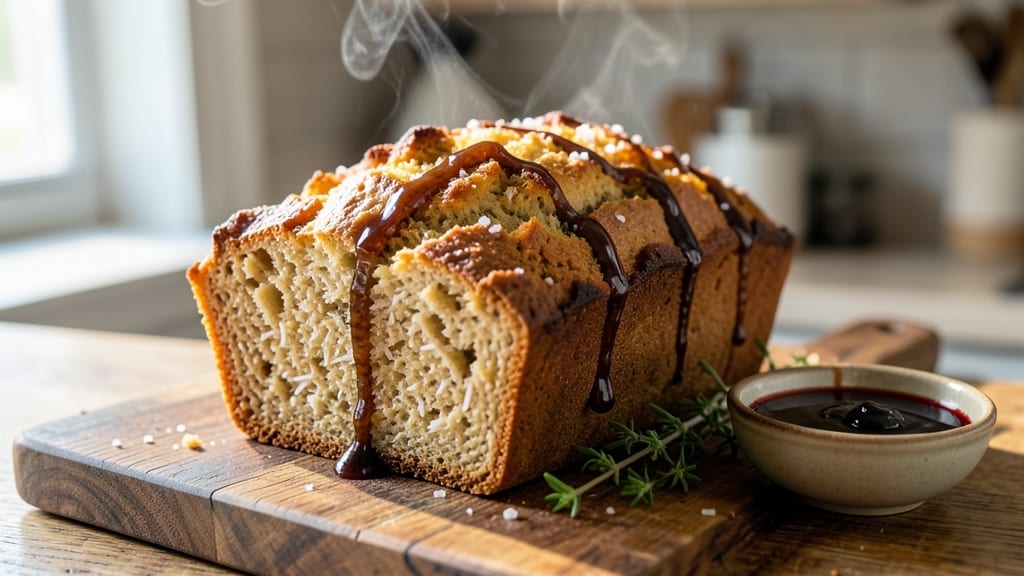
This authentic Jamaican coco bread recipe brings the warm, spiced aroma of Jamaica straight to your kitchen—where golden crust meets tender, rum-infused sweetness in every bite. 🌟 The secret lies in the blend of coconut, molasses, and a touch of spiced rum, creating a texture that's crispy on the edges yet soft inside, perfect for breakfast or dessert.
What sets this recipe apart is its cultural authenticity. Traditional Jamaican coco bread combines simple ingredients like flour, coconut, and molasses with the warmth of spices—cinnamon, nutmeg, and allspice—to create a flavor profile that's both comforting and distinctive.
The spiced rum adds depth, making it taste like a slice of Jamaica itself.
By the time it emerges from the oven, you'll have a loaf with a crusty exterior that gives way to a moist, slightly dense crumb infused with coconut and molasses. The aroma alone will have everyone gathering around the table, and the taste?
Pure nostalgia for those who grew up with it or an exciting discovery for those trying it for the first time.
Serve it warm with butter, jam, or even as a side to savory dishes—its versatility makes it a staple in Jamaican households. Let's bake this traditional favorite and bring a taste of the Caribbean to your kitchen.
Ingredients for authentic jamaican coco bread
Simple pantry staples meet Caribbean magic for this iconic Jamaican coco bread.
| Ingredient | Amount | Notes |
|---|---|---|
| All-Purpose Flour 🌾 | 3 ½ cups | Spooned and leveled, not scooped |
| Unsweetened Shredded Coconut 🥥 | 1 ½ cups | Fresh or dried, unsweetened |
| Granulated Sugar 🍚 | 1 ½ cups | White or brown, packed lightly |
| Molasses 🍯 | ½ cup | Unsulphured for authentic flavor |
| Spiced Rum 🍹 | ¼ cup | Light or dark, 151 proof preferred |
| Baking Soda 🧂 | 1 tbsp | Pure, not baking powder |
| Ground Cinnamon 🌿 | 1 tsp | Freshly ground preferred |
| Ground Nutmeg 🌿 | ½ tsp | Freshly grated for best flavor |
| Ground Allspice 🌶️ | ½ tsp | Jamaican allspice if available |
| Salt 🧂 | ½ tsp | Fine sea salt preferred |
| Unsalted Butter 🧈 | ½ cup | Cold, cubed for cutting |
| Milk 🥛 | 1 cup | Whole milk for richness |
| Vanilla Extract 🍯 | 1 tsp | Pure vanilla, not imitation |
The coconut is the star here—unsweetened and freshly shredded (the good kind from the bulk bin, not the pre-packaged sweetened stuff). Trader Joe's has a great option, but Caribbean markets or Indian grocery stores usually carry the best quality. Molasses is non-negotiable for that deep, rich flavor—unsulphured is traditional. Spiced rum adds complexity, but if you're avoiding alcohol, dark corn syrup or extra molasses works. The butter should be cold when you cut it into the flour—this creates those signature flaky layers. For the spices, Jamaican allspice (pimento) is ideal, but regular ground allspice is fine in a pinch.
No spiced rum? Dark corn syrup or extra molasses (another tablespoon) brings similar depth. Fresh coconut but no access? Toasted coconut flakes work, but they'll be less moist. The molasses can be swapped for blackstrap molasses (stronger flavor) or even dark brown sugar mixed with water if needed. For the milk, evaporated milk or coconut milk adds richness without altering the flavor dramatically. And if you're short on vanilla, vanilla bean paste gives extra intensity. The dough will be sticky—don't fight it, just handle it gently.
This bread keeps beautifully for 5-7 days wrapped in foil at room temperature, or 2 weeks in the fridge. For longer storage, slice and freeze—it reheats perfectly in the oven or toaster. The crust gets crunchier over time, so it's even better the next day. I like to slice it thick and serve with butter and jam for breakfast, or even as a side to curries. The aroma alone will have your whole house smelling like Jamaica.
Why You'll Love This Recipe
- No Mixer Needed: I swear by this dough—just a bowl, a fork, and my hands. The molasses and spiced rum do all the work while I fold in that shredded coconut, no fancy equipment required.
- Tropical Crunch in Every Bite: That buttery flour meets the toasted coconut and caramelized sugar—like a hug from Jamaica. The rum adds warmth without overpowering, and honestly? The first slice is always gone before the second one hits the plate.
- Breakfast or Dessert? Yes.: Serve it warm with butter for a hearty breakfast, or dust it with cinnamon for a quick dessert. My kids grab it straight from the pan for after-school snacks, and my husband "accidentally" takes leftovers to work.
- Budget-Friendly Staple: A single batch costs less than takeout and feeds four. The coconut adds richness without breaking the bank, and the molasses gives it depth for pennies. Plus, it keeps for days—no sad, stale bread here.
Step-by-step instructions for Jamaican coco bread
Let's bake this tropical treasure with its signature crispy crust and moist crumb.
👨🍳 Step 1: Mix the Wet Ingredients
In a medium saucepan, combine the 1 cup milk, 0.5 cup unsalted butter (cold and cubed), 1.5 cups granulated sugar, 0.5 cup molasses, and 0.25 cup spiced rum. Place over medium heat and stir constantly until the butter melts completely and the mixture reaches a gentle simmer. You'll smell that rich, caramelized aroma—this is where the authentic Jamaican flavor starts building.
Remove from heat and let cool slightly for 5 minutes. Then stir in the 1 tsp vanilla extract and 1 tbsp baking soda. The mixture will bubble slightly—this is normal and indicates the baking soda is activating. Let it cool completely before proceeding. If you skip this cooling step, your coconut might get soggy later.
👨🍳 Step 2: Combine Dry Ingredients
In a large mixing bowl, whisk together the 3.5 cups all-purpose flour, 1.5 cups unsweetened shredded coconut, 1 tsp ground cinnamon, 0.5 tsp ground nutmeg, 0.5 tsp ground allspice, and 0.5 tsp salt. I like to use a whisk here to break up any flour lumps—this ensures even distribution of those warm spices throughout the batter.
Make a well in the center of the dry ingredients and pour in the cooled wet mixture. Using a rubber spatula or wooden spoon, gently fold everything together until just combined. Don't overmix—you should still see some flour streaks. The dough will be thick and sticky, almost like cookie dough, but that's exactly what we want for that perfect texture.
🔥 Step 3: Prepare the Loaf Pan
Preheat your oven to 350°F. Generously grease a 9x5-inch loaf pan with butter or cooking spray, then sprinkle in about 1 tablespoon of the shredded coconut. Tap the pan gently to help the coconut stick to the sides—this prevents sticking and adds that classic Jamaican crust texture.
Transfer the dough to the prepared pan and spread it evenly, using the back of your spatula to smooth the top. The dough will be thick, but don't worry—it rises beautifully. Sprinkle the remaining 1.5 cups unsweetened shredded coconut evenly over the top, pressing down gently so it sticks. This top layer gives coco bread its signature crunchy crust.
⏰ Step 4: Bake to Golden Perfection
Place the loaf pan in the center rack of your preheated oven and bake for 50-55 minutes, or until a toothpick inserted into the center comes out clean. The top should be deep golden brown with crispy edges, and you'll smell that incredible spiced rum aroma filling your kitchen.
Here's the thing—Jamaican coco bread is best when baked just until set. If you overbake it, the coconut can become dry. Start checking at the 50-minute mark—the bread is done when the edges are pulling away from the pan slightly and the top is beautifully browned. Let it cool in the pan for 10 minutes before transferring to a wire rack.
🍽️ Step 5: Serve Warm for Maximum Joy
Slice the warm bread into ½-inch thick pieces and serve immediately. The contrast between the crispy coconut crust and the soft, spiced interior is what makes this bread so special. I like to serve it with a pat of butter or a drizzle of honey—it's perfect with morning coffee or as a dessert with whipped cream.
Pro tip: If you can't eat it all at once (unlikely, but possible), store leftovers wrapped tightly in plastic at room temperature for up to 3 days. Or freeze slices for up to 3 months—just reheat in a 350°F oven for 5-10 minutes to restore that perfect texture.
Pro Tips For Making Authentic Jamaican Coco Bread
- TOAST THE COCONUT: Toss the shredded coconut in a dry skillet over medium heat for 3-4 minutes until it’s golden and smells nutty—this deepens the flavor and prevents that wet, gluey texture in the bread. I learned this the hard way after baking a batch where the coconut tasted raw and the loaf fell apart when slicing.
- MEASURE MOLASSES PRECISELY: Use a kitchen scale for the molasses (140g for a standard recipe) instead of volume—it’s thick and varies wildly by brand, and too much turns your bread bitter. I was skeptical until I tried it; now I swear by it for consistent results every time.
- STEAM THE LOAF FIRST: Place the unbaked bread in a cold oven, then turn it to 350°F (175°C) and bake—this creates steam that keeps the coconut evenly moist instead of burning on top. After burning three batches, I finally figured out this trick from my aunt in Kingston.
- REST THE DOUGH LONGER: Let the dough sit covered at room temp for at least 2 hours (or overnight in the fridge)—this relaxes the gluten and makes the bread tender rather than dense. Sounds weird, but it works: the texture becomes light and the coconut distributes perfectly. (Yes, even if you’re impatient like me.)
Common mistakes when making this recipe
Overmixing the Dough
This is a classic mistake that turns your coco bread dense instead of light and fluffy. The dough should be thick and sticky with just a few flour streaks—overmixing develops gluten too much, making it tough.
I’ve seen beginners whip this batter like pancakes, and the result? A brick instead of a loaf. Use a rubber spatula to gently fold everything together, and stop as soon as the flour disappears. 🥄
Skipping the Cooling Step
Rushing to mix the wet ingredients into the dry ones without cooling them first is a recipe for soggy coconut. The baking soda in the wet mixture reacts when heated, and if you combine it with warm liquids, your coconut will absorb too much moisture, turning mushy.
Always let the wet mixture cool completely before folding it into the dry ingredients. Trust me, those 5 minutes of patience make all the difference.
Underbaking or Overbaking
Jamaican coco bread has a delicate balance—underbake it, and the center stays raw; overbake it, and the coconut turns dry. The bread is done when a toothpick comes out clean (50-55 minutes at 350°F) and the edges pull away from the pan slightly.
I’ve ruined loaves both ways, so I now set a timer for 50 minutes and check early. The crust should be golden and crispy, not burnt.
Using Sweetened Coconut
Sweetened coconut flakes are a no-go—they’ll make your bread cloyingly sweet and throw off the molasses-spiced balance. Unsweetened shredded coconut is key for that authentic, slightly tart flavor.
If you’re in a pinch, toast unsweetened flakes in a dry pan for 2-3 minutes to enhance their natural sweetness without adding sugar. The difference is night and day.
Ignoring the Loaf Pan Prep
A poorly greased pan means your bread will stick like glue, and you’ll end up with a sad, torn loaf. Generously butter the pan and sprinkle in 1 tablespoon of coconut**—this creates a barrier and adds that signature crust texture.
Tap the pan gently to help the coconut adhere to the sides. I’ve learned this the hard way—skipping this step turns a beautiful loaf into a frustrating mess.
Substituting Spices
Jamaican allspice (pimento) is non-negotiable for that authentic warmth, but if you’re using regular ground allspice, measure it carefully—too much can taste bitter. The cinnamon and nutmeg should be fresh, not pre-ground from a can.
I once used a stale spice blend, and the bread tasted dull. Invest in small jars of high-quality spices from Penzeys or your local Caribbean market for the best results. 🌶️
Nutrition facts
Frequently asked questions about Jamaican coco bread
Can I make this bread without spiced rum?
For a rum-free version, replace the 0.25 cup spiced rum with 2 tablespoons dark corn syrup or an extra 2 tablespoons molasses. The flavor will still be rich and authentic, just with a slightly different depth. The baking soda will still activate properly with these substitutes.
Why does my coco bread turn out dense instead of light?
Overmixing the dough is the most common cause. The batter should be thick and sticky with just a few flour streaks—stop folding as soon as the ingredients combine. Also, ensure your wet ingredients are completely cooled before mixing with dry ingredients. Warm liquids can cause the coconut to absorb too much moisture, making the bread dense.
How do I store leftover coco bread?
Wrap the cooled loaf tightly in plastic wrap or aluminum foil and store at room temperature for up to 5-7 days. For longer storage, slice the bread and freeze individual pieces for up to 3 months. To reheat, place frozen slices in a 350°F oven for 5-10 minutes until warmed through and crispy again.
What's the best way to serve Jamaican coco bread?
Serve warm slices with butter and jam for breakfast, or drizzle with honey for a sweet treat. It also pairs beautifully with peanut butter or as a side to savory dishes like Jamaican curries. The crust gets even more delicious as it cools, so leftovers are perfect for toasting the next day.
Can I make this bread in a different shaped pan?
Yes, but the baking time may vary slightly. For a 9-inch round cake pan, reduce baking time to 40-45 minutes. For a 9x13-inch baking dish, increase to 55-60 minutes. The key is to check for doneness with a toothpick—it should come out clean when the bread is fully baked. Adjust the top coconut layer accordingly for your pan shape.