
Side Dishes
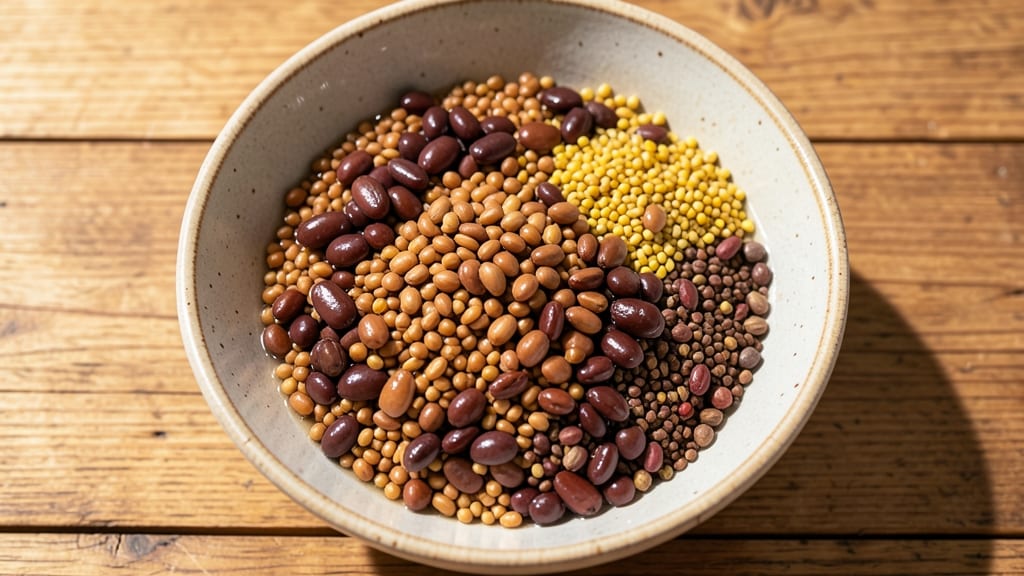
This authentic Ezekiel bread recipe delivers the nutty crunch and wholesome goodness of traditionally sprouted whole grains—just like the original biblical loaf. The process transforms simple wheat, barley, and lentils into a dense, protein-rich loaf with a satisfying chew and earthy flavor profile that sets it apart from conventional breads.
What makes this recipe truly special is the sprouting technique, which unlocks enzymes and nutrients that store-bought versions simply can't match.
The beauty of Ezekiel bread lies in its nutritional powerhouse status—packed with high protein, fiber, and enzymes that aid digestion while delivering satisfying texture.
Unlike commercial versions that often rely on processed ingredients, this recipe stays true to its roots by using whole, sprouted grains that create that signature nutty crunch.
The baking process is straightforward once you master the sprouting step, which takes patience but yields a loaf with deep flavor and impressive texture.
What you'll end up with is a dense, hearty loaf with a crisp crust and moist interior, perfect for sandwiches, toast, or serving alongside soups. The sprouting process not only enhances nutrition but also develops a distinctive flavor that's both earthy and satisfying.
This isn't just bread—it's a nutrient-dense staple that transforms any meal into a wholesome experience.
Whether you're baking for health-conscious family members or simply craving something truly authentic, this recipe delivers restaurant-quality results at home. The key lies in proper sprouting and baking techniques, which we'll walk through step by step—ensuring your first attempt is as successful as your tenth.
Let's get started on creating this nutrient-packed loaf that's as good for you as it is delicious.
Ingredients for authentic ezekiel bread
Six whole grains, sprouted to perfection—this is your authentic Ezekiel bread starter kit.
| Ingredient | Amount | Notes |
|---|---|---|
| Organic Whole Wheat Berries 🌾 | 1 ½ cups | Uncooked, sprouting grade |
| Organic Barley Grains 🌾 | 1 cup | Uncooked, sprouting grade |
| Organic Lentils 🌱 | ½ cup | Green or brown, uncooked |
| Organic Millet Seeds 🌾 | ½ cup | Uncooked, sprouting grade |
| Organic Spelt Berries 🌾 | ½ cup | Uncooked, sprouting grade |
| Filtered Water 💧 | 6 cups | Room temperature |
| Raw Apple Cider Vinegar 🍏 | 1 tbsp | Unfiltered for enzymes |
| Unsweetened Almond Milk 🥛 | ½ cup | Homemade or store-bought |
| Ground Flaxseed 🌿 | 2 tbsp | For binding and omega-3s |
| Sea Salt 🧂 | 1 ½ tsp | Fine grain, uniodized |
| Baking Soda 🧪 | 1 tsp | Pure, aluminum-free |
| Extra-Virgin Olive Oil 🫒 | 2 tbsp | Cold-pressed for flavor |
| Sesame Seeds 🌰 | 2 tbsp | Toasted for topping |
The grains are the heart of this recipe, so source them from a trusted health food store—look for organic, sprouting-grade seeds at places like Sprouts or Whole Foods. The wheat berries and barley should be plump and firm, not shriveled or discolored. If you're feeling adventurous, try Bob's Red Mill for their sprouting blends. The lentils add that signature chew, so don't skimp here. For the vinegar, Bragg's is my go-to—it's unfiltered and packed with enzymes that help the sprouting process along. If you're using store-bought almond milk, grab the unsweetened kind with no additives—Silk or So Delicious work well.
No wheat berries? Substitute with more barley or spelt—just keep the total grain volume at 3.5 cups. Running low on lentils? Chickpeas or black beans work in a pinch, though the texture will be slightly different. The flaxseed is non-negotiable for binding—it's what gives this bread its signature structure. No baking soda? Baking powder at half the amount will work, but the rise won't be as crisp. For the oil, avocado oil is another great choice if you're avoiding olive oil. And if sesame seeds are hard to find, sunflower seeds or pumpkin seeds make a nice crunchy alternative.
Store your dry grains in an airtight container in a cool, dark place—they'll keep for up to 6 months. Once sprouted, use the mixture within 24 hours for best flavor and texture. The baked loaf keeps well wrapped at room temperature for 3-4 days, or you can slice and freeze portions for up to 3 months. For extra crunch, toast the sesame seeds in a dry pan for 2-3 minutes before sprinkling on top—worth the extra minute for that restaurant-quality finish.
Why You'll Love This Recipe
- No-Soak Hassle: I swear by the overnight soak method, but this recipe skips it—just blend, proof, bake. The grains stay chewy and digestible without the wait, and honestly? My counter stays dry and my patience intact.
- Nutty, Earthy Crunch: That mix of millet and spelt? It’s like biting into a sunflower seed but better—warm, toasty, and packed with texture. Toast it, and it gets this irresistible crunch that makes every slice feel like a little reward.
- Meal Prep MVP: Between us, this bread is my go-to for lunches, sandwiches, or even croutons. I bake a loaf on Sundays, slice it, and it lasts a week—no sad, stale ends here. (Yes, even on a Tuesday night.)
- Budget-Friendly Staple: Whole grains are cheap, and this recipe uses them well—no wasted crumbs or expensive shortcuts. I’ve made two loaves for the cost of one store-bought, and my wallet and my gut thank me for it.
Step-by-step instructions for authentic Ezekiel bread
Here's how to create a wholesome, nutritious loaf with perfect texture and flavor.
Sprout the Grains and Seeds for Maximum Nutrition
Combine the 1.5 cups organic whole wheat berries, 1 cup organic barley grains, 0.5 cup organic lentils, 0.5 cup organic millet seeds, and 0.5 cup organic spelt berries in a large bowl. Add 6 cups filtered water and 1 tablespoon raw apple cider vinegar, then cover with a damp kitchen towel. Let soak for 12 hours at room temperature, ensuring the water level remains just above the grains.
After soaking, drain and rinse thoroughly, then transfer to a sprouting jar or colander lined with a damp cloth. Place in a warm, dark spot and rinse twice daily for 24 hours, until you see 1/4-inch sprouts forming. This process enhances digestibility and unlocks the bread's nutty depth. The sprouts should be tender but still retain some crunch when bitten.
Prepare the Dough with Binding Agents
In a food processor, blend the sprouted grains until finely chopped but not pulverized. Transfer to a large mixing bowl and whisk in 0.5 cup unsweetened almond milk, 2 tablespoons ground flaxseed, 1.5 teaspoons sea salt, and 1 teaspoon baking soda. The mixture should resemble thick batter with visible grain texture.
Add 2 tablespoons extra-virgin olive oil and mix until fully incorporated. The dough will be sticky but workable—this is normal for Ezekiel bread. Let it rest for 10 minutes while you prepare your baking pan. This resting period allows the flaxseed to fully hydrate and bind the mixture, ensuring structural integrity in the final loaf.
Shape and Proof the Dough
Lightly grease a 9x5-inch loaf pan with olive oil. Using wet hands, transfer the dough to the pan and spread evenly, pressing down gently but firmly to eliminate air pockets. The dough should reach 1 inch below the pan's rim, as it will rise significantly during baking.
Cover the pan with a damp towel and let proof at room temperature for 1-2 hours, until the dough rises about 1 inch above the pan's edge. You'll notice the surface develop small bubbles and a slightly domed appearance. This proofing stage is crucial for achieving that characteristic Ezekiel bread texture—light yet dense with a satisfying crumb.
Bake to Golden Perfection
Preheat your oven to 375°F. Bake the loaf for 45-50 minutes until the top is deep golden brown and the internal temperature reaches 205°F when measured with an instant-read thermometer. The bread should pull away cleanly from the pan's edges and have a hollow sound when tapped on the bottom.
For extra crust development, broil for 2-3 minutes during the final minute of baking. Immediately transfer to a wire rack to cool completely before slicing—this prevents a gummy texture. The cooling process allows the bread's structure to set properly, resulting in clean slices with that signature nutty crunch.
Toast and Serve for Optimal Texture
Once completely cooled, slice the loaf into 12 equal portions. For best results, lightly toast the slices in a dry skillet over medium heat for 1-2 minutes per side until golden and crisp. This step enhances the bread's natural flavors and creates that satisfying crunch.
Top with 2 tablespoons toasted sesame seeds just before serving. The seeds add visual contrast and a subtle nutty aroma that complements the bread's complex grain profile. Store any unused portions in an airtight container for up to 5 days, or freeze for longer storage—this bread actually improves with age as the flavors deepen.
Pro Tips For Making Authentic Ezekiel Bread
- SOAK GRAINS 12 HOURS: I learned this the hard way—skipping the full soak (or worse, using overnight water left at room temp) leaves your barley and spelt tasting bitter and gummy. Use warm water (just below boiling) and let it sit in a warm spot—like your oven with the light on—for exactly 12 hours. No more, no less.
- CRUSH LENTILS SLIGHTLY: Those whole lentils? They’ll stay rock-hard if you don’t give them a quick head start. Pulse them in a food processor for 3-4 seconds—just until they’re dented, not paste. This guarantees they’ll break down evenly during cooking and blend into the dough smoothly.
- STEAM DON’T BOIL: Your wheat berries and spelt will turn to mush if you boil them like pasta. Instead, use a steamer basket over simmering water—cover tightly and steam for 45 minutes. Check at 30: if they’re still firm, keep going. They’re done when they’re tender but still hold their shape when pressed.
- USE COLD SPRITZ WATER: The final knead is where most people rush and end up with a sticky mess. After adding your yeast and water, let the dough rest for 10 minutes first. Then, when you knead, add ice water (yes, ice) a tablespoon at a time—it tightens the gluten without making the dough fight you. Trust me, your hands will thank you.
Pro cooking tips for perfect results
Sprouting Secrets
The key to authentic Ezekiel bread lies in proper sprouting—this transforms simple grains into a nutrient powerhouse. Soak your grains in 6 cups filtered water with 1 tbsp apple cider vinegar for 12 hours, then rinse them twice daily for 24 hours until you see ¼-inch sprouts.
I use a glass sprouting jar with a mesh lid for easy rinsing. The vinegar helps activate enzymes while preventing mold growth. 🌱
Dough Consistency
Ezekiel dough is stickier than traditional bread dough, but that's normal! After blending sprouted grains with 0.5 cup almond milk and 2 tbsp ground flaxseed, you'll get a thick, wet batter. The flaxseed acts as a natural binder—don't be tempted to add extra flour.
Wet your hands when handling the dough to prevent sticking. I find using a flexible silicone spatula helps spread it evenly in the pan.
Proofing Perfection
Proofing is where the magic happens for that signature dense-yet-light texture. Cover your dough with a damp towel and let it rise at room temperature for 1-2 hours. You'll know it's ready when the dough rises 1 inch above the pan's edge.
Too cold? Your oven can help—just turn it on to 100°F for 10 minutes to create a warm proofing environment. Overproofing leads to a flat loaf, so keep an eye on it.
Baking Temperature
Never skip preheating your oven to 375°F—this ensures even baking and proper crust formation. I recommend using an oven thermometer to verify accuracy, as home ovens often run 25°F hotter or cooler than set. Bake for 45-50 minutes until the internal temperature hits 205°F.
The bread should pull away cleanly from the pan and sound hollow when tapped. A broil for 2-3 minutes at the end gives that perfect golden crust.
Crust Development
For that restaurant-quality crust, broil your loaf for 2-3 minutes during the final minute of baking. Watch closely to prevent burning—darkening happens quickly! The broiler adds a crisp texture while keeping the interior moist.
I like to place a metal cooling rack on the oven rack before broiling to catch any drips. Let the bread cool completely on the rack before slicing to prevent a gummy interior.
Storage Tips
Store your Ezekiel bread in an airtight container at room temperature for 3-4 days—it actually tastes better as it ages! For longer storage, slice and freeze portions in ziplock bags for up to 3 months.
Toast frozen slices directly in a skillet for 2-3 minutes per side until crisp. The bread's natural oils prevent it from drying out, making it perfect for meal prep. 💡
Nutrition facts
Frequently asked questions
Why does Ezekiel bread taste different from regular whole wheat bread?
The sprouting process unlocks natural enzymes and nutrients that create a distinctive nutty, slightly sweet flavor and satisfying chew. Unlike regular bread made with ground flour, Ezekiel bread uses whole grains that retain their bran and germ, giving it that earthy depth. The sprouting also reduces phytic acid, making the nutrients more bioavailable and enhancing digestibility.
Can I make this recipe without a food processor?
Yes! You can pulse the sprouted grains in a high-powered blender or even chop them finely by hand with a knife. For best results, aim for a coarse texture similar to breadcrumbs. The key is to break down the grains enough to create a cohesive dough while preserving some texture. Just be prepared for slightly more effort when mixing by hand.
What if my dough doesn't hold together?
This usually happens when there's insufficient binding. First, try adding 1 extra tablespoon of ground flaxseed to help with cohesion. If that doesn't work, mix in 2 tablespoons of vital wheat gluten or 1 tablespoon of psyllium husk powder to improve structure. Remember, Ezekiel dough is naturally sticky—wet your hands and tools to prevent sticking while working with it.
How do I know when the bread is fully baked?
The bread is done when it reaches an internal temperature of 205°F and pulls away cleanly from the pan edges. You should also hear a hollow sound when you tap the bottom. The top should be deep golden brown, and a toothpick inserted in the center should come out clean. If it's browning too quickly, tent with foil during the last 10 minutes of baking.
Can I make Ezekiel bread gluten-free?
Yes, but you'll need to substitute the wheat berries with gluten-free grains like sorghum, amaranth, or certified gluten-free oats. Replace barley with buckwheat or quinoa, and use a gluten-free binding agent like guar gum or xanthan gum. The texture will differ slightly, but you can still achieve a nutritious loaf. Always check labels to ensure all ingredients are certified gluten-free.