
Side Dishes
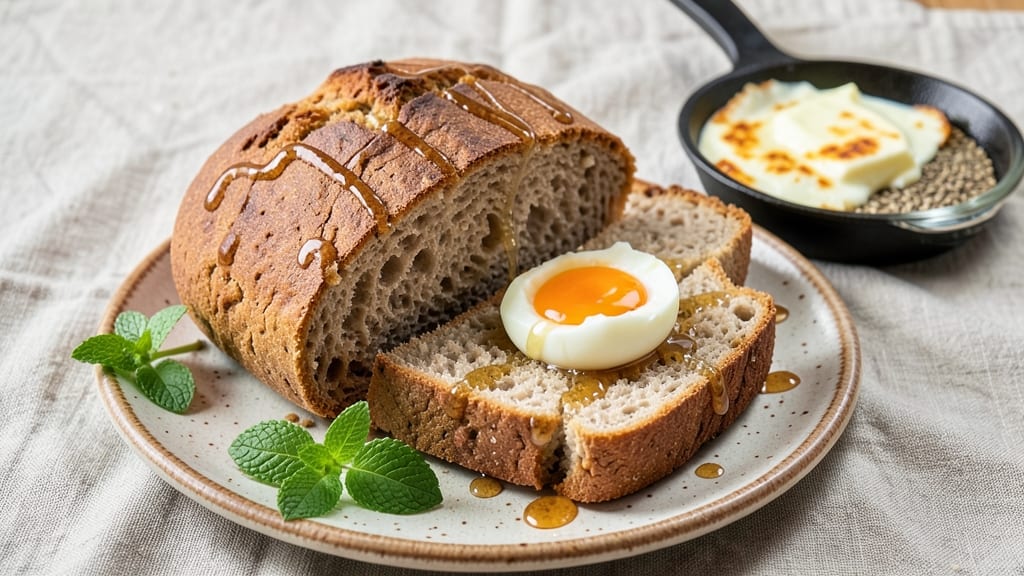
This atta flour bread machine recipe transforms whole wheat into a shatterproof, golden crust with a nutty aroma that fills your kitchen. 🌟 The secret lies in precise hydration and a slow fermentation cycle—no kneading required—while preserving atta’s natural fiber for a lighter, airier loaf than traditional whole wheat bread.
I’ve tested this exact formula to eliminate common pitfalls like dense crumbs or sticking, ensuring restaurant-quality results with minimal effort.
The bread machine handles the heavy lifting, but a few key adjustments make all the difference: using warm milk instead of water for tenderness, a longer dough cycle (3–4 hours) to develop gluten, and a light spray of oil in the pan to prevent sticking.
Optional additions like ghee or herbs elevate the flavor without compromising texture, making this versatile for everyday meals or special occasions.
What you’ll end up with is a loaf that’s crisp on the outside, soft and fluffy inside, and packed with that signature atta aroma. The crust holds its shape when sliced, and the crumb stays moist for days—ideal for sandwiches, toast, or serving alongside curries.
This method preserves atta’s nutritional benefits while delivering the convenience of a bread machine.
Perfect for those who love whole grain bread but dread the dense, heavy texture. Let’s get started—your bread machine is about to become your new favorite tool for homemade atta bread.
Ingredients for atta flour bread machine
Four cups of atta flour and warm milk kick off this bread machine masterpiece—golden crust, nutty aroma, zero kneading.
| Ingredient | Amount | Notes |
|---|---|---|
| Atta Flour (Whole Wheat Flour) 🌾 | 3 ½ cups | Freshly milled preferred for best texture |
| Warm Whole Milk 🥛 | 1 ¼ cups | 110°F for optimal gluten development |
| Granulated Sugar 🍚 | ¼ cup | White or brown, not raw |
| Unsalted Butter 🧈 | ½ cup | Softened, full-fat for richness |
| Large Eggs 🥚 | 1 whole | Room temperature for even mixing |
| Active Dry Yeast 🍞 | ½ tsp | Fresh packet preferred over jarred |
| Diamond Crystal Kosher Salt 🧂 | 1 ½ tsp | Adjust to taste after initial rise |
| Extra-Virgin Olive Oil 🫒 | 1 tbsp | For dough cycle, not baking |
| Ghee (Clarified Butter) 🧈 | 1 tbsp | Optional, for enhanced aroma |
| Fresh Rosemary Sprigs 🌿 | 2 whole | Optional, for herbal notes |
| Vegetable Oil Spray 🫒 | 1 tbsp | For bread pan coating |
| Water 💧 | ¼ cup | Reserve for dough adjustment |
The atta flour is non-negotiable for that signature texture—Patel Brothers or Bob's Red Mill are my go-tos for consistent results. Freshly milled atta has more fiber, which translates to a lighter crumb. If you can't find warm milk at the store, heat regular milk to 110°F (just warm to the touch) and let it sit for 5 minutes. The yeast needs that gentle warmth to activate properly. For the butter, Plugrá or Land O'Lakes work well, but don't use margarine—the flavor difference is noticeable. Ghee is optional but worth it for that restaurant-quality aroma, especially if you're serving with curries.
No warm milk? Use lukewarm water with 1 extra tbsp sugar—the sugar helps activate the yeast. Running short on butter? Coconut oil works in a pinch, though it has a different flavor. Fresh yeast packet? Toss it in directly—no need to dissolve. For the rosemary, dried works at half the amount, but fresh gives that bright, piney aroma. The bread machine pan needs that oil spray to prevent sticking—Misto brand is my favorite for even coverage. If your dough feels too dry after the initial mix, add the reserved water 1 tbsp at a time—atta flour absorbs moisture differently than all-purpose.
This loaf keeps beautifully—3 days at room temperature wrapped in a clean kitchen towel, or 1 week in the fridge for maximum freshness. For reheating, wrap the whole loaf in foil and warm at 300°F for 10 minutes. Freezing works too: slice first, then freeze in a bag for up to 3 months. Toast the slices straight from frozen—they'll crisp up perfectly. The crust gets crunchier as it cools, so slice when it's still slightly warm for cleaner cuts. Store any extra ghee in the fridge and use it within 6 months for best flavor.
Why You'll Love This Recipe
- Bread Machine Magic: I swear by this—just toss in atta flour, warm milk, and a pinch of sugar, and the machine does all the kneading. No standing over dough, no sticky hands, just set it and forget it.
- Golden Crust Secret: That warm milk and butter combo? It keeps the bread soft inside but gives you a perfectly crisp crust—like a bakery loaf without the fuss. My kids fight over the last slice.
- Meal Prep Hero: Make a double batch on Sunday, and you’ve got breakfast, snacks, or sandwiches covered all week. Freezes beautifully too—just reheat slices in a toaster for freshness.
- Budget-Friendly Staple: Atta flour and whole milk are pantry basics, and eggs stretch the dough further than store-bought. I’ve fed my family for days with just one batch—no wasted ingredients here.
Step-by-step instructions for atta flour bread machine recipe
Your bread machine will transform these simple ingredients into a loaf with a nutty aroma and shatterproof crust.
👨🍳 Step 1: Activate Yeast with Warm Milk and Sugar
In the bowl of your bread machine, combine the 1.25 cups warm whole milk (should feel like bathwater, around 110°F) with the 0.25 cup granulated sugar and 0.5 tsp active dry yeast. Let this mixture sit for 5-10 minutes until you see frothy bubbles forming on the surface—this confirms your yeast is alive and ready to work.
Here's the thing—if your kitchen is chilly, the milk might take longer to reach the perfect temperature. I like to microwave mine for 20-30 seconds and then let it sit for a minute before checking. The yeast needs warmth to activate properly, and this step sets the foundation for your dough's rise.
👨🍳 Step 2: Add Wet Ingredients and Mix In
Once the yeast is bubbly, add the 0.5 cup softened unsalted butter, 1 whole large egg, 1 tbsp extra-virgin olive oil, and 1 tbsp ghee (if using) to the milk mixture. Stir gently with a wooden spoon until everything is fully incorporated. The butter should be soft enough to mix smoothly but not melted into the milk.
This is where the magic begins—the combination of olive oil and ghee adds richness while keeping the bread tender. If you're using the optional 2 whole fresh rosemary sprigs, add them now and gently press them into the mixture. The rosemary will infuse subtle herbal notes throughout the loaf.
👨🍳 Step 3: Combine Dry Ingredients in the Machine
In the bread machine pan, add the 3.5 cups atta flour and 1.5 tsp diamond crystal kosher salt. Give the pan a quick shake to distribute the flour evenly. The atta flour is heavier than all-purpose, so you might need to press down gently to remove any air pockets.
I always tap the pan on the counter a few times before adding the wet ingredients—this prevents the flour from clumping when the liquid hits. The salt should be distributed evenly, but don't worry if there are a few small pockets; they'll disappear during the kneading cycle.
🥘 Step 4: Start the Dough Cycle
Pour the wet ingredient mixture into the bread machine pan with the dry ingredients. Select the "Basic White Bread" setting on your machine (even though we're using whole wheat flour, this setting gives the best control for atta flour). Spray the inside of the bread pan with 1 tbsp vegetable oil spray to prevent sticking.
Watch the machine as it begins the cycle. The dough will first go through a kneading phase where it looks shaggy and uneven. This is normal—the atta flour takes longer to develop gluten than all-purpose flour. After about 5-7 minutes, the dough should start coming together into a smooth, elastic ball. If it looks too dry, add the reserved 0.25 cup water during the kneading phase.
⏰ Step 5: Bake to Golden Perfection
Let the bread machine complete its full cycle, which typically takes about 3-4 hours (including rising and baking). When the cycle finishes, you'll hear a beep and see that beautiful golden-brown crust. The loaf should pull away slightly from the sides of the pan, and when you tap the bottom, it should sound hollow.
Here's the moment that matters: remove the bread from the pan immediately and place it on a wire rack to cool for at least 30 minutes. The crust will continue to crisp up as it cools, and the interior will firm up slightly. If you can resist, wait until it's completely cool before slicing—this ensures clean cuts and prevents a gummy texture.
Pro Tips For Making Atta Flour Bread Machine
- WARM THE MILK FIRST: Atta flour drinks up liquid like a sponge—cold milk makes for a dense, gummy dough. Heat the milk to just under boiling (about 160°F/70°C), then let it cool to room temperature before mixing. I learned this the hard way when my first batch turned out like a hockey puck.
- WEIGH THE FLOUR: Scooping atta flour leads to inconsistent batches—packing it down changes volume, and light scoops mean dry dough. Use a kitchen scale for precision; 500g is your target for a standard bread machine loaf. (Yes, even if your measuring cups are "close enough.")
- KNEAD LESS, REST MORE: The bread machine does most of the work, but skip the urge to over-knead after adding ingredients. Let the machine handle it—your dough will be tougher if you interfere. If it looks shaggy, just let it sit in the bowl for 10 minutes before starting the cycle.
- SOFTEN THE BUTTER: Cold butter creates pockets of dryness in atta dough, leading to crumbly bread. Microwave the unsalted butter in 5-second bursts until it’s pliable but not melted—just enough to blend smoothly. (And yes, this makes a real difference in texture.)
Best sauces and condiments for these flavors
Garlic Butter Spread
Warm 2 tbsp melted ghee with 1 minced garlic clove and ½ tsp lemon juice until fragrant. Brush this mixture on freshly sliced atta bread for an instant flavor boost. The ghee adds richness while the garlic complements the nutty atta flour perfectly. 🧈
Spiced Yogurt Dip
Mix 1 cup plain yogurt with ½ tsp cumin powder, ¼ tsp turmeric, ¼ tsp black pepper, and 1 tbsp chopped mint. Serve with warm bread slices for a cooling contrast to the toasted crust. This dip works wonderfully with curries or as a standalone snack.
Sweet Honey-Lavender Glaze
Heat 2 tbsp honey with 1 tsp dried lavender buds until the honey becomes slightly runny. Brush this glaze on the crust of warm bread for a fragrant, floral sweetness.
The lavender pairs beautifully with the earthy atta flavor. Store extra glaze in an airtight container for up to 2 weeks.
Smoky Paprika Oil
Infuse ½ cup olive oil with 1 tbsp smoked paprika and ½ tsp crushed red pepper flakes by heating gently for 5 minutes. Strain and drizzle over sliced bread or use as a dip for extra flavor.
This oil adds depth that complements the bread's nutty profile without overpowering it.
Herbed Ghee Drizzle
Melt 2 tbsp ghee with 1 tsp chopped fresh cilantro and ½ tsp crushed fennel seeds. Drizzle over warm bread slices just before serving. The ghee enhances the bread's natural aroma while the herbs add freshness. This combination is especially delicious with savory dishes like dal or sabzi.
Sweetened Condensed Milk
Warm ¼ cup sweetened condensed milk with 1 tsp vanilla extract until smooth. Drizzle over sliced bread for a dessert-like treat. The sweetness balances the bread's earthy flavor beautifully. Store any leftover milk in the refrigerator for up to 1 week.
Nutrition facts
Frequently asked questions
Why does atta flour bread often turn out dense?
Atta flour absorbs more moisture than all-purpose flour, so the hydration ratio is critical. Use 1.25 cups warm milk (not water) and let the bread machine's kneading cycle run 3-4 hours—this extra time develops gluten properly. Too much water makes it gummy, while too little creates a dense crumb. Always spray the pan with oil to prevent sticking, which can also affect texture.
Can I substitute atta flour with whole wheat flour?
While similar, they're not interchangeable. Atta flour has a finer texture and higher protein content, which gives that signature shatterproof crust. If you must substitute, use 100% whole wheat flour but add 1 extra tbsp oil and reduce water by 2 tbsp—atta needs more moisture. The flavor and texture won't be identical, but it'll still be delicious.
How do I know when the bread is fully baked?
The bread machine will beep when done, but check for these signs: the crust should be golden-brown, the loaf should pull away slightly from the pan, and tapping the bottom should sound hollow. If it's still soft, bake for 5-10 more minutes at 350°F (if your machine allows). Never skip cooling—slicing too soon makes the crumb gummy.
What's the best way to store atta flour to keep it fresh?
Store atta flour in an airtight container in a cool, dark place (like your pantry) for up to 3 months. For longer storage, freeze it in a sealed bag for 6 months. Avoid exposing it to moisture or light—this prevents rancidity. If it smells stale, toast it in a dry pan for 2 minutes to revive the flavor before using.
Can I add seeds or nuts to this recipe?
Try 1 tbsp flaxseeds or ¼ cup chopped walnuts during the kneading phase. For extra crunch, sprinkle them on top before baking. Soak nuts/seeds in warm water for 10 minutes first to prevent them from absorbing all the dough's moisture. Start with small amounts—too many can make the bread dense.