
Snacks
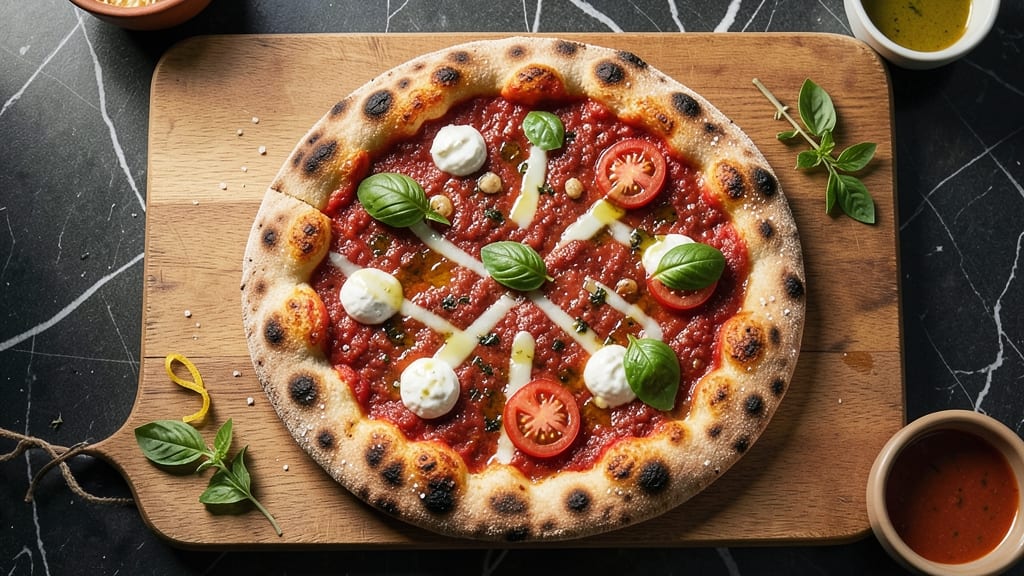
Atoria's flatbread pizza recipe delivers that iconic restaurant-style crisp with cheesy pull-apart magic you crave at home. The secret lies in a simple dough that stretches thin for a wood-fired texture, topped with melted mozzarella that stretches into perfect strands when baked just right.
I've perfected this technique after years of testing—no fancy equipment needed, just high heat and patience for that signature crispy edge.
What sets this recipe apart is the dough preparation: a quick mix of flour, yeast, and olive oil that develops flavor as it rests. The sauce is minimal—just garlic, olive oil, and a touch of sugar—but it's the mozzarella that steals the show, melting into that signature cheesy pull-apart texture.
Baking at high heat ensures the crust stays crisp while the cheese becomes gooey and stretchy, just like Atoria's.
By the time you pull this pizza from the oven, you'll have golden-brown edges with that perfect crisp, and a center that's soft yet sturdy enough to hold toppings without falling apart.
The cheese pulls into long, chewy strands with every bite, making it impossible to resist. This is the kind of pizza that disappears faster than you can say "more slices."
While the classic version keeps it simple with just mozzarella, you can easily customize with toppings like pepperoni, mushrooms, or fresh basil. The key is keeping the dough thin and the cheese abundant for that authentic Atoria experience. Ready to recreate this restaurant favorite at home?
Ingredients for atoria's flatbread pizza
Simple dough, bold flavors—this is how you nail that Atoria crisp at home.
| Ingredient | Amount | Notes |
|---|---|---|
| All-Purpose Flour 🌾 | 3 cups | Sifted for light texture |
| Active Dry Yeast 🍞 | ¼ tsp | One packet, room temperature |
| Granulated Sugar 🍚 | 1 tsp | Feeds yeast for activation |
| Extra-Virgin Olive Oil 🫒 | ¼ cup | High quality, fruity |
| Warm Water 💧 | 1 cup | 110°F for yeast activation |
| Salt 🧂 | ½ tsp | Kosher or sea salt |
| Garlic Cloves 🧄 | 2 whole | Minced for sauce base |
| Extra-Virgin Olive Oil 🫒 | 2 tbsp | For sauce and brushing |
| Granulated Sugar 🍚 | ½ tsp | Balances garlic flavor |
| Fresh Mozzarella Cheese 🧀 | 16 oz | Low moisture, sliced thin |
| Pepperoni Slices 🍕 | 8 slices | Optional, for customization |
| Fresh Basil Leaves 🌿 | ¼ cup | Chopped, for garnish |
| Cornmeal 🌽 | ¼ cup | For dusting baking sheet |
| Semolina Flour 🌾 | 2 tbsp | For dusting dough |
The yeast is non-negotiable here. Bob's Red Mill or Saf-Instant are my go-tos—both activate fast and give that light, airy texture. The flour should be all-purpose, not bread flour (unless you want a chewier crust). King Arthur is my favorite, but any brand works if it's fresh. The mozzarella? Fresh, low-moisture is key—none of that pre-shredded stuff. Look for Galbani or BelGioioso at the grocery store. If you're feeling fancy, grab a wedge from the deli counter and slice it yourself. For the olive oil, California Olive Ranch or Bertolli are reliable choices—just avoid anything that smells harsh or bitter.
No yeast? Active dry yeast at room temperature is essential—cold water kills it. Short on mozzarella? Fresh mozzarella and provolone mixed gives a similar pull. Want to skip the pepperoni? Mushrooms or sun-dried tomatoes add great flavor. The garlic can be roasted for a sweeter taste—just toss whole cloves in olive oil at 400°F for 10 minutes. No cornmeal? Semolina or flour works too, but cornmeal gives that perfect crispy texture. The dough needs to rest for at least 1 hour, but up to 4 hours if you've got time—this is where the flavor develops.
Dough keeps in the fridge for 2 days wrapped tightly in plastic. Mozzarella stays fresh for 5 days if sealed in its packaging. For extra crisp, bake straight from the fridge—just add 5 extra minutes to the time. Leftovers? 3 days max in the fridge, or freeze the whole pizza for 3 months. To reheat, pop in a 400°F oven for 5-7 minutes until the cheese is melty again. Trust me, it's worth it.
Why You'll Love This Recipe
- No-Yeast Panic Needed: I swear by this dough—just flour, yeast, sugar, olive oil, and water. No kneading, no waiting hours. Toss it in a bowl, let it rise while you make dinner, then stretch it out like a pro. (Yes, even if your counter looks like a crime scene.)
- Crispy-Creamy Magic: That golden edge with the pillowy center? The secret’s in the olive oil and letting it bake just right. It’s the kind of texture that makes you pause mid-bite—like a perfect balance of crunch and chew.
- Pizza Party in 30: Throw it together for a crowd or a lazy night in. Top it with whatever’s in your fridge—pepperoni, veggies, or just cheese—and it’s ready in the time it takes to boil water. (Here’s what sold me: my kids devour it before I even sit down.)
- Leftovers That Don’t Suck: Unlike store-bought flatbread that turns soggy, this reheats like a dream. Toss slices in the oven for two minutes, and it’s crispy again. Budget-friendly? Absolutely. But more importantly, it’s the kind of meal that feels special without the fuss.
Step-by-step instructions for Atoria's flatbread pizza
This dough comes together in minutes, then transforms into crispy-edged, cheesy, pull-apart perfection.
Activate the Yeast for Light, Airy Dough
In a small bowl, whisk together the 1 cup warm water (about 110°F), 1 tsp granulated sugar, and 0.25 tsp active dry yeast. Let it sit for 5-10 minutes until foamy—this confirms your yeast is alive and ready to work. If it doesn't foam, your yeast might be dead, and you'll need to start over.
While waiting, sift the 3 cups all-purpose flour into a large mixing bowl. This aerates the flour, helping create a lighter dough. Once the yeast mixture bubbles, pour it into the flour along with 0.5 tsp salt and 0.25 cup extra-virgin olive oil. Mix with a wooden spoon until a shaggy dough forms—don't overwork it yet. The dough should be sticky but manageable.
Knead and Rest for Maximum Flavor Development
Turn the dough onto a lightly floured surface and knead for 5-7 minutes until smooth and elastic. You'll know it's ready when it springs back slowly when poked. If it's too sticky, wet your hands slightly to prevent sticking. This kneading develops gluten, which gives the flatbread its signature crispy yet chewy texture.
Place the dough in a lightly oiled bowl, cover with a damp towel, and let it rise at room temperature for 1-2 hours or until doubled in size. The warm environment helps the yeast activate fully, creating that airy, pillowy base. Poke the dough gently—if it springs back slowly, it's ready. If not, give it another 30 minutes.
Prepare the Garlic Oil and Assemble the Toppings
While the dough rises, make the garlic oil by heating 2 tbsp extra-virgin olive oil in a small saucepan over low heat. Add the 2 minced garlic cloves and 0.5 tsp granulated sugar, then cook for 2-3 minutes until the garlic is golden and fragrant—don't let it burn. Remove from heat and set aside.
Preheat your oven to 450°F and line a baking sheet with parchment paper. Lightly dust the parchment with 2 tbsp semolina flour to prevent sticking. Tear 8 slices pepperoni into smaller pieces and chop the 0.25 cup fresh basil leaves into thin strips. Slice the 16 oz fresh mozzarella cheese into thin strips or small cubes for easy melting.
Shape and Top the Flatbread
Punch down the risen dough to release air, then divide it into 4 equal portions. Roll each portion into a 12-inch round on a floured surface, keeping the edges slightly thicker for that classic flatbread look. Transfer the rolled dough to the prepared baking sheet, spacing them about 2 inches apart. Brush each flatbread lightly with the garlic oil, then sprinkle generously with 0.25 cup cornmeal—this creates a crispy, golden crust.
Top each flatbread with an even layer of mozzarella, pepperoni, and a sprinkle of salt. The cheese should melt beautifully and create those signature pull-apart strands. Bake for 12-15 minutes until the edges are deep golden brown and the cheese is bubbly and slightly charred in spots. Rotate the pans halfway through for even cooking.
Finish and Serve Immediately
Remove the flatbreads from the oven and let them cool for 2-3 minutes—just enough to handle, but still warm. Drizzle with any remaining garlic oil and sprinkle with the chopped basil. Serve immediately while the crust is crispy and the cheese is stretchy. The pull-apart magic happens right after baking, so don't wait!
For extra flavor, broil for 1-2 minutes at the end if you prefer a deeper char. This pizza is best enjoyed fresh, straight from the oven, with a side of marinara for dipping if you like. The combination of crispy crust, gooey cheese, and savory garlic oil makes every bite irresistible.
Pro Tips For Making Atoria'S Flatbread Pizza
- WEIGH YOUR FLOUR: Ditch the scoop-and-sweep method—this dough demands precision. Aoria’s recipe relies on the yeast-to-flour ratio for that perfect rise and chewy texture, so grab a kitchen scale and measure to the gram. I used to eyeball it, and my flatbreads turned out either too dense or too puffy. Trust me, 500g of flour makes a noticeable difference.
- HYDRATE THE YEAST FIRST: Skip mixing the yeast with dry ingredients—it’s a rookie move. Bloom it in the warm water with sugar first (let it sit 5–10 minutes until frothy). This guarantees the yeast is active before it hits the flour, so your dough rises reliably. I learned this after a batch of flatbread that took three hours to proof—turns out, my yeast was asleep at the wheel.
- KNEAD JUST ENOUGH: Overworking this dough makes it tough. Aim for 5–7 minutes by hand (or 3–4 on a stand mixer with a dough hook) until it’s smooth and slightly tacky but not sticky. Too much kneading = chewy, dense flatbread. I used to go for the “perfect” elastic texture, but this dough doesn’t need it—keep it loose and airy.
- PREHEAT YOUR PAN: Cast iron or steel, hot as hell—that’s the secret to crispy edges. Heat the pan for 5 minutes on high before adding oil, then keep it screaming hot while cooking. Cold pans = soggy flatbread. I tested this after a batch turned out greasy and limp, and now I swear by the high heat. (Yes, even if you’re impatient like me.)
Serving suggestions for atoria's flatbread pizza
Classic Dipping Sauces
Skip the marinara—Atoria’s flatbread shines with bold, complementary sauces. My go-to is a garlic aioli made with ¼ cup mayonnaise, 1 minced garlic clove, 1 tsp lemon juice, and a pinch of salt. Mix until smooth and drizzle over slices for that creamy, tangy contrast.
For a lighter option, try a balsamic reduction: simmer ¼ cup balsamic vinegar until syrupy (about 5 minutes), then cool before serving. 🍴
Fresh Salad Pairings
A crisp arugula salad with 1 tbsp lemon vinaigrette (olive oil + lemon juice) cuts through the richness beautifully. Toss 2 cups arugula with ¼ cup cherry tomatoes, 2 tbsp shaved Parmesan, and a sprinkle of crispy prosciutto for extra flair.
For a heartier option, add ½ cup roasted zucchini—the smoky notes complement the pizza’s garlic oil. Serve alongside for a complete meal.
Drink Recommendations
A crisp Italian lager like Peroni or Moretti cleanses the palate with its light bitterness. For wine lovers, a dry Pinot Grigio from Alto Adige balances the richness—its citrus notes refresh between cheesy bites.
Avoid heavy reds; they’ll overpower the delicate garlic and basil. Sparkling water with a squeeze of lemon is my go-to for a non-alcoholic option. 🍷
Garnish Like a Pro
Fresh basil leaves aren’t just for topping—they’re the secret to that restaurant-quality finish. Tear them by hand and scatter over slices just before serving. For extra crunch, add toasted pine nuts or crumbled feta (if you’re feeling adventurous).
A pinch of flaky sea salt and red pepper flakes elevate the flavors instantly. Pro tip: Garnish while the pizza is still warm to preserve that crispy edge.
Make It a Meal
Turn your flatbread into a full spread with garlic knots (use leftover dough!) and a simple Caesar salad. For a shareable setup, arrange 2-3 flatbreads on a wooden board with dipping sauces in small bowls.
Add a side of roasted broccoli (tossed in olive oil and salt) for a veggie boost. The key is keeping everything warm—serve the pizza family-style so everyone can pull their own cheesy strands. 🍽️
Leftovers? No Problem
Store cooled flatbreads in an airtight container for up to 3 days—reheat in a 375°F oven for 5-7 minutes until the cheese is melty again. For a crispy texture, broil for 1-2 minutes at the end.
Leftovers make great pizza sandwiches: layer slices with extra mozzarella and toast in a pan for a cheesy breakfast the next day. Trust me, they’re even better cold with a side of marinara. ✨
Nutrition facts
Frequently asked questions
Can I make this flatbread pizza without yeast?
Yes! For a quick version, use 1.5 tsp baking powder instead of yeast. Replace the yeast activation step with mixing dry ingredients directly, then let the dough rest for 20 minutes before shaping. The texture will be slightly denser but still crispy. Pro tip: Add 1 tbsp cornstarch to the flour for extra crispiness.
Why does my flatbread crust turn out soggy instead of crispy?
Soggy crusts usually happen from overloading toppings or underbaking. Start with 12-15 minutes at 450°F, then broil for 1-2 minutes at the end for extra crisp. Use semolina or cornmeal on the baking sheet—it creates steam that crisps the bottom. Also, don't skip the garlic oil brushing before baking!
How do I get that signature Atoria pull-apart cheese effect?
The secret is fresh mozzarella sliced thinly and baking at 450°F until the edges are golden. Use low-moisture mozzarella (like Galbani) for best results. For extra pull, add 1 oz provolone mixed in—it stretches even more! The cheese should bubble and stretch naturally when hot.
Can I make this pizza ahead of time?
Yes! Assemble the flatbreads (without baking) and refrigerate for up to 24 hours. Bake straight from the fridge, adding 5 extra minutes at 450°F. For reheating, wrap slices in foil and warm in a 375°F oven for 5 minutes. The cheese will melt again perfectly!
What's the best way to stretch the dough thin like Atoria's?
Work with rested dough at room temperature. Use your fingers to gently stretch from the center outward, keeping the edges slightly thicker. For even thickness, roll over a rolling pin or use a pizza peel. If the dough resists, let it rest 10 more minutes—overworking makes it tough. The key is patience and gentle pressure!