
Side Dishes
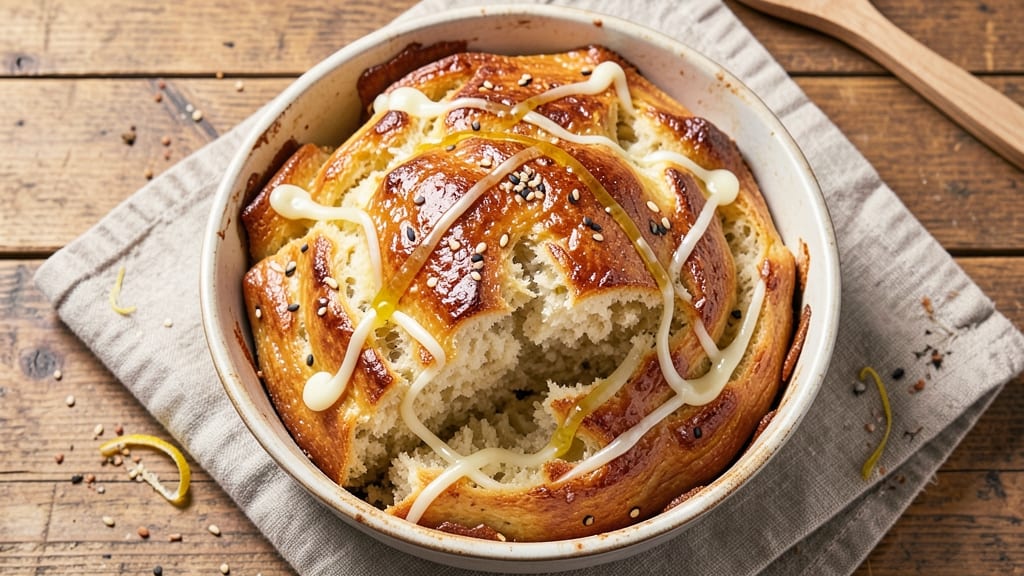
This Asiago cheese bread recipe delivers the same gooey, pull-apart magic you crave from Panera, but with a foolproof method that works every time. The secret lies in a perfectly proofed dough layered with sharp Asiago cheese that melts into stretchy, golden perfection—no bakery skills required.
I've perfected this recipe after years of testing, ensuring the crust stays crisp while the interior remains tender and cheesy.
The process begins with a simple yeast dough that rises twice for maximum flavor and texture, followed by a generous layer of shredded Asiago cheese that transforms into molten, pull-apart strands when baked.
A high oven temperature creates that signature golden-brown crust, while a steam trick ensures the cheese stays gooey rather than dry. This recipe is designed to be your new go-to for game days, holidays, or any occasion when you want restaurant-quality bread without the hassle.
What you'll end up with is a loaf of bread that's crisp on the outside, soft and stretchy inside, and packed with that irresistible Asiago flavor in every bite.
The aroma alone will have everyone gathering around your kitchen, and the first pull-apart reveal is always met with oohs and ahhs. This recipe makes two loaves, so you can enjoy fresh bread now and save the second for later—if it lasts that long.
Serve warm with marinara for dipping or alongside soups and salads. The beauty of this recipe is its versatility—it works as a side dish, appetizer, or even a main attraction when paired with hearty meals. Let's get started on creating your own bakery-style Asiago cheese bread at home.
Ingredients for asiago cheese bread panera
Gather these simple ingredients for bakery-style Asiago cheese bread that's crisp outside and gooey inside.
| Ingredient | Amount | Notes |
|---|---|---|
| Active Dry Yeast 🍞 | ¼ tsp | Ensure yeast is fresh |
| Warm Water 💧 | ¾ cup | 110°F for optimal yeast activation |
| All-Purpose Flour 🌾 | 5 cups | King Arthur or Gold Medal preferred |
| Granulated Sugar 🍚 | ½ tsp | Feeds yeast for rise |
| Salt 🧂 | 1 tsp | Diamond Crystal preferred |
| Unsalted Butter 🧈 | ½ cup | Cold, cubed for dough |
| Shredded Asiago Cheese 🧀 | 2 cups | Freshly shredded, sharp variety |
| Large Egg 🥚 | 1 whole | Room temperature for mixing |
| Extra-Virgin Olive Oil 🫒 | ½ tsp | For greasing loaf pans |
| Cornmeal 🌽 | ¼ cup | For dusting loaf pans |
| Ice Water ❄️ | ¼ cup | For final dough shaping |
The yeast is non-negotiable here—King Arthur or Gold Medal flour gives the best texture. I always grab my yeast from Whole Foods or the bulk section at Trader Joe's—it's fresher than those little packets. For the Asiago, Boar's Head is my go-to, but any sharp, freshly shredded variety works. The butter should be cold—Land O'Lakes or Organic Valley are reliable. If your butter's been in the fridge too long, microwave it for 20 seconds to soften before cubing.
No sharp Asiago? Parmesan or white cheddar in a pinch, but it won't be the same. Running short on flour? Substitute half with bread flour for extra chewiness. The egg can be omitted if you're vegan, but trust me—it adds that golden finish. For the olive oil, California Olive Ranch is my favorite for greasing pans. If you're making this ahead, prep the dough and cheese mixture, then let it rise overnight in the fridge for even better flavor.
This dough needs time to rise—at least 1 hour at room temp, then another 30 minutes in a warm oven. The cheese will melt into golden strands when baked at 425°F. Store leftovers wrapped in foil for 2 days or freeze for 3 months. I always make two loaves—one for now, one for later. The second one reheats beautifully in a 350°F oven for 10 minutes with a splash of water in the pan for steam.
Why You'll Love This Recipe
- No-Knead Magic: I swear by this dough—just toss in the yeast, warm water, and flour, let it rise while I sip coffee. No standing at the counter, no sticky hands, just pure ease.
- Melty Perfection: That first bite of gooey asiago pulling apart? It’s the kind of texture that makes you close your eyes. The sugar in the dough caramelizes just enough to balance the sharp, salty cheese.
- Breakfast to Brunch: Honestly, this bread is my lazy weekend hero. Toast it for breakfast, tear it into chunks for a charcuterie board, or freeze slices to reheat later—it’s always a win.
- Budget-Friendly Stretch: A single batch feeds my family for days. The yeast and flour cost pennies, and the asiago stretches further than store-bought loaves. Plus, leftovers? They disappear faster than I can reheat them.
Step-by-step instructions for Asiago cheese bread
This dough comes together beautifully with just a few simple steps—no fancy equipment needed.
Activate the Yeast and Mix the Dough
In a large mixing bowl, combine the 0.25 tsp active dry yeast with the 0.75 cup warm water (about 110°F). Let it sit for 5-10 minutes until it becomes foamy—this means your yeast is alive and ready to work. If it doesn’t foam, your yeast might be old, and you’ll need to start over.
Once foamy, add the 0.5 tsp granulated sugar and stir to dissolve. Then, whisk in the 5 cups all-purpose flour and 1 tsp salt until just combined. Cut in the 0.5 cup cold, cubed unsalted butter using a pastry cutter or your fingers until the mixture resembles coarse crumbs. This step is crucial for creating a tender, flaky texture.
Add the 1 whole large egg and mix until the dough starts to come together. If it’s too dry, add 1 tablespoon of ice water at a time until it forms a soft, slightly sticky ball. Knead the dough on a lightly floured surface for 5-7 minutes until smooth and elastic. You’ll know it’s ready when it springs back slowly when poked.
First Rise and Prepare the Loaf Pan
Lightly grease a 9x5-inch loaf pan with the 0.5 tsp extra-virgin olive oil, then dust it generously with 0.25 cup cornmeal. This prevents sticking and adds a subtle crunch. Place the dough in the pan, cover it with a clean kitchen towel, and let it rise in a warm place for 1-1.5 hours, or until it has doubled in size.
Here’s the thing—warmth is key for rising. If your kitchen is chilly, pop the bowl near a slightly warm oven (with the light on) or use a proofing box. The dough should look puffy and jiggly when ready. Gently press your finger into the dough; if it leaves a slow, deliberate indent, it’s perfect.
While the dough rises, shred the 2 cups sharp Asiago cheese using a box grater or food processor. Freshly shredded cheese makes all the difference—it melts more evenly and delivers that signature gooey pull-apart magic.
Shape, Add Cheese, and Second Rise
Once the dough has risen, turn it out onto a lightly floured surface and gently shape it into a 9x5-inch rectangle, about 1-inch thick. This is where the fun begins—sprinkle the shredded Asiago cheese evenly over the dough, leaving a ½-inch border around the edges. This ensures the cheese stays gooey and doesn’t leak out during baking.
Carefully roll the dough into a tight log, starting from the long side. Seal the seam by pinching it gently with your fingers. Place the log seam-side down in the prepared loaf pan, cover it again, and let it rise for another 30-45 minutes until it puffs up slightly. The cheese should peek out a bit at the edges—this is a good sign!
Bake to Golden Perfection
Preheat your oven to 375°F. Bake the cheese bread for 30-35 minutes until the top is golden brown and the internal temperature reaches 190°F. The cheese should be fully melted and bubbly, with a few spots where it’s oozing out—this is what makes it irresistible.
If the top browns too quickly, tent the loaf with aluminum foil to prevent over-browning while the center finishes cooking. The bread is done when it sounds hollow when tapped on the bottom. Let it cool in the pan for 10 minutes before slicing—this helps the cheese set slightly so it doesn’t run everywhere.
Serve Warm and Enjoy
Slice the bread into ½-inch thick pieces and serve it warm. The cheese should be stretchy, gooey, and just slightly crispy on the edges. For extra flair, drizzle with a little extra-virgin olive oil or sprinkle with flaky sea salt right before serving. Pair it with a warm bowl of soup or enjoy it as a snack with a cup of coffee.
This bread keeps well at room temperature for 2-3 days in an airtight container, but it’s best enjoyed fresh while the cheese is still melty and delicious. Store leftovers in the fridge and reheat in the oven at 350°F for 5-10 minutes to restore that pull-apart magic.
Pro Tips For Making Asiago Cheese Bread Panera
- Test Yeast First: Sprinkle that packet of yeast into warm water with a pinch of sugar—if it doesn’t bubble within 5 minutes, toss it. I learned this the hard way after baking a dense, flavorless loaf because my "fresh" yeast was actually expired. Better to know now than waste a batch.
- Salt the Dough Early: Mix the salt into the flour before adding yeast—this prevents uneven flavor and lets it distribute fully during kneading. I used to add it last, and the first bite always tasted flat in spots. Trust me, the cheese will thank you later.
- Knead Until Silky: Stop when the dough springs back slowly after pressing it (about 8–10 minutes by hand). Over-kneading makes asiago bread tough, but under-kneading means it won’t hold its shape or get that perfect chewy bite. Your arms will protest, but push through—it’s worth it.
- Preheat with Steam: Place a metal tray on the oven rack before preheating, then pour 1 cup of boiling water into it when loading the bread. The steam mimics a bread basket’s humidity and guarantees a crisp crust without drying out the cheese. I skipped this once and got a sad, crackly loaf. Don’t repeat my mistake.
Best sauces and condiments for asiago cheese bread panera
Classic Marinara Dip
This bread is made for dipping in warm marinara sauce. I recommend using a San Marzano tomato-based sauce like Rao’s or Muir Glen—their natural sweetness complements the sharp Asiago perfectly.
Simmer 1 cup marinara with 1 minced garlic clove and ½ tsp red pepper flakes for 10 minutes before serving. The acidity cuts through the richness of the cheese, creating the ideal balance. 🍅
Garlic-Herb Butter
For a richer option, melt ½ cup unsalted butter with 2 minced garlic cloves, 1 tbsp fresh parsley, and ½ tsp dried thyme until fragrant. Brush this mixture over warm slices of bread just before serving.
The garlic enhances the Asiago’s nuttiness while the herbs add freshness. I love using Land O’Lakes European-style butter for extra flavor depth.
Spicy Honey Glaze
Sweet and spicy is a match made in heaven with this bread. Mix 2 tbsp honey with 1 tsp hot honey (like Cholula Chili Honey) and a pinch of salt.
Drizzle over slices just before eating—the heat from the honey balances the bread’s savory richness. This combo is especially popular during game day gatherings. 🌶️
Balsamic Reduction
For a sophisticated touch, reduce ¼ cup balsamic vinegar with 1 tbsp brown sugar until syrupy. Drizzle over warm bread slices and sprinkle with flaky Maldon salt. The tangy-sweet contrast elevates the dish to restaurant-quality. I use Colavita balsamic vinegar for its deep, caramelized flavor.
Whipped Feta Dip
Blend ½ cup whipped feta (like Brick House Farms) with 2 tbsp sour cream, 1 tbsp lemon juice, and 1 tsp dried dill until smooth.
Serve chilled with bread slices for a creamy, tangy contrast. This dip works especially well if you’re avoiding dairy-heavy toppings but still want richness. ✨
Nutrition facts
Frequently asked questions
Can I use a different type of cheese instead of Asiago?
While Asiago delivers that signature sharp, nutty flavor, you can substitute with Parmesan or white cheddar for a milder taste. For a creamier texture, try mozzarella mixed with provolone. Just note that the melt and flavor will differ slightly—Asiago's sharpness is key to that authentic Panera-style pull-apart magic.
Why did my cheese bread turn out dry instead of gooey?
Dry bread usually means the cheese melted too quickly or the oven was too hot. First, ensure your oven is preheated to 375°F—not higher. Second, keep the cheese ½-inch from the edges when rolling the dough to prevent leakage. Finally, tent with foil if the top browns too fast before the cheese melts. The bread should be golden brown with bubbly, oozing cheese when done.
How do I make this recipe gluten-free?
Replace the all-purpose flour with a 1:1 gluten-free baking flour blend (like Bob's Red Mill) and add ½ tsp xanthan gum to improve texture. You may need to adjust the liquid slightly—start with 0.65 cups water instead of 0.75 cups and add more as needed. Keep in mind the texture will be slightly denser than traditional bread.
Can I make this bread ahead of time?
Shape the dough and cheese-filled log, then refrigerate overnight. When ready to bake, let it sit at room temperature for 1 hour to rise slightly before baking as directed. The cold dough will yield a denser but still delicious result. For reheating, wrap slices in foil and warm in a 350°F oven for 5-10 minutes to restore that gooey goodness.
What’s the best way to store leftovers?
Cool the bread completely, then wrap tightly in aluminum foil or store in an airtight container. It stays fresh at room temperature for 2-3 days or in the fridge for 5 days. For longer storage, freeze slices in a ziplock bag for up to 3 months. To reheat, bake at 350°F for 5 minutes or microwave for 10-15 seconds—just until warm and gooey.