
Side Dishes
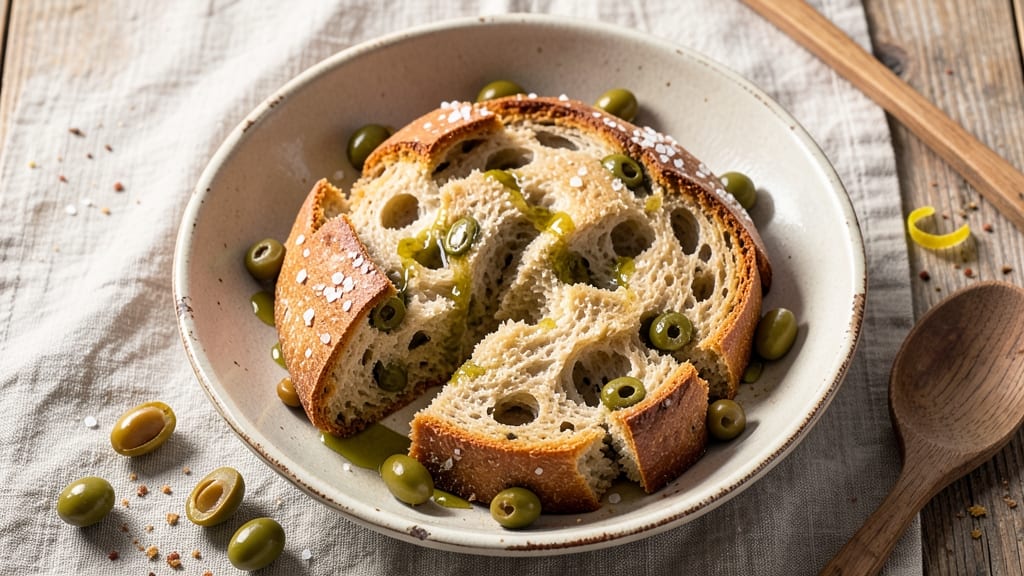
This artisan olive bread recipe transforms simple dough into a crusty masterpiece with herby depth from briny olives and aromatic herbs. The secret lies in blending olive paste into the dough, creating pockets of salty richness that burst with every bite.
I've perfected this technique over years of baking, ensuring a crisp exterior and tender crumb that holds up to any meal.
The process begins with a foolproof dough formula that incorporates both chopped olives and infused olive oil, balancing their bold flavors with traditional bread elements. Kneading develops gluten for that signature crusty texture, while proper proofing ensures a light, airy interior.
This isn't just bread—it's a flavor experience that elevates any table.
What you'll achieve is a loaf with golden-brown crust and a tender crumb speckled with olives, finished with a drizzle of extra-virgin olive oil and flaky sea salt.
The aroma alone will have everyone gathering around your table. Each slice delivers layers of texture—crisp edges, soft interior, and bursts of briny olive flavor.
Perfect for serving alongside soups, charcuterie boards, or as a standalone centerpiece. The recipe scales beautifully for gatherings or meal prep. Let's create this restaurant-quality bread at home—where every bite tells a story of Mediterranean tradition meets modern baking science.
Ingredients for artisan olive bread
Twelve ingredients blend Mediterranean tradition with modern baking science for restaurant-quality artisan bread.
| Ingredient | Amount | Notes |
|---|---|---|
| All-Purpose Flour 🌾 | 5 cups | High-protein for better gluten development |
| Extra-Virgin Olive Oil 🫒 | ½ cup | For dough and finishing drizzle |
| Instant Yeast 🍞 | 2 ¼ tsp | Ensures reliable fermentation |
| Granulated Sugar 🍚 | 1 tbsp | Feeds yeast for activation |
| Diamond Crystal Kosher Salt 🧂 | 1 ½ tsp | Fine grain for even distribution |
| Pitted Green Olives 🫒 | ¾ cup | Chopped, brined variety preferred |
| Fresh Rosemary 🌿 | 1 tbsp | Finely chopped, aromatic leaves |
| Fresh Thyme 🌿 | 1 tbsp | Leaves only, finely chopped |
| Warm Water 💧 | 1 ½ cups | 105-110°F for ideal yeast activation |
| Flaky Sea Salt 🧂 | 1 tsp | For final crust enhancement |
| Cornmeal 🌽 | ¼ cup | For dusting baking surface |
| Olive Paste 🫒 | ¼ cup | Homemade or quality store-bought |
The olive paste and chopped olives are the heart of this recipe—look for high-quality extra-virgin olive oil with a peppery finish and brined olives with firm texture. Whole Foods or specialty olive oil shops carry superior varieties. Fresh herbs like rosemary and thyme should be vibrant green, not wilted. If using dried herbs, reduce to one-third the amount. The flour is critical: King Arthur or Caputo Tipo 00 yield the best results for that signature crusty exterior. For the yeast, Saf-Instant is my go-to—it activates quickly without needing to dissolve first.
No olive paste? Blend 0.5 cup pitted olives with 2 tbsp olive oil until smooth. Substituting fresh herbs? Dried works at one-third the amount, but fresh delivers that aromatic depth. Running low on extra-virgin olive oil? Light olive oil works for dough, but reserve the premium for finishing drizzle. The cornmeal is optional but prevents sticking—Bob's Red Mill is a reliable brand. For a gluten-free version, swap flour for a 1:1 bread flour blend, though texture will differ. The sea salt matters: Maldon or Jacobsen flakes create that signature crunch.
Store the dough in an airtight container for up to 24 hours in the fridge before baking. The baked loaf keeps at room temperature for 3 days wrapped in a cotton towel, or 1 week frozen. For reheating, wrap slices in foil and warm in a 350°F oven for 5 minutes. The olives and herbs intensify in flavor after baking—slice and enjoy within 2 days for peak freshness. Portion into individual slices for easy meal prep.
Why You'll Love This Recipe
- No-Knead Nightmare Solved: I swear by this dough—just mix, rest, bake. No punishing kneads or waiting hours; the instant yeast gets it rising in under an hour while you sip wine and pretend you’re not cooking.
- Olive Oil Magic: That rich, fruity olive oil isn’t just for drizzling—it infuses the bread with a buttery, almost nutty depth. The crust cracks open like a golden promise, and every bite tastes like a Mediterranean vacation.
- Weeknight Workhorse: Toss it in a lunchbox for school, tear it over salads, or use it to mop up olive oil like a sponge. It’s the one loaf that does double duty without begging for attention.
- Budget-Friendly Luxury: Flour, oil, yeast—these are pantry staples that won’t break the bank. One batch stretches into days, and the leftovers? Toast them until crispy for a snack that costs pennies but feels fancy.
Step-by-step instructions for artisan olive bread
This method delivers a perfectly balanced loaf with a crisp crust and tender interior infused with Mediterranean herbs and briny olives.
Mix the Dough with Olive and Herb Infusion
In a large mixing bowl, combine the 5 cups all-purpose flour with the 2.25 tsp instant yeast, 1 tbsp granulated sugar, and 1.5 tsp diamond crystal kosher salt. Whisk to evenly distribute the dry ingredients—this prevents pockets of undissolved yeast that could create uneven fermentation.
Create a well in the center and add the 0.5 cup extra-virgin olive oil and 1.5 cups warm water (between 105-110°F). Mix with a wooden spoon until a shaggy dough forms. The dough should be tacky but not sticky at this stage. If it's too dry, add 1 teaspoon warm water at a time until it comes together.
Transfer the dough to a clean work surface and knead for 8-10 minutes by hand, or use a stand mixer with a dough hook for 5-6 minutes on medium speed. The dough should become smooth and elastic, with a slight sheen on the surface. This indicates proper gluten development, which is critical for that signature artisan crunch.
Incorporate Olives and Herbs for Depth of Flavor
Return the kneaded dough to the mixing bowl. Finely chop the 0.75 cup pitted green olives (or pulse in a food processor) and add them to the bowl. Tear the 1 tbsp fresh rosemary and 1 tbsp fresh thyme into small pieces and distribute them evenly throughout the dough. Fold gently with a spatula to incorporate without overworking.
This is where the bread gets its signature character—the briny olives provide contrast to the rich olive oil, while the herbs add an aromatic complexity. The key is even distribution so every bite delivers balanced flavor. If the dough feels too stiff after adding the olives, add 1-2 teaspoons warm water and knead briefly to restore elasticity.
First Rise and Preparation for Shaping
Lightly oil a large bowl and place the dough inside. Cover with a damp kitchen towel or plastic wrap and let rise in a warm place for 1-1.5 hours, or until the dough has nearly doubled in size. The dough should feel springy when pressed gently—this indicates active fermentation.
While the dough rises, preheat your oven to 425°F with a Dutch oven inside for 30 minutes. This step is crucial for creating that signature artisan crust. The residual heat helps develop a deep, even color and crisp texture. Remove the Dutch oven from the oven and brush the interior lightly with extra-virgin olive oil to prevent sticking.
Shape and Score for Professional Results
Turn the risen dough onto a lightly floured surface and gently shape it into a 12-inch round loaf (or a batard shape if preferred). The dough should be smooth but not tight—press gently to encourage air bubbles without deflating it completely. This shaping creates the classic artisan look while ensuring even baking.
Transfer the shaped dough to the prepared Dutch oven. Using a sharp razor blade or serrated knife, score the top of the loaf in a crosshatch pattern (about ¼-inch deep). This not only looks beautiful but also controls expansion during baking, preventing cracks. Immediately return the Dutch oven to the oven.
Bake to Crisp Perfection and Finish with Olive Paste
Bake the bread for 30-35 minutes until the crust is deep golden brown and sounds hollow when tapped on the bottom. The internal temperature should reach 190-195°F at the center. If the crust isn't browning sufficiently, tent the Dutch oven with foil after 20 minutes and continue baking.
Remove the bread from the oven and let it cool on a wire rack for 10 minutes before brushing the top with olive paste mixed with 1 tsp flaky sea salt. This final step enhances the crust's texture and adds a luxurious finish. For extra crunch, sprinkle additional flaky sea salt over the top while the paste is still wet.
Serve warm or at room temperature. The bread should have a crisp exterior that gives way to a soft, herby interior with pockets of briny olives. Store leftovers wrapped in a clean kitchen towel to maintain freshness for up to 3 days.
Pro Tips For Making Artisan Olive Bread
- Use Room-Temperature Olive Oil: I learned this the hard way—pouring cold olive oil straight from the fridge into warm dough slows fermentation. Let that oil sit out for 30 minutes first, or even better, warm it slightly (just enough to make it pourable). The dough will absorb the oil more evenly, and your bread will stay moist longer without turning greasy.
- Dissolve Yeast in Warm Oil: Skip mixing yeast with water—it’s too aggressive for this dough. Instead, sprinkle the instant yeast directly into the olive oil (yes, even though it’s not liquid) and let it sit for 2 minutes. The oil’s fat coats the yeast gently, preventing overproofing later. This also means you can skip the sugar in the recipe entirely—your olive oil is sweet enough.
- Shape Loaf Tightly, Then Rest: Don’t skimp on the shaping. Pack that dough into the pan with firm pressure, like you’re trying to squeeze out every last air bubble. After shaping, let it rest for 10 minutes under a towel—this relaxes the gluten so it doesn’t spring back when baking. (Your future self will thank you when the crust isn’t cracking.)
- Bake with Steam, Then Dry: Start the bread in a cold oven (375°F) with a tray of boiling water on the rack below. The steam helps create that crackly crust, but after 10 minutes, remove the tray and crank the heat to 425°F. This two-step method gives you both a crisp exterior and a tender interior without burning the olive oil flavor. (Yes, even if you’re impatient like me.)
Creative variations of this dish
Mediterranean Olive Twist
Swap the green olives for a mix of Kalata olives and black olives for deeper flavor complexity. Kalata olives have a meaty texture and intense brininess, while black olives add richness.
Use ½ cup each and finely chop them before mixing into the dough. For extra Mediterranean flair, add ½ tsp dried oregano alongside the fresh rosemary and thyme. 🌿
Garlic-Herb Infusion
Boost the flavor profile by infusing the olive oil with garlic before mixing it into the dough. Heat ½ cup extra-virgin olive oil with 3 minced garlic cloves and 1 tsp red pepper flakes over low heat for 3 minutes, then let cool.
This creates a fragrant base that elevates the entire loaf. Use this infused oil instead of plain olive oil in the recipe. 🧄
Rosemary-White Bean
Add a hearty twist by incorporating ½ cup white beans (like cannellini or great northern) into the dough. Blend the beans with 2 tbsp olive oil until smooth, then mix into the dough along with the chopped olives.
This adds moisture and a subtle earthiness that pairs beautifully with rosemary. For extra texture, sprinkle toasted pine nuts on top before baking. 🌱
Spicy Chili Olive
For a bold kick, mix 1 tbsp chili flakes and 1 tsp smoked paprika into the olive paste before adding it to the dough. Use ½ cup pitted green olives and ½ cup pitted black olives for a mix of flavors.
The heat from the chili flakes complements the briny olives and adds a smoky depth. Finish with a drizzle of hot honey for a sweet-spicy contrast. 🌶️
Lemon-Zest Brightness
Brighten the dough with 1 tbsp lemon zest and 1 tbsp lemon juice mixed into the wet ingredients. The citrus cuts through the richness of the olives and olive oil, adding a refreshing note.
Use ½ cup chopped green olives and 1 tbsp chopped fresh parsley for a fresh, herby finish. The zest also enhances the crust's color for a golden-brown hue. 🍋
Savory Tomato Olive
Add a touch of umami by incorporating ¼ cup finely chopped sun-dried tomatoes into the dough along with the olives. The tomatoes pair beautifully with the briny olives and olive oil, creating a rich, savory flavor.
For extra depth, add 1 tsp dried basil to the dough. This variation works especially well as a side for hearty pasta dishes or roasted meats. 🍅
Nutrition facts
Frequently asked questions
Can I substitute store-bought olive paste for homemade?
Quality store-bought olive paste works perfectly—just ensure it's made from extra-virgin olive oil and contains no added preservatives. Look for brands with minimal ingredients (olives and oil only). For best results, blend ½ cup pitted olives with 2 tbsp olive oil if you prefer homemade control.
Why did my olive bread turn out dense instead of crusty?
Dense bread usually means underdeveloped gluten or insufficient proofing. Knead the dough for the full 8-10 minutes by hand to build structure, and ensure it doubles in size during the 1-1.5 hour rise. Also, verify your yeast is fresh—old yeast won't activate properly. Preheating the Dutch oven properly is key for that signature crust!
How do I store olive bread to keep it fresh longer?
Wrap the cooled loaf tightly in a clean kitchen towel (not plastic) and store at room temperature for up to 3 days. For longer storage, freeze slices wrapped individually in parchment paper for 1 month. To revive, warm slices at 350°F for 5 minutes wrapped in foil. The towel prevents sogginess while maintaining crispness.
Can I make this recipe without a Dutch oven?
Yes! Use a heavy baking sheet or cast-iron skillet instead. For extra crispiness, bake the loaf on the lower oven rack at 425°F for 35-40 minutes, then broil for 2-3 minutes at the end. Brush with olive oil halfway through baking for added color. The texture won't be identical, but it'll still be delicious.
What's the best way to reheat sliced olive bread?
Wrap slices in foil and warm in a 350°F oven for 5-7 minutes to restore crispness. For a quick fix, toast in a dry skillet over medium heat for 1-2 minutes per side. Microwaving (even on low) makes bread gummy—avoid this method entirely. The olive oil in the crust needs gentle heat to crisp up properly.