
Side Dishes
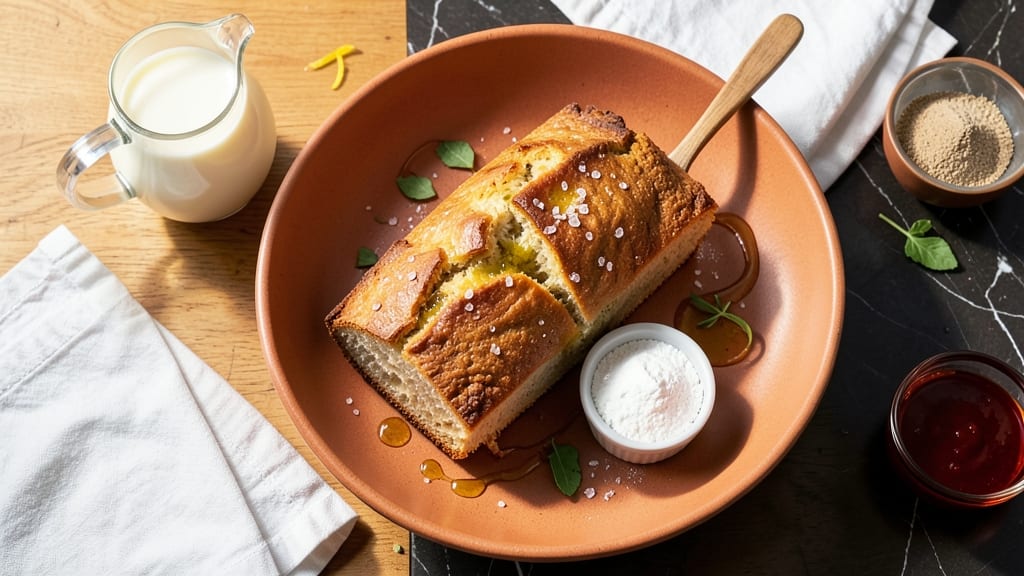
This arrowroot bread recipe delivers a surprisingly light, fluffy loaf using just arrowroot flour—no gluten, no dairy, and no compromise on texture. The secret lies in proper hydration and a gentle rise, creating a bread that's soft yet sturdy enough for sandwiches or toast.
I've perfected this version after years of experimenting with grain-free baking, and it's become a staple in my kitchen for its versatility and dietary benefits.
The beauty of arrowroot bread is its adaptability—it works as a classic sandwich loaf, a quick flatbread, or even a slightly dense quick bread. What makes this recipe work is the combination of arrowroot flour's natural binding properties with a touch of psyllium husk for structure.
Unlike many gluten-free breads, this one doesn't require special ingredients or complicated techniques, making it perfect for both beginners and experienced bakers.
By the time you pull it from the oven, you'll have a golden-brown loaf with a slightly crisp crust and a tender, moist interior that holds up beautifully to buttery spreads or hearty fillings.
The aroma alone will have everyone asking what you've been hiding in your pantry. This bread freezes well too, so you can bake a batch and enjoy it all week.
Whether you're avoiding gluten, cutting grains, or simply looking for a lighter bread option, this recipe delivers restaurant-quality results at home. The best part? It's simple enough to make on a weeknight but impressive enough for company. Let's get baking!
Ingredients for arrowroot bread
Nine simple ingredients transform into a golden, fluffy loaf that rivals traditional bread.
| Ingredient | Amount | Notes |
|---|---|---|
| Arrowroot Flour 🌾 | 3 cups | Sifted for even texture |
| Psyllium Husk Powder 🌿 | 2 tbsp | Essential for structure |
| Unsweetened Almond Milk 🥛 | 1 ½ cups | Room temperature preferred |
| Extra-Virgin Olive Oil 🫒 | ½ cup | For moisture and richness |
| Apple Cider Vinegar 🍎 | 1 tbsp | Activates psyllium husk |
| Sea Salt 🧂 | 1 ½ tsp | Diamond Crystal preferred |
| Baking Powder 🍞 | 1 tsp | Aluminum-free for best results |
| Maple Syrup 🍁 | 2 tbsp | For subtle sweetness |
| Ground Flaxseed 🌱 | 1 tbsp | Mixed with water for egg substitute |
| Water 💧 | ¼ cup | For flaxseed mixture |
| Sesame Seeds 🌻 | 1 tbsp | For topping (optional) |
Arrowroot flour is the star here—Bob's Red Mill or Anthony's Goods are my go-tos for consistent quality. The psyllium husk powder might be tricky to find, but health food stores or the baking aisle at Whole Foods usually carry it. If you can't find psyllium husk powder, Metamucil plain powder works in a pinch (just use the same amount). For the almond milk, unsweetened is a must—Silk or So Delicious brands are reliable. The olive oil should be extra-virgin for that rich flavor, but don't stress if you only have regular—just know it won't taste quite as luxurious.
No arrowroot flour? Tapioca starch can replace it at a 1:1 ratio, though the texture will be slightly denser. Swapping the almond milk for oat or soy milk works too, but the flavor might differ slightly. If you're avoiding nuts entirely, coconut milk is a great alternative. The maple syrup can be swapped for agave nectar or date syrup if you prefer. For the flaxseed mixture, make sure to let it sit for at least 5 minutes to fully thicken—this is your egg substitute doing its job. And if you're feeling fancy, try toasting the sesame seeds in a dry pan for 1 minute before sprinkling them on top for extra crunch.
This bread keeps beautifully for 3-4 days at room temperature wrapped in a clean kitchen towel, or up to 1 week in an airtight container. For longer storage, slice it and freeze the pieces—3 months is no problem. I like to reheat slices in a toaster or at 350°F for 5 minutes to revive that fresh-baked aroma. The leftovers make amazing toast or French toast—just brush with a little more maple syrup and cook until golden. And if you bake a batch, trust me, it'll disappear fast—this bread is that good.
Why You'll Love This Recipe
- No Mixer Needed: I swear by this recipe because it’s actually just stirring. No kneading, no waiting for dough to rise—just whisk those arrowroot and psyllium husks with almond milk until smooth, let it sit for 10 minutes, and bake. That’s it. My lazy Sundays just got a lot easier.
- Nutty, Tangy Crust: The olive oil and apple cider vinegar give this bread a serious depth—like a buttery, slightly tangy hug in every bite. Honestly, the psyllium husk adds this subtle earthiness that makes it taste way more complex than it looks. Perfect for people who want flavor without the fuss.
- Meal Prep MVP: This bread stays fresh for days (yes, even without a fridge) and slices beautifully for toast, sandwiches, or dipping. I make a batch on Sundays, freeze half, and still have crispy edges weeks later. Between us, it’s my go-to for quick lunches or last-minute guests.
- Budget-Friendly Staple: Arrowroot and psyllium husk are cheap, and almond milk stretches further than you’d think. I’ve made this for under $2 a loaf, and it’s way more satisfying than store-bought. Plus, the olive oil and vinegar add richness without breaking the bank—just don’t tell my wallet I said that.
Step-by-step instructions for arrowroot bread recipe
Here's how to create a light, fluffy loaf that rises beautifully without gluten or dairy.
Prepare the Flaxseed Egg Substitute
In a small bowl, combine the 1 tablespoon ground flaxseed with the 0.25 cup water. Stir well and let it sit for 5 minutes until it thickens into a gel-like consistency. This is your egg substitute, and it's crucial for binding the bread. The mixture should be smooth and slightly sticky—if it's too thick, add a splash more water.
While you wait, measure out all your dry ingredients in a separate large bowl. Sift the 3 cups arrowroot flour to break up any clumps and create a fine, even texture. This prevents dense pockets in your bread. Set it aside for now—you'll need it in the next step.
Mix Wet Ingredients and Activate Psyllium
In a medium bowl, whisk together the 1.5 cups unsweetened almond milk, 0.5 cup extra-virgin olive oil, and 2 tbsp maple syrup until fully combined. The almond milk should be room temperature—this helps the psyllium husk activate properly. Add the 1 tbsp apple cider vinegar and stir again. The mixture will look slightly curdled, but that's normal.
Now add the flaxseed gel, 1.5 tsp sea salt, and 1 tsp baking powder to the wet ingredients. Gently stir until everything is incorporated. The psyllium husk powder will start to thicken the mixture—this is how it creates structure in gluten-free bread. Don't overmix; just combine until smooth.
Combine Wet and Dry Ingredients
Gradually add the dry ingredients to the wet mixture, stirring gently with a spatula. Start with about half the sifted arrowroot flour and mix just until combined before adding more. This prevents lumps from forming. The batter should be thick but pourable—similar to pancake batter. If it's too thick, add 1-2 tablespoons more almond milk to reach the right consistency.
Once fully combined, let the batter rest for 5 minutes. This allows the psyllium husk to fully hydrate and the arrowroot flour to begin absorbing the liquid. You'll notice the batter becomes even thicker during this time. If you're using the 1 tbsp sesame seeds, sprinkle them on top now or fold them in gently—they'll add a nice crunchy texture.
Shape and Bake for Perfect Rise
Preheat your oven to 350°F and lightly grease a 9x5-inch loaf pan with olive oil or line it with parchment paper. Pour the batter into the prepared pan and smooth the top with a spatula. Tap the pan gently on the counter a few times to release any air bubbles that might have formed.
Bake for 50-55 minutes, or until the top is golden brown and a toothpick inserted in the center comes out clean. The bread is done when it springs back slightly when pressed gently. If the top browns too quickly, tent the pan with foil after 30 minutes to prevent over-browning while the center cooks through.
Cool and Serve for Best Texture
Remove the bread from the oven and let it cool in the pan for 10 minutes. Then transfer it to a wire rack to cool completely. This cooling step is important—it allows the bread to set properly and prevents a gummy texture. If you cut it too soon, the arrowroot flour can release excess moisture.
Slice the bread into 8 equal portions (about 1-inch thick slices) and serve warm or at room temperature. The bread should be light, slightly sweet from the maple syrup, and have a tender crumb with a crisp exterior. Store any leftovers in an airtight container for up to 3 days, or freeze for longer storage.
Pro Tips For Making Arrowroot Bread
- Mix the Psyllium First: Mix the psyllium husk powder with the almond milk before adding arrowroot—it clumps like glue if you toss it in dry. Stir for 2 full minutes until it’s smooth as pudding, or your bread will turn out dense and chewy instead of light.
- Wait 10 Minutes After Mixing: I learned this the hard way—rushing to bake too soon makes the batter gummy. Let the arrowroot and psyllium sit together for 10 minutes; the flour absorbs liquid properly, and the texture becomes firm enough to hold shape without falling apart.
- Use Vinegar Slowly: Add the apple cider vinegar gradually—start with half the amount, wait 5 minutes, then adjust. Too much makes the bread tangy and dense; too little weakens the rise. Taste the batter: it should be just slightly acidic, like a mild yogurt.
- Preheat Pan to Medium-High: Skip the low-and-slow approach—this bread needs a hot start. Heat your pan to medium-high (375°F) for 5 minutes before adding oil. The sear locks in moisture and prevents the bottom from sticking, even without butter. (Yes, even if you’re impatient like me.)
Creative variations of these flavors
Sweet & Savory Variations
Transform your basic arrowroot bread into a cinnamon swirl loaf by folding in 2 tbsp brown sugar and 1 tsp cinnamon before baking, then topping with a swirl of cream cheese glaze (mix 2 tbsp cream cheese with 1 tbsp maple syrup).
For a savory twist, stir in 1 tbsp nutritional yeast and ½ tsp garlic powder for a cheesy, umami-rich flavor that pairs perfectly with soups or dips. 🌟
Flatbread Adaptations
Skip the loaf pan and shape the batter into a ¼-inch thick round on a parchment-lined baking sheet. Brush with olive oil and sprinkle with everything bagel seasoning or smoked paprika before baking at 375°F for 15-18 minutes until golden.
These flatbreads are ideal for wraps, dipping in hummus, or topping with avocado and chili flakes. Perfect for a quick, gluten-free meal!
Herb & Seed Boosts
Elevate your bread with fresh herbs and seeds! Fold in 2 tbsp chopped rosemary or thyme and 1 tbsp poppy seeds for an earthy aroma. For a nutty crunch, add ¼ cup chopped walnuts or pecans (toasted for extra flavor).
If you love seeds, try a mix of chia, pumpkin, and sunflower seeds—they add texture and omega-3s without overpowering the bread’s delicate taste.
Dairy-Free Cheese Bread
Create a vegan cheddar version by folding in ½ cup shredded dairy-free cheddar (like Violife or Daiya) and a pinch of turmeric for color into the batter before baking. For a melty effect, top with extra shreds and bake until bubbly.
This version is a game-changer for sandwiches or as a side with tomato soup. The psyllium husk keeps it sturdy enough to hold up to melty cheese! 🧀
Seasonal Fruit Twists
Incorporate seasonal fruits like blueberries, raspberries, or diced apple for a naturally sweetened loaf. Gently fold in ½ cup mixed berries (tossed in 1 tsp flour to prevent sinking) or ½ cup finely diced apple with ½ tsp cinnamon.
These variations work especially well in a quick bread format—bake in a greased 8-inch round pan for 30-35 minutes at 350°F**. 🍓
Nutrition facts
Frequently asked questions about arrowroot bread
Why does my arrowroot bread turn out dense instead of light?
Dense bread usually means either overmixing the batter or skipping the 5-minute rest before baking. Arrowroot flour needs time to hydrate properly—don't rush this step! Also, make sure your psyllium husk is fully activated by using room-temperature almond milk and letting the mixture thicken. If it's still too dense, try adding 1 extra tablespoon of almond milk next time.
Can I make this bread without psyllium husk?
Psyllium husk is key for structure, but you can substitute with 2 tbsp ground chia seeds mixed with 3 tbsp water (let it thicken for 10 minutes). The texture will be slightly different—more delicate but less sturdy. For sandwiches, this version works best fresh. If you're avoiding seeds too, try 1 extra tbsp flaxseed meal but expect a denser crumb.
How do I store arrowroot bread to keep it fresh?
Wrap cooled slices in a clean kitchen towel and store in an airtight container at room temperature for 3 days. For longer storage, freeze individual slices wrapped in parchment paper—they'll stay fresh for 3 months. To revive stale bread, warm slices in a toaster or at 350°F for 5 minutes until crisp again. The towel wrapping prevents sogginess better than plastic!
Is arrowroot bread suitable for people with nut allergies?
This recipe uses almond milk, but you can easily swap it for oat, coconut, or soy milk to avoid nuts. Just ensure the milk is unsweetened and room temperature. The rest of the recipe remains the same—arrowroot flour itself is nut-free. Always double-check labels on psyllium husk and other ingredients to confirm they're processed in nut-free facilities.
Can I use this batter for flatbread instead of a loaf?
Spread the batter ¼-inch thick on a parchment-lined baking sheet and bake at 375°F for 15-18 minutes until golden. For extra flavor, brush with olive oil and sprinkle with everything bagel seasoning or smoked paprika before baking. These flatbreads work perfectly for wraps, dipping, or as a side. The psyllium husk makes them sturdy enough to hold fillings!