
Side Dishes
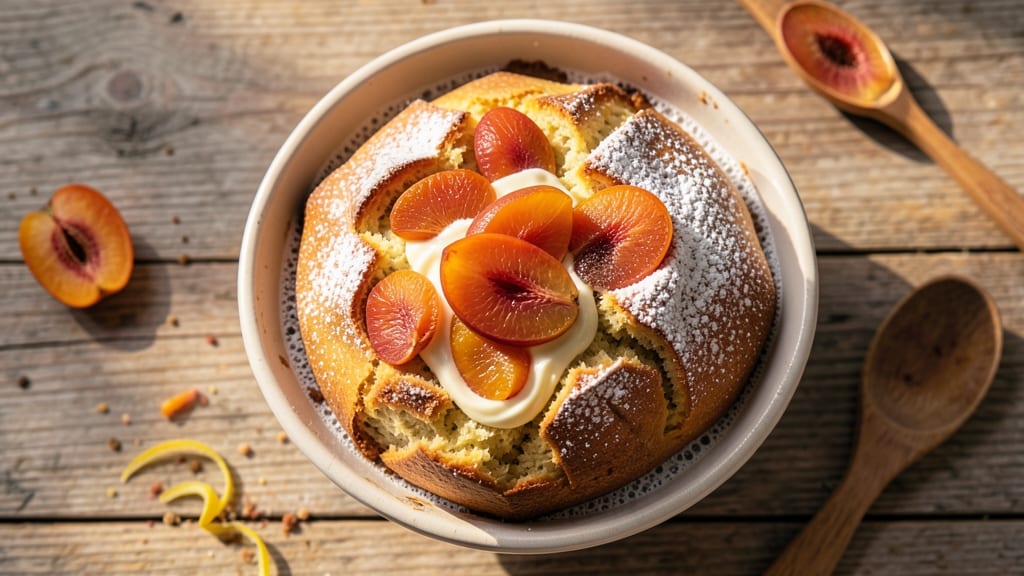
This apricot sweet bread recipe transforms a simple loaf into a showstopping centerpiece with its signature buttery swirls and fragrant apricot filling. The secret lies in a tender brioche-style dough that yields to a golden, crackly crust—perfect for breakfast, brunch, or dessert.
I developed this version after years of baking, balancing richness with just enough sweetness to make every slice irresistible.
The dough starts with a simple yeast mixture, enriched with butter and eggs for that luxurious texture, while the apricot filling can be customized—whether you prefer homemade jam, store-bought compote, or fresh fruit.
The swirl technique ensures every bite delivers that perfect balance of flaky crust, soft bread, and bursts of apricot flavor. This recipe delivers restaurant-quality results without requiring advanced skills.
By the time it emerges from the oven, your bread will be golden-brown with crisp edges and a tender crumb, the apricot filling peeking through the swirls like edible art.
The aroma alone will have everyone gathering around the table, and the first bite delivers that perfect harmony of buttery richness and fruity sweetness. This is the kind of bread that disappears faster than you can slice it.
Serve warm with a dusting of powdered sugar or a drizzle of honey for an extra touch of elegance. The recipe scales beautifully for gatherings, and leftovers reheat perfectly for quick breakfasts. Here’s how to create this crowd-pleasing masterpiece from scratch.
Ingredients for apricot sweet bread
Twelve ingredients for a showstopping bread with golden swirls and apricot magic.
| Ingredient | Amount | Notes |
|---|---|---|
| Active Dry Yeast 🍞 | 2 ¼ tsp | One packet for convenience |
| Warm Whole Milk 🥛 | 1 cup | 110°F, not hot |
| Granulated Sugar 🍚 | ¼ cup | For dough sweetness |
| Large Eggs 🥚 | 2 whole | Room temperature preferred |
| Unsalted Butter 🧈 | ½ cup | Cold, cubed for dough |
| All-Purpose Flour 🌾 | 4 ½ cups | Plus extra for dusting |
| Salt 🧂 | ½ tsp | Kosher or sea salt |
| Apricot Filling 🍑 | 1 ½ cups | Homemade jam or store-bought |
| Powdered Sugar 🍚 | ¼ cup | For dusting finished bread |
| Large Egg Yolk 🥚 | 1 whole | For egg wash |
| Honey 🍯 | 1 tbsp | For drizzling (optional) |
| Vanilla Extract 🌸 | 1 tsp | For dough enrichment |
The yeast is your secret weapon here—freshness matters! Grab a packet from the baking aisle (they're usually near the flour) or buy a small jar at Whole Foods if you bake often. The butter should be cold but not frozen—press it into the dough for that signature flakiness. King Arthur flour or Bob's Red Mill are my go-tos for consistent results, but any all-purpose will work. And trust me, room-temperature eggs mix in better than cold ones—just let them sit out for 30 minutes if they're straight from the fridge. The apricot filling can be store-bought (look for Smucker's or Bon Appétit brands) or homemade—simmer fresh apricots with sugar and lemon juice for a custom touch.
No apricot jam? Peach preserves or mango puree work in a pinch, though apricot's floral notes are unmatched. Short on butter? Coconut oil mimics the richness, but you'll lose that signature flavor. The dough might feel sticky—don't panic, that's normal! If your yeast is old, test it first: proof it in warm milk with a pinch of sugar—if it bubbles in 10 minutes, you're good to go. For extra decadence, add 1 tsp orange zest to the dough. And if you're feeling fancy, infuse the milk with a cinnamon stick while warming it for deeper flavor.
This bread is best made a day ahead—the flavors meld overnight like a fine wine. Wrap it tightly in plastic wrap and let it sit at room temperature. Reheat slices in a 350°F oven for 5-10 minutes to restore that warm, gooey center. Store leftovers in an airtight container for 3 days, or freeze dough portions for up to 3 months. Pro tip: Dust with powdered sugar right after baking while it's still warm—it melts into the crust for that bakery-fresh look. And if you're making it for a crowd, double the recipe—trust me, it disappears fast!
Why You'll Love This Recipe
- No Yeast Fuss: That packet of active dry yeast? It’s the secret to real ease—just toss it in warm milk and let the magic happen while you measure sugar and butter. No kneading marathon, no waiting for hours; this dough comes together faster than my coffee in the morning.
- Butter-Soft Perfection: The moment that egg-rich dough hits the oven, the butter melts into golden layers while the apricots caramelize just enough to make every bite taste like a bakery secret. Honestly, the first time I tried it, I nearly stole half the loaf from the pan.
- Breakfast or Snack Hero: Slice it warm for toast with jam, or pack it cold for lunch—this bread handles everything. My kids grab it for school, and my husband sneaks pieces when he thinks I’m not looking. (Between us, it’s his favorite.)
- Leftovers That Last: A single batch feeds my family for days, and it keeps better than store-bought. Freeze slices for quick toast later, or stash a whole loaf in the fridge—it stays fresh longer than my willpower around it. Budget win, flavor win.
Step-by-step instructions for apricot sweet bread
This buttery swirl bread comes together with just a few key techniques—let's make it shine.
Activate the Yeast and Mix the Dough
In a small bowl, combine the 1 cup warm whole milk (about 110°F) with the 2.25 tsp active dry yeast and 0.25 cup granulated sugar. Let it sit for 5-10 minutes until frothy—this tells you the yeast is alive and ready to work. If it doesn't bubble, your yeast might be dead, and you'll need to start over.
In a large bowl, whisk together the 2 whole large eggs, 0.5 cup unsalted butter (cold, cubed), 4.5 cups all-purpose flour, 0.5 tsp salt, and 1 tsp vanilla extract. Pour in the yeast mixture and mix with a wooden spoon until a shaggy dough forms. The dough should be soft but not sticky—if it's too dry, add 1-2 tablespoons warm milk. Knead by hand for 5 minutes until smooth and elastic. This step builds the gluten that gives your bread its structure.
Add the Apricot Filling and Shape the Loaf
Roll out the dough on a lightly floured surface into a 12x16-inch rectangle (about ¼-inch thick). Spread the 1.5 cups apricot filling evenly over the dough, leaving a ½-inch border around the edges. This prevents the filling from leaking out during baking. Fold the dough over the filling and pinch the edges tightly to seal.
Roll the sealed dough into a 16-inch log, then coil it into a 2-inch wide spiral on a parchment-lined baking sheet. This creates those beautiful buttery swirls. Cover the dough loosely with a clean kitchen towel and let it rise in a warm place for 1 hour or until nearly doubled in size. The dough should look puffy and jiggly when gently pressed—this means it's ready for the oven.
Bake to Golden Perfection
Preheat your oven to 350°F. Brush the risen dough with the 1 whole large egg yolk mixed with 1 tablespoon water for a glossy finish. Bake for 40-45 minutes until the top is deep golden brown and sounds hollow when tapped. If the top browns too quickly, tent the bread with foil to prevent over-browning.
While the bread bakes, prepare the honey glaze by mixing 1 tablespoon honey with 2 tablespoons warm water. As soon as the bread comes out of the oven, brush it generously with the glaze. Then dust the warm bread with 0.25 cup powdered sugar for that classic sweet bread finish. Let it cool on a wire rack for 10 minutes before slicing—this ensures clean cuts and prevents the filling from oozing out.
Serve Warm for Maximum Flavor
Slice the bread into 12 equal pieces (about 1-inch thick) and serve warm. The crust should be crisp and buttery, while the interior remains soft and pillowy. The apricot filling should be warm and gooey, creating the perfect balance of sweetness and tang. Pair with a cup of coffee or tea for the ultimate cozy treat.
This bread keeps well at room temperature for 2 days, but I promise it won't last that long—every slice is too delicious to resist! Store leftovers wrapped in plastic wrap to maintain freshness.
Pro Tips For Making Apricot Sweet Bread
- TEST THE YEAST FIRST: Skip the guesswork—mix 1 packet yeast with ¼ cup warm milk and 1 tsp sugar, then wait 5–10 minutes. If it doesn’t foam, your yeast is dead or your milk’s too hot, and you’ll need to start over. (Yes, even if you’re impatient like me.)
- USE COLD BUTTER: Cut that unsalted butter straight from the fridge into small cubes before mixing—it’ll create pockets of steam during baking, giving you a lighter, fluffier crumb. I learned this the hard way after a dense, greasy loaf made me question my life choices.
- DON’T OVERMIX THE DOUGH: Once you’ve combined the wet and dry ingredients, stop after 2–3 minutes of mixing by hand (or 3–4 minutes with a mixer). Overworking the dough kills the gluten, and your bread will turn out tough instead of tender. (Your future self will thank you.)
- BRUSH WITH MILK BEFORE BAKING: Before popping it in the oven, lightly brush the top of the shaped dough with warm milk and a pinch of sugar. This creates a golden, crackly crust and adds subtle sweetness—no extra effort, just better flavor. (It’s the thing that matters most.)
Regional styles of this recipe
Italian Brioche Swirl
Inspired by Italian panettone traditions, this version swaps apricot for orange marmalade and uses brioche dough enriched with 1 extra egg yolk and 1 tbsp brandy. The dough is rolled into a 20-inch log, coiled tightly, and baked in a preheated Dutch oven for a crispier crust.
Brush with 1 tbsp melted butter mixed with 1 tsp cinnamon sugar after baking for extra depth. 🌟
French Brioche à Tête
For a luxurious French touch, shape the dough into a brioche à tête (head) by forming a small ball at one end before coiling. Use apricot jam mixed with 1 tbsp Grand Marnier for the filling, and bake in a preheated cast-iron skillet for a rustic, crunchy exterior.
Dust with powdered sugar and sprinkle with toasted almond slivers for elegance. This version is a showstopper for holidays.
German Apfelstrudel Twist
Swap the brioche dough for a thin, flaky strudel dough (available at Whole Foods or make your own with 1 cup melted butter and 1 egg in the dough). Fill with apricot compote mixed with ½ cup chopped walnuts and 1 tsp cinnamon.
Roll tightly, brush with egg wash, and bake at 375°F for 30-35 minutes until golden. Serve with vanilla ice cream for a decadent dessert.
Southern U.S. Sweet Potato Swirl
Add a Southern flair by replacing apricot with sweet potato puree (mix 1 cup mashed sweet potato with 2 tbsp brown sugar and 1 tsp cinnamon). Use cornmeal in the dough (replace ½ cup flour with ½ cup cornmeal) for a slightly crunchy texture.
Brush the baked loaf with 1 tbsp honey butter (melt 2 tbsp butter with 1 tbsp honey) for a caramelized finish. Perfect for Thanksgiving or holiday gatherings. 🍠
Vegan Apricot Loaf
For a vegan version, replace the eggs with 2 flax eggs (mix 2 tbsp ground flaxseed with 6 tbsp water), use vegan butter (like Miyoko’s), and swap milk for unsweetened almond milk.
The dough will be slightly denser, so let it rise 30 minutes longer and bake at 325°F for 50-55 minutes. Top with vegan powdered sugar (like Confectioners’ Sugar by Bob’s Red Mill) for a guilt-free treat.
Japanese Melon Pan Fusion
Combine Japanese melon pan techniques by shaping the dough into a round loaf with a melon-like indentation on top. Fill with apricot jam mixed with 1 tbsp mirin and bake in a melon pan mold (available at Amazon or Asian markets).
Brush the baked loaf with 1 tbsp white miso glaze (mix 1 tbsp white miso paste with 1 tbsp water) for a savory-sweet contrast. Serve warm with matcha green tea for a unique twist. 🍈
Nutrition facts
Frequently asked questions
Can I make this sweet bread without yeast?
Yes! For a quick version, replace the yeast with 1.5 tsp baking powder and 1 tsp baking soda. Skip the first rise and bake immediately at 375°F for 30-35 minutes. The texture will be denser but still delicious—great for when you're short on time.
How do I store leftovers to keep them fresh?
Wrap the cooled bread tightly in plastic wrap or place it in an airtight container. It stays fresh at room temperature for 2 days. For longer storage, freeze slices wrapped individually—they reheat beautifully in a 350°F oven for 5-10 minutes. The filling stays gooey when reheated properly!
What if my dough doesn't rise properly?
Check your yeast first—it should bubble when mixed with warm milk and sugar. If not, your yeast may be dead. For a second attempt, try placing the dough in a warmer spot (like near the oven with the light on) or cover it with a damp towel to trap heat. Cold kitchens can slow yeast activity—give it 1.5 hours instead of 1.
Can I use fresh apricots instead of jam?
Simmer 2 cups pitted apricots with ¼ cup sugar and 1 tbsp lemon juice for 10 minutes until soft. Mash slightly before spreading on the dough. Fresh fruit adds vibrant flavor and a lighter texture compared to jam. Just reduce oven time by 5 minutes since fresh fruit releases more moisture.
Is there a way to make this gluten-free?
Yes, but with adjustments. Use a 1:1 gluten-free flour blend (like Bob's Red Mill) and add 1 tsp xanthan gum. Replace the yeast with 1.5 tsp gluten-free baking powder and reduce flour by ¼ cup since GF flours absorb differently. The texture will be slightly denser, but still delicious when served warm.