
Side Dishes
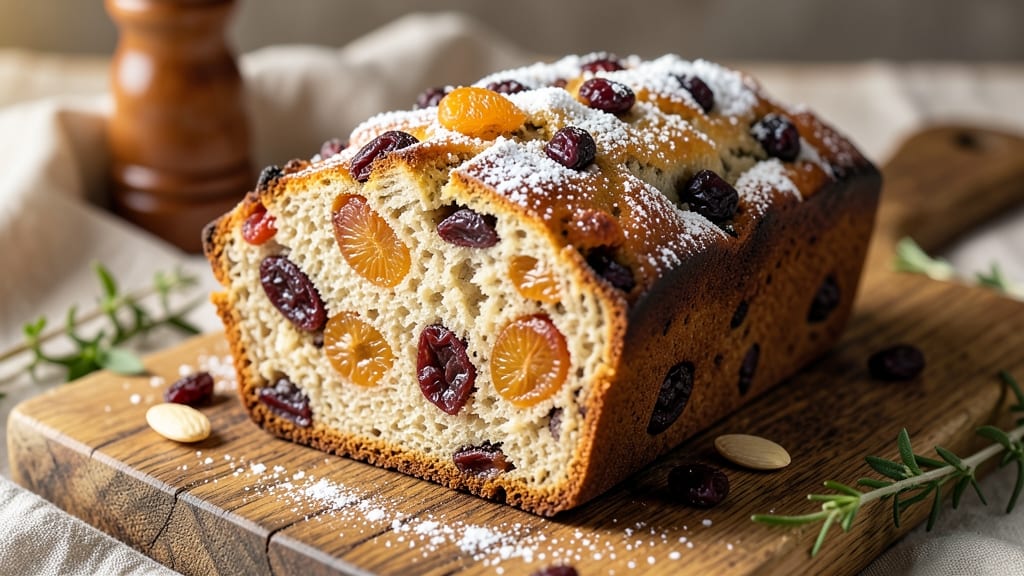
This apricot raisin bread recipe delivers a perfect balance of sweet, fruity swirls and buttery crust that makes every slice irresistible. 🌟 The secret lies in a simple dough enriched with tender dried apricots and plump raisins, creating pockets of jammy goodness with each bite.
I've perfected this recipe through years of baking, ensuring a soft, airy crumb that stays fresh for days.
The beauty of this bread is in its simplicity—just a few pantry staples and fresh ingredients come together to create something special. You'll start with a basic yeast dough, then fold in the fruit mixture before shaping it into a loaf.
The proofing process is key, allowing the dough to rise just enough for that perfect texture when baked at 350°F for about 30-35 minutes.
What you'll end up with is a golden-brown loaf with a crisp crust and tender interior, where each bite reveals juicy apricot and raisin pieces. The aroma alone will have everyone gathering around your kitchen, and the taste—sweet, fruity, and just slightly buttery—is pure comfort food at its best.
For an extra touch, brush the warm loaf with a light honey glaze before serving. This apricot raisin bread is perfect for breakfast, snacks, or even as a delicious side to any meal. Let's get started on making yours!
Ingredients for apricot raisin bread
Sweet apricots, plump raisins, and buttery richness—this bread needs just these ingredients for magic.
| Ingredient | Amount | Notes |
|---|---|---|
| All-Purpose Flour 🌾 | 5 cups | Spooned and leveled for accuracy |
| Granulated Sugar 🍚 | ¼ cup | Plus 2 tbsp for fruit mixture |
| Active Dry Yeast 🍞 | 2 ¼ tsp | Or 1 packet (7g) |
| Salt 🧂 | 1 tsp | Kosher or sea salt |
| Unsalted Butter 🧈 | ½ cup | Cold, cubed (not melted) |
| Milk 🥛 | ¾ cup | Warm (110°F) |
| Dried Apricots 🍑 | 1 cup | Chopped, not too fine |
| Raisins 🍇 | 1 cup | Plump, not shriveled |
| Cinnamon 🌿 | 1 tsp | Ground, for fruit mixture |
| Honey 🍯 | 2 tbsp | For fruit mixture glaze |
| Large Egg 🥚 | 1 whole | Room temperature |
| Vanilla Extract 🌸 | 1 tsp | Pure vanilla preferred |
The dried apricots and raisins are the stars, so pick plump, moist ones—none of that dusty, shriveled stuff. I grab mine from the bulk bins at Whole Foods or Trader Joe's because they're fresher than the packaged versions. For the flour, King Arthur or Gold Medal are my go-tos—they give that perfect airy crumb. And that yeast? Fresh is best—if it's over a few months old, it might not activate properly. Keep it in the fridge until you're ready to use it, and make sure your milk is warm (110°F) to help it wake up. The butter should be cold—this keeps the dough from getting too soft and sticky.
No dried apricots? Substitute with chopped dates or figs—just toss them in warm water for 10 minutes first to plump them up. Raisins too expensive? Use dried cranberries or chopped dried pineapple for a different twist. Short on vanilla? Almond extract works too, but cut it to half a teaspoon—it's stronger. The honey glaze can be swapped for a simple egg wash if you're avoiding honey (just beat the egg with a splash of milk). And if you're making this ahead, freeze the shaped loaf before baking—it'll keep for up to 3 months, and you can just bake straight from frozen (add 10-15 minutes).
This bread is at its best the first day out of the oven, but it stays fresh for 3-4 days if wrapped tightly in plastic. For longer storage, slice it and freeze the pieces—just thaw at room temperature for 10 minutes before serving. The honey glaze? Brush it on right after baking while the bread is still warm. It sets quickly and adds that gorgeous sheen. And if you're feeling fancy, sprinkle a little flaky sea salt on top before serving—trust me, it takes it to the next level.
Why You'll Love This Recipe
- No Yeast Fuss: I swear by this dough—just mix, let it rise once, then bake. No punching down, no waiting hours. The butter and sugar do most of the work while you sip coffee and scroll.
- Sweet-Savory Magic: That caramelized sugar from the butter? It’s like a hug in bread form. The apricots and raisins burst with jammy warmth, but the flour keeps it sturdy enough to slice thick—no crumbly mess.
- Breakfast to Picnic: Toast it with butter for a lazy morning, pack slices for lunch, or serve at brunch with jam. Honestly, I’ve even used it as a base for French toast. (Yes, even on a Tuesday night.)
- Budget-Friendly Staples: Flour, sugar, butter—these are pantry basics that stretch. A single batch feeds my family for days, and the leftovers? Perfect for sandwiches or toast. No wasted ingredients here.
Step-by-step instructions for apricot raisin bread with fruity swirls
Here's how to make a tender loaf with gooey apricot raisin swirls and a golden crust—every slice will have perfect texture!
👨🍳 Step 1: Activate the Yeast and Prepare the Dough Base
In a small bowl, combine the 0.75 cup warm milk (110°F), 0.25 cup granulated sugar, and 2.25 tsp active dry yeast. Let it sit for 5-10 minutes until frothy—this tells you your yeast is alive and ready to work. If it doesn't bubble, start over with fresh yeast.
In a large stand mixer fitted with the dough hook, combine the 5 cups all-purpose flour and 1 tsp salt. Mix on low speed until evenly distributed. Add the yeast mixture and 1 whole large egg (room temperature), then mix on medium speed for 2 minutes until a shaggy dough forms. This creates the perfect foundation for our fruity swirls.
🍳 Step 2: Incorporate the Butter and Knead the Dough
Add the 0.5 cup cold cubed unsalted butter to the mixer and knead on medium speed for 5-7 minutes until the dough becomes smooth and elastic. It should pull away from the sides of the bowl and form a windowpane when stretched—this means you've developed enough gluten for a light, airy crumb.
If the dough feels too sticky, add 1 tablespoon flour at a time until it comes together cleanly. The butter should be fully incorporated but still visible in small patches—this ensures a tender crumb with pockets of richness. Real talk: don't rush this kneading step, or your bread will end up dense.
🥘 Step 3: Prepare the Apricot Raisin Filling
In a small bowl, combine the 1 cup chopped dried apricots, 1 cup raisins, 1 tsp cinnamon, and 2 tbsp honey. Mix well until the fruit is evenly coated—this prevents dry pockets in your bread. Here's the thing: the honey acts as a natural glaze that keeps the fruit moist during baking.
Set this mixture aside while you shape the dough. The fruit should be at room temperature for even distribution—cold fruit can make the dough too stiff. If your apricots are very dry, soak them in warm water for 10 minutes and drain well before mixing.
👨🍳 Step 4: Shape and Swirl the Dough
Transfer the dough to a lightly floured surface and divide it into three equal portions. Roll each portion into a 12-inch rectangle about ½-inch thick. Spread one-third of the apricot raisin mixture evenly over each rectangle, leaving a ½-inch border around the edges.
Starting from the long side, tightly roll each rectangle into a log. Place all three logs side by side in a greased 9x5-inch loaf pan. Press gently to seal the seams. This creates those beautiful swirls when sliced—just like bakery bread! Cover with a clean kitchen towel and let rise in a warm place for 1-1.5 hours until doubled in size.
🔥 Step 5: Bake to Golden Perfection
Preheat your oven to 375°F. Brush the risen dough with the 1 tsp vanilla extract mixed with 1 tablespoon milk for a beautiful sheen. Bake for 35-40 minutes until the bread is deep golden brown and sounds hollow when tapped on the bottom.
Here's where it gets magical: the fruit filling should be bubbly and gooey when sliced. Let the bread cool in the pan for 10 minutes before transferring to a wire rack. Slice while still warm for the ultimate fruity, buttery experience—each bite should have tender crumb, sweet fruit, and that perfect crust.
Pro Tips For Making Apricot Raisin Bread
- Bloom the Yeast First: Skip mixing yeast straight into dry flour—it’s a rookie move. Instead, dissolve it in warm (not hot) water with a pinch of sugar first, then let it sit for 5-10 minutes until frothy. This guarantees your bread rises properly, not because you hope the yeast is alive, but because you know it is.
- Soften Butter Properly: Cold butter from the fridge will fight you. Rub it into the flour until it’s pea-sized lumps—no melting, no overworking. Over-soft butter makes the dough greasy, and under-soft butter won’t incorporate. Aim for that just-give consistency, like when it still holds shape but gives slightly under pressure.
- Chop Raisins Coarse: Tiny raisins sink into the dough like invisible specks. Chop them into ½-inch chunks so they’re visible and chewy, not lost in the mix. (Yes, this takes 2 minutes, but your bread will actually have raisins in it.)
- Proof Until Doubled: Don’t rush the final rise—wait until the dough hits the top of your bowl and springs back slowly when poked. Overproofing is the enemy, but underproofing gives you a dense loaf. If your kitchen’s cold, give it 15-20 extra minutes. Patience here means the difference between a brick and a cloud.
Pro cooking tips for apricot raisin bread
Yeast Activation Test
Before mixing your dough, always test your yeast with warm milk and sugar. The yeast should create frothy bubbles within 5-10 minutes—this confirms it's active. I keep a small jar of fresh yeast in my fridge and test it before every bake.
If it doesn't bubble, toss it and grab a new packet. Room-temperature yeast works faster, but I prefer the reliability of fresh yeast for this recipe. 🍞
Butter Temperature Matters
Your ½ cup unsalted butter must be cold and cubed when added to the dough. Cold butter creates pockets of richness that melt during baking, giving that perfect tender crumb. If the butter melts too soon, your bread will be dense.
I cut my butter into ½-inch cubes and keep it in the freezer for 10 minutes before using. This ensures it stays cold long enough to develop proper texture. ❄️
Pro Fruit Prep Technique
Chop your dried apricots into ¼-inch pieces—too fine and they'll dry out, too large and they won't distribute evenly. I pulse them in a food processor for 3-4 seconds to get consistent chunks. For the raisins, pick plump, moist ones—none of that dusty, shriveled stuff.
If your apricots are very dry, soak them in warm water for 10 minutes before mixing with honey. This ensures they stay juicy during baking. 🍑
Dough Windowpane Test
After kneading, stretch a small piece of dough between your fingers—if it forms a thin, translucent windowpane without tearing, you've developed enough gluten. This is key for a light, airy crumb. If it tears easily, knead for 2-3 more minutes.
I use this test every time and adjust flour as needed—usually 1 tbsp at a time—to get the perfect consistency. 💫
Perfect Swirl Shaping
When rolling your dough rectangles, keep them evenly sized (about 12x8 inches) and spread the fruit mixture within a ½-inch border to prevent leaks. Roll tightly from the long side to create those beautiful swirls.
I use a bench scraper to help lift and position the dough logs neatly in the pan. Press gently to seal seams—this prevents air gaps that could make the loaf collapse during baking. 🔥
Oven Spring Secret
For maximum rise, place your loaf pan on the middle rack of a preheated oven at 375°F. The heat should be even—no hot spots!
I like to bake this bread on the lower third of the oven for the first 15 minutes, then move it to the middle rack for even browning. Tap the bottom—it should sound hollow when done. A digital thermometer reading of 190-200°F confirms doneness. 🌡️
Nutrition facts
Frequently asked questions
Can I make this bread without a stand mixer?
You can mix and knead the dough by hand. After combining the flour, salt, yeast mixture, and egg, turn the dough out onto a lightly floured surface and knead for 8-10 minutes until smooth and elastic. Use the windowpane test to check for proper gluten development. The kneading process might take a bit longer by hand, but it works perfectly for this recipe.
How do I store leftovers to keep them fresh?
Wrap the cooled loaf tightly in plastic wrap or aluminum foil and store at room temperature for up to 3-4 days. For longer storage, slice the bread and freeze the pieces in a single layer on a tray before transferring to a bag. Thaw slices at room temperature for 10-15 minutes before serving. The fruit filling stays moist when properly stored this way.
What if my dough doesn't rise properly?
If your dough doesn't double in size after 1-1.5 hours, check these key factors: your yeast may be old, the milk wasn't warm enough (110°F is ideal), or the kitchen was too cold. Place the dough in a warm spot (like a turned-off oven with a bowl of hot water) to encourage rising. If it still doesn't rise, your yeast is likely inactive—start fresh with a new packet.
Can I substitute fresh apricots for dried?
Yes, but you'll need to adjust the preparation. Use 1.5 cups fresh apricots, peeled and finely chopped, and reduce the honey to 1 tablespoon since fresh fruit is juicier. Cook the fresh apricots with 1 tablespoon sugar and ½ teaspoon cinnamon in a saucepan for 5 minutes until softened before mixing into the dough. The texture will be slightly different but still delicious.
Why is my bread dense instead of light and airy?
A dense crumb usually means one of three things: over-kneading (which breaks down gluten), under-proofing (not enough rise time), or using melted butter instead of cold cubes.