
Desserts
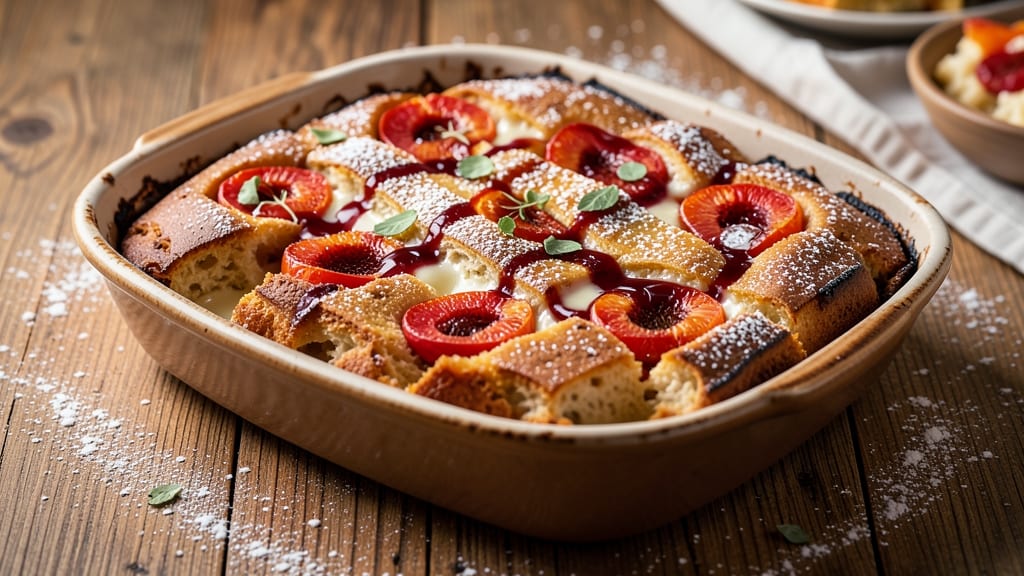
This apricot bread pudding recipe transforms stale bread into a decadent dessert with layers of custardy richness and sweet-tart apricot swirls. 🌟 The secret lies in soaking cubed bread in a spiced custard mixture—vanilla, cinnamon, and nutmeg create warmth that perfectly complements the fruit's natural sweetness.
I developed this version after realizing how quickly simple ingredients could elevate a classic dessert into something restaurant-worthy.
What makes this recipe special is the balance between textures: tender custard that pulls slightly at the edges, juicy apricots that burst with each bite, and a golden caramelized top that adds depth.
Using a mix of fresh and dried apricots (or just one) gives you flexibility—fresh adds moisture while dried intensifies flavor. The baking process at 350°F ensures everything cooks through in about 45 minutes, leaving you with a dessert that feels indulgent but isn't overly sweet.
By the time it emerges from the oven, you'll have a dessert that looks as impressive as it tastes—creamy custard infused with warm spices, pockets of caramelized apricot, and a top that's just crisp enough to contrast the soft interior.
The aroma alone will have everyone gathering in the kitchen, and the first bite delivers that perfect harmony of textures and flavors. This is the kind of dessert that feels like a hug—comforting, familiar, yet elevated.
Serve it warm with a dollop of whipped cream or a drizzle of honey caramel for extra indulgence. It's ideal for brunch, holiday gatherings, or whenever you want to impress without spending hours in the kitchen. Let's make this apricot bread pudding—your taste buds will thank you.
Ingredients for apricot bread pudding
Six servings of comforting custard, spiced fruit swirls, and golden caramelized edges await with these simple yet transformative ingredients.
| Ingredient | Amount | Notes |
|---|---|---|
| Stale Bread Loaf 🍞 | 1 ½ lb | Day-old French or brioche preferred |
| Large Eggs 🥚 | 6 whole | Room temperature for even mixing |
| Heavy Cream 🥛 | 1 ½ cups | Full-fat for rich custard texture |
| Whole Milk 🥛 | 1 cup | Warmed slightly for better incorporation |
| Granulated Sugar 🍚 | 1 cup | Light brown sugar for deeper caramel notes |
| Vanilla Extract 🌿 | 2 tbsp | Pure Madagascar vanilla preferred |
| Ground Cinnamon 🌶️ | 2 tsp | Freshly ground for aromatic warmth |
| Ground Nutmeg 🌿 | ½ tsp | Freshly grated for intense flavor |
| Salt 🧂 | ½ tsp | Diamond Crystal preferred |
| Fresh Apricots 🍑 | 1 ½ cups | Pitted and sliced into half-moons |
| Dried Apricots 🍑 | ½ cup | Chopped into small pieces |
| Unsalted Butter 🧈 | ½ cup | Melted for topping |
| Pecans 🌰 | ½ cup | Toasted and chopped for crunch |
| Honey 🍯 | 2 tbsp | For drizzling before baking |
The bread is your canvas—French or brioche loaves hold up best to soaking, but any stale bread works. Trader Joe's sells excellent day-old brioche at great prices, or check the bakery section for discounted loaves. Avoid soft breads like baguettes, as they'll turn mushy. For the apricots, fresh ones should be vibrant orange with no soft spots. Dried apricots? Look for organic in the bulk section—they keep indefinitely and add concentrated sweetness. The vanilla extract is non-negotiable here—Madagascar bourbon vanilla has the deepest flavor, but pure vanilla will do in a pinch.
No fresh apricots? Substitute with peaches or mango—just adjust the sugar slightly. Dried apricots can be omitted if you prefer, but the chewy texture contrasts beautifully with the custard. Out of pecans? Walnuts or almonds work, though they'll have a different crunch. The cinnamon and nutmeg are where the magic happens—toast the spices lightly in a dry pan before adding to deepen their aroma. For a dairy-free version, swap heavy cream for coconut cream and milk for almond milk, though the texture will be slightly lighter.
This dessert tastes even better the next day, so make it ahead—just refrigerate and reheat at 350°F for 20 minutes. Store leftovers covered in the fridge for up to 4 days. The custard mixture can be prepped a day ahead and kept in the fridge until ready to bake. For serving, a drizzle of honey caramel or dollop of whipped cream elevates it to restaurant-worthy status. Freeze portions for up to 3 months—just thaw overnight in the fridge before reheating.
Why You'll Love This Recipe
- No Waste Needed: I swear by this trick—toss in that day-old bread instead of tossing it. The crust gets soft, the eggs bind it all together, and suddenly you’ve got dessert (or breakfast) without extra shopping.
- Caramelized Apricot Magic: That sweet-tart apricot jam soaking into the bread? It’s like a hug in every bite. The heavy cream and milk turn it into this velvety, golden pudding with pockets of gooey fruit—no fancy techniques, just pure flavor payoff.
- Breakfast or Dessert: Honestly, I make this for both. Serve it warm with a drizzle of honey for brunch, or chill it overnight for a no-fuss dessert. The eggs make it rich enough to stand alone, but the bread keeps it light—perfect for any time of day.
- Budget-Friendly Luxury: Between us, this costs pennies but tastes like a bakery treat. Stale bread, a few eggs, and a can of jam? That’s it. Plus, leftovers reheat beautifully—so you’re basically getting two desserts for the price of one.
Step-by-step instructions for apricot bread pudding
Here's how to transform stale bread into a decadent custard with spiced apricot swirls.
👨🍳 Step 1: Prep the Bread and Fruit
Cut the 1.5 lb stale bread loaf into ½-inch thick slices—this ensures even baking and perfect custard texture. I like to use a serrated knife for clean cuts. Arrange the slices in a 9x13-inch baking dish in overlapping rows, slightly staggered like bricks. This creates a sturdy base that won't fall apart when you pour the custard.
In a small bowl, combine the 1.5 cups fresh apricots (sliced into half-moons) and 0.5 cup dried apricots (chopped into small pieces). Toss them with 2 tbsp honey and set aside. The dried apricots will plump up during baking, adding chewy texture. Sprinkle this apricot mixture evenly over the bread layers, pressing gently so the fruit nestles between slices. This distribution ensures every bite has that sweet-tart apricot flavor.
🥘 Step 2: Whisk the Custard Mixture
In a large mixing bowl, whisk together the 6 whole large eggs (at room temperature) and 1 cup granulated sugar until just combined—no need to overbeat. The eggs should be pale yellow with no streaks of sugar. In a separate bowl, gently warm the 1 cup whole milk and 1.5 cups heavy cream together until steaming but not boiling (about 90 seconds in the microwave or 2 minutes on the stove).
Slowly pour the warm dairy mixture into the egg mixture while whisking constantly. This gradual incorporation prevents scrambling the eggs. Stir in the 2 tbsp vanilla extract, 2 tsp ground cinnamon, 0.5 tsp ground nutmeg, and 0.5 tsp salt. The spices will infuse beautifully into the custard, creating that warm, comforting aroma. Pour this custard mixture evenly over the bread and fruit in the baking dish, pressing down gently to help it seep into every nook.
🔥 Step 3: Bake Until Golden and Set
Preheat your oven to 350°F and let it fully preheat while you prepare the topping. In a small bowl, melt the 0.5 cup unsalted butter and stir in the 0.5 cup toasted, chopped pecans. Pour this buttery pecan mixture evenly over the custard.
Bake uncovered for 50-55 minutes until the edges are golden brown and the center is just set (when you gently shake the pan, it should barely jiggle). Here's the thing—this bread pudding needs that perfect balance: slightly custardy in the center but fully set on the edges. If the top browns too quickly, tent it loosely with foil after 30 minutes to prevent over-browning while the center finishes baking.
⏰ Step 4: Rest and Serve Warm
Remove the bread pudding from the oven and let it rest for 10 minutes before serving. This resting period allows the custard to fully set and the flavors to meld together. The bread will absorb the custard beautifully, creating that perfect texture—soft, custardy, with a slight crunch from the toasted pecans.
Slice into 6 equal portions (about 1.5-inch squares) and serve warm. The contrast of the warm custard with the cool apricot swirls is what makes this dish truly special. For an extra touch, drizzle with additional honey or a dusting of powdered sugar right before serving. Each bite should deliver that perfect combination of creamy custard, chewy apricots, and nutty crunch from the pecans.
Pro Tips For Making Apricot Bread Pudding
- CUT BREAD AT ½-INCH: The even slices are non-negotiable—uneven layers mean uneven baking. Use a serrated knife and press firmly (no sawing) to keep the loaf intact. I learned this the hard way when my first batch turned into a crumbly mess because the slices were too thick.
- WHISK EGGS COLD: Room-temperature eggs make the custard lumpy, but cold ones bind better. Crack them straight into a chilled bowl with the sugar, then whisk vigorously until the mixture is pale and thick—about 3 minutes. This isn’t the prettiest method, but it’s the tastiest.
- SOAK BREAD IN MILK CREAM: Split the liquid into two steps: first soak the bread in just the whole milk (let it sit 10 minutes), then pour in the heavy cream. The milk hydrates the bread faster, while the cream adds richness later—no soggy bottom or dry top here.
- BAKE UNTIL 190°F: The pudding’s done when the center hits 190°F, not when it jiggles. If you pull it out too soon, it’ll collapse later. I skip the toothpick test—it’s too unreliable. Use an instant-read thermometer instead (yes, even if you’re impatient like me).
Common mistakes when making your apricot bread pudding
Over-Soaking the Bread
Don’t let your bread sit in the custard mixture for more than 10-15 minutes before baking—it’ll turn soggy instead of custardy. The bread should be moist but still hold its shape when gently pressed.
I’ve seen people leave it soaking overnight, and while it might seem like a time-saver, the texture becomes mushy and loses that perfect pull-apart quality. If you’re prepping ahead, mix the custard and store it separately, then combine with the bread just before baking. 🌟
Skipping the Fruit Prep
Chopping dried apricots into small, even pieces is key—large chunks won’t soften evenly and can create dry spots in the pudding. For fresh apricots, slice them thinly (about ¼-inch thick) so they caramelize beautifully without turning to mush.
I once used whole dried apricots, and they stayed rock-hard in the center while the custard around them became overcooked. A quick pulse in a food processor solves this instantly.
Ignoring Room-Temp Eggs
Using cold eggs straight from the fridge can cause the custard to curdle or develop a grainy texture. Let them sit at room temperature for at least 30 minutes before whisking.
I learned this the hard way—once, I rushed and used cold eggs, and the finished pudding had an unappetizing, lumpy consistency. Pro tip: Place eggs in warm water for 5 minutes if you’re short on time. The custard will be silky smooth as a result.
Overbaking for "Fully Set" Texture
This pudding should be just set in the center—think of it like a thick custard, not a firm Jell-O. Overbaking dries out the bread and turns the custard rubbery. Test doneness by gently shaking the pan: if it barely jiggles, it’s ready.
I’ve seen people bake until the edges are dark brown, only to find the center still wobbly. If this happens, cover loosely with foil and return to the oven for 5-10 more minutes at a lower temp (325°F) to finish gently.
Forgetting the Resting Time
Skipping the 10-minute rest after baking might seem harmless, but it’s crucial for the custard to fully set and the flavors to meld. Serving too soon can cause the pudding to collapse or slide off your plate.
I once served it immediately, and the first slice was a messy, runny disaster. Trust the process—let it rest, then slice cleanly for that perfect presentation. 💫
Using Low-Quality Spices
Freshly ground cinnamon and nutmeg make all the difference in this recipe. Pre-ground spices lose potency quickly and can taste dull. Toast them lightly in a dry pan for 30 seconds before adding to deepen their aroma.
I’ve used store-bought ground spices in a pinch, but the flavor just isn’t the same. If you’re using dried apricots, their natural sweetness pairs beautifully with warm spices—don’t skimp on this step! The spices are the soul of this dessert.
Nutrition facts
Frequently asked questions
Can I use any type of bread for this apricot bread pudding?
French or brioche loaves work best because they hold up well to soaking and have a slightly sweet flavor that complements the apricots. Avoid soft breads like baguettes—they'll turn mushy. Day-old bread is ideal, but if you only have fresh bread, toast it lightly first to mimic staleness.
What if I don't have fresh apricots? Can I substitute?
Use peaches or mango instead, but reduce the sugar by 1-2 tablespoons since these fruits are naturally sweeter. Dried apricots can be omitted if you prefer, though they add chewy texture. For extra flavor, toss the dried apricots with a pinch of cinnamon before baking.
How do I prevent the bread from getting soggy?
Don't let the bread soak in the custard mixture for more than 10-15 minutes before baking. The bread should be moist but still hold its shape. For make-ahead prep, mix the custard separately and combine with the bread just before baking. This keeps the texture perfect—tender but not mushy.
Can I make this dessert ahead of time?
Yes! This bread pudding tastes even better the next day. Refrigerate leftovers covered for up to 4 days. To reheat, bake at 350°F for 20 minutes until warm. You can also freeze portions for up to 3 months—just thaw overnight in the fridge before reheating.
Why did my bread pudding turn out dry?
Overbaking is the most common cause. This dessert should be just set in the center—think thick custard, not firm Jell-O. Test doneness by gently shaking the pan: if it barely jiggles, it's ready. If the top browns too quickly, tent it with foil after 30 minutes to prevent over-browning while the center finishes.