
Side Dishes
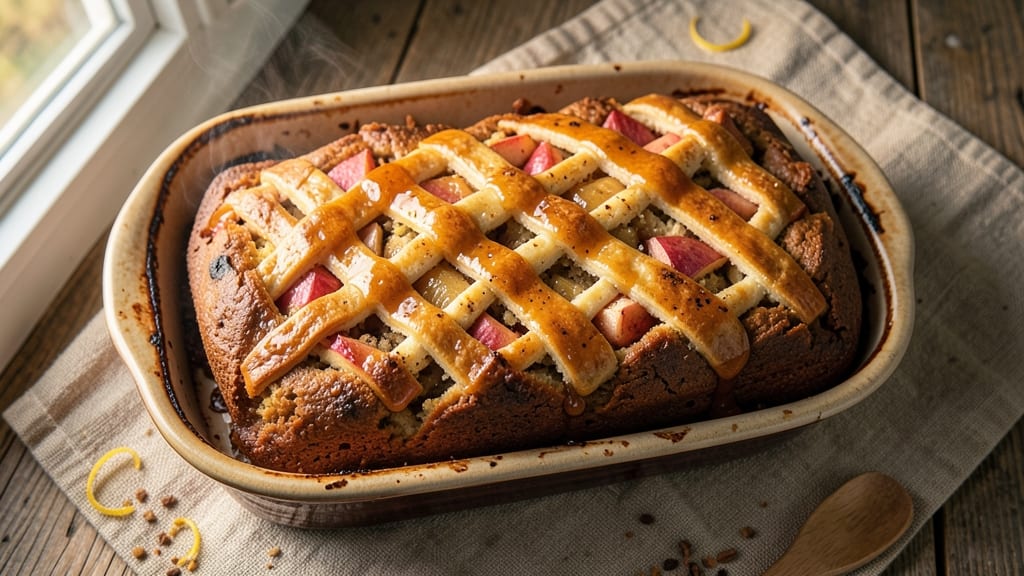
This apple fritter loaf bread recipe transforms a simple loaf into a showstopping dessert with crispy, caramelized apple swirls and warm cinnamon-spiced dough.
The secret lies in balancing a tender yeasted bread with a rich, buttery apple filling that caramelizes beautifully during baking, creating pockets of sweet, spiced goodness in every slice.
I developed this recipe after years of experimenting with hybrid breads—combining the comfort of homemade loaf with the indulgence of fritters, all without deep-frying.
The dough starts with a classic yeast-based recipe, enriched with butter and brown sugar for depth, while the filling combines tender apples, cinnamon, and a touch of vanilla for that classic apple fritter flavor.
The key technique is layering the filling between dough folds before baking, ensuring those warm, spiced swirls peek through a golden, slightly crispy crust. This method delivers restaurant-quality texture—soft, pillowy bread with crisp edges and a caramelized filling that melts in your mouth.
Perfect for breakfast, dessert, or even a special brunch, this loaf bread keeps well for up to 3 days and reheats beautifully. The aroma alone will have everyone gathering around the table, while the contrast of tender bread and buttery apple filling makes it impossible to resist.
Whether you're a seasoned baker or just starting out, this recipe delivers foolproof results with just a few simple techniques and a little patience.
For those looking for variations, try adding a streusel topping or swapping apples for pears—both work beautifully. The beauty of this recipe is its versatility, so feel free to experiment with spices like nutmeg or cardamom for a unique twist. Let's get baking!
Ingredients for apple fritter loaf bread
Buttery dough meets caramelized apple filling for a loaf that tastes like dessert every time.
| Ingredient | Amount | Notes |
|---|---|---|
| All-Purpose Flour 🌾 | 4 cups | Sifted for light texture |
| Granulated Sugar 🍚 | ½ cup | For dough sweetness |
| Brown Sugar 🍯 | ½ cup | Packed for caramel flavor |
| Active Dry Yeast 🍞 | 2 ¼ tsp | Freshly opened packet |
| Unsalted Butter 🧈 | ¾ cup | Cold, cubed for dough |
| Large Eggs 🥚 | 2 whole | Room temperature |
| Milk 🥛 | ¾ cup | Warm, 110°F |
| Salt 🧂 | 1 tsp | Fine sea salt |
| Ground Cinnamon 🌿 | 2 tsp | For dough and filling |
| Vanilla Extract 🍯 | 1 tsp | Pure vanilla preferred |
| Apples 🍎 | 2 medium | Peeled, cored, diced |
| Lemon Juice 🍋 | 1 tbsp | Freshly squeezed |
| Powdered Sugar 🍚 | ¼ cup | For dusting top |
The apples are non-negotiable—Honeycrisp or Fuji hold up best during baking. Local farmers markets often have perfect apples in season, but any firm, sweet variety works. Avoid Granny Smiths; they're too tart. For the dough, King Arthur flour is my go-to for consistent results, but any high-quality all-purpose works. The butter should be cold when you cut it into the flour—this creates flaky layers. If your kitchen's warm, chill the dough for 30 minutes before shaping.
No Honeycrisp apples? Pears or peaches work beautifully—just reduce lemon juice to 1 teaspoon. Short on brown sugar? Substitute white sugar plus 1/4 teaspoon molasses. The vanilla extract can be omitted if needed, but the cinnamon is essential—Penzeys brand has the most flavorful ground cinnamon. For a richer dough, replace 2 tablespoons of milk with heavy cream. The yeast needs to be fresh; if your packet's been sitting for months, test it first by mixing with warm water and sugar—it should foam in 5-10 minutes.
This loaf keeps beautifully for 3 days at room temperature, wrapped in a clean kitchen towel. For longer storage, freeze slices wrapped in parchment—2 months works perfectly. Reheat in a 350°F oven for 5-10 minutes until golden. I always bake an extra loaf; the aroma alone makes it worth it. For serving, brush warm slices with melted butter and sprinkle with extra powdered sugar—trust me on this.
Why You'll Love This Recipe
- No Yeast Stress: Mixing this dough feels like a hug—just bloom the yeast in warm milk (no fancy proofing tricks), toss in diced apples and that buttery brown sugar, then let the oven do the magic. Honestly? My first attempt overproofed, but now I set a timer and never second-guess it again.
- Sweet Crunch Play: That crispy caramelized top? Pure reward. The brown sugar and butter create this golden, crackly crust while the apples inside stay tender—like biting into a cross between a cinnamon roll and a fritter. (Yes, even on a Tuesday night.)
- Breakfast or Snack Hero: Slice it thick for a decadent toast, pack it in lunchboxes for a sweet treat, or serve it warm with butter—it’s my go-to for lazy mornings or after-school pick-me-ups. Between us, the leftovers disappear faster than I can reheat them.
- Budget-Friendly Indulgence: Flour, sugar, apples, butter—these are pantry staples that won’t break the bank. One loaf stretches into days of snacks, and the recipe scales easily. I’ll be real: it’s the kind of treat that makes fancier baked goods feel unnecessary.
Step-by-step instructions for apple fritter loaf bread
Here's how to create a perfectly spiced loaf with tender crumb and caramelized apple swirls.
Prepare the Apple Filling and Proof the Yeast
In a small bowl, combine the diced apples, 1 tablespoon lemon juice, and 1 teaspoon vanilla extract. Set aside to prevent browning while you work. This acidity will preserve the apples' freshness and brighten their flavor in the finished loaf.
In a separate small bowl, warm the ¾ cup milk to 110°F—it should feel comfortably warm to the touch but not hot. Sprinkle the 2¼ teaspoons active dry yeast over the warm milk and let sit for 5-7 minutes until foamy. This activates the yeast and ensures your bread will rise properly. If it doesn't foam, your yeast may be inactive—start over with fresh yeast.
Mix the Dough and Incorporate Butter
In the bowl of a stand mixer fitted with the paddle attachment, combine the 4 cups all-purpose flour, ½ cup granulated sugar, ½ cup packed brown sugar, and 1 teaspoon salt. Mix on low speed to distribute the dry ingredients evenly. Add the 2 whole eggs and mix until combined.
Gradually add the ¾ cup cold, cubed unsalted butter while mixing on low speed. The butter should begin to incorporate into the dough, creating small pea-sized pieces. Avoid overmixing at this stage—you want to preserve the butter's coldness for flaky layers. Once the butter is mostly incorporated, add the yeast mixture and mix on low speed until a shaggy dough forms.
Knead the Dough and First Rise
Switch the mixer to medium speed and knead the dough for 5-7 minutes until it becomes smooth and elastic, pulling away from the sides of the bowl. The dough should be slightly tacky but not sticky—if it sticks to your fingers, add 1 tablespoon flour at a time until it reaches the right consistency.
Shape the dough into a ball, place it in a lightly greased bowl, and cover with a damp towel. Let it rise in a warm place for 1-1½ hours or until doubled in size. The dough should feel light and springy when pressed gently. If it doesn't rise, your kitchen may be too cold—place the bowl near a warm oven with the light on to encourage rising.
Roll Out and Assemble the Loaf
Punch down the risen dough and divide it into two equal parts. Roll one portion into a 12x6-inch rectangle on a floured surface, about ¼-inch thick. Spread the apple mixture evenly over the dough, leaving a ½-inch border around the edges. Sprinkle 1 teaspoon ground cinnamon over the apples for warmth.
Roll the dough tightly into a log, starting from the long side, and seal the seam. Repeat with the remaining dough and apple mixture. Place both logs seam-side down in a 9x5-inch loaf pan, leaving space between them. Cover loosely with a towel and let rise for 30-45 minutes until puffy. Preheat your oven to 375°F during this time.
Bake to Golden Perfection
Brush the tops of the loaves with the ¾ cup warm milk (reserved from earlier) and sprinkle generously with ¼ cup powdered sugar. Bake for 30-35 minutes until the tops are deep golden brown and a toothpick inserted into the center comes out clean. Rotate the pans halfway through baking for even browning.
Remove from the oven and let cool in the pan for 10 minutes, then transfer to a wire rack. The loaves should have a crisp crust and tender, moist crumb with pockets of caramelized apple throughout. Slice while still warm for the best texture—each bite should deliver a perfect balance of sweet, spiced dough and juicy apple filling.
Pro Tips For Making Apple Fritter Loaf Bread
- Test Your Yeast First: Skip the guesswork—mix a pinch of yeast with warm water (110°F) and a teaspoon of sugar. If it bubbles within 10 minutes, your yeast is alive and ready to work. I’ve wasted dough waiting for sluggish yeast, and this simple check saves headaches.
- Brown the Butter: Don’t just melt it—cook that butter until it’s nutty and golden, about 5-7 minutes. The deeper flavor cuts through the sweetness of the apples and caramelized sugars, making the whole loaf taste richer. (Yes, it’s extra work, but your taste buds won’t regret it.)
- Chill the Dough: Let the dough rest in the fridge overnight, even if it’s just 4-6 hours. This slows the yeast, develops gluten, and keeps the apples from releasing too much moisture too soon. I used to rush it, and the texture always came out dense—now it’s light and airy.
- Cut Apples Small: Dice those apples into ¼-inch pieces, no bigger. Larger chunks turn mushy during baking, while tiny pieces distribute evenly and caramelize perfectly. (And skip the peel—it’s bitter and fights the sweetness.)
Best sauces and condiments for this recipe
Caramel Apple Sauce
This classic pairing elevates your loaf with a homemade caramel apple sauce that mirrors the filling's flavors. Simmer 2 cups diced apples (Honeycrisp or Fuji), ¼ cup brown sugar, 2 tbsp lemon juice, and 1 tsp cinnamon in 1 cup water for 15 minutes until thickened.
Finish with 1 tsp vanilla and a pinch of salt. Serve warm over ice cream or alongside slices for dipping—it's like dessert in a saucepan! 🍎
Whipped Cream Cheese
For a lighter contrast, blend 8 oz cream cheese (softened) with ½ cup powdered sugar and 1 tsp vanilla until smooth. Spread between layers of your loaf or dollop on top before serving.
The tangy creaminess cuts through the sweetness beautifully. I like to add ½ tsp cinnamon to the mix for extra warmth that ties back to the dough. 🧈
Maple Glaze Finish
Drizzle warm slices with a maple glaze made from ½ cup maple syrup reduced with 1 tbsp butter over medium heat for 3-4 minutes. Thin with 1 tsp milk if needed, then strain for smoothness.
This adds a glossy finish and enhances the apple flavors. Use Grade B maple syrup for deeper caramel notes—it's perfect for this recipe. ✨
Spiced Whipped Cream
Take whipped cream to the next level by folding in 1 tbsp brown sugar, ½ tsp cinnamon, and ¼ tsp nutmeg after whipping. Pipe rosettes on top of the loaf or alongside slices.
The spices complement the apple filling while adding a festive touch. For extra flair, toast 1 tbsp chopped pecans and sprinkle over the cream. 🌟
Caramel Drizzle
Make a quick salted caramel drizzle by melting ½ cup caramel sauce (store-bought or homemade) with 1 tbsp butter and ¼ tsp flaky sea salt. Drizzle over warm slices while still on the rack.
The salt enhances the caramel's sweetness, creating a sophisticated finish. I love this for special occasions—it feels like a bakery treat! 💫
Cinnamon Sugar Dust
For a simple yet effective touch, mix ¼ cup powdered sugar with 1 tbsp cinnamon and dust generously over warm slices. The cinnamon sugar clings to the crust, adding texture and flavor with zero effort. This is my go-to for quick serving—just shake it on! 🌿
Nutrition facts
Frequently asked questions
Can I make this loaf without a stand mixer?
For the dough, mix ingredients by hand in a large bowl using a wooden spoon until combined, then knead by hand for 8-10 minutes on a floured surface until smooth and elastic. The key is to work the dough vigorously to develop the gluten properly. For the butter incorporation, cut it into small pieces and work it into the flour mixture with your fingers until pea-sized pieces remain.
How do I prevent the apple filling from leaking out?
Seal the edges tightly when rolling the dough logs. Press the seams firmly and place the logs seam-side down in the pan. Chill the assembled loaves in the refrigerator for 15 minutes before baking—this helps the dough firm up slightly and reduces leakage. If you notice filling oozing during baking, reduce the oven temperature by 25°F and bake for 5-10 minutes longer.
What's the best way to store leftovers?
Wrap cooled loaves tightly in plastic wrap or aluminum foil and store at room temperature for up to 3 days. For longer storage, slice the loaf and freeze individual portions wrapped in parchment paper. Reheat slices in a 350°F oven for 5-7 minutes until warmed through. The texture stays best when reheated gently—microwaving can make the bread gummy.
Can I substitute pears for apples?
Yes! Use 2 medium ripe pears (like Anjou or Bosc) instead of apples, and reduce the lemon juice to ½ teaspoon since pears are less acidic. For extra flavor, add ¼ teaspoon ground cloves to the filling. Pears create a softer texture than apples, so you might want to reduce the baking time by 2-3 minutes to prevent over-browning.
Why did my loaf turn out dense instead of light?
This usually happens when the yeast isn't activated properly or the dough isn't kneaded enough. Double-check that your yeast was fresh (it should foam within 5-10 minutes in warm milk). Also ensure you kneaded the dough for the full 5-7 minutes—this develops the gluten structure needed for a light texture. If your kitchen is cold, place the rising dough near a warm oven with the light on to help it proof properly.