
Side Dishes
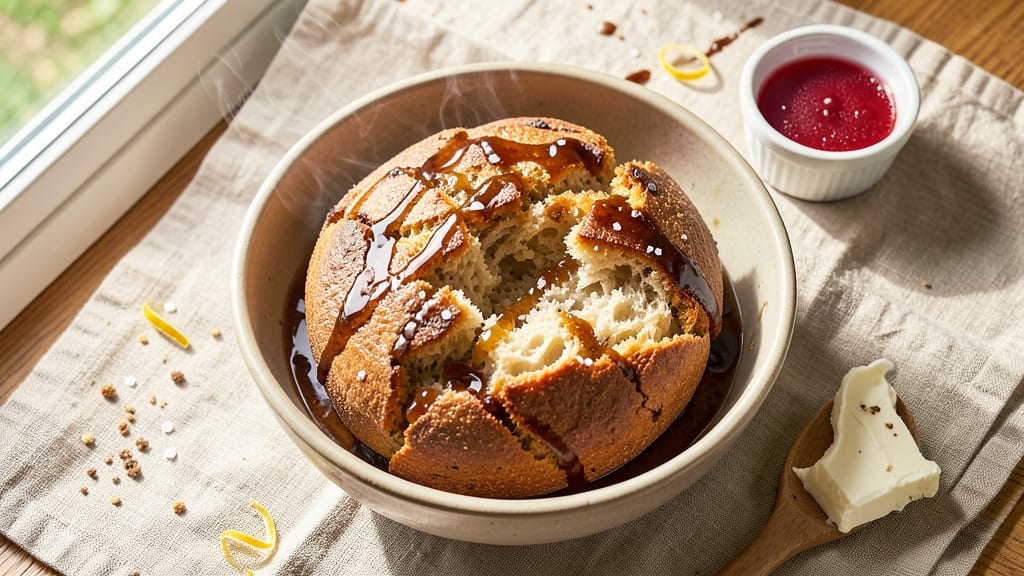
This apple cider yeast bread recipe transforms a simple loaf into a fragrant, spice-infused masterpiece—where the deep caramel notes of apple cider meet warm cinnamon and nutmeg in every bite.
The slow fermentation develops rich, complex flavors that store-bought bread can’t match, while the tender crumb and crisp crust make it perfect for soaking up soups or slathering with butter.
What sets this bread apart is the apple cider itself, which replaces water in the dough, infusing the bread with natural sweetness and depth. A touch of molasses enhances the spice profile, while optional add-ins like chopped walnuts or dried cranberries add texture and visual appeal.
The dough requires patience—kneading, rising, and shaping—but the results are worth every minute.
By the time it emerges from the oven, your kitchen will smell like autumn, and the bread will be golden-brown with a crackly crust that gives way to a soft, pillowy interior.
The apple cider aroma lingers long after baking, making this bread a centerpiece for holiday tables or a comforting side any day of the year.
Serve warm with honey butter, alongside roasted meats, or toasted with jam for breakfast. The versatility of this recipe ensures it becomes a staple in your baking rotation—simple enough for beginners but impressive enough for gatherings.
Ingredients for apple cider yeast bread
Fifteen ingredients, one aromatic loaf—where apple cider's caramel depth meets autumn spice perfection.
| Ingredient | Amount | Notes |
|---|---|---|
| Apple Cider 🍎 | 1 ½ cups | Unpasteurized for best flavor |
| All-Purpose Flour 🌾 | 4 cups | Plus 2 tbsp for dusting |
| Active Dry Yeast 🍞 | 2 ¼ tsp | Or 1 packet instant yeast |
| Granulated Sugar 🍚 | ½ cup | For yeast activation |
| Unsalted Butter 🧈 | ¼ cup | Softened to room temperature |
| Molasses 🍯 | 2 tbsp | Dark molasses preferred |
| Large Egg 🥚 | 1 whole | Room temperature |
| Ground Cinnamon 🌿 | 1 ½ tsp | Freshly ground preferred |
| Ground Nutmeg 🌿 | ½ tsp | Freshly grated if possible |
| Salt 🧂 | 1 ½ tsp | Diamond Crystal kosher salt |
| Optional Walnuts 🥜 | ½ cup | Chopped coarse, toasted |
| Optional Dried Cranberries 🍇 | ¼ cup | Chopped if large |
The apple cider is non-negotiable here—unpasteurized delivers the richest flavor, though pasteurized works in a pinch. Local orchard cider (like those from New England farms) has the best depth, but any good-quality store brand will do. For the flour, King Arthur or Gold Medal are reliable choices—both yield a tender crumb. The molasses should be dark and sticky (the kind used in gingerbread), not the thin, light variety. If you can't find dark molasses, blackstrap molasses works perfectly. The yeast? Freshness matters—test it by dropping a pinch in warm water with sugar; if it bubbles within 5 minutes, it's active.
No walnuts? Pecans or almonds work just as well—just toast them first for maximum flavor. Skipping the cranberries? Dried apricots or raisins add sweetness without overpowering. The spices are where this bread shines—pre-ground is fine, but freshly grated nutmeg makes a noticeable difference. For the butter, European-style (like Plugrá) has higher fat content, which improves the crust. If you're short on time, melt the butter and mix it into the warm dough instead of softening it first. The optional add-ins? Toast them first—5 minutes in a dry pan enhances their flavor dramatically.
This dough is best made the night before—cover and refrigerate for up to 12 hours to develop deeper flavor. The shaped loaf keeps 2 days at room temperature wrapped in a clean kitchen towel, or 5 days in the fridge. For longer storage, freeze the shaped loaf (unbaked) for up to 3 months—thaw overnight in the fridge before baking. The crust stays crisp for 24 hours if stored in a paper bag, but the interior softens after the first day. Slice and freeze portions for quick toast—just reheat in a toaster or oven.
Why You'll Love This Recipe
- Fewer Ingredients, Same Magic: I swear by this recipe because it only needs five things—no fancy pantry items, just apple cider, flour, yeast, sugar, and butter. That’s it. The cider does all the flavor work while I handle the mixing in one bowl. No measuring cups cluttering my counter, no last-minute grocery runs.
- Warm Spice Hug: The moment that rich, caramelized apple cider aroma hits your kitchen? Instant coziness. The bread turns out tender with a subtle sweetness that lingers, and the butter makes every bite feel like a hug. Honestly, it’s the kind of flavor that makes me want to bake just for the smell.
- Weeknight Meal Upgrade: Slice it thick for toast with butter and jam, or serve it alongside chili or soup. I’ve even used it as a base for French toast—crispy edges, custardy center. It’s my go-to when I need something hearty but don’t want to slave over a complicated recipe.
- Budget-Friendly Staple: A loaf costs me pennies to make, yet it feeds my family for days. The dough keeps well in the fridge, and slices toasted the next morning taste just as fresh. Between us, this is the kind of bread that makes grocery bills feel lighter without sacrificing taste.
Step-by-step instructions for apple cider yeast bread
Master this spiced loaf with apple cider's rich depth and warm autumn flavors.
Activate the Yeast with Apple Cider and Sugar
In a small mixing bowl, combine the 1.5 cups apple cider with 0.5 cup granulated sugar and 2.25 tsp active dry yeast. Let this mixture sit in a warm place for 5-10 minutes until it becomes foamy and bubbly. This activation step is crucial—it ensures your yeast will work properly and gives the bread its signature apple cider tang.
I always test the water temperature first by dipping my finger in—it should feel warm but not hot to the touch. If the mixture doesn't bubble after 10 minutes, your yeast might be inactive. In that case, start fresh with a new packet of yeast and warm cider mixture.
Mix the Dough with Wet and Dry Ingredients
In a large mixing bowl, combine 4 cups all-purpose flour, 1.5 tsp salt, 1.5 tsp ground cinnamon, and 0.5 tsp ground nutmeg. Make a well in the center and add the yeast mixture, 0.25 cup softened unsalted butter, 2 tbsp molasses, and 1 whole large egg. Using a wooden spoon or dough whisk, gradually mix until a shaggy dough forms.
Once the dough starts coming together, switch to your hands and knead on a lightly floured surface for 8-10 minutes until smooth and elastic. The dough should be slightly sticky but not wet. If it feels too dry, add 1-2 teaspoons of apple cider to help bind it. This kneading develops gluten, which gives your bread its structure and chew.
First Rise and Incorporate Optional Add-Ins
Place the dough in a lightly greased bowl, cover with a damp towel, and let it rise in a warm place for 1-1.5 hours or until doubled in size. This first rise allows the yeast to ferment and create air pockets. I like to place my bowl in a slightly warm oven with a cup of boiling water underneath for consistent warmth.
After the dough has risen, punch it down gently to release air. If using, fold in the 0.5 cup optional walnuts and 0.25 cup optional dried cranberries by hand. The nuts add crunch while the cranberries provide tart contrast to the sweet spices. Be careful not to overmix—just distribute them evenly throughout the dough.
Shape and Second Rise for Perfect Texture
Turn the dough onto a lightly floured surface and shape it into a round loaf. For a classic look, form it into a ball with smooth sides. Place it seam-side up in a greased 9x5-inch loaf pan, then cover loosely with plastic wrap. Let it rise again for 45-60 minutes until it's just above the rim of the pan. This second rise ensures a light, airy crumb.
For extra shine and flavor, brush the top with a little apple cider before baking. This creates a beautiful golden crust while enhancing that signature apple cider aroma. I also like to sprinkle a pinch of cinnamon on top for added warmth and visual appeal.
Bake to Golden Perfection
Preheat your oven to 375°F. Bake the bread for 35-40 minutes until the top is deep golden brown and it sounds hollow when tapped on the bottom. The internal temperature should reach 190-200°F—this ensures it's fully baked without drying out.
Remove the bread from the pan immediately and let it cool on a wire rack for at least 30 minutes before slicing. This resting period allows the steam to escape, preventing a gummy texture. The aroma alone will make your kitchen smell like autumn—worth every minute of waiting!
Pro Tips For Making Apple Cider Yeast Bread
- Warm the cider first: I learned this the hard way—pouring cold apple cider straight into the dough slows yeast activity and leaves you waiting forever. Heat it to about 100°F (just warm to the touch) before mixing, and your bread will rise faster without sacrificing flavor.
- Use room-temperature butter: Cold butter cubes in dough create pockets that won’t soften properly, leaving you with a dense loaf. Let your unsalted butter sit out for 30-60 minutes until it’s pliable but not melted—this ensures even distribution and a tender crumb.
- Don’t overmix the dough: After adding the yeast and sugar, resist the urge to knead like you’re punishing the dough. Overworking it develops too much gluten, making the bread tough instead of light. Mix just until combined, then let the machine or your arm do the heavy lifting for 3-4 minutes max.
- Brush with extra cider: Skip the water for that signature shine and flavor—brush the baked loaf with a little warmed apple cider while it’s still hot. It caramelizes slightly, giving the crust a glossy finish and a subtle sweetness that store-bought rolls can’t match. (Yes, even if you’re impatient like me.)
Storing and reheating your leftovers
Room-Temp Storage
Keep your baked apple cider bread at room temperature for up to 2 days by wrapping it tightly in a clean kitchen towel or parchment paper. This preserves the crust's crispness while keeping the interior soft.
I store mine in a burlap bread bag for that rustic feel—it also helps maintain moisture better than plastic. Place it on a wire rack to prevent condensation buildup, which can make the bread soggy. 🍂
Fridge Preservation
For longer storage, transfer the cooled loaf to an airtight container or resealable plastic bag and refrigerate for up to 5 days. The cold slows staling, but the crust may lose some crispness.
To revive, wrap the bread in a damp paper towel and warm it in a 350°F oven for 5-7 minutes—this restores both texture and aroma. I like to slice it before freezing for quick toast portions later.
Freezer Magic
Freeze the unbaked shaped loaf (in its pan or wrapped in plastic) for up to 3 months. For best results, wrap it in two layers of plastic wrap followed by foil to prevent freezer burn. Thaw overnight in the fridge before baking.
Alternatively, freeze sliced portions on a tray first, then transfer to a bag—this lets you toast individual servings without thawing the whole loaf. The texture stays surprisingly fresh when reheated properly. ❄️
Reheating Secrets
For stale bread, the oven is your best friend. Wrap the loaf in aluminum foil and heat at 325°F for 10-15 minutes until warmed through. For toasted slices, use the broiler for 2-3 minutes on high—watch closely to avoid burning.
Microwave reheating works in a pinch (cover with a damp towel for 20-30 seconds), but it can make the crust rubbery. I always add a drizzle of apple cider before reheating to revive that signature flavor. 🔥
Crust Revival
If your bread's crust loses its snap, brush it with melted butter and toast in a skillet over medium heat for 1-2 minutes per side. For extra crispness, broil for 30 seconds while watching closely.
The heat reactivates the starches, restoring that satisfying crunch. This trick works especially well for frozen slices—just a quick toast brings them back to life. 💫
Make-Ahead Dough
Save time by preparing the dough up to 12 hours ahead and refrigerating it. Shape and refrigerate the loaf (unbaked) for up to 24 hours before baking. The cold rise develops deeper flavors, and you can bake straight from the fridge—just add 5-10 minutes to your baking time.
This is my go-to method for weekend baking—no morning rush required! ⏰
Nutrition facts
Frequently asked questions
Can I substitute apple cider with apple juice?
While you can use apple juice, it won't provide the same depth of flavor. Apple cider contains natural sugars and tannins that create a richer, more complex taste. If substituting, use 100% unsweetened apple juice and add an extra 1/4 cup molasses to compensate for the missing depth. For best results, stick with apple cider—it's what makes this bread special!
Why does my dough smell like alcohol?
That's actually a good sign! The yeast ferments the sugars in the apple cider, producing a natural alcohol aroma (like a mild apple cider scent). If it smells strongly like vinegar or rot, your dough may have overproofed. For best results, keep rising times between 1-1.5 hours for the first rise and 45-60 minutes for the second rise.
How do I fix dense, heavy bread?
Dense bread usually means underdeveloped gluten or overproofing. Next time, knead for the full 8-10 minutes to strengthen the gluten structure. Also check your yeast—it should bubble within 5-10 minutes when mixed with warm cider. If the dough rises too quickly, reduce rising time slightly. For a lighter texture, brush the baked loaf with melted butter while still warm.
Can I make this bread without a loaf pan?
Shape the dough into a free-form round loaf or a batard (oval shape) on a baking sheet. For extra crispness, bake at 400°F for 25-30 minutes instead of 375°F. Brush with apple cider before baking for a glossy finish. Just be prepared for a slightly different texture—pan bread has a more uniform shape and crust.
What's the best way to use up extra dough?
Divide the dough into small rolls or cinnamon buns before the final rise. Shape them into 1-inch balls and place on a baking sheet. Brush with melted butter and sprinkle with cinnamon sugar before baking at 375°F for 15-18 minutes. These make perfect breakfast treats! You can also make apple cider biscuits by cutting the dough into rounds and baking for 12-15 minutes.